American Cockroach vs Wood Roach: What’s the Difference?
Many people find it tricky to tell the difference between an American Cockroach and a Wood Roach. It’s easy to get them mixed up because they look similar and both show up where we live. But knowing which one you’re dealing with helps a lot when figuring out what to do. Don’t worry, this guide will make it super clear. We’ll break down the American Cockroach vs Wood Roach: What’s the Difference? step by step, so you’ll know exactly what you’re looking at. After this, you’ll be able to spot them easily.
Identifying the American Cockroach
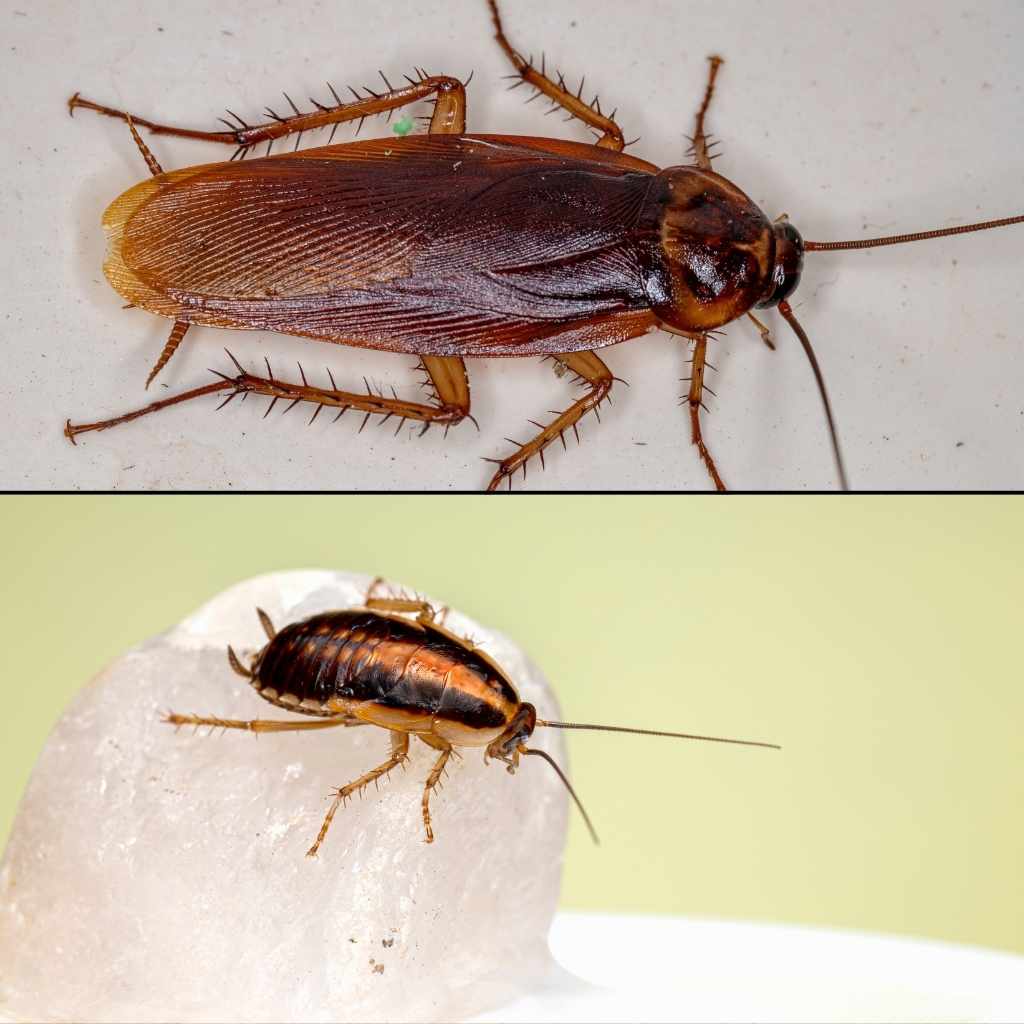
The American cockroach is a common pest you might find in homes and buildings. These are the large, reddish-brown roaches that can grow quite big. They prefer warm, humid, and dark places, often found in basements, sewer systems, and drains. They are known for their ability to fly short distances, which can surprise people when they suddenly appear. Their presence can indicate sanitation issues and potential entry points into a structure. They are scavengers and will eat almost anything, contributing to their survival in various environments.
Physical Characteristics of American Cockroaches
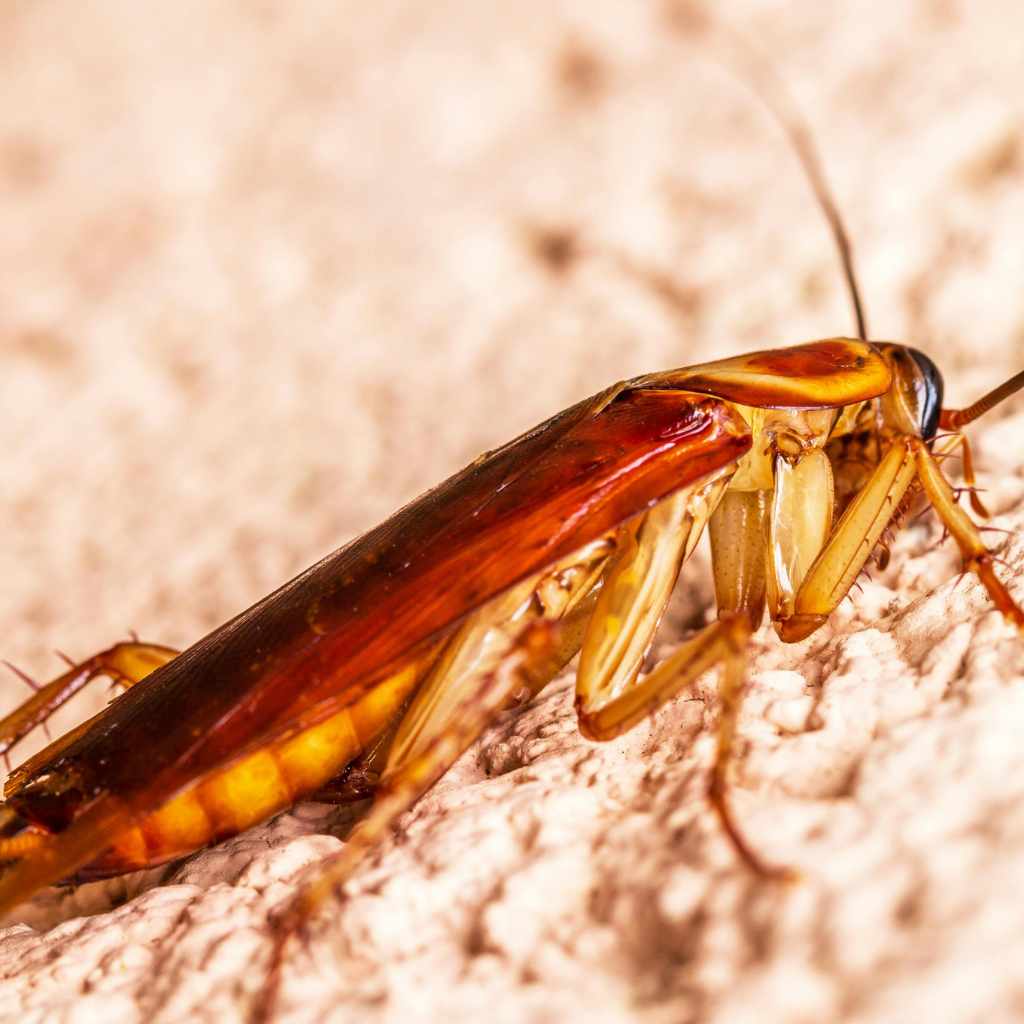
American cockroaches are among the largest cockroach species, typically measuring between 1.5 and 2 inches long. Their bodies are usually a reddish-brown color, and they have a distinctive yellowish band or marking on the plate behind their heads. They have six legs, making them fast runners. Both males and females have fully developed wings, though they are more likely to use them for gliding or short flights rather than sustained aerial travel. Their antennae are long and slender, used for sensing their surroundings.
* Size matters when telling them apart. American cockroaches are giants in the roach world, easily seen and recognized by their impressive length.
This size can be alarming, but it’s a key feature for identification. Their large bodies are well-suited for scavenging and survival in diverse habitats.
* Their color is a consistent reddish-brown, like dark, polished wood. This uniform coloring, along with the yellowish mark on their pronotum (the shield-like section behind their head), is a strong indicator.
This color helps them blend into darker, often damp environments like sewers and basements.
* The wings of an American cockroach are fully functional. While they don’t typically fly long distances like birds, they can use their wings to glide or make short flights, especially when startled or trying to escape.
This flight capability can be a startling surprise and is a distinguishing behavior.
Habitat and Behavior of American Cockroaches
American cockroaches thrive in moist, warm environments. Basements, crawl spaces, sewer lines, and even the spaces around hot water pipes are their favorite spots. They are nocturnal creatures, meaning they are most active at night. During the day, they hide in dark, secluded areas. They are notorious for their scavenging habits, feeding on a wide variety of organic matter, including food scraps, garbage, and even hair and decaying materials. Their ability to survive on very little food and water makes them persistent pests.
* These roaches are often found in places with poor sanitation. This includes kitchens, bathrooms, and areas where food waste accumulates. They are drawn to moisture and warmth, making them common in drains and utility areas.
Their presence can sometimes point to underlying plumbing issues or neglected cleaning routines.
* Their behavior is often described as secretive. They prefer to stay hidden during daylight hours and emerge at night to forage for food. When a light is suddenly switched on, they will scatter quickly to find a new hiding spot.
This rapid movement is a characteristic response to perceived threats.
* American cockroaches are drawn to food sources, which is why they are frequently found in kitchens and dining areas. They can contaminate food and surfaces with bacteria they pick up from their unsanitary environments.
Their feeding habits are broad, making them opportunistic eaters.
Diet and Reproduction of American Cockroaches
American cockroaches are omnivores with a varied diet. They will eat practically anything organic, from crumbs and spills to decaying matter and even glue or bookbinding. This adaptability allows them to survive in challenging conditions. They reproduce quickly, with females laying egg cases called oothecae. Each ootheca contains about 16 to 30 eggs, and a female can produce multiple oothecae throughout her life. The eggs hatch in about 24 to 38 days, and the young nymphs mature into adults in about 6 to 12 months.
* Their diet is incredibly diverse, reflecting their scavenging nature. They are not picky eaters and will consume almost any organic material they find. This broad diet is key to their survival in urban environments.
This makes them a nuisance in homes and businesses, as they can infest a wide range of areas where food particles might be present.
* The reproductive rate of American cockroaches is significant. A single female can lay numerous egg cases, each containing many eggs, leading to rapid population growth if conditions are favorable.
This high reproduction rate means that even a few individuals can quickly become a large infestation.
* Nymphs, or young cockroaches, resemble smaller versions of adult roaches but lack fully developed wings. They go through several molts as they grow, shedding their exoskeletons to accommodate their increasing size.
The development cycle from nymph to adult can be influenced by temperature and food availability.
Understanding the Wood Roach
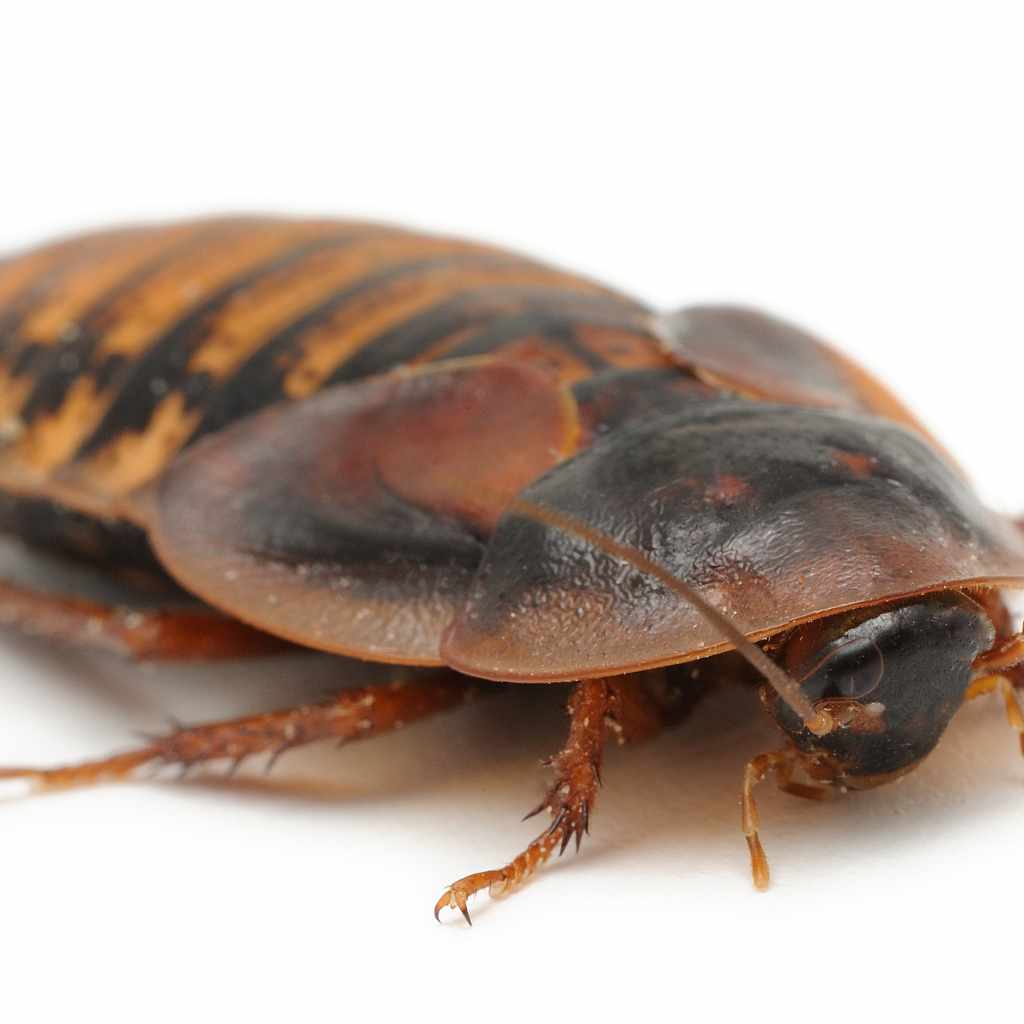
Wood cockroaches are a different group of insects that, as their name suggests, are often found in or around wood. Unlike the common household pests, many wood cockroach species are not considered serious infestors of homes. They typically live outdoors in moist, wooded areas, under bark, in decaying logs, or in leaf litter. When they do come inside, it’s often accidental or because they are seeking moisture or shelter, especially during dry spells or extreme temperatures. Their appearance can sometimes be confused with other cockroach species, but their habits and typical locations are quite distinct.
Physical Characteristics of Wood Cockroaches
Wood cockroaches are generally smaller and more uniformly colored than American cockroaches. They often have a brown or black appearance, and their bodies tend to be flatter. A key distinguishing feature is that many species of wood roaches have males and females that look different. The males are usually winged and capable of flight, sometimes being attracted to lights at night. Females, however, may have shorter wings or be wingless, making them less mobile. This sexual dimorphism in appearance and mobility is a significant difference.
* Wood roaches tend to be smaller than their American counterparts, often measuring around 0.5 to 1 inch in length. This smaller size can make them less immediately noticeable.
Their more compact build differentiates them from the larger American cockroach.
* Their coloration is typically a shade of brown or black, lacking the reddish hue and prominent yellow markings seen on American cockroaches. Some species might have lighter banding or spots, but the overall appearance is usually darker and more subdued.
This darker, earthier tone often reflects their natural habitat.
* A crucial difference lies in the wings of male and female wood roaches. Males are usually fully winged and can fly, whereas females often have reduced wings or are wingless, limiting their ability to travel.
This difference in wing development impacts their behavior and how they interact with indoor environments.
Habitat and Behavior of Wood Cockroaches
Wood cockroaches are primarily outdoor insects. They prefer damp, shaded environments rich in organic matter. Their natural homes include decaying wood, under loose bark of trees, in piles of leaves, and in moist soil. They play a role in decomposing organic material in forests and gardens. When they venture into human dwellings, it’s usually because they are seeking moisture, shelter from extreme weather, or are inadvertently brought in with firewood or potted plants. They are generally not attracted to food sources inside homes in the same way as pest cockroaches.
* Their natural habitat is outdoors, where they are part of the ecosystem’s decomposition process. They are found in environments that mimic their natural preference for moisture and organic debris.
This means they are less likely to establish large populations within a home.
* Their indoor presence is often temporary. They might wander in through open doors or windows, or be brought inside by accident. They are not actively seeking to infest a home for food or shelter in the long term.
This makes them more of a nuisance than a widespread pest.
* Wood roaches are not typically associated with unsanitary conditions in the same way as pest cockroaches. Their primary need indoors is moisture.
This behavioral trait helps distinguish them from species that actively infest kitchens and food storage areas.
Distinguishing Wood Roaches from Other Cockroaches
Identifying a wood cockroach involves looking at several factors beyond just size and color. Their outdoor preference is a major clue. If you find a cockroach in your garden, on a deck, or near firewood, it’s more likely to be a wood cockroach. If you find one in your kitchen, scurrying from under the sink, it’s far more likely to be an American cockroach or another pest species. Also, observing their behavior can be helpful. Wood roaches might be found resting on walls or ceilings near windows or doors, particularly at night, as males are drawn to lights. Females, being less mobile, might be found in more secluded, damp spots.
* Where you find the roach is a primary indicator. Outdoor locations or bringing them inside with materials like firewood strongly suggest a wood roach. Indoor infestations in food areas point elsewhere.
This location-based identification is often the easiest first step.
* Observe the roach’s behavior. Are they actively seeking food in your kitchen, or do they seem to be simply wandering or seeking moisture near a window? Males attracted to lights at night are often wood roaches.
Behavioral patterns offer valuable clues for identification.
* Consider the appearance of the cockroach and if it matches the descriptions of common pest species. The presence or absence of distinct markings, specific colorations, and wing development in females can be telling.
Detailed physical examination can confirm initial suspicions.
Key Differences Summarized American Cockroach vs Wood Roach
The primary distinction between American cockroaches and wood cockroaches lies in their lifestyle, habitat, and some physical traits. American cockroaches are classic household pests, thriving in the warm, humid interiors of buildings and actively seeking food sources. They are larger, uniformly reddish-brown, and both sexes have functional wings. Wood cockroaches, conversely, are outdoor dwellers that only occasionally enter homes. They prefer moist, wooded environments, are generally smaller and darker, and often exhibit significant differences between the sexes regarding wing development. Understanding these core differences is vital for accurate pest identification and management.
| Feature | American Cockroach | Wood Roach |
|---|---|---|
| Primary Habitat | Indoors (homes, buildings, sewers) | Outdoors (wood, leaf litter, damp soil) |
| Size | Large (1.5 – 2 inches) | Smaller (0.5 – 1 inch) |
| Color | Reddish-brown with yellowish markings | Dark brown to black, often uniform |
| Wings | Both sexes fully winged, can fly/glide | Males winged, females often reduced wings or wingless |
| Behavior Indoors | Active pest, seeks food and moisture | Occasional visitor, seeks moisture or shelter, often accidental |
| Diet | Omnivore, scavenges broadly | Primarily organic matter, plays role in decomposition |
* The most striking difference is where they are found. American cockroaches are pests that infest human dwellings, while wood cockroaches are generally found outside.
This habitat difference is often the easiest way to start distinguishing between them.
* Size is another significant differentiator. American cockroaches are considerably larger than most wood roach species, making them more noticeable.
Their impressive size is a hallmark of the American cockroach.
* The appearance of the wings, particularly in females, is a key biological difference. American cockroaches have fully developed wings on both sexes, whereas wood roach females often have limited or no wings.
This impacts their mobility and how they interact with indoor spaces.
The Case of the Unwanted Visitor Why They Enter Homes
Sometimes, even wood cockroaches can become uninvited guests in your home. This usually happens due to specific environmental conditions or accidental entry. During periods of drought, wood cockroaches may seek moisture indoors. Conversely, excessive rain can flood their outdoor habitats, pushing them to seek drier shelter. Males, attracted to lights, might fly in through open windows or doors at night. Firewood brought inside during colder months can also carry wood cockroaches and their egg cases into your home. Understanding these triggers can help prevent them from entering in the first place.
* Extreme weather is a common reason for outdoor insects to seek refuge indoors. Both very dry and very wet conditions can make your home seem like a more hospitable place for a short time.
This drive for survival pushes them to explore new environments.
* Accidental transport is another frequent cause. Bringing in firewood, potted plants, or even groceries can inadvertently introduce insects into your living space.
It’s important to inspect items before bringing them inside.
* The simple act of being attracted to light can lead males to enter homes. If a window or door is open, they may fly in, mistaking the indoor light for an outdoor source.
This light attraction is a common behavior for many nocturnal insects.
Preventing Cockroach Entry into Your Home
Preventing any type of cockroach from entering your home starts with sealing up potential entry points. Check for cracks and gaps in walls, foundations, and around windows and doors. Use caulk or weatherstripping to seal these openings. Ensure that window screens are intact and free of holes. Keeping your home clean, especially your kitchen, is also crucial. Promptly clean up food crumbs and spills, store food in airtight containers, and take out the garbage regularly. Reducing moisture levels in damp areas like bathrooms and basements can also deter many types of roaches.
* Sealing entry points is the first line of defense. Tiny cracks can be highways for pests.
A thorough inspection and proper sealing can make a big difference.
* Good sanitation is paramount. A clean home offers fewer resources for pests to exploit.
Regular cleaning and proper waste disposal are simple yet effective measures.
* Controlling moisture is key, as many insects need water to survive. Fixing leaky pipes and ensuring good ventilation can help.
Addressing dampness makes your home less attractive to roaches.
Example Scenario 1: Firewood Intrusion
Imagine you bring a load of firewood indoors to keep your living room cozy on a chilly evening. Unbeknownst to you, several wood cockroaches and their egg cases were hidden among the logs. As the room warms up, the cockroaches become active. They may scatter from the woodpile, and if not dealt with quickly, they could find their way into other parts of your home. This scenario highlights how items brought in from the outside can be a direct route for pest entry.
In this situation, the wood cockroaches are essentially tourists, not long-term residents. Their goal is usually to find a cooler or damper spot away from the immediate heat of the fire. However, their presence can be alarming and requires prompt attention to prevent them from spreading further.
The best practice is to store firewood at least 20 feet away from your home and several inches off the ground. This practice discourages pests from nesting in it. If you must bring wood inside, inspect it carefully before doing so and only bring in what you plan to use in the immediate future.
Managing Cockroaches You Find Indoors
If you do find cockroaches inside, the first step is to identify them if possible. If you suspect American cockroaches, it might indicate a more serious infestation requiring professional pest control. For occasional wood roaches, a simple approach might suffice. Vacuuming them up is a quick way to remove them. You can also use insecticidal baits or sprays, but always follow the product instructions carefully, especially if you have children or pets. For persistent issues, especially with American cockroaches, consulting a pest control professional is recommended.
* For any cockroach sighting, knowing your enemy is half the battle. Correct identification leads to the right strategy.
This is especially true when differentiating between a nuisance pest and a true infestor.
* Vacuuming is an effective immediate solution for individual roaches. It removes them from sight and allows for disposal.
This is a safe and immediate way to handle a single roach.
* When using pesticides, safety is paramount. Always read and follow the label directions for safe and effective use.
Proper application minimizes risks to people and pets.
American Cockroach vs Wood Roach What’s the Difference in Impact
The impact of American cockroaches and wood cockroaches on your home and health can vary significantly. American cockroaches are considered significant pests. They can contaminate food preparation surfaces with bacteria and pathogens, potentially spreading diseases like salmonella and E. coli. Their presence can also trigger allergies and asthma symptoms in sensitive individuals, especially children. The sight of them can cause considerable distress and a feeling of uncleanliness. Wood cockroaches, on the other hand, are generally not considered a health hazard. They do not typically infest food or spread diseases in the same way. Their impact is usually more of a nuisance, as their presence inside the home can be startling.
* American cockroaches pose a direct health risk due to their habits. They travel through unsanitary areas and can carry harmful bacteria.
This makes their presence a concern for household hygiene and well-being.
* Wood cockroaches, while startling, do not typically carry the same disease vectors. Their presence is usually temporary and less of a health threat.
They are more of an inconvenience than a serious danger.
* The psychological impact of seeing American cockroaches can be profound, leading to feelings of disgust and a loss of comfort in one’s own home.
This emotional response highlights their status as a pest.
Health Concerns Associated with American Cockroaches
American cockroaches are vectors for various pathogens. They can walk through sewage, garbage, and other unsanitary environments, picking up bacteria, viruses, and parasites on their bodies and legs. When they then crawl on food, dishes, or kitchen counters, they can transfer these harmful microorganisms, leading to foodborne illnesses. Furthermore, their shed skins, droppings, and saliva can act as allergens, triggering allergic reactions and asthma attacks in some people. Studies have shown a correlation between the presence of cockroaches in homes and increased asthma exacerbations, particularly in children.
* Pathogen transmission is a primary health concern. American cockroaches can spread diseases through contact with surfaces and food.
This makes them a serious threat to public health.
* Allergic reactions and asthma can be triggered or worsened by cockroach allergens. These allergens are present in their dander, droppings, and body parts.
For many individuals, this is a significant health impact.
* The psychological stress and anxiety caused by the presence of American cockroaches can also affect mental well-being.
The feeling of being invaded by pests can be deeply unsettling.
Example Scenario 2: Allergy Triggers
Consider a family with a young child who suffers from asthma. If American cockroaches infest their home, the child’s asthma symptoms may worsen significantly. The allergens shed by the cockroaches can become airborne, leading to increased wheezing, coughing, and shortness of breath. This common scenario underscores the health impact that pest cockroaches can have on vulnerable individuals.
In such a case, controlling the cockroach population becomes a critical part of managing the child’s asthma. Professional pest control services are often essential to reduce the allergen load in the home effectively.
The family would need to implement both pest management strategies and asthma management plans concurrently. Regular cleaning, vacuuming with HEPA filters, and sealing entry points are vital steps.
Wood Cockroaches and Your Home Environment
Wood cockroaches are not considered a significant threat to your home’s environment or your health in the way that pest cockroaches are. They do not actively infest food or defecate on surfaces in a way that spreads disease. Their presence is usually incidental, and they tend to die off relatively quickly indoors if they cannot find suitable outdoor conditions or moisture. While their appearance might be unsettling, they do not pose the same health risks associated with American cockroaches. Their primary impact is as a temporary nuisance.
* Wood cockroaches are not linked to the spread of common diseases. They do not contaminate food or surfaces in a hazardous manner.
This makes them fundamentally different from pest species.
* Their role in the ecosystem is beneficial, as they help break down decaying organic matter. Bringing them indoors is an anomaly rather than a sign of infestation.
Their outdoor function is a positive aspect of nature.
* Any discomfort caused by wood roaches is usually related to their sudden appearance and unexpected presence rather than any actual danger they pose.
The shock value is their main drawback.
Frequently Asked Questions
Question: Are wood roaches dangerous to humans
Answer: Wood roaches are not considered dangerous to humans. They do not bite, sting, or transmit diseases in the way that pest cockroaches like the American cockroach can.
Question: Can wood roaches infest my kitchen
Answer: Wood roaches are unlikely to infest your kitchen. They prefer outdoor environments and are not attracted to food sources inside homes in the same way as pest cockroaches.
Question: What attracts wood roaches indoors
Answer: Wood roaches are typically attracted indoors by extreme weather conditions, seeking moisture, or by accidental entry, such as being brought in with firewood.
Question: How do I get rid of wood roaches if they come inside
Answer: If wood roaches enter your home, vacuuming them up is an effective immediate solution. Sealing entry points and controlling moisture can help prevent them from coming inside.
Question: Is it normal to find wood roaches on my porch
Answer: Yes, it is normal to find wood roaches on your porch, especially in the evening, as they are outdoor insects and may be attracted to outdoor lighting.
Final Thoughts
The distinction between an American Cockroach and a Wood Roach is important for understanding what kind of visitor you might have. American cockroaches are the ones you want to avoid and actively manage because they can impact your health and home. They are larger, reddish-brown, and thrive indoors, seeking food and moisture. Wood roaches, on the other hand, are usually outdoor dwellers, smaller, darker, and less likely to cause long-term problems when they do wander inside. Knowing these key differences, like their size, color, wings, and where you find them, empowers you to take the right steps. Focus on sealing up your home and keeping it clean to prevent any unwanted guests from becoming a problem. If you’re dealing with what seems like a persistent issue with large, reddish-brown roaches, don’t hesitate to consult a pest control expert.