Infrared Paint Stripper: The Fastest Way to Strip Paint From Wood
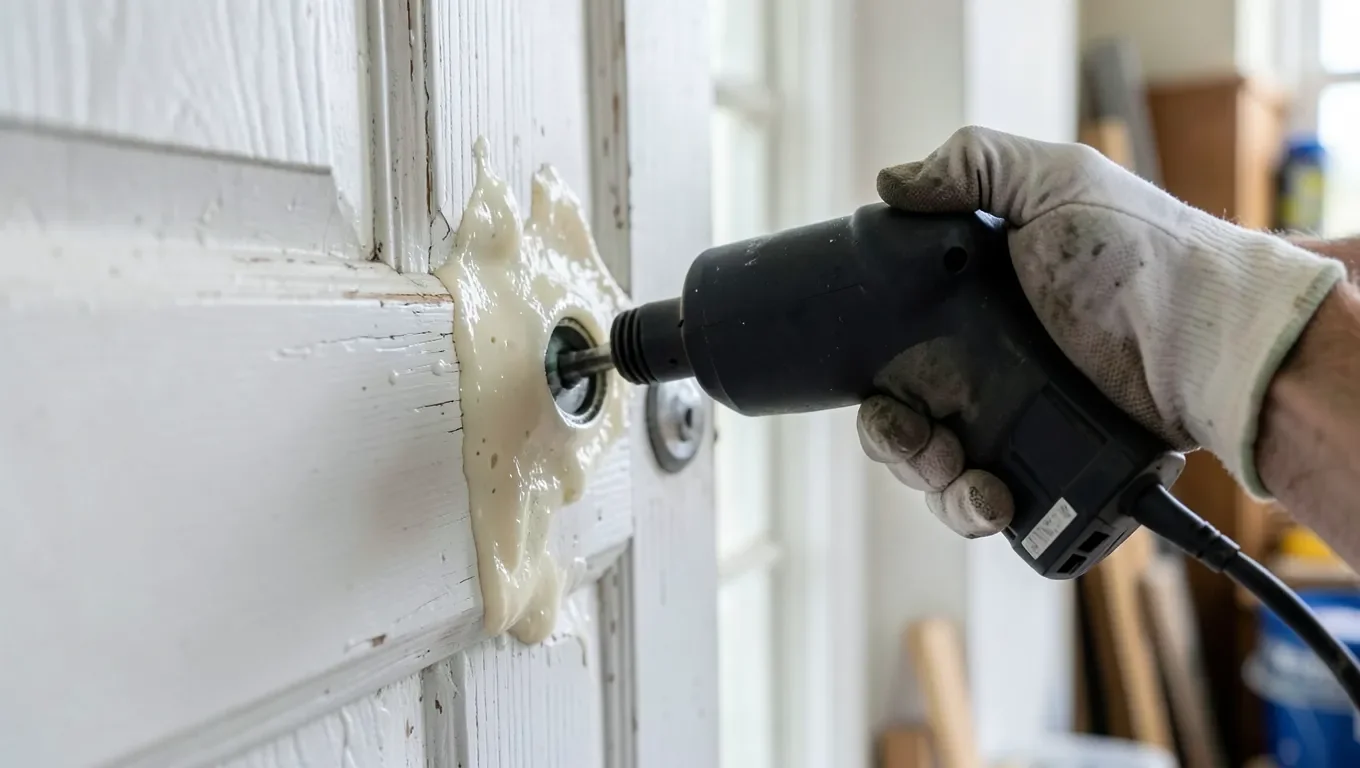
An infrared paint stripper is the fastest low-mess way to strip paint from wood without the fumes of a chemical stripper or the scorch risk of a standard heat gun. A ceramic heating panel warms the paint from beneath the surface until it bubbles and separates from the wood, so you scrape off softened paint in ribbons instead of sanding it away as dust or soaking it in solvent.
This guide walks through exactly how an infrared stripper works, what to buy, and the step-by-step process for a clean, safe job on furniture, doors, and trim. If you’d rather compare all three main stripping methods side by side first, our full comparison of chemical strippers, heat guns, and sanding covers the trade-offs in more depth.
Why an Infrared Stripper Beats Chemicals and Heat Guns
Best Infrared Paint Stripper Pick
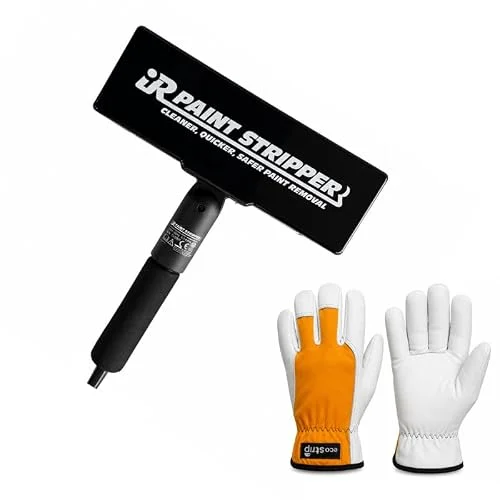 |
Eco-Strip IR Paint Stripper (500W) – $179.99 This is the exact style of ceramic infrared stripper used in the step-by-step process below – it softens layered paint without chemical fumes or scorch marks.
|
Chemical strippers work, but the strongest consumer formulas — anything built around methylene chloride — have been illegal to sell to consumers in the US since a 2019 EPA ban, with full compliance required by May 2025, and most commercial uses are being phased out by April 2026 too. See our breakdown of what’s still legal to buy in 2026 if you’re comparing chemical options. Today’s shelf-legal chemical strippers (NMP-based or soy/citrus-based) are gentler on your lungs but slower, and you still have to neutralize and dispose of the sludge.
A standard heat gun avoids the chemicals but runs 500–1100°F at the nozzle — hot enough to scorch wood, melt window glazing, or, worse, vaporize lead in old paint into an inhalable fume. An infrared panel heats to roughly 400°F and works more like a slow, even radiator than a jet of hot air, which is why it’s the method we reach for on anything with detail, veneer, or an unknown paint history.
How an Infrared Paint Stripper Actually Works
The tool’s ceramic panel radiates infrared heat onto the paint from a few inches away. Because infrared energy penetrates the paint film and heats the bond between the paint and the wood, the layer lifts as a unit — even through several old coats — instead of just softening at the surface the way a hot-air gun does. Hold the panel over a section for 20–40 seconds, then follow behind with a scraper while the paint is still warm and pliable.
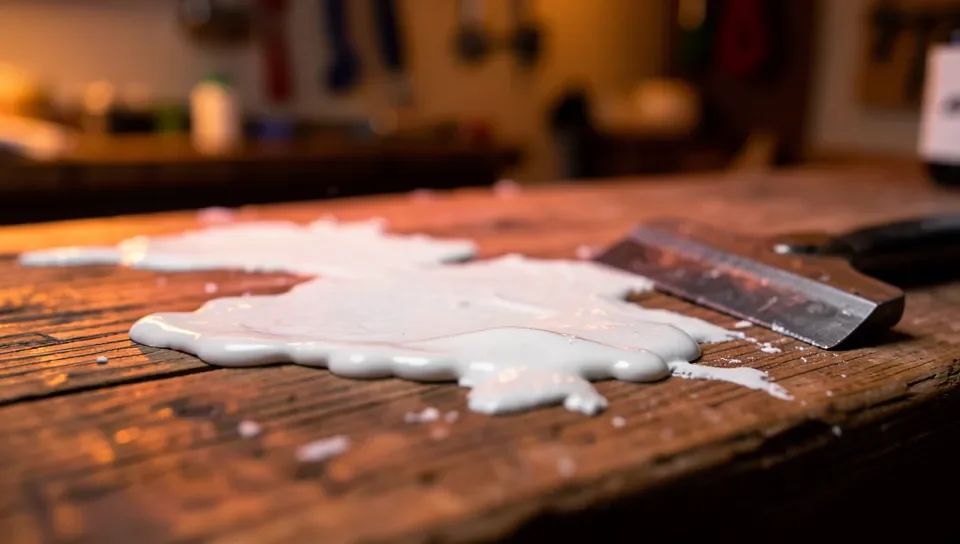
Because there’s no open flame or 1000°F air blast, you get a longer working window before you risk damaging the substrate underneath — useful on furniture veneer, carved trim, and window sashes where a heat gun’s margin for error is thin.
What You’ll Need
- An infrared paint stripper (see the pick above)
- A stiff metal putty knife or dedicated paint scraper
- Heat-resistant gloves (the goatskin type sold with most IR strippers)
- Safety goggles and, if the paint’s age or origin is unknown, a NIOSH-rated respirator rated for lead dust
- A drop cloth or plastic sheeting to catch paint chips
- 120-grit sandpaper or a sanding block for final smoothing
Step-by-Step: Stripping Paint with an Infrared Tool
1. Prep and Contain the Area
Lay down a drop cloth to catch chips — you’ll need to dispose of them as paint waste, not sweep them into the yard. Remove hardware you can unscrew, and mask off anything you don’t want heated, like glass panes or plastic trim.
2. Test a Small Section First
Run the stripper over a hidden corner for 30 seconds and try scraping. This tells you the right dwell time for this particular paint buildup before you commit to the whole piece — thicker, older buildup needs longer exposure than a single modern coat.
3. Heat, Then Scrape
Hold the panel a few inches off the surface, moving slowly rather than holding it in one spot. When the paint starts to bubble, move the tool aside and scrape immediately with the grain — the paint stays workable for only 10–15 seconds once it cools.
4. Work Carved and Detailed Areas by Hand
For moulding profiles, spindles, or carved detail, hold the panel closer and follow up with a stiff-bristle brush or a shaped scraper instead of a flat blade, so you don’t gouge the wood underneath the softened paint.
5. Sand and Clean Up
Once the bulk of the paint is off, a light pass with 120-grit sandpaper removes the last residue and levels the grain. Wipe the surface with a tack cloth before applying any new finish.
6. Let the Wood Rest Before Refinishing
Give bare wood at least 24 hours before staining or sealing. Infrared stripping doesn’t add moisture the way some chemical strippers do, but the wood still needs time to settle after the surface has been heated repeatedly.
Common Problems and Easy Fixes
- Paint won’t bubble: You’re moving too fast, or the panel is held too far away — slow down and hold it 2–3 inches from the surface.
- Paint hardens again before you scrape it: Work in smaller sections so you’re never scraping more than a foot behind the heater.
- Wood looks scorched: True infrared panels rarely scorch wood at normal working distance, but resinous woods like pine can darken slightly — back off the dwell time and sand out any discoloration.
- Paint left in the grain after scraping: Normal on open-grain woods like oak; a brass brush followed by light sanding clears the last of it.
Lead Paint and Ventilation: Read This First
If your home or furniture piece predates 1978, assume the paint contains lead until you test it — a $10 EPA-recognized test swab from a hardware store gives you an answer in minutes. Infrared heating stays well below the roughly 1,100°F point at which lead paint releases the worst fumes, which is a real advantage over an open-flame or very high-heat gun, but the dust and chips it produces are still hazardous and need to be handled as lead waste, not household trash.
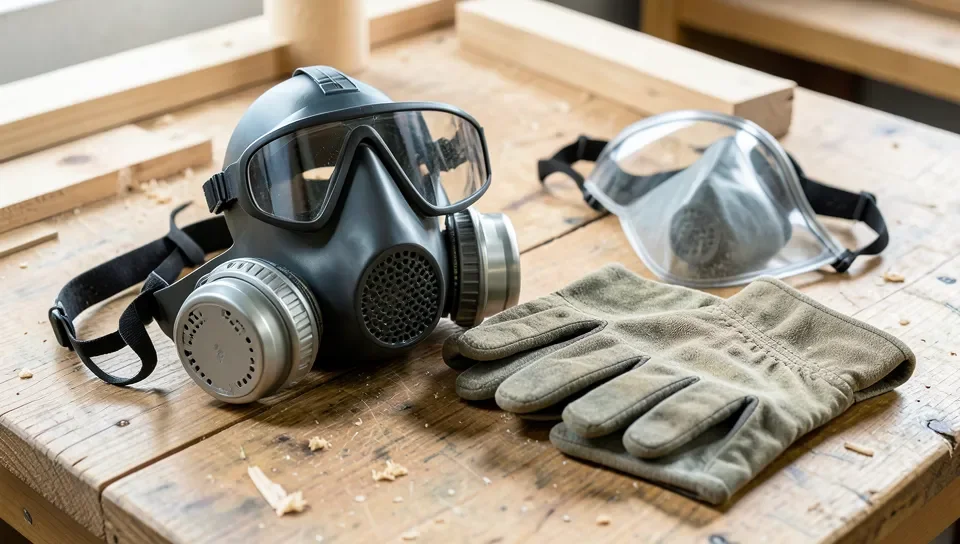
Work with windows open and a box fan exhausting air outward, wear a NIOSH-rated respirator (not just a paper dust mask) whenever lead is a possibility, and keep kids and pets out of the room until you’ve cleaned up. Bag paint chips and used sandpaper separately and check your local hazardous-waste drop-off rules — most municipalities don’t allow lead-contaminated debris in regular curbside trash.
Frequently Asked Questions
Can I use an infrared paint stripper on any wood surface?
Yes, it works on furniture, doors, trim, and siding. Go slower and hold the panel closer on veneer or thin detail work, since there’s less wood underneath to absorb the heat.
Is an infrared stripper really safer than a heat gun?
It runs cooler (roughly 400°F versus 500–1100°F for a heat gun) and heats more evenly, which lowers — but doesn’t eliminate — the risk of scorching wood or releasing lead fumes. You still need the same PPE and ventilation precautions either way.
How do I know if my old paint contains lead?
Any paint applied before 1978 should be treated as lead paint until tested. An EPA-recognized lead test swab, available at most hardware stores, confirms it in about 30 seconds.
What do I do with the paint chips and scrapings?
Sweep or scrape them onto your drop cloth, bag them separately from regular trash, and check your city or county’s hazardous-waste program — many require lead-paint debris to be dropped off rather than curbside collected.
Can I skip stripping and just paint over the old layer?
You can if the existing paint is sound and well-adhered, but peeling, cracked, or alligatored paint will telegraph through and keep failing. Stripping is worth the extra time whenever the old finish is already breaking down.
How long does it take to strip a door with an infrared tool?
Budget 45 minutes to 2 hours for a flat panel door with two or three paint layers, more if it has raised panels or multiple decades of paint buildup.
Are chemical paint strippers still legal to buy?
Methylene chloride-based strippers have been banned for consumer sale in the US since a 2019 EPA rule, fully enforced since May 2025, and most commercial uses are being phased out by April 2026. NMP-based and soy/citrus-based strippers remain legal but work more slowly than the old formulas.
Which Method Is Actually Best for Your Project?
An infrared stripper is our pick for furniture, doors, and detailed trim where fumes and scorch risk matter most. For large flat exterior surfaces where speed matters more than precision, a heat gun or careful sanding can still be the faster call — our side-by-side comparison of chemical, heat gun, and sanding methods walks through when each one wins.
Sponsored / affiliate links. As an Amazon Associate I earn from qualifying purchases. I may earn additional commission from eligible campaigns.