Are Ants a Sign of Termites? Uncover the Truth
Have you ever noticed a trail of ants marching across your floor and wondered if there’s more to it than meets the eye? You might be surprised to learn that ants could be signaling a bigger problem lurking in your home.
Yes, we’re talking about termites. These tiny invaders can cause significant damage to your property before you even realize they’re there. But don’t worry, understanding the connection between ants and termites can empower you to protect your home effectively. Are you curious to find out if those pesky ants are trying to send you a warning?
Dive into this article to uncover the secrets that ants might be revealing about hidden termite infestations in your home. Your peace of mind and your home’s safety could depend on it!
Ants Vs. Termites
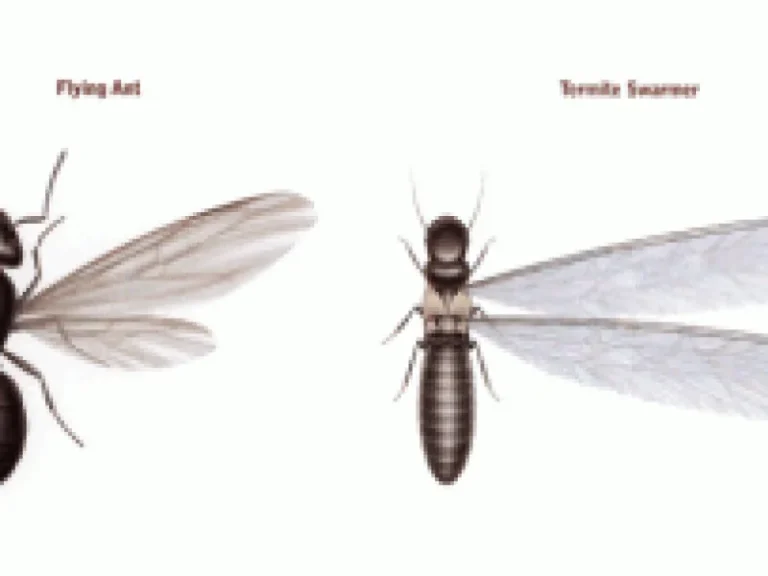
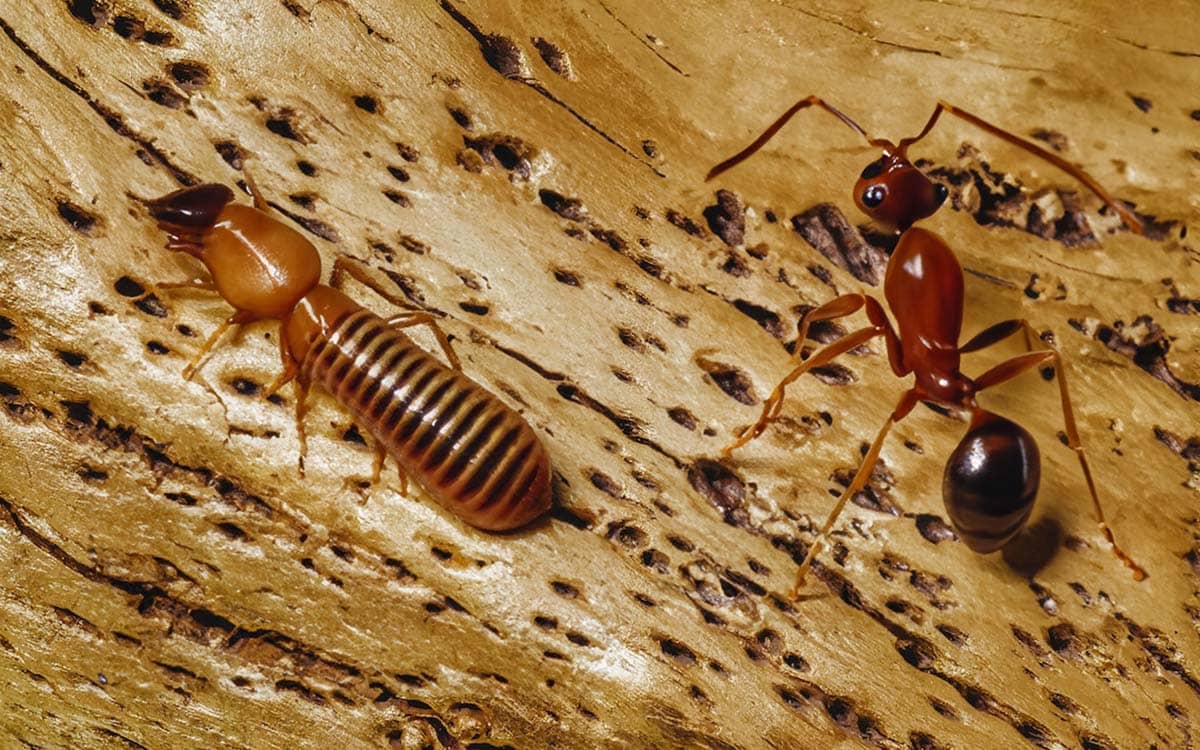
Ants and termites are often confused. Both are small insects, but they look different. Ants have a thin waist and bent antennae. Termites have straight bodies and straight antennae.
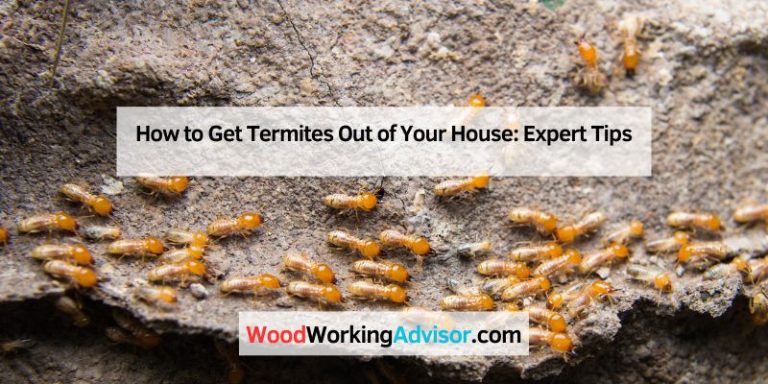
Ants live in hills. Termites build nests inside wood. Ants usually do not eat wood, but termites do. Termites can damage houses by eating wood.
Ants might be near termites. This is because ants eat termites. If you see ants, it does not always mean termites are close. But, it could be a sign.
Check for termites if ants are around. Look for termite droppings or damaged wood. These signs mean termites might be there. It is important to find out soon.

Credit: activepestcontrol.com
Identifying Ants
Ants have three body parts: head, thorax, and abdomen. They are small and usually dark in color. Ants have elbowed antennae. This helps them sense things. Their legs are slim and fast-moving. Ants are known for their strength. They can carry heavy loads compared to their size.
Carpenter ants are big and black. They like wood. Odorous ants are small and brown. They smell like rotten coconut. Pharaoh ants are tiny and yellow. They like warm places. Argentine ants are medium-sized and dark. They form big colonies.
Identifying Termites
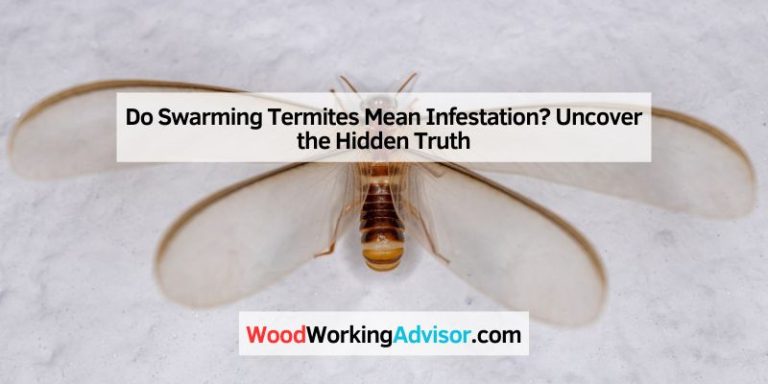
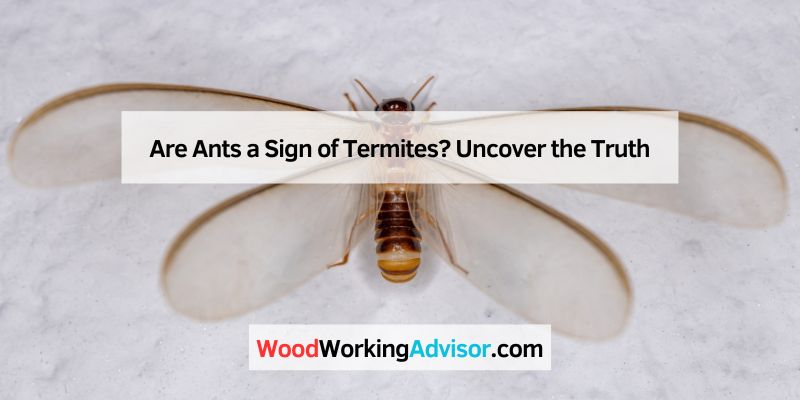
Termites have soft bodies with straight antennae. Their wings are equal in size. They are often found in large groups. The color is usually white or light brown. Some termites are wingless, looking similar to ants.
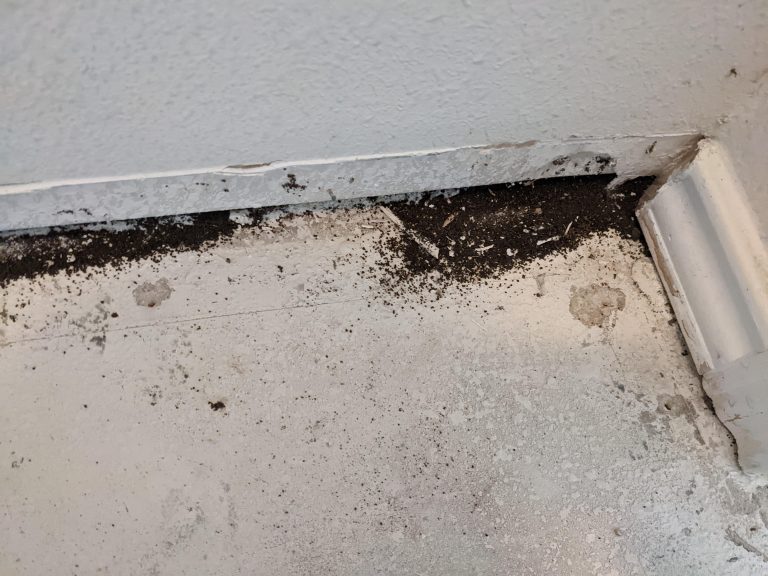
Termites leave behind mud tubes on walls. These tubes protect them while they travel. You might see small holes in wood surfaces. Wood may sound hollow when tapped. Termites might also leave frass, which looks like sawdust. This is their droppings. These are key signs of their presence.
Behavioral Differences
Ants and termites have different feeding habits. Ants like sweet foods. They also eat other insects. Termites eat wood. They love cellulose found in plants. This makes them a danger to wooden structures. Ants do not eat wood. They search for food above the ground. Termites often stay hidden in wood or soil. This makes it hard to see them.
Ant colonies have many members. They work together as a team. There are workers, queens, and soldiers. Termite colonies also have workers, queens, and soldiers. But, termite colonies are often much larger. Termites build tunnels in the ground. Ants build nests above ground or in soil. This difference in nesting shows their unique colony style.
Why Ants Might Indicate Termites
Ants and termites often live in the same places. Both like moist and dark areas. They seek shelter in walls and under floors. Ants might be there because termites are also there. Termites make wood weak. This attracts ants looking for easy food. Ants might follow the path of termites. They find spots where termites have damaged wood.
Wood is a favorite for both ants and termites. Termites eat wood. Ants might look for termites as food. Termites make tunnels in wood. This creates pathways for ants. Damaged wood holds more moisture. Ants prefer places with lots of water. If you see ants, it might mean termites are near. They share similar living needs. Watch for both pests together.
:max_bytes(150000):strip_icc()/difference-between-ants-and-termites-2656329-color-V1-e435cccc1808445bb51cb080d5e8d2ed.png)
Credit: www.thespruce.com
Preventing Infestations
Keep your home clean to avoid pests. Fix leaks to stop moisture. Ants and termites love damp places. Seal cracks in walls or floors. This keeps ants and termites out. Store food in airtight containers. Ants can find even tiny crumbs. Trim trees and bushes near your home. They can be a bridge for ants and termites.
Call experts for serious infestations. They know how to handle pests. Regular inspections can stop problems early. Experts use safe methods for your home. They know about ants and termites. They can find hidden nests. Professionals help protect your home. It is a good investment for peace of mind.
When To Call A Professional
Piles of wings near windows or doors can mean termite trouble. Termites shed their wings after finding a new home. Mud tubes on walls or beams are another sign. Termites use these to travel safely. Hollow-sounding wood is a big warning too. Tap on wooden surfaces. If they sound empty, termites might be inside. Bubbling paint or uneven floors can also be clues.
Finding ants around your home can be a concern. Sometimes, ants follow termites. This happens when both look for food or shelter. Ants in large numbers might mean termites are nearby. Check for any damaged wood. Ants and termites can cause harm to wood. Inspecting these signs early helps protect your home.
Credit: www.officialpestprevention.com
Frequently Asked Questions
What Is The First Sign Of Termites?
Mud tubes on walls or foundations often indicate termite presence. Small holes in wood are another early sign. Droppings resembling sawdust or discarded wings near windows suggest an infestation. Listen for quiet clicking sounds inside walls, which can also signal termite activity.
Promptly address these signs to prevent damage.
Why Do I Suddenly Have Black Ants?
Black ants may invade your home seeking food, water, or shelter. They often enter through small cracks. Keeping areas clean and sealing entry points can help prevent infestations. Moisture problems or food crumbs attract them. Regularly inspect and maintain your home to avoid recurring issues.
How Do You Tell If You Have Termites In Your Walls?
Check for hollow-sounding walls, visible termite droppings, and discarded wings. Look for mud tubes or damaged wood. Listen for faint clicking sounds inside walls. Spot small holes and blistered paint as signs of termite infestation. Regular inspections help detect termites early.
What Are Ants A Sign Of?
Ants often indicate food sources or moisture problems in your home. They may signal poor sanitation or structural issues. Addressing these can help prevent infestations and maintain a clean environment. Regular checks and prompt action can effectively manage ant presence.
Conclusion
Ants in your home can be a warning sign of termites. Termites and ants often live in similar environments. Both insects thrive in damp, wooden areas. Spotting ants might mean inspecting for termites is wise. Addressing ants quickly helps prevent further damage.
Hire a professional if unsure about termite presence. They can assess and treat effectively. Early detection saves you time and money. Keep your home safe by being proactive. Regular checks help maintain a pest-free environment. Always stay vigilant and aware of any signs.
Your home’s health depends on it.