How to Treat Wood for Termites Safely: Borate vs Pro Treatment
You can safely treat exposed, bare wood yourself with a borate wood preservative (the same active ingredient pest control companies use) for prevention or a small, confirmed, localized problem. An active or suspected subterranean termite infestation, or anything beyond a small isolated spot of drywood termite damage, needs a licensed pest control professional – not because DIY products don’t exist, but because the treatments that actually reach a hidden colony (soil-applied termiticide barriers, bait systems, structural fumigation) require training, equipment, and in most states a pesticide applicator license to apply legally and safely.
This guide focuses on that safety line – what you can reasonably and legally do yourself, what borate treatment actually is and isn’t, and where DIY effort stops being useful and starts being risky. For a broader rundown of every substance and method that kills termites, including orange oil and diatomaceous earth, see our companion guide on what kills termites in wood.
Identify What You’re Dealing With First
The DIY-Safe Standard: Borate Wood Treatment
 |
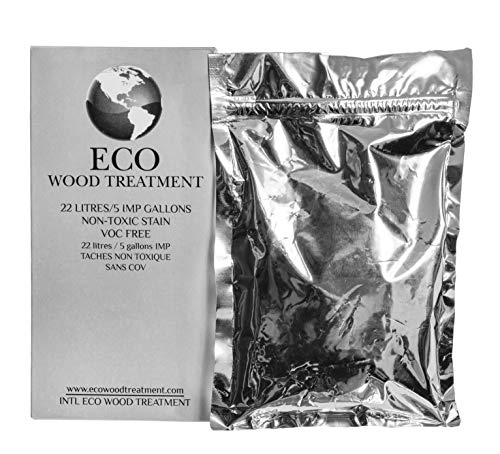
Tim-bor Professional Borate Insecticide – $19.99 The same disodium octaborate tetrahydrate active ingredient professionals use for wood protection, sold as an EPA-registered product for homeowner use.
|
Subterranean termites live in the soil and travel to wood through pencil-wide mud tubes along foundations, walls, and crawl spaces; they’re the most common and most destructive type in the U.S. and almost always require professional treatment because their colonies are underground and largely invisible. Drywood termites live entirely inside the wood itself, need no soil contact, and leave behind small, hard, six-sided fecal pellets called frass – they’re the type most likely to be manageable with a localized DIY treatment if the infestation is small and confirmed. Dampwood termites need consistently wet, often already-decaying wood and are most common in the Pacific Northwest and Gulf Coast; fixing the moisture source usually matters as much as any treatment.
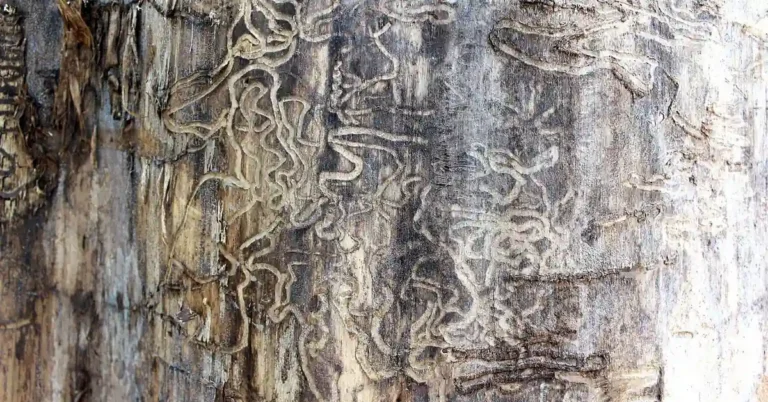
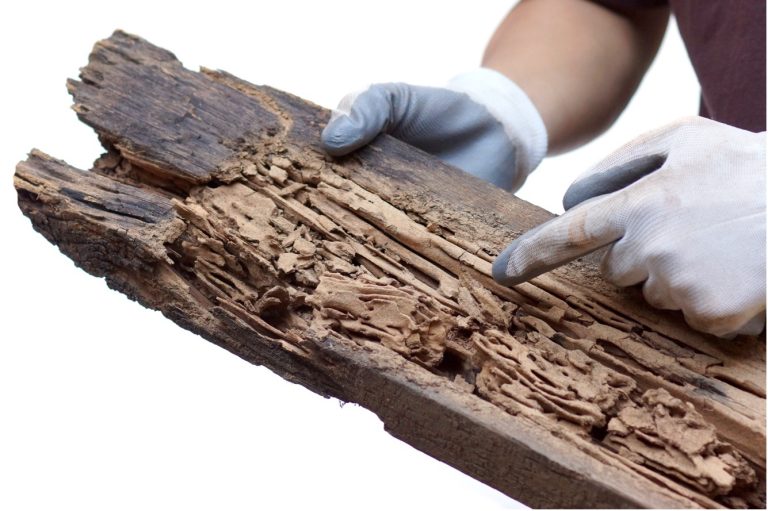
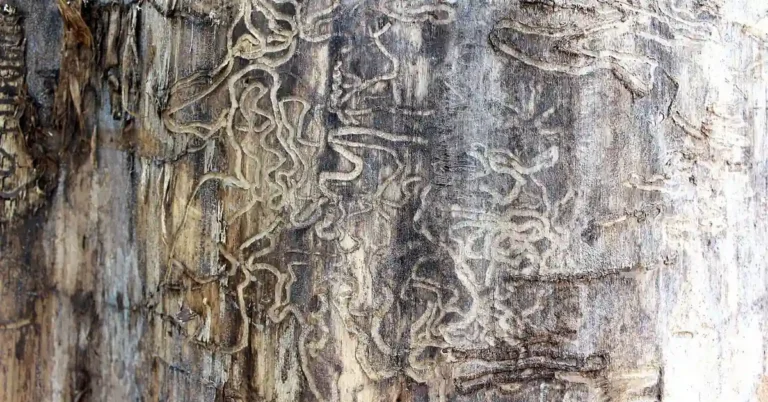
Other signs worth checking for regardless of type: wood that sounds hollow or papery when tapped, visible tunnels or galleries following the wood grain, and discarded wings near windows or doors after a swarm. If you can’t confidently tell which type you have, or how far it’s spread, that uncertainty itself is a reason to get a professional inspection rather than guess and treat.
What Borate Treatment Actually Does (And Doesn’t Do)
Borate is a mineral salt (disodium octaborate tetrahydrate) that’s toxic to termites and wood-decay fungi but has relatively low toxicity to people and pets compared to most pesticides – it’s genuinely one of the more homeowner-appropriate termiticide options that exists. Mixed with water and sprayed, brushed, or injected into bare wood, it penetrates the fibers and stays effective as long as the wood stays reasonably dry.
Its real limits matter as much as its benefits. It only works on unfinished wood; paint, stain, and sealers block it from absorbing. It’s water-soluble, so wood that gets soaked repeatedly can have the borate leach back out over time – it’s not a permanent, one-time fix for wood that stays wet or has ground contact without other protection. And critically, brushing borate onto a few accessible boards does not reach a subterranean colony living in the soil under your foundation; it protects the wood you actually apply it to, not the whole structure. Always follow the specific product label’s mixing ratio and application instructions exactly – the label is a legal document, not a suggestion, for any EPA-registered pesticide.
What’s Reasonable To Do Yourself
- Preventive treatment on new or exposed framing: Brushing or spraying borate on bare crawl space joists, sill plates, or new construction lumber before it’s covered is a legitimate, low-risk DIY task.
- A small, confirmed, localized spot: A single piece of furniture or an isolated section of accessible drywood termite damage can sometimes be treated by drilling small holes into the galleries and injecting a labeled borate solution, following the product’s exact instructions.
- Moisture and prevention work: Fixing leaks, improving crawl space and attic ventilation, keeping mulch and wood debris away from the foundation, and eliminating wood-to-soil contact are all safe, effective, entirely DIY-appropriate steps that reduce risk regardless of what treatment method you use.
Where DIY Stops And A Professional Is The Right Call
Call a licensed pest control professional if you have confirmed or suspected subterranean termites anywhere in the structure – their colonies are underground, often extensive, and a store-bought spot treatment essentially never resolves them. The two treatments that actually work against an established colony – a continuous soil-applied liquid termiticide barrier around the foundation, and in-ground bait station systems that are monitored and serviced over time – both require professional-grade product access, training, and in most states a pesticide applicator license; the liquid termiticides used for full barrier treatments are typically restricted-use products that aren’t legally sold to homeowners for that application.
The same applies to whole-structure fumigation for a widespread drywood termite problem: it involves tenting the entire home and releasing a lethal gas that penetrates every stud and rafter, a process with real safety protocols around occupant evacuation, sealing, and clearance testing before anyone re-enters. This is licensed-professional work only, not a DIY project under any circumstances. If you’re uncertain about the species, the extent of damage, or whether a spot treatment is enough, that uncertainty is itself the signal to get a professional inspection – many pest control companies offer them free, and a termite inspection or clearance letter from a licensed inspector is also typically required for real estate transactions regardless of what treatment you’ve already done yourself.
A Few Things Not To Do
Never use a pesticide product in a way that isn’t listed on its label – that’s not just a safety guideline, it’s illegal under federal pesticide law (FIFRA), and it’s also frequently ineffective, since off-label use often means the wrong concentration or application method for the target pest. General household insecticides labeled for ants or roaches aren’t formulated or tested for termite colonies and shouldn’t be substituted in. And never attempt a DIY version of soil trenching with concentrated termiticide or anything resembling fumigation – both involve chemical volumes, equipment, and safety protocols that go well beyond homeowner-appropriate.
Prevention Matters As Much As Treatment
Eliminate wood-to-soil contact wherever you find it – siding, trim, or structural wood touching bare earth is a direct entry point that bypasses most treatments. Keep firewood, lumber, and wood debris elevated and away from the foundation. Fix leaks and improve drainage and ventilation so crawl spaces and attics don’t stay damp. Keep mulch pulled back several inches from the foundation, since it holds moisture and can feed dampwood and subterranean termites alike. Schedule an annual termite inspection, professional or DIY, so a small problem gets caught while a borate treatment or spot repair is still enough – before it becomes the kind of problem only a professional can fix.
Frequently Asked Questions
How Can I Tell If I Have Termites?
Look for mud tubes along foundations (subterranean termites), small six-sided frass pellets near wood (drywood termites), wood that sounds hollow when tapped, and discarded wings near windows and doors after a seasonal swarm, most often in spring. Any one of these is worth a closer inspection rather than assuming it’s something else.
What’s The Difference Between Subterranean And Drywood Termites?
Subterranean termites live in the soil and travel to wood through mud tubes, and their colonies are large and mostly hidden underground, which is why they almost always need professional treatment. Drywood termites live entirely inside the wood with no soil contact, leave visible frass, and typically form smaller colonies – making them the type most likely to respond to a small, well-targeted DIY spot treatment.
Are Termite Treatments Safe For My Family And Pets?
Borate wood treatments have relatively low mammalian toxicity compared to most pesticides, but still require gloves, eye protection, and following the label’s drying and re-entry guidance exactly. Professional soil termiticide and fumigation treatments have their own specific label-required clearance and re-entry times that a licensed applicator will walk you through – those timelines exist for a real safety reason and shouldn’t be shortened.
Can I Treat Termites Myself, Or Do I Need A Professional?
You can reasonably treat bare, exposed wood preventively or handle a small, confirmed, localized drywood termite spot yourself with a labeled borate product. Any suspected or confirmed subterranean termite activity, a widespread infestation, or uncertainty about what you’re dealing with is a professional job – the treatments that actually reach a hidden colony require licensed application.
How Often Should I Have My House Inspected For Termites?
Once a year is the standard recommendation, and it’s worth doing even if you handle basic prevention yourself. Annual inspections are what catch a small, DIY-treatable problem before it grows into one that needs a full professional treatment.
Final Thoughts
The safest approach to termites in wood isn’t the most aggressive one – it’s matching the treatment to what’s actually in front of you. Borate handles prevention and small, confirmed problems on accessible wood well and safely. Anything involving a hidden colony, a large infestation, or whole-structure treatment belongs with a licensed professional, both for your home’s sake and because those treatments require training and licensing to apply correctly in the first place.
Sponsored / affiliate links. As an Amazon Associate I earn from qualifying purchases. I may earn additional commission from eligible campaigns.