Are Maple Cabinets Expensive? The Essential Truth
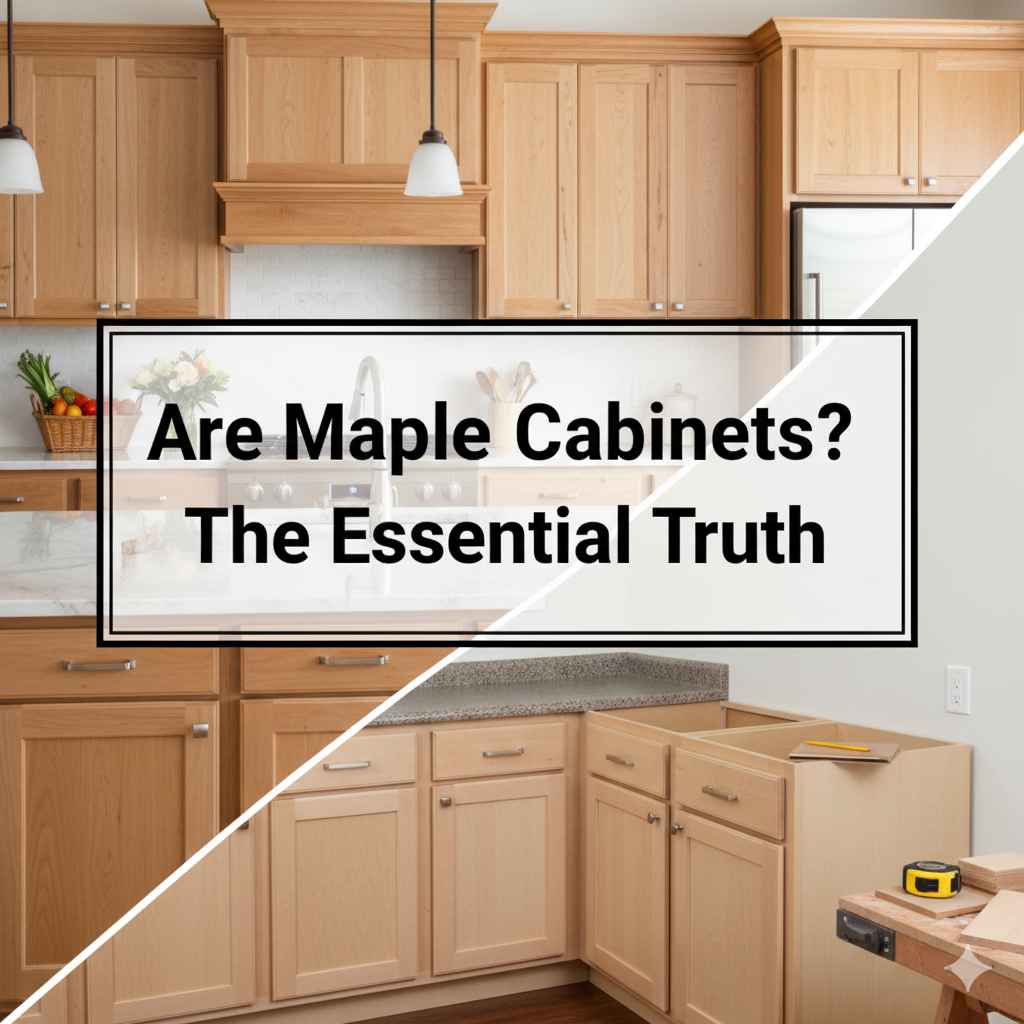
Maple cabinets are a fantastic choice for many kitchens! While they aren’t the cheapest option, their durability, beautiful grain, and ability to take finishes make them a worthwhile investment for a kitchen that lasts. You get a lot of value for your money.
Planning new kitchen cabinets can feel like a big project, especially when you’re trying to figure out costs. Many homeowners wonder about different wood types, and maple often comes up. You might be asking yourself, “Are maple cabinets expensive?” It’s a common question, and the answer isn’t a simple yes or no. Maple offers a great balance of quality and price, and understanding its value can help you make the best decision for your kitchen and your wallet. Let’s break down what makes maple cabinets a popular choice and what influences their cost.
Understanding Maple Wood
Maple is a hardwood known for its strength, durability, and fine, even grain. This makes it a top choice for cabinetry because it holds up well to daily use and resists dents and scratches better than softer woods.
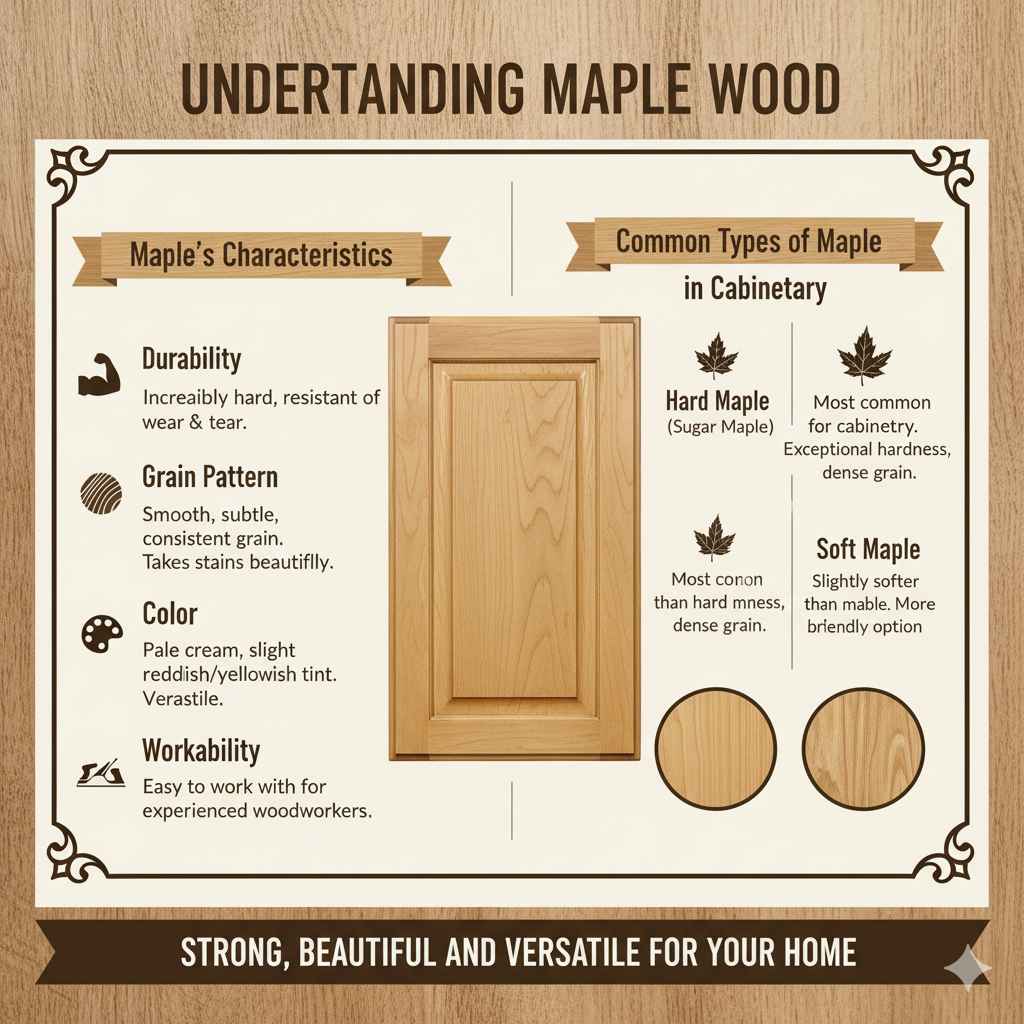
Maple’s Characteristics
Durability: Maple is incredibly hard, ranking high on the Janka hardness scale. This means it’s very resistant to wear and tear.
Grain Pattern: It typically has a smooth, subtle, and consistent grain. This allows for a clean, modern look, especially when painted. It can also take stains beautifully, revealing beautiful patterns.
Color: Natural maple is usually a pale cream color, sometimes with a slight reddish or yellowish tint. Its light color makes it versatile for various kitchen styles and paint colors.
Workability: While hard, maple is generally easy to work with for experienced woodworkers. It planes, sands, and finishes well.
Common Types of Maple in Cabinetry
When you’re looking at cabinets, you’ll often see two main types of maple:
Hard Maple (Sugar Maple): This is the most common type used in cabinetry. It’s known for its exceptional hardness and dense grain.
Soft Maple: This term actually refers to several species of maple that are slightly softer than hard maple, though still considered a hardwood. It’s often a bit more budget-friendly.
What Determines Cabinet Cost?
The price of any cabinet, including maple, isn’t just about the wood type. Several factors play a role:
Construction Methods
Solid Wood vs. Plywood: High-quality cabinets often use solid maple for doors and drawer fronts. The cabinet boxes (carcasses) are frequently made from furniture-grade plywood for stability. Cheaper options might use particleboard or MDF, which are less durable.
Joinery: How the cabinet pieces are put together matters. Dovetail joints for drawers, for example, are a sign of quality construction and can add to the cost.
Style and Design
Door Style: Simple shaker doors are usually less expensive than more elaborate raised-panel or custom-designed doors.
Finish: Solid paint colors are often standard, while custom glazes, stains, or multi-step finishing processes can increase the price.
Brand and Retailer
Manufacturer: Different cabinet brands have different price points based on their reputation, quality control, and production scale.
Where You Buy: Buying from a big-box store might be different in price than a local custom cabinet maker or a specialized kitchen design showroom.
Features and Hardware
Soft-close hinges and drawer glides: These convenient features add to the cost but offer a premium experience.
Cabinet hardware: The knobs and pulls you choose can significantly impact the final price.
Are Maple Cabinets Expensive Compared to Other Woods?
To truly answer if maple cabinets are expensive, we need to compare them to other popular cabinet materials. Here’s a look at how maple stacks up:
Maple vs. Oak
Oak is a very popular and durable hardwood, often known for its prominent grain pattern.
Cost: Oak can sometimes be slightly less expensive than maple, especially natural white or red oak. However, prices can vary greatly depending on the cut and grade of the wood.
Appearance: Oak has a more pronounced, open grain than maple, which can give it a more traditional or rustic feel. Maple offers a smoother, more contemporary look.
Durability: Both are very durable hardwoods, with maple generally being a bit harder.
Maple vs. Cherry
Cherry wood is prized for its rich color and elegant grain, which darkens beautifully with age.
Cost: Cherry is typically more expensive than maple. Its rich color and the way it ages gracefully contribute to its higher price.
Appearance: Cherry has a warmer, redder tone than maple and a more varied, sometimes wavy grain. It slowly darkens over time, developing a deep, lustrous patina.
Durability: Both are durable, but maple is generally harder and less prone to denting.
Maple vs. Birch
Birch is often seen as a close cousin to maple, with similar properties.
Cost: Birch is usually a bit more affordable than maple. It’s a great budget-friendly alternative if you like the smooth grain of maple.
Appearance: Birch has a fine, smooth grain similar to maple but can often have more color variation, ranging from creamy white to reddish-brown, sometimes with small knot clusters.
Durability: Birch is also a hard and durable wood, though typically not as hard as hard maple.
Maple vs. Knotty Pine or Poplar
These woods are generally on the more affordable end of the spectrum.
Cost: Pine and poplar are significantly less expensive than maple.
Appearance: Knotty pine has a very rustic look with many knots and a prominent grain. Poplar has a smoother grain but is softer and often has greenish or purplish streaks. It’s an excellent wood for painting.
Durability: Pine and poplar are much softer than maple and more prone to dents and scratches.
Maple vs. Engineered Materials (MDF and Particleboard)
Engineered wood products like Medium-Density Fiberboard (MDF) and particleboard are often used in budget cabinet constructions. Solid maple is a premium choice compared to these.
Cost: MDF and particleboard are considerably cheaper than solid maple.
Appearance: These materials can mimic wood grain when covered with laminate or veneer, but they don’t have the natural beauty of real wood.
Durability: They are much less durable than solid maple and are susceptible to moisture damage and chipping.
The Value Proposition of Maple Cabinets
So, when we ask, “Are maple cabinets expensive?” it’s crucial to consider the value they bring. Maple cabinets are not typically the cheapest option available, but they offer exceptional value for money.
Here’s why:
Longevity: Their durability means they will likely last longer than cabinets made from softer woods or engineered materials, potentially saving you money on replacement costs down the line.
Timeless Appeal: Maple’s smooth, consistent grain and neutral color make it a versatile choice that can adapt to changing design trends. It doesn’t go out of style as quickly as trendier materials might.
Finish Versatility: Whether you want a natural look, a stained finish, or a painted kitchen, maple takes finishes exceptionally well, providing a beautiful canvas for your design. This allows for greater customization compared to woods with very strong grain patterns.
Resale Value: A well-made kitchen with durable, attractive cabinetry can increase the resale value of your home. Maple cabinets are a strong selling point for potential buyers.
How to Get Maple Cabinets Without Breaking the Bank
If you love the idea of maple but are concerned about the cost, there are smart ways to incorporate them into your budget:
Using a table to compare different levels of cabinetry can be helpful:
| Cabinet Type | Typical Material | Estimated Price Range (per linear foot) | Pros | Cons |
|---|---|---|---|---|
| Economy/Stock | Particleboard, MDF, sometimes Poplar or lower grades of Birch. Limited finishes. | $100 – $300 | Most affordable. Widely available. | Less durable, susceptible to moisture, limited style options. |
| Mid-Range | Plywood boxes, Solid Maple or Birch fronts, good quality finishes. Shaker or similar styles. | $300 – $700 | Good balance of quality and price. Durable hardwood fronts. Versatile styles. Excellent for painting. | Can still be more expensive than budget options. Complex custom designs add cost. |
| Semi-Custom | High-quality plywood construction, Maple or other premium hardwoods (Cherry, Walnut). Wide range of styles, finishes, and features (soft-close). | $700 – $1500+ | Higher quality materials, more design flexibility, premium features. | Significant investment. |
| Custom/Luxury | Solid wood construction, exotic woods, intricate details, personalized designs. | $1500++ | Ultimate in quality, design, and personalization. | Highest cost. |
Consider Maple for Specific Elements
You don’t have to commit to an all-maple kitchen. Consider using maple for:
Doors and Drawer Fronts: These are the most visible parts. You could pair them with more budget-friendly plywood or even MDF for the cabinet boxes.
Painted Cabinets: Maple offers a beautiful, smooth surface for painted finishes. If you’re leaning towards a painted look, maple is an excellent, durable choice and often takes paint more evenly than woods with coarser grains.
Look for Sales and Promotions
Keep an eye out for seasonal sales at big-box stores, showrooms, or online retailers. Many manufacturers offer discounts throughout the year.
Explore Different Finishes
While premium stains or glazes can add to the cost, a simple clear coat or a solid paint color on maple can be very attractive and more affordable.
Compare Quotes from Multiple Suppliers
Get pricing from different cabinet companies, local woodworkers, and online retailers. Prices can vary significantly for the same quality of product.
Buy in Bulk or for a Whole Kitchen
Sometimes, purchasing all your cabinet needs at once can lead to better pricing or package deals compared to buying individual pieces or smaller batches.
Making the Final Decision
When deciding if maple cabinets are the right choice for your kitchen, think about:
Your Budget: Be realistic about what you can spend. Maple is a mid-to-high range material, so if your budget is extremely tight, you might need to explore alternatives like painted poplar or birch.
Your Style: Do you prefer a modern, sleek look or something more rustic? Maple excels in modern and transitional styles.
Your Lifestyle: If you have a busy household with kids and pets, the durability of maple is a huge advantage. It resists wear and tear exceptionally well, meaning your cabinets will look great for years to come.
Longevity: Are you looking for a quick fix or a long-term investment? Maple cabinets are an investment due to their durability and timeless appearance.
Expert Tips for Choosing Maple Cabinets
As Md Meraj, your woodworking mentor, I always advise my DIYers to consider these points:
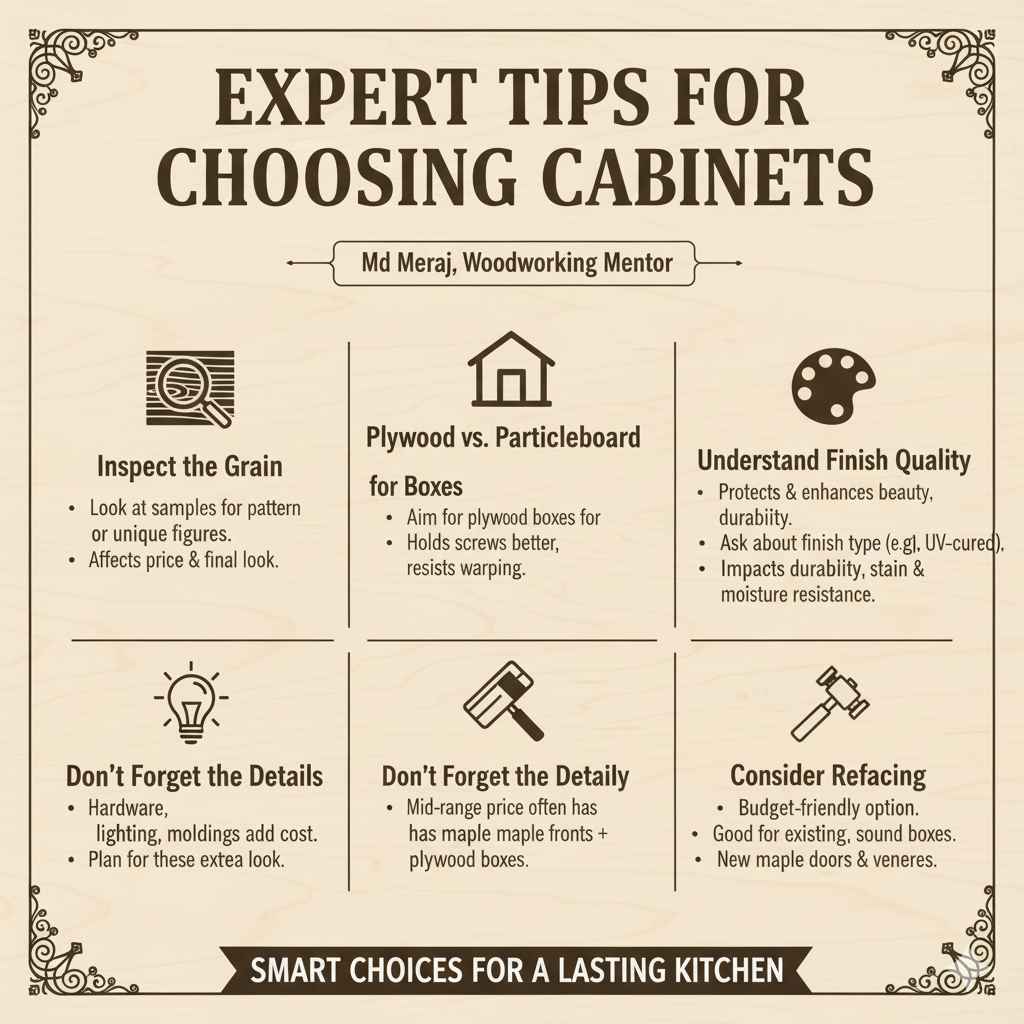
Inspect the Grain: Even within maple, there can be slight variations. If you’re buying unfinished wood or want a natural stain, look at samples to ensure you like the grain pattern. Some maple can have “bird’s eye” figuring or other unique patterns, which can be beautiful but also affect price.
Ask About Plywood vs. Particleboard for Boxes: For a durable kitchen, aim for plywood cabinet boxes. They hold screws better and are less prone to warping or sagging over time. You can often find cabinets with maple fronts and plywood boxes in the mid-range price bracket. Learn more about cabinet box construction from resources like the Woodworking Network.
Understand Finish Quality: A good finish protects your cabinets and enhances their beauty. Ask about the type of finish used (e.g., UV-cured lacquer, catalyzed conversion varnish) as it impacts durability and resistance to stains and moisture.
Don’t Forget the Details: Hardware, under-cabinet lighting, and decorative moldings can add to the overall look and cost. Plan for these extras.
Consider Refacing: If you already have cabinet boxes in good condition, refacing with maple veneers or solid maple doors can be a more budget-friendly way to achieve the look of new maple cabinets.
Conclusion: The Essential Truth About Maple Cabinets
So, are maple cabinets expensive? The essential truth is that maple cabinets are a premium choice that offers excellent value for their cost. They sit in a comfortable middle-to-upper tier of wood cabinet options, priced above more budget-friendly woods like poplar or birch, but generally below exotic woods or highly figured hardwoods.
What you’re paying for is exceptional durability, a smooth and versatile aesthetic that suits many kitchen styles, and a finish that will last. For homeowners looking for cabinetry that is both beautiful and built to withstand the rigors of daily life, maple presents a compelling case. It’s an investment in your kitchen’s longevity and attractiveness. By understanding the factors that influence cost and exploring smart purchasing strategies, you can absolutely find beautiful maple cabinets that fit your budget and elevate your home for years to come.
Frequently Asked Questions
Are Maple Cabinets Water-Resistant?
Maple is a dense hardwood, making it naturally more resistant to moisture than softer woods. However, no wood cabinet is completely waterproof. Proper sealing and immediate cleanup of spills are always recommended to ensure longevity, especially in kitchen environments prone to splashes.
Can You Paint Maple Cabinets?
Absolutely! Maple is one of the best woods for painting because of its smooth, fine grain. It provides a very smooth, even surface when painted, giving a professional and durable finish. It’s often preferred over woods like oak or pine for painted applications.
How Long Do Maple Cabinets Last?
With proper care and maintenance, maple cabinets can last for decades – often 25 to 50 years or even longer. Their inherent hardness and resistance to wear and tear contribute significantly to their lifespan, making them a wise long-term investment for your kitchen.
What is the Difference Between Hard Maple and Soft Maple Cabinets?
Hard maple (like Sugar Maple) is denser, harder, and stronger than soft maple. It typically has a more uniform color and finer grain. Soft maple is still a durable hardwood but is slightly less dense and may have more color variation. Hard maple is generally preferred for its superior durability and consistent appearance, though soft maple can be a more budget-friendly option.
Are Maple Cabinets Good for Modern Kitchens?
Yes, maple cabinets are an excellent choice for modern kitchens. Their smooth, subtle grain and pale color make them ideal for achieving a clean, minimalist, or contemporary look. They pair beautifully with sleek hardware and a variety of countertop materials.