Are MDF Cabinets Toxic? Uncovering the Hidden Truth
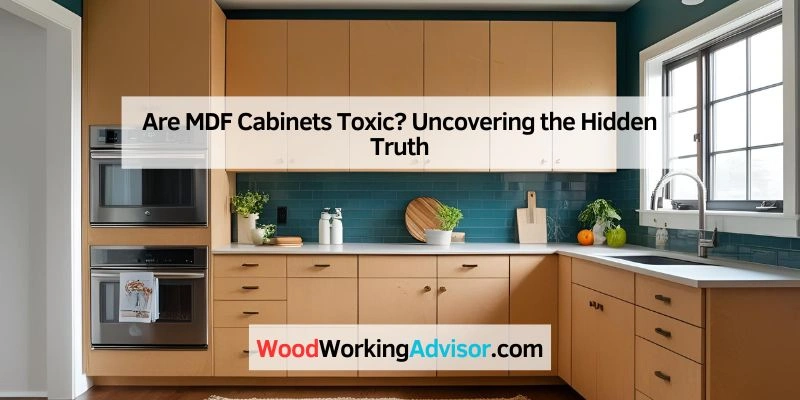
No, MDF cabinets are not inherently toxic. However, they can emit harmful chemicals if not properly sealed.
Medium-density fiberboard (MDF) is a common material in modern cabinetry. It’s made from wood fibers, resin, and wax. These cabinets are affordable and versatile. But concerns about their safety arise due to the chemicals used in their production. Formaldehyde, a substance found in some MDF, can release gases over time.
This off-gassing can affect indoor air quality. Understanding the risks and how to minimize them can help you make informed decisions. In this blog post, we’ll explore the potential hazards of MDF cabinets and how to ensure they are safe for your home.
Introduction To MDF Cabinets
When it comes to choosing cabinets for your kitchen or bathroom, there are numerous materials to consider. One popular option is MDF, which stands for Medium Density Fiberboard. But, you might be wondering, are MDF cabinets toxic? Let’s dive into what MDF is, its common uses, and whether it’s a safe choice for your home.
What Is MDF?
MDF, or Medium Density Fiberboard, is an engineered wood product. It is made by breaking down hardwood or softwood residuals into wood fibers. These fibers are then combined with wax and a resin binder and formed into panels by applying high temperature and pressure.
Unlike natural wood, MDF does not have a grain. This means it’s smooth and easy to paint. It’s also more affordable than solid wood, which makes it a popular choice for budget-conscious homeowners.
Common Uses Of MDF
MDF is quite versatile and can be used in various applications around the home. Here are some common uses:
- Cabinetry: MDF is frequently used for kitchen and bathroom cabinets because it’s smooth and can be easily painted.
- Furniture: Many pieces of flat-pack furniture are made from MDF. It’s sturdy and holds up well to everyday use.
- Doors: Interior doors are often made from MDF. They are durable and can be molded into different designs.
- Paneling: MDF is also used for wall paneling and wainscoting. It provides a clean, smooth surface that can be painted to match any decor.
So, while MDF is a common choice for many household items, it’s important to understand its composition and whether it poses any health risks. In our next sections, we will explore the safety concerns associated with MDF and its potential toxicity.
Components Of MDF
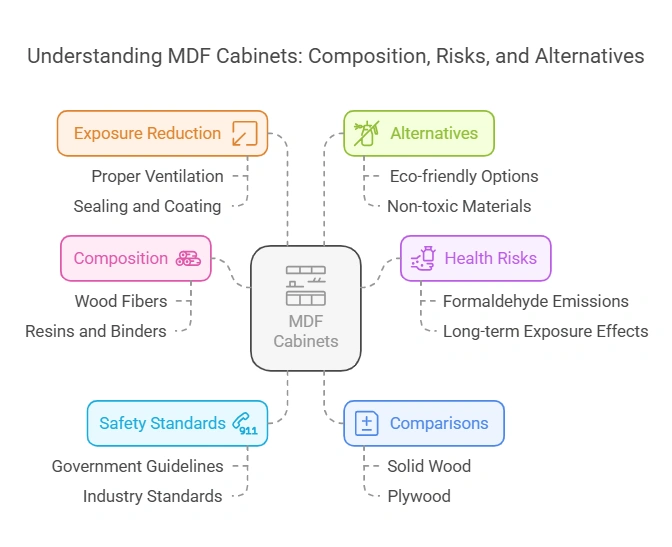
Many wonder if MDF (Medium Density Fiberboard) cabinets are safe for their homes. To answer this, it’s important to understand what MDF is made of. Let’s dive into the components of MDF, examining the materials that make it up.
Wood Fibers
MDF is primarily made from wood fibers. These fibers come from both hardwood and softwood. Imagine the tiny pieces of wood that are left after other wood products are made. Instead of wasting these small pieces, they are collected to create MDF. It’s like giving wood a second life!
These fibers are broken down into very fine particles, which makes MDF smooth and consistent. This smoothness is why MDF is so popular for making cabinets and furniture. But, does this mean it’s safe? Well, let’s look at the other components.
Resins And Binders
To hold the wood fibers together, resins and binders are used. These are like the glue that sticks everything in place. Common resins include urea-formaldehyde, which helps make MDF strong and durable. But here lies the concern: formaldehyde.
Formaldehyde can be harmful if you breathe it in over long periods. So, does this mean MDF is toxic? Not necessarily. Most MDF products today have low formaldehyde emissions, meaning they release very little formaldehyde into the air. They often meet strict safety standards, making them safe for home use.
| Component | Details |
|---|---|
| Wood Fibers | Recycled from both hardwood and softwood; finely broken down. |
| Resins and Binders | Urea-formaldehyde is common; acts like glue. |
So, next time you’re looking at MDF cabinets, remember it’s not just about the wood fibers but also about the resins and binders used. By understanding these components, you can make a more informed decision about what’s in your home.
Potential Health Risks
When considering the use of MDF (Medium-Density Fiberboard) cabinets in your home, it’s crucial to understand the potential health risks. MDF is a popular choice for cabinetry due to its affordability and versatility. However, there are some concerns regarding its impact on health, particularly due to the materials used in its production. Let’s delve into the potential health risks associated with MDF cabinets.
Formaldehyde Emissions
One of the main concerns with MDF cabinets is the emission of formaldehyde. Formaldehyde is a colorless gas with a strong odor, commonly used in the production of resins that bond the wood fibers in MDF. While it helps create sturdy and durable cabinets, it also poses health risks.
When MDF is cut, sanded, or otherwise manipulated, formaldehyde can be released into the air. Here’s a quick breakdown of its potential effects:
- Short-term exposure: Can cause irritation of the eyes, nose, and throat. It may also lead to coughing and a feeling of tightness in the chest.
- High-level exposure: In extreme cases, it can trigger asthma attacks and other respiratory issues.
It’s important to note that formaldehyde levels are typically higher in new MDF products and tend to decrease over time. However, adequate ventilation and the use of air purifiers can help minimize exposure.
Long-term Exposure Effects
While short-term exposure to formaldehyde can be uncomfortable, long-term exposure presents more serious health risks. Prolonged inhalation of formaldehyde has been linked to more severe conditions.
According to various health organizations, including the World Health Organization (WHO), long-term exposure to formaldehyde may increase the risk of certain cancers, particularly nasopharyngeal cancer. This raises significant concerns for individuals who are consistently exposed to MDF dust and fumes over extended periods.
So, what can you do to protect yourself? Here are a few tips:
- Opt for low-emission MDF products, which are designed to release fewer formaldehyde emissions.
- Ensure your home is well-ventilated, especially in areas where MDF cabinets are installed.
- Use air purifiers to help reduce indoor air pollution.
- Seal the surfaces of MDF products with paint or varnish to minimize emissions.
By taking these steps, you can significantly reduce the potential health risks associated with MDF cabinets, making your home safer and more comfortable.
In conclusion, while MDF cabinets offer numerous benefits, it’s essential to be aware of the potential health risks, especially regarding formaldehyde emissions and long-term exposure effects. Being proactive about ventilation and choosing low-emission products can go a long way in ensuring a healthier living environment. After all, isn’t peace of mind worth a bit of extra effort?
Safety Standards And Regulations
When it comes to home improvement, safety is a top priority. Many people wonder, “Are MDF cabinets toxic?” Let’s dive into the safety standards and regulations that ensure the materials we use in our homes are safe. Understanding these guidelines can help you make informed decisions about your cabinetry.
Government Guidelines
Governments around the world have put in place guidelines to protect consumers from harmful materials. In the United States, for instance, the Environmental Protection Agency (EPA) has set strict rules on formaldehyde emissions from composite wood products, including MDF (Medium-Density Fiberboard). These rules are part of the Formaldehyde Emission Standards for Composite Wood Products.
- Formaldehyde levels must not exceed 0.09 parts per million (ppm) for MDF.
- Manufacturers must follow specific testing and certification processes.
These guidelines ensure that the MDF used in your cabinets meets safety standards, reducing the risk of harmful emissions in your home.
Industry Standards
Beyond government regulations, the industry also adheres to its own set of standards. Organizations such as the American National Standards Institute (ANSI) and the Composite Panel Association (CPA) set benchmarks for MDF production.
These standards cover various aspects, including:
- Formaldehyde emission limits.
- Quality control and testing methods.
- Labeling and certification requirements.
By following these industry standards, manufacturers ensure that their products are safe and reliable. So, when you’re choosing MDF cabinets, look for certifications from reputable organizations.
Remember, the safety of your home is in the details. Ensuring that your cabinets meet both government and industry standards can give you peace of mind. So, are MDF cabinets toxic? With the right regulations in place, you can confidently say they are not.
Comparing MDF To Other Materials
When choosing cabinets for your home, it’s important to consider the materials used. MDF (Medium Density Fiberboard) is a popular choice, but how does it stack up against other materials like solid wood and plywood? Let’s break it down and see how MDF compares in terms of durability, cost, and potential toxicity.
Solid Wood
Solid wood cabinets are often seen as the gold standard. They are made from natural wood, offering a unique grain and a rich, warm look. Solid wood is incredibly durable and can last for decades if properly maintained. However, it can be quite expensive. Let’s break down some key points:
- Durability: High. Solid wood is very strong and can withstand heavy use.
- Cost: High. Due to the quality and longevity, solid wood cabinets can be pricey.
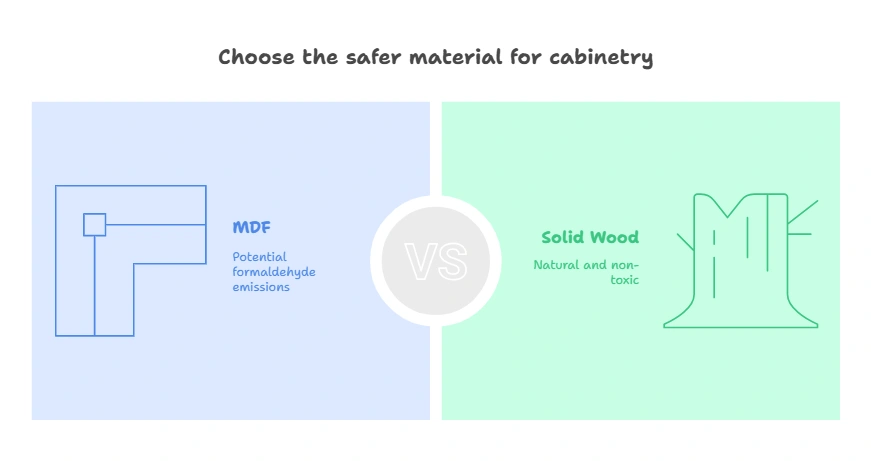
- Toxicity: Low. Solid wood is natural and doesn’t contain added chemicals, making it a safer option for indoor air quality.
Plywood
Plywood is another common material used for cabinets. It’s made by gluing together thin layers of wood veneer. Plywood is a step down from solid wood in terms of cost, but it still offers good strength and durability. Here’s what you need to know:
- Durability: Medium to high. Plywood is strong, though not as robust as solid wood.
- Cost: Medium. Plywood is less expensive than solid wood but more costly than MDF.
- Toxicity: Variable. The glues used in plywood can emit formaldehyde, a potential health concern. Look for CARB-compliant or low-VOC options to minimize this risk.
So, how does MDF compare? MDF is made from wood fibers combined with resin and wax, then compressed under high pressure. It’s often used as a budget-friendly alternative to solid wood and plywood. But, it’s important to be aware of some potential downsides:
- Durability: Medium. MDF is less sturdy than solid wood and plywood, but it’s still a practical choice for many applications.
- Cost: Low. MDF is generally the most affordable option, making it ideal for budget-conscious projects.
- Toxicity: High. The resins used in MDF can release formaldehyde gas, which is harmful to health. Opt for MDF that is labeled as low-emission or formaldehyde-free to reduce exposure.
In conclusion, each material has its own set of advantages and drawbacks. Solid wood offers unmatched durability and a natural look but comes at a high cost. Plywood strikes a balance between strength and affordability, with some concerns about toxicity. MDF is the most budget-friendly but poses a higher risk of formaldehyde emissions. Weigh these factors carefully to choose the best material for your cabinets.
Reducing Exposure To Toxins
MDF (Medium-Density Fiberboard) cabinets are popular because they are affordable and versatile. However, they can sometimes emit toxins like formaldehyde. But don’t worry! There are ways to reduce your exposure to these harmful substances. Let’s explore some practical steps you can take to keep your home safer and healthier.
Proper Ventilation
One of the simplest ways to reduce toxin exposure from MDF cabinets is to ensure your home is well-ventilated. Fresh air can significantly dilute and remove harmful gases. Here are some tips:
- Open Windows: Make it a habit to open windows daily, especially when cooking or using cleaning products.
- Use Exhaust Fans: Install exhaust fans in your kitchen and bathrooms to help remove moist, toxin-laden air.
- Air Purifiers: Consider investing in an air purifier with a HEPA filter to capture harmful particles.
Sealing And Coating
Another effective method is sealing and coating your MDF cabinets. This can lock in the formaldehyde and other chemicals, preventing them from being released into the air. Here’s how:
- Choose the Right Sealant: Look for low-VOC (Volatile Organic Compound) sealants or paints. These products are designed to be safer and release fewer toxins.
- Apply Evenly: Make sure to apply the sealant evenly on all surfaces of the cabinets, including edges and undersides. This ensures complete protection.
- Allow Proper Drying: Give the sealant enough time to dry and cure. This might take a few days, so be patient.
By following these steps, you can significantly reduce your exposure to toxins from MDF cabinets. Remember, a few small changes can make a big difference in creating a healthier home environment. Have you tried any of these methods? Share your experiences and tips in the comments below!
Alternatives To MDF
When it comes to cabinet materials, MDF (Medium Density Fiberboard) is a popular choice due to its cost-effectiveness and versatility. However, many homeowners are concerned about the potential toxicity of MDF, which can release formaldehyde into the air. If you’re looking for safer, non-toxic alternatives, you’re in the right place. In this section, we’ll explore various options that offer both quality and peace of mind.
Eco-friendly Options
Environmental sustainability is a growing concern, and many people are seeking eco-friendly alternatives to MDF. Here are some excellent choices:
- Bamboo Plywood: Bamboo is a renewable resource that grows quickly. It’s strong, durable, and has a natural beauty that can enhance any kitchen.
- Reclaimed Wood: Using wood that has been salvaged from old buildings or furniture is a fantastic way to give new life to materials that might otherwise go to waste. Plus, reclaimed wood has a unique, rustic charm.
- Cork: While not as common, cork is an innovative choice. It’s harvested from the bark of cork oak trees, which regrow after harvesting, making it highly sustainable.
Non-toxic Materials
If your primary concern is reducing exposure to toxins, there are several materials that are known for their safety and quality. Consider these non-toxic options:
- Solid Wood: The classic choice, solid wood is not only non-toxic but also incredibly durable. You can choose from various types of wood, such as oak, maple, or cherry, depending on your aesthetic preferences.
- PureBond Plywood: This type of plywood uses a soy-based adhesive rather than formaldehyde-based glues, making it a healthier option. It’s also strong and versatile, much like traditional plywood.
- FSC Certified Wood: Look for wood that is certified by the Forest Stewardship Council (FSC). This certification ensures that the wood is harvested responsibly and sustainably, minimizing environmental impact.
Choosing the right material for your cabinets is not just about aesthetics and budget; it’s also about ensuring a safe and healthy home environment. By considering these eco-friendly and non-toxic alternatives, you can make a choice that benefits both your family and the planet.
So, what will it be? A chic bamboo kitchen or the timeless elegance of solid wood? The choice is yours, and it’s one that you can feel good about.
Frequently Asked Questions
Are Mdf Kitchen Cabinets Safe?
Yes, MDF kitchen cabinets are safe. They are durable, affordable, and can be finished in various styles. Ensure proper ventilation during installation.
How Long Does It Take For Mdf To Off Gas?
MDF typically off-gasses for about 1-3 years. Proper ventilation can help reduce exposure to harmful chemicals.
What Are The Least Toxic Kitchen Cabinets?
The least toxic kitchen cabinets are made from solid wood, formaldehyde-free plywood, and non-toxic finishes. Choose cabinets with low or zero VOCs to ensure healthier indoor air quality. Consider brands like Green Forest Cabinetry and PureBond for eco-friendly options.
Why Is Mdf Banned In America?
MDF is not banned in America. Some concerns exist about formaldehyde emissions, leading to strict regulations.
Conclusion
MDF cabinets can release formaldehyde, which may be harmful. Proper ventilation reduces risks. Always choose low-formaldehyde products if possible. Regular airing out of your home helps maintain healthy air quality. Understanding the materials in your home ensures better safety. Make informed choices for a healthier living space.
Prioritize your family’s well-being by staying informed. Your home should be a safe, comfortable place. Keep it that way with smart decisions.