How to Waterproof MDF: 5 Sealing Methods Ranked, Edges First
MDF is not waterproof. It is wood fiber and resin, and it swells once water gets in, mostly through the edges. You can make it water-resistant by sealing every edge and face with epoxy, polyurethane or primer and paint. Skip the edges and the coating fails within a season. This guide ranks five methods and explains the edge-first order.
Can You Make MDF Waterproof? Water-Resistant Is the Real Goal
Best MDF Epoxy Seal Pick |
|
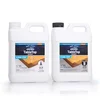 |
TotalBoat TableTop Epoxy Resin, 1 Gallon Kit ($50.99) This is the two-part epoxy named in the ranking below: a 1:1 mix that cures to a hard, water-resistant shell. Use it as a thin seal coat on edges first, as the edge-first steps in this guide explain.
|
As an Amazon Associate we earn from qualifying purchases.
The honest answer is no, not fully. Coatings slow water down, and a sealed panel can handle spills, humidity and the odd splash. A panel left sitting in water is a different story. Plan for water-resistant, and choose the method by how much water the piece will actually meet.
This page is about the coating itself. If you plan to paint, the primer comparison is in our guide to primer for MDF. If you are still choosing a panel, see MDF vs plywood. For solid lumber, use how to waterproof wood instead.
Why Edges Fail First (and Why Paint on the Face Is Not Enough)
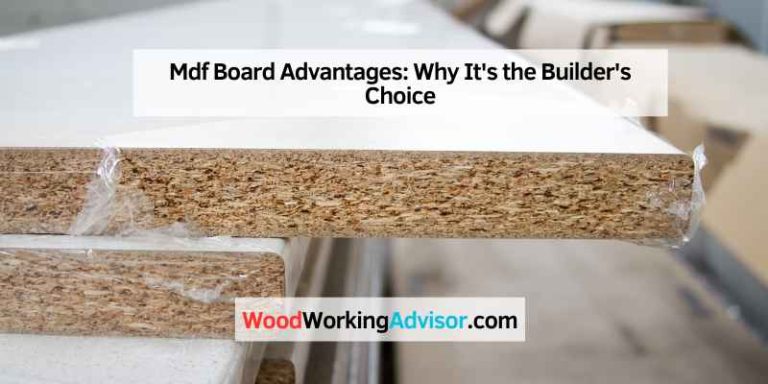
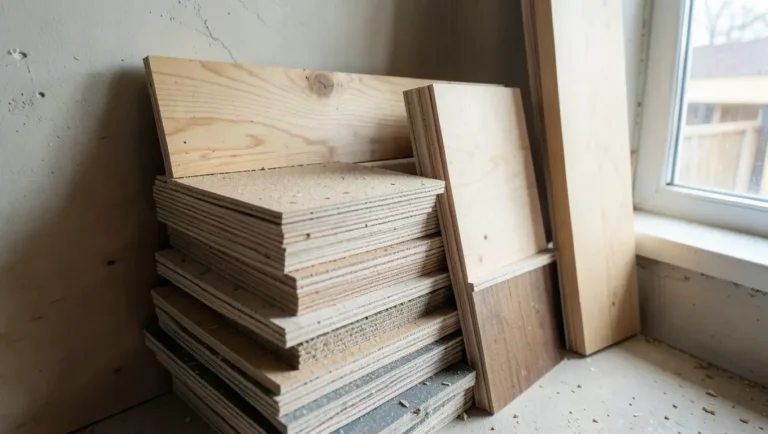
MDF is pressed from wood fibers under heat. The faces are denser than the core, so they resist water better. A cut edge exposes the open core, and that is where water wicks in. Once the core swells, it pushes up through the coating on the face, so a panel can look fine on top and be ruined underneath.
That is why a coat of paint on the top alone does nothing for a bathroom shelf or a kitchen cabinet side. The same logic applies to plywood, and our guide to sealing plywood edges covers that case. The difference is that MDF has no grain to follow, so every cut edge is equally thirsty.
What the Standards Say About Swelling
US moisture-resistant MDF grades come from the ANSI A208.2 standard. An MR10 panel must show a 24-hour thickness swell of 5.5 percent or less. An MR50 panel meets the same swell limit and must also keep at least 50 percent of its original bending strength after accelerated aging. Supplier test summaries put ordinary MDF at roughly 8 to 12 percent swell after 24 hours submerged, and the swelling does not reverse once it dries.
Even MR grades are not waterproof, and they still swell if soaked. If you are unsure which type you own, read how to tell MDF from moisture-resistant MDF. Treat the grade as a head start, not a replacement for sealing.
5 Ways to Waterproof MDF, Ranked
The ranking below weighs protection against effort. It compares how each coating type works, not lab results from this site, so use it to pick a direction and then follow the label on whatever product you buy.
| Rank | Method | Splash and spill protection | Standing water or outdoors | Main trade-off |
|---|---|---|---|---|
| 1 | Two-part epoxy | Excellent | Best of the five, still not for constant soaking | Cost, mixing time and a glossy plastic look |
| 2 | Spar or oil-based polyurethane | Very good | Fair under cover, poor if fully exposed | Slow to dry, needs 3 or more coats |
| 3 | Shellac or oil-based primer plus exterior paint | Good | Fair while the paint stays intact | Any chip or crack lets water into the edge |
| 4 | Water-based sealer or acrylic paint system | Moderate | Poor | Water in the first coat can raise the fibers |
| 5 | Moisture-resistant MDF, then sealed anyway | Good before coating | Poor, it still swells if soaked | Costs more and still needs sealed edges |
1. Two-Part Epoxy
Epoxy forms a hard shell with no pores, which is why it ranks first. It is the best choice for tabletops and shelves that will take spills. Many epoxies are labeled as flood coats for tabletops, so a thin seal coat on MDF is a different job than a deep pour. If the bare MDF is very dry, our note on sealing wood before epoxy explains why a thin first coat helps prevent bubbles.
As a reference point, the kit in the box above is listed at 12.8 square feet per gallon at 1/8 inch thick. A single face of a 4×8 sheet is 32 square feet, so a full flood coat at that depth would take about 2.5 gallons. A thin seal coat uses far less, but it shows why you should not pour epoxy across a whole sheet.
2. Spar or Oil-Based Polyurethane
Polyurethane builds a clear film in layers. Spar urethane stays a little more flexible than standard polyurethane, which helps on pieces that see temperature swings. Plan on at least three coats on the faces and more on the edges, with a light scuff sand between coats. It dries slower than water-based products, so give each coat the time the can states.
3. Shellac or Oil-Based Primer, Then Exterior Paint
A primer that does not contain water seals the fibers before any paint goes on, and the paint adds the visible protection. This is the most practical option for painted furniture, trim and cabinet doors. The weak point is the paint film itself. A chip or a hairline crack at an edge lets water behind it, so check edges every year.
4. Water-Based Sealer or Acrylic Paint System
Water-based products are easy to use and low in odor. They work for dry rooms and light protection, but they rank lower because the first coat carries water that can raise the MDF surface. If you use one, sand lightly after the first coat dries and keep coats thin.
5. Moisture-Resistant MDF, Still Sealed
Buying MR10 or MR50 panels gives you better swell resistance before you start. It does not remove the need for coating, and it is not a method on its own. Use it for bathroom vanities and laundry rooms where humidity is the problem rather than splashes.
How to Seal MDF Step by Step: Edges Before Faces
MDF dust is fine and contains resin, so wear a dust mask or respirator when sanding and keep the room ventilated. Never burn the offcuts, and read our note on burning MDF for why.
- Cut and fit the piece first. Every cut after sealing exposes fresh, unsealed fibers.
- Sand the edges lightly with 150 to 220 grit, and avoid sanding through the dense surface skin on the faces.
- Wipe off all dust with a dry or barely damp cloth and let the panel dry.
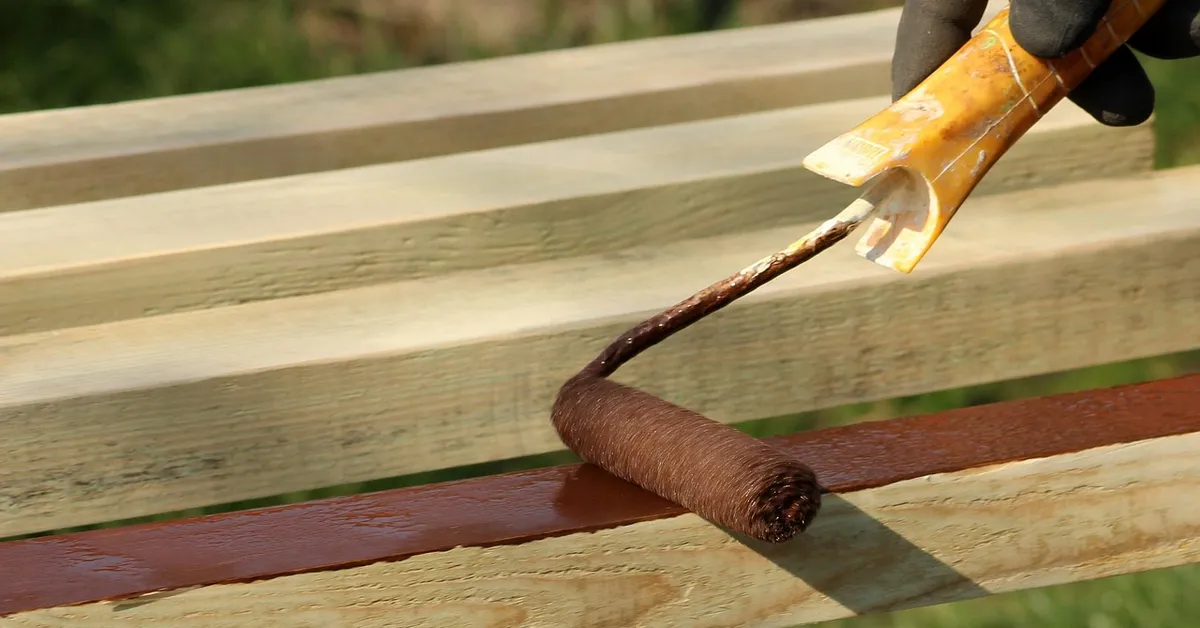
- Seal all four edges first. Apply a thin coat, let it soak in, and add a second coat before touching the faces.
- Coat the faces and also the back and any hidden surface. Coating one side only lets the panel absorb water and cup.
- Scuff sand between coats once they are dry, wipe off dust, then recoat. Follow the product label for dry and recoat times.
- Check the edges and corners last, because those are the spots most often missed.

Mark the order on the panel with a pencil if you are doing several pieces. It sounds fussy, but a missed back face or a bare screw hole is how most sealed MDF still ends up swelling.
Do Not Forget Screw Holes and Cutouts
Any hole or cutout exposes the core in the same way an edge does. Seal the inside of pilot holes and the cut edges of sink or hinge cutouts before you install the hardware. Re-seal around any hole you drill later.
Where Sealed MDF Works and Where It Does Not
Sealed MDF handles kitchen cabinet interiors, bathroom vanity sides, laundry shelves and painted trim. It does poorly in anything that sits in water or on the ground, such as outdoor benches, shower surrounds or planter boxes. For those, exterior-grade plywood is the better material, and our guide on outdoor table finishes shows what holds up outside.

Quick Water Test After Curing
Once the coating has fully cured, put a few drops of water on an edge and a face and leave them for about an hour. The water should stay in beads and wipe away. If the spot looks dark or feels soft, that area needs another coat.
Keeping Sealed MDF Dry Over Time
- Wipe spills quickly, even on coated panels.
- Check edges, corners and cutouts at least once a year for chips and cracks.
- Touch up any damaged spot by sanding lightly and re-sealing it the same day.
- Keep sealed panels off wet floors by raising them on feet or spacers.
- Run a vent fan or dehumidifier in bathrooms and basements.
Common Mistakes That Make MDF Swell
- Painting the top and leaving the edges bare.
- Skipping the back face, which lets the panel absorb water and cup.
- Rolling heavy coats that do not soak into the edge fibers.
- Using a water-based coat as the very first coat on a very dry edge.
- Cutting or drilling after sealing and leaving the new cut unsealed.
Frequently Asked Questions
Is MDF waterproof?
No. MDF is wood fiber bonded with resin, and it swells when it absorbs water. Sealing every face and edge makes it water-resistant, not waterproof.
Can you coat MDF to make it waterproof?
You can coat it to make it water-resistant. Seal the edges first with epoxy, polyurethane or an oil-based primer, then coat the faces and the back. Constant soaking will still damage it.
What is the best sealer for MDF?
Two-part epoxy gives the strongest barrier of the common options, and spar polyurethane is a good second choice. Whichever you use, the edges need the most coats.
Can MDF be used outdoors?
It is not a good outdoor material. Even sealed MDF fails once a chip or crack lets water reach the edge, so exterior-grade plywood or another weather-rated panel is the safer choice.
Conclusion
MDF can be made water-resistant with the right order of work: cut first, seal the edges before the faces, coat the back, and check the edges every year. Epoxy gives the best barrier, polyurethane is the practical middle, and primer plus paint suits painted furniture. For anything that will sit in water or outdoors, pick a different panel.
Sponsored / affiliate links. As an Amazon Associate I earn from qualifying purchases. I may earn additional commission from eligible campaigns.