Are Metal Raised Beds Better Than Wood: Essential Guide
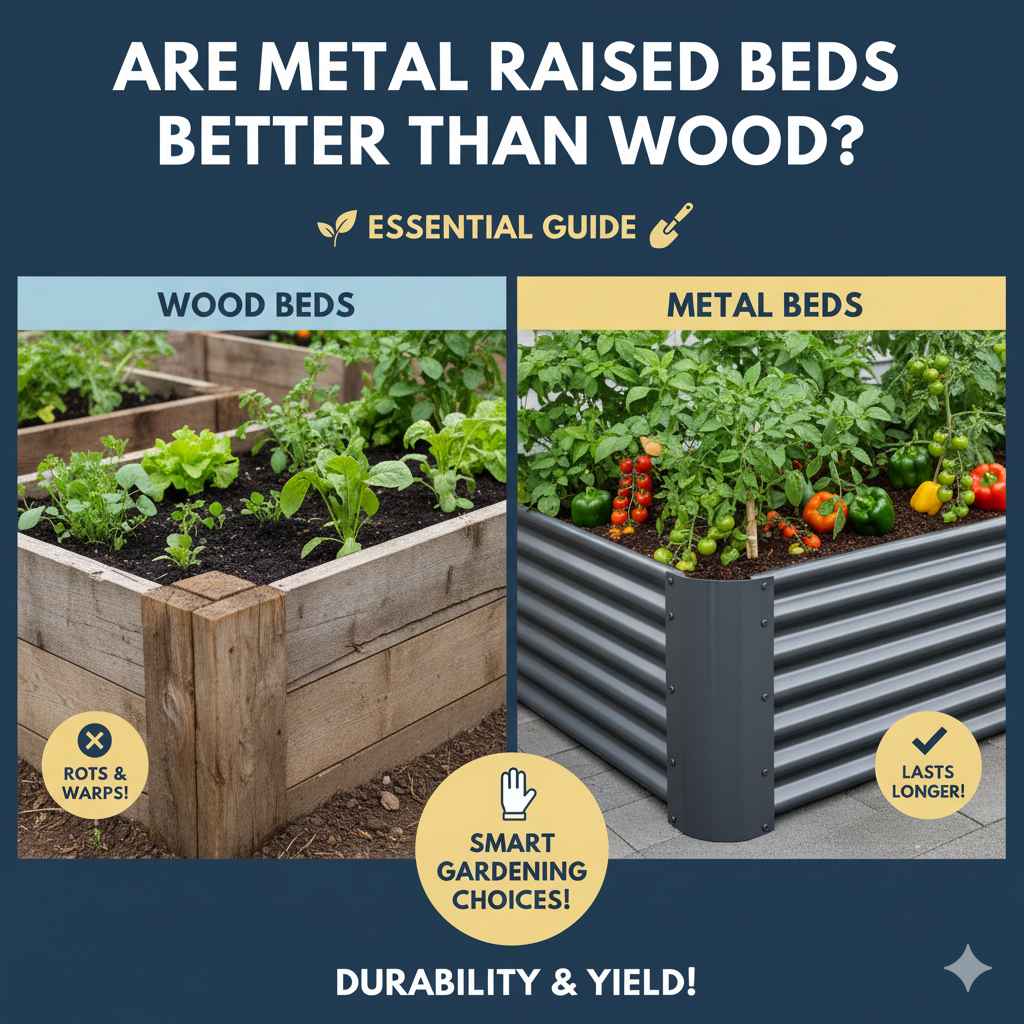
Metal raised garden beds often last longer, resist pests and rot better, and offer a sleek modern look. Wood beds can be more budget-friendly initially and offer a rustic charm. The best choice depends on your priorities for durability, cost, and aesthetics.
Hello there! As a fellow DIY enthusiast and woodworker, I know that starting a garden is exciting. You want to give your plants the best possible start, and that includes choosing the right container. Raised garden beds are a fantastic way to do this. They help with drainage, warm the soil faster, and make gardening easier on your back. But a big question often pops up: should you go for metal or wood?
It’s a common puzzle for many gardeners, and I understand why! Both materials have their fans, and trying to figure out which is truly “better” can feel overwhelming. Don’t worry; I’m here to help you sort it all out. We’ll break down the pros and cons of each so you can make a confident choice for your garden.
Metal vs. Wood Raised Beds: Your Essential Guide
Choosing between metal and wood for your raised garden beds is a big decision. It affects how long your beds will last, how much work they’ll need, and even how your garden looks. Let’s dive into the details to see which material is the right fit for your gardening dreams.
What Are Raised Garden Beds?
Raised garden beds are simply garden plots that are built up above the surrounding ground level. They can be made from a variety of materials, with wood and metal being the most popular choices. This elevated structure offers many benefits for gardeners. The soil warms up faster in the spring, leading to earlier planting. Drainage is also significantly improved, preventing waterlogged roots. Plus, they create defined garden spaces, making it easier to manage weeds and access your plants without compacting the soil.
Metal Raised Beds: The Modern Choice
Metal raised beds have gained a lot of popularity in recent years, and for good reason! They offer a durable, long-lasting solution for gardeners. Materials like galvanized steel, corrugated metal, and aluminum are commonly used. These beds often have a modern, clean aesthetic that can really enhance your garden’s appearance.
Pros of Metal Raised Beds
- Durability: Metal is tough! It resists rot, decay, and pests that can plague wooden beds. This means your metal beds can last for many years, sometimes even decades.
- Low Maintenance: Once installed, metal beds require very little upkeep. You don’t need to worry about sealing them or replacing rotten boards.
- Pest Resistance: Unlike wood, metal is not appealing to burrowing pests like gophers or voles, and it won’t be damaged by termites or slugs.
- Fast Soil Warming: Metal can heat up quickly in the sun, giving your plants a jump start in cooler weather.
- Sleek Aesthetics: Many gardeners love the clean, modern look of metal beds, especially corrugated options.
- Non-Toxic: If you’re concerned about chemicals leaching into your soil, quality metal beds (especially plain galvanized or powder-coated ones) are a safe bet.
Cons of Metal Raised Beds
- Cost: Metal beds can often have a higher upfront cost compared to basic wooden DIY options.
- Heat Retention: While fast warming is good, metal can also get very hot in direct sun during the peak of summer, potentially stressing plant roots if watering isn’t consistent.
- Sharp Edges: Some metal bed kits might have sharp edges that require careful handling during assembly. Always wear gloves.
- Static Electricity: In very dry climates, some people report a slight static charge build-up, though this is rare and usually not an issue.
- Installation: While kits are common, assembly can sometimes be tricky, requiring specific tools or multiple people for larger setups.
Wood Raised Beds: The Classic Favorite
Wood has been a go-to material for garden beds for a long time. It’s natural, readily available, and offers a warm, rustic charm that many people love. You can find pre-made wooden kits, or you can build your own from scratch with lumber.
Pros of Wood Raised Beds
- Initial Cost: Often, wood offers a more budget-friendly entry point, especially if you’re comfortable with basic DIY and sourcing your own lumber.
- Natural Aesthetics: Wood blends beautifully into most garden settings, providing a softer, more natural look.
- DIY Friendly: Building a simple wooden raised bed is a very common and accessible DIY project for beginners. You can customize dimensions easily.
- Insulation: Wood acts as a natural insulator, keeping the soil temperature more stable in both heat and cold compared to metal.
- Availability: Lumber is widely available at most home improvement stores.
Cons of Wood Raised Beds
- Durability & Rot: This is the biggest con. Wood is organic and will eventually rot, especially when in constant contact with moist soil. The lifespan varies greatly depending on the type of wood used.
- Pest Susceptibility: Termites, carpenter ants, and other wood-boring insects can damage wooden beds. Slugs and snails also find wood an attractive pathway.
- Maintenance: To extend the life of wood beds, they often need regular maintenance, such as sealing or treatment.
- Toxicity Concerns: Older treated lumber (often those with a greenish tint) can contain chemicals like arsenic or copper that you might not want near your edible plants. It’s crucial to know what kind of wood you’re using. For edible gardens, untreated, rot-resistant woods like cedar, redwood, or black locust are recommended, but these can be more expensive.
- Warping: Wood can warp, split, or crack over time due to moisture and temperature changes.
Key Factors to Consider for Your Raised Beds
Now that we’ve looked at the individual materials, let’s compare them head-to-head on the factors that matter most to gardeners.
1. Durability and Lifespan
If maximum lifespan is your goal, metal often has the edge. High-quality galvanized steel or powder-coated aluminum beds can last 15-20 years or more, resisting the elements exceptionally well. Wood’s lifespan is much more variable.
- Untreated pine or fir: Might last 3-5 years.
- Treated pine (newer ACQ or CA treatments): Can last perhaps 10-15 years, but chemical leaching is a concern for edibles.
- Rot-resistant woods like cedar, redwood, or black locust: These are excellent choices and can last 10-20 years or more, but they are also more expensive. Black locust, in particular, is known for its extreme rot and insect resistance, often outperforming even cedar. (Source: Oregon State University Extension)
Metal beds generally offer a more predictable and often longer service life with less worry about decay.
2. Cost: Upfront vs. Long-Term
This is where it gets interesting. A very basic DIY wooden bed made from standard lumber can be the cheapest option to get started. However, if you opt for rot-resistant woods like cedar, the initial cost can quickly match or exceed that of a metal kit.
Metal beds, especially pre-fabricated kits, often have a higher upfront price. However, their longevity means you might not have to replace them for two decades. When you factor in the cost of replacing wooden beds multiple times over that same period, metal beds can prove more cost-effective in the long run.
Here’s a simplified comparison:
Long-Term Cost
| Factor | Metal Raised Beds | Wood Raised Beds (Standard Lumber) | Wood Raised Beds (Rot-Resistant Lumber) |
|---|---|---|---|
| Upfront Cost | Moderate to High | Low to Moderate | High |
| Lifespan (Years) | 15-20+ | 3-5 | 10-20+ |
| Low (due to durability) | High (due to replacement needs) | Moderate to High (depending on replacement frequency) | |
| Maintenance | Very Low | Moderate (sealing, checks) | Low to Moderate (checks for rot) |
3. Aesthetics and Garden Style
Your garden’s look is subjective! Metal beds offer a modern, clean, and minimalist appearance. They can make a bold design statement. Corrugated metal, in particular, is very trendy.
Wood, on the other hand, brings a natural, rustic, and traditional feel. It can blend seamlessly into a landscape, creating a softer, more organic look. The type of wood (smooth cedar vs. rough-hewn pine) can also influence the style.
4. Ease of Assembly and DIY Friendliness
For DIY enthusiasts, building a simple wooden raised bed is often one of the first woodworking projects people tackle. It’s very beginner-friendly. You can find countless tutorials online for building simple boxes with basic tools like a saw, drill, and screws. Customizing dimensions is also easy.
Pre-fabricated metal kits are designed for assembly, and many are quite straightforward. They often involve bolting panels together. However, some can be fiddly, and for larger beds, you might need a second person to help hold things in place. The precision required can sometimes be less forgiving than with wood.
5. Environmental Impact and Safety
This is an area where concerns can arise for both materials.
Metal: Most modern metal beds are made from galvanized steel or aluminum. Galvanization is a process of coating steel with a layer of zinc to protect it from rust. Zinc is considered safe for gardens. Aluminum is naturally resistant to corrosion.
Wood: The primary concern with wood is the use of treated lumber. Historically, lumber treated with Chromated Copper Arsenate (CCA) was common. While this treatment is now banned for residential use in many places, older wood or wood treated with other chemicals might leach into the soil. For edible gardens, it’s always best to use untreated, naturally rot-resistant woods like cedar, redwood, or black locust. These woods are generally considered safe and can be sustainably sourced. (Source: EPA – Safe Pest Kits for Homes and Gardens – while this link is about pest kits, it touches on safe choices for gardens).
DIY vs. Kit: Which Path to Take?
You have two main routes to getting raised beds: building them yourself (DIY) or buying a pre-made kit.
DIY Wooden Raised Beds
Best For: Beginners, budget-conscious gardeners who want custom sizes, and those who enjoy woodworking projects.
Tools You Might Need:
- Measuring tape
- Saw (hand saw, circular saw, or miter saw)
- Drill and drill bits
- Screwdriver bits
- Screws (exterior grade)
- Level
- Safety glasses and gloves
- Optional: Wood sealant (food-safe if gardening edibles)
Basic Steps:
- Plan: Decide on the size and height of your bed. Standard lumber sizes (like 2×6 or 2×8 inches) will influence the dimensions.
- Cut Lumber: Cut your boards to the desired lengths for the sides and ends.
- Assemble Corners: Attach the side boards to the end boards at each corner. You can screw them from the outside into the end grain, or use corner brackets for extra strength. For taller beds, you might need to stack layers of boards, staggering the joints for stability.
- Reinforce (Optional): For long beds, add internal braces to prevent bowing.
- Position: Place your assembled bed in its final location. Ensure it’s level.
- Fill: Add your soil mixture.
DIY Metal Raised Beds (More Advanced)
Best For: Experienced DIYers comfortable with metal fabrication, or those who can source pre-cut metal sheets and hardware and assemble them carefully.
This often involves cutting corrugated metal panels and bolting them together with frame components. It’s more complex than wood and requires specific tools like metal snips or a grinder, and often more robust hardware.
Pre-Fabricated Kits (Wood or Metal)
Best For: Gardeners who want a quick, easy, and often aesthetically pleasing solution without extensive DIY work.
Pros: Often well-designed for structural integrity, can look very professional, clear instructions provided.
Cons: Less customization, can be more expensive than basic DIY, assembly can still require effort.
Choosing the Right Material for Your Veggies
If you plan on growing vegetables, especially root vegetables or anything you eat raw, safety is paramount. Here’s a quick guide:
- For Edibles: Prioritize untreated, naturally rot-resistant woods like cedar, redwood, or black locust. Alternatively, choose metal beds made of galvanized steel, aluminum, or those with powder-coated finishes. Avoid old treated lumber or any wood you’re unsure about.
- For Ornamentals: If you’re only growing flowers and don’t plan to eat anything from the bed, your options broaden slightly. You might consider newer-treated lumber if you’re comfortable with the potential of minimal leaching over many years, but untreated rot-resistant wood or metal are still safer, longer-lasting choices.
Getting Your Raised Beds Ready for Planting
Once your beds are built or assembled, you’re almost ready to plant! The next crucial step is filling them correctly.
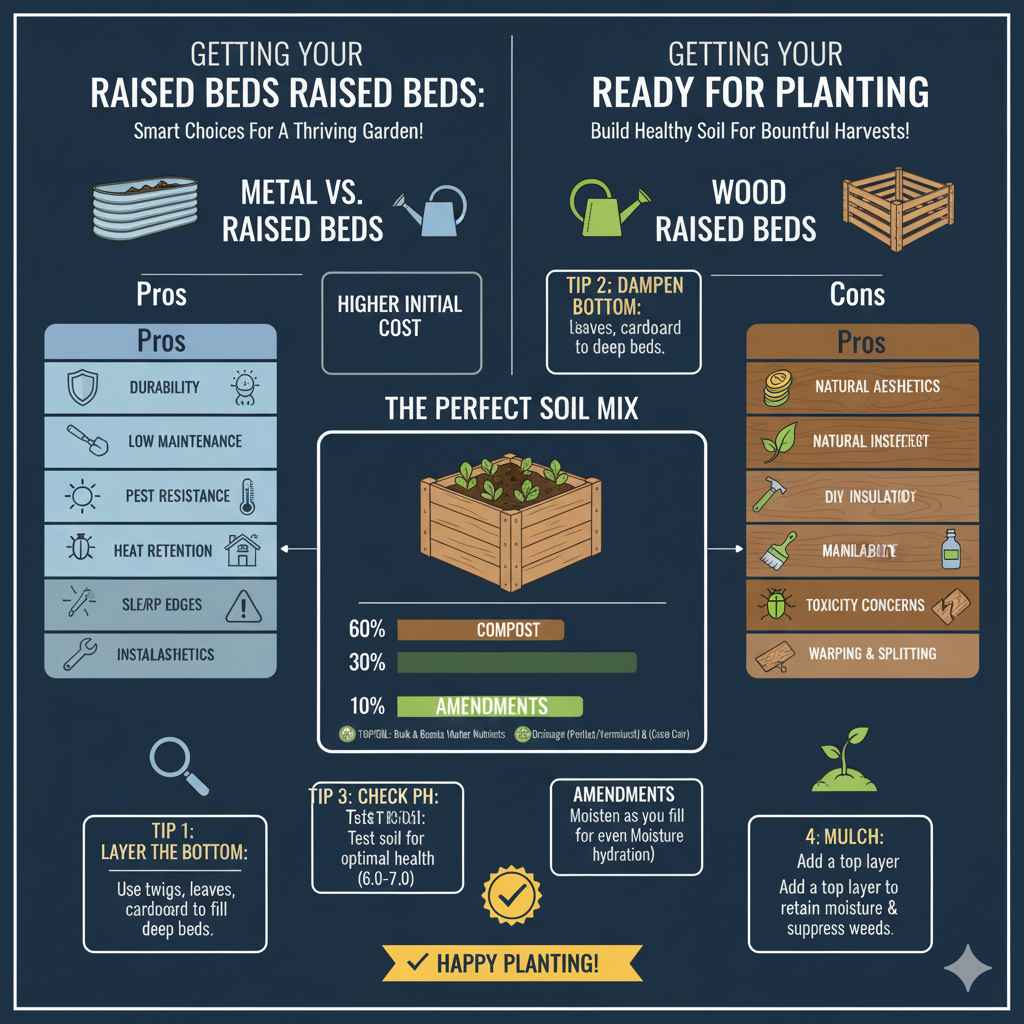
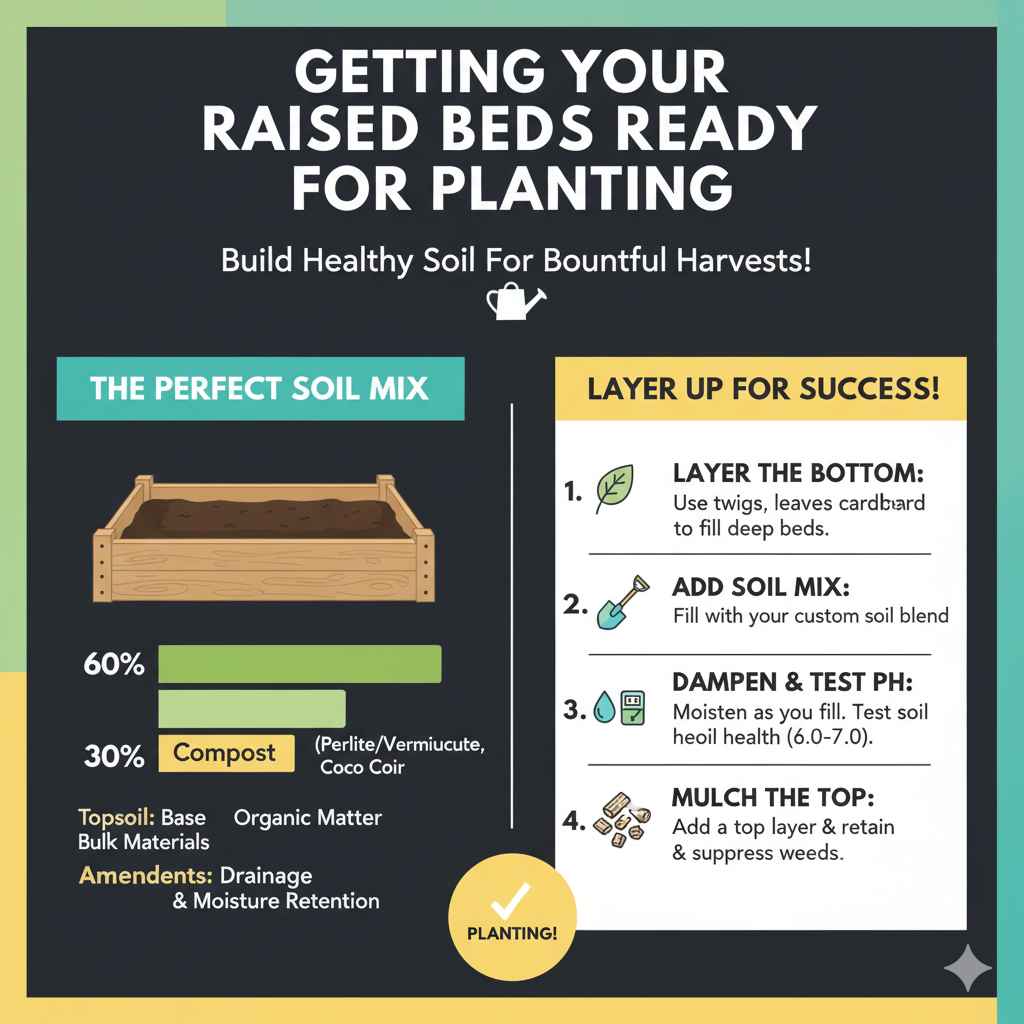
A good raised bed soil mix typically includes:
- Topsoil: Provides the bulk and base nutrients.
- Compost: The superstar ingredient! Adds organic matter, nutrients, and improves soil structure and water retention.
- Other Amendments: Depending on your needs, you might add perlite or vermiculite for drainage and aeration, peat moss or coco coir for moisture retention, or aged manure for extra nutrients.
A popular ratio is roughly 60% topsoil, 30% compost, and 10% other amendments. The goal is a light, well-draining, nutrient-rich mixture that plant roots will love.
Frequently Asked Questions (FAQ)
Q1: Which material is better for a raised garden bed in a very hot climate?
Metal beds can get very hot in direct sun, potentially stressing plant roots. While they warm soil quickly, this can be a drawback in extreme heat. Wood acts as a better insulator, keeping soil temperatures more moderate. For hot climates, consider adding shade cloth over metal beds or selecting wood.
Q2: Are there any health risks associated with galvanized metal raised beds?
Reputable manufacturers use food-grade galvanization for garden beds. The zinc coating protects the steel from rust and is generally considered safe for gardening. Issues are very rare and typically involve improper manufacturing or damage to the coating. Stick with trusted brands.
Q3: How long do wooden raised beds typically last?
The lifespan varies greatly. Untreated pine might last only 3-5 years. Cedar or redwood can last 10-20 years. The lifespan depends heavily on the type of wood, climate, and whether it’s treated or sealed.
Q4: Can I use treated lumber for raised beds if I line them with plastic?
While lining wooden beds with plastic is sometimes suggested to prevent leaching, it’s not a foolproof method. Plastic can degrade, and moisture can still get trapped, potentially accelerating wood rot. For edible gardens, it’s safest to use untreated, naturally rot-resistant wood or metal.
Q5: Are metal raised beds difficult to assemble?
Most kits are designed for straightforward assembly, often involving bolting panels together. Some larger or more complex designs might require more effort or an extra pair of hands. Always read the manufacturer’s instructions carefully before starting.
Q6: Which material offers a more sustainable option?
Both can be sustainable. Sustainably harvested cedar or redwood are excellent choices. Metal beds, especially if made from recycled steel, can also be a very durable and long-lasting option, reducing the need for frequent replacement. The key is choosing durable, responsibly sourced materials.