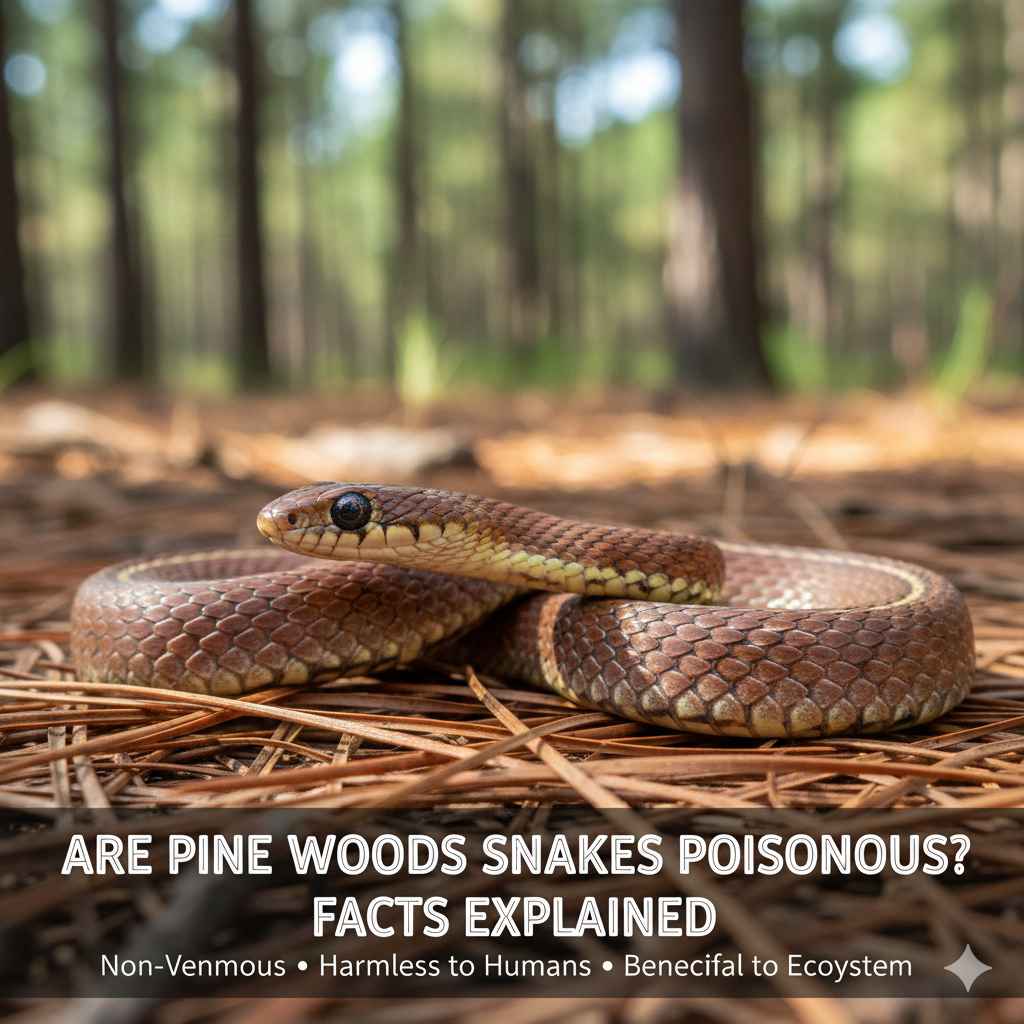
Are Pine Woods Snakes Poisonous Facts Explained
Figuring out if a snake is dangerous can be tricky for anyone just starting out, and you probably want to know the answer to the question, “Are Pine Woods Snakes Poisonous? Facts Explained.” Don’t worry, it’s easier to learn than you might think. We’ll break it down step-by-step so you’ll know what to look for and how to stay safe. Get ready to explore all the details you need to know about these fascinating creatures.
What You Need to Know About the Pine Woods Snake
Pine Woods Snakes, also known as Eastern Pine Snakes, are large, non-venomous constrictors. They are native to the southeastern United States, and often found in sandy, well-drained habitats. These snakes are well adapted to their environment, and have developed unique survival strategies. They play an important role in the ecosystem, and are primarily active during the day. Their behavior and physical characteristics set them apart from other species, and can be useful to identify them in the wild.
Physical Traits and Appearance
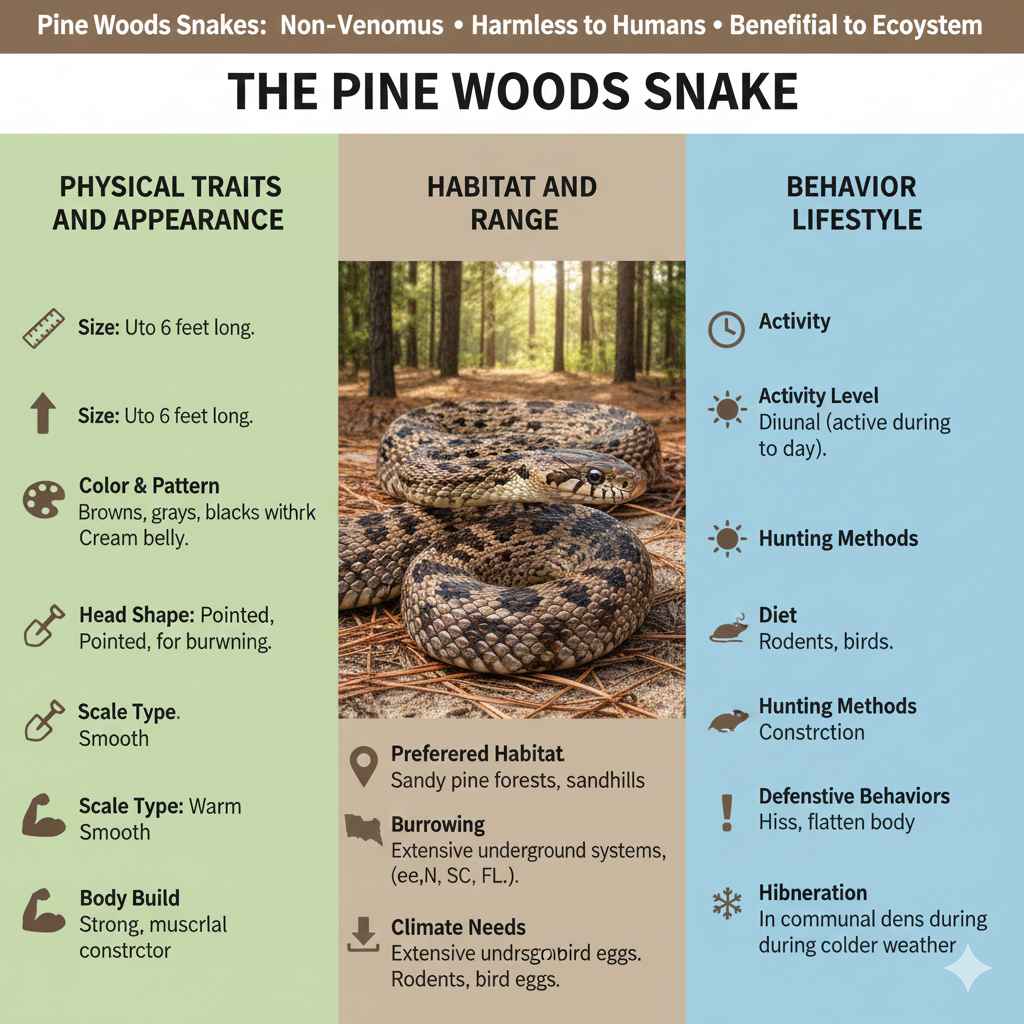
Pine Woods Snakes have distinctive characteristics that make them easily identifiable. They are a large species, with adults growing up to 6 feet long, sometimes even longer! They have a robust body structure and a pointed head that helps them burrow. The scales are smooth and come in various shades of brown, gray, or black. They often have darker blotches down their back, which can vary in size and color. Their belly is usually a cream or yellow color, and the patterns on their bodies provide excellent camouflage in their natural surroundings. Knowing these traits can help you distinguish them from other snake species in their territory.
- Size: Adults can grow to be quite big. This large size is one of their most noticeable features.
Their length is usually between 4 and 6 feet, making them one of the larger snakes in their habitat. - Color and Pattern: Most are a mix of browns, grays, and blacks. They usually have dark blotches.
The color helps them blend in with the forest floor, aiding in both hunting and avoiding predators. - Head Shape: They have a pointy head, useful for burrowing in the ground.
This unique head shape makes them very well-suited for digging. - Scale Type: The scales are smooth. This smooth surface helps them move around efficiently.
The smooth scales also make it easier for them to move through tight spaces. - Body Build: They have strong, muscular bodies. This helps them constrict prey.
Their bodies are built to grip and squeeze their food effectively.
Habitat and Range of the Pine Woods Snake
Pine Woods Snakes are found in specific habitats, primarily in the southeastern parts of the United States. They prefer areas with sandy soils, like pine forests and sandhills. These habitats give them ample opportunities for burrowing and hunting. Knowing their habitat is crucial for understanding where you might encounter them. The health of their habitat has a direct impact on their existence, and conservation efforts are vital to protect these locations.
- Preferred Habitat: They like sandy areas with pine trees. These areas offer good shelter.
The loose soil makes it easier for them to dig and find prey. - Geographic Range: You’ll primarily see them in the southeastern US.
States like North Carolina, South Carolina, and Florida are common. - Burrowing: They love to burrow underground. This is for both shelter and hunting.
They can create extensive underground systems. - Climate Needs: They thrive in warm climates.
Their activities change based on temperature. - Dietary Preferences: They primarily eat rodents, but may also eat bird eggs.
These foods are plentiful in their habitat.
The Behavior and Lifestyle of Pine Woods Snakes
Understanding the lifestyle of Pine Woods Snakes includes their daily habits, and how they get around. They are active during the day, which means they are diurnal animals. Their daily routines are strongly influenced by the weather and time of the year. They play an important part in the balance of the ecosystem, and understanding their lifestyle helps us appreciate their role. Knowing more about their behaviors and how they act is key to understanding them better.
- Activity Level: They are typically most active during the day.
This daytime activity influences when you may see them. - Hunting Methods: They are constrictors, squeezing prey.
They use their strength and body to hunt. - Diet: They eat rodents and birds.
Their diet helps control other animal populations. - Defensive Behaviors: They may hiss and flatten their bodies when feeling threatened.
These defense mechanisms help them look bigger. - Hibernation: In colder weather, they go into a state of hibernation.
They often gather in communal dens for warmth.
Are Pine Woods Snakes Poisonous? The Truth
When it comes to the safety of these snakes, the primary question is whether they are poisonous or not. Are Pine Woods Snakes Poisonous? Facts Explained: The answer is no, they are not poisonous. They are constrictors, meaning they squeeze their prey to subdue it. This method of hunting means they do not need venom, unlike other types of snakes. Knowing this fact is a great start when learning about these animals, helping to ease some worries when encountering them.
The Difference Between Venomous and Poisonous
It’s important to know the difference between venomous and poisonous. Venomous animals inject venom through fangs or other means, while poisonous animals release toxins when touched or eaten. The Pine Woods Snake is neither. Their hunting strategy is to constrict their prey, so they don’t have venom. This is a key detail to keep in mind when learning about how snakes function. Many people confuse the terms, but knowing the distinction makes understanding the world of snakes much simpler.
- Venomous: These animals inject toxins, usually via fangs.
Snakes like rattlesnakes are venomous. - Poisonous: These animals release toxins.
Poison dart frogs are a great example of poisonous animals. - Pine Woods Snake: This snake is neither venomous nor poisonous.
It uses constriction to hunt. - How They Hunt: Constriction is used to kill their prey.
This involves squeezing the prey until it cannot breathe. - Safety: You do not need to worry about being envenomed when around Pine Woods Snakes.
Always observe and respect wildlife.
Hunting and Feeding Habits
Pine Woods Snakes have very specific ways of getting their meals. They hunt primarily by ambush, waiting patiently for prey to come near. The way they capture and then consume their food is a good example of their natural behaviors. They often eat rodents, but will also eat eggs from nesting birds. Their feeding habits have a significant impact on their survival, and play a key role in their role in the food chain. Studying these habits will help you understand their behaviors better.
- Preferred Prey: They like to eat rodents.
Rodents are a consistent food source in their environment. - Hunting Strategy: They often ambush their prey.
They wait patiently, often underground. - Constriction: They squeeze their prey.
This stops the flow of blood and breathing. - Swallowing: They swallow their prey whole.
They can then digest the entire animal, bones and all. - Eating Bird Eggs: They may also eat the eggs of nesting birds.
This provides another source of nutrients.
How to Identify a Non-Venomous Snake
Being able to tell whether a snake is venomous is a great skill if you plan on going out in nature. When it comes to the Pine Woods Snake, certain characteristics can help you figure out that it is safe. Knowing the different features is helpful for making smart decisions when outdoors. They lack the features found on venomous snakes. This includes their heads, pupils, and scales. This knowledge helps you identify different snakes, and how they function.
- Head Shape: Non-venomous snakes often have rounded heads.
Venomous snakes sometimes have triangular heads. - Eye Pupils: Non-venomous snakes usually have round pupils.
Venomous snakes often have elliptical pupils. - Fangs: Non-venomous snakes do not have fangs.
Venomous snakes have fangs for injecting venom. - Body Shape: Non-venomous snakes have more rounded bodies.
Venomous snakes can be more slender. - Behavior: Non-venomous snakes may try to escape.
Venomous snakes might show defensive behaviors.
Interacting With Pine Woods Snakes: Safety and Conservation
It’s important to interact with Pine Woods Snakes safely and respectfully. Because they are not poisonous, there is not an immediate risk of being envenomed. But, like all wildlife, it is important to treat them with caution. Knowing how to handle interactions with them will help you. We can make sure they stay protected. This means understanding their behaviors and habits. It also means playing our part in helping them flourish in their environment.
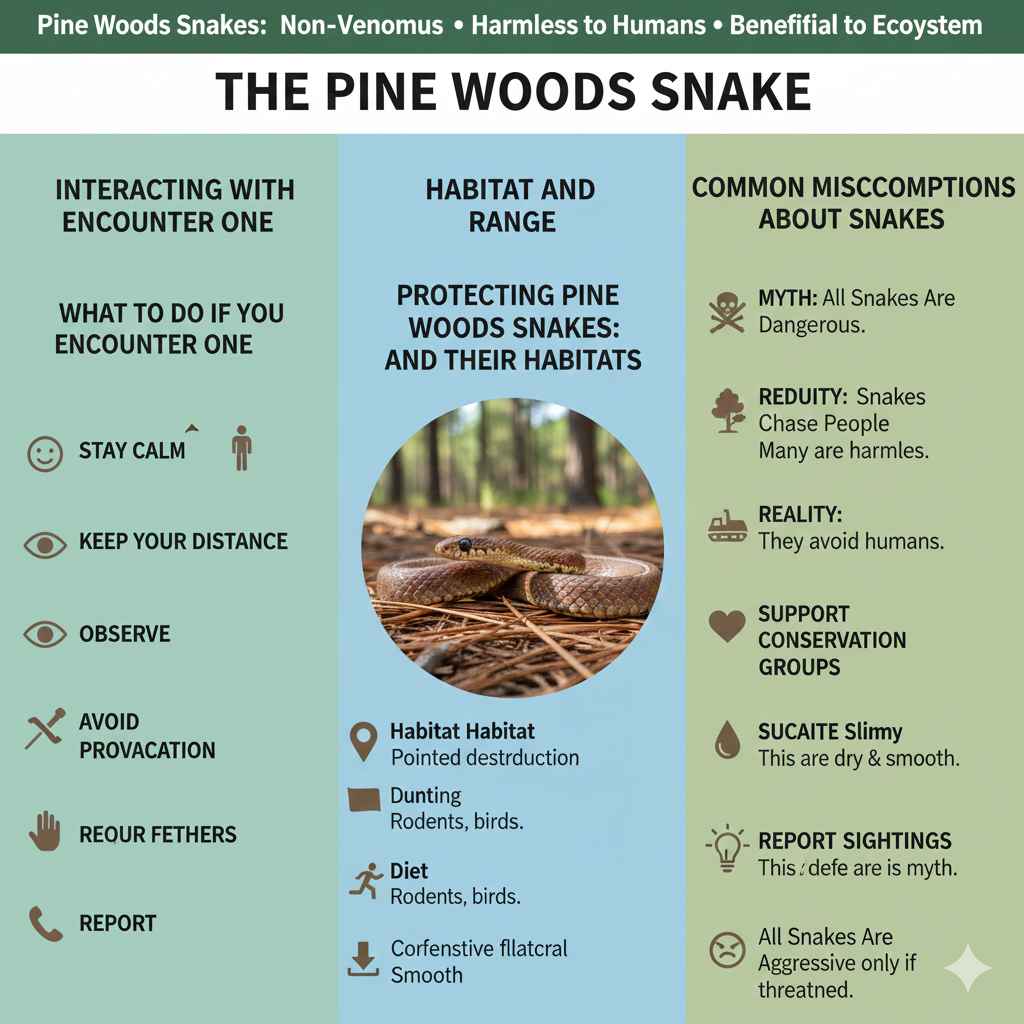
What to Do If You Encounter One
If you come across a Pine Woods Snake, there are key things to do to ensure your safety and the snake’s well-being. First, stay calm and observe the snake from a safe distance. Avoid any sudden movements that could startle it. Never attempt to handle or provoke the snake. Give it space. It is essential to respect the animal and its environment. By following these steps, you can help protect yourself, and also protect the snake.
- Stay Calm: Don’t panic.
Panicking can make things worse. - Keep Your Distance: Stay a safe distance away.
Give the snake room to move. - Observe: Watch the snake’s behavior.
This helps you learn about it. - Avoid Provocation: Don’t try to touch or scare it.
Respect the animal’s space. - Report: If you see a problem, report it to the correct wildlife authorities.
This can help with conservation efforts.
Protecting Pine Woods Snakes and Their Habitats
The conservation of Pine Woods Snakes includes preserving their homes. This involves protecting the habitats they depend on to live. Efforts such as preserving their forests, reducing habitat destruction, and understanding how they live are crucial to their continued survival. By supporting these actions, we contribute to the health of their homes, and keep the ecosystem in balance. These are important steps in helping preserve the environment for many other species.
- Habitat Preservation: Protect the pine forests and sandy areas.
These are their natural homes. - Reduce Habitat Destruction: Avoid building in their territories.
Preventing habitat loss keeps the animals safe. - Support Conservation Groups: Donate to groups that work to protect these snakes.
Their work benefits the animal species. - Educate Others: Share the importance of wildlife.
This increases awareness. - Report Sightings: Help wildlife experts by reporting sightings.
This helps researchers learn more about the animals.
Common Misconceptions About Snakes
Many people have incorrect ideas about snakes, and these can create unnecessary fear or misunderstanding. These incorrect ideas can lead to improper behaviors, and can make it harder to appreciate the value of snakes. By learning correct facts, you can help people realize the importance of these animals, and support their conservation. Addressing these incorrect ideas helps make a better relationship with nature. Let’s look at some common myths and the reality.
- All Snakes Are Dangerous: This is untrue. Many snakes are harmless.
Knowing the type of snake is important. - Snakes Chase People: Snakes don’t usually chase people.
They usually want to be left alone. - Snakes Are Slimy: Snakes are dry and smooth, not slimy.
This is a common misperception. - Snakes Can Hypnotize: Snakes don’t hypnotize.
This is a myth. - All Snakes Are Aggressive: Most snakes avoid confrontation.
They only defend themselves if threatened.
Frequently Asked Questions
Question: Are Pine Woods Snakes aggressive?
Answer: No, they are not typically aggressive. They prefer to avoid conflict and will usually try to escape if they feel threatened.
Question: What do Pine Woods Snakes eat?
Answer: They primarily eat rodents such as mice and rats. They also consume bird eggs if available.
Question: Where can I find Pine Woods Snakes?
Answer: You’ll typically find them in the southeastern United States, especially in pine forests and sandy areas.
Question: How big do Pine Woods Snakes get?
Answer: Adults can grow up to 6 feet long, making them one of the larger snake species in their habitat.
Question: Do Pine Woods Snakes bite?
Answer: Yes, Pine Woods Snakes can bite, but it’s not a big risk. Their bite is not poisonous, so it’s not dangerous.
Final Thoughts
Now you know the answer to, “Are Pine Woods Snakes Poisonous? Facts Explained.” In a nutshell, Pine Woods Snakes are non-venomous constrictors. They are not poisonous, so they do not pose an immediate danger. They are native to the southeastern US. They live in sandy areas, and mainly eat rodents. It’s important to respect their space and protect their environment.
By knowing what to look for and how to handle encounters, you can have a positive experience with these animals. If you encounter one, remember to stay calm and observe from a distance, and appreciate these animals. Together, we can help protect them for years to come.