Are White Oak Cabinets Expensive? Essential Guide
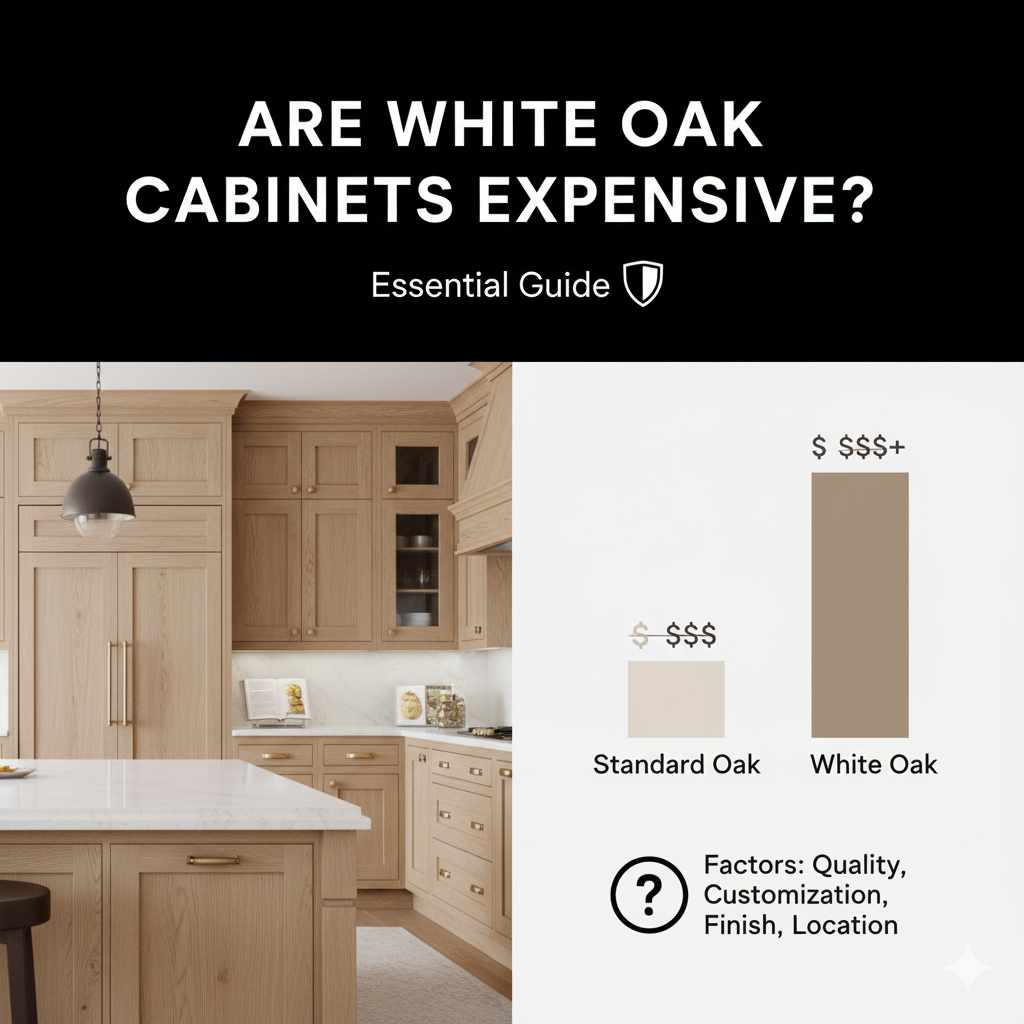
White oak cabinets aren’t always the most expensive option, but their premium qualities like durability and beauty do place them in a higher mid-range price bracket. Factors like the cabinet’s construction, finish, and brand significantly impact the final cost, making informed choices key to managing your budget.
Thinking about upgrading your kitchen cabinets? You’ve probably seen beautiful white oak designs and wondered, “Are white oak cabinets expensive?” It’s a great question, and the answer is: it depends! White oak is a fantastic choice, known for its strength and gorgeous grain. But like many good things, it can come with a higher price tag. Don’t worry, though. With a little know-how, you can understand what influences the cost and make the best decision for your home and your wallet. Let’s break down what makes white oak cabinets tick and how to find the perfect fit for you.
Understanding Wood Cabinet Costs: The Basics
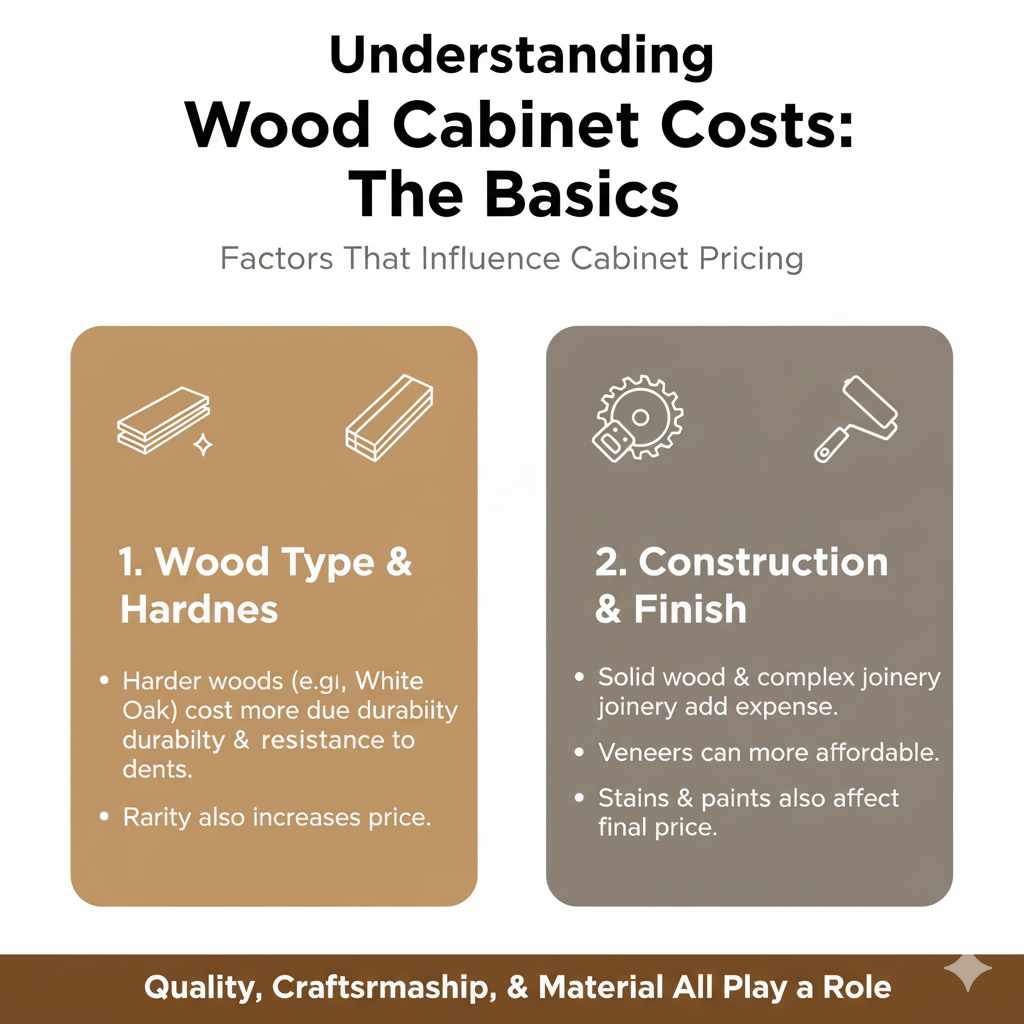
When you’re looking at kitchen cabinets, the material is one of the biggest factors deciding the price. Different woods have different qualities, and these qualities translate into cost. Think of it like buying a good suit – some fabrics are pricier because they’re more durable, look better, or are harder to come by. Wood is similar. The harder the wood, the more resistant it is to dents and dings, which often means a higher cost. Also, how rare the wood is plays a part. Some woods are more abundant, making them naturally more affordable.
The way cabinets are constructed also matters a lot. Are they solid wood? Are there veneers involved? What kind of joinery did the craftsman use? These details add to the overall expense. Even the finishes, like stains or paints, can affect the price. So, when we talk about white oak, we’re really talking about a combination of the wood itself and how it’s turned into cabinets you’ll love.
What Makes White Oak a Premium Choice?
White oak earns its reputation for being a top-tier wood for a reason. It’s a hardwood, which means it’s dense and strong. This density makes it incredibly durable, resisting scratches, dents, and wear and tear – something you definitely want in a busy kitchen. Imagine accidentally bumping a pot against your cabinets; with white oak, you’re less likely to see a noticeable mark than with softer woods.
Another big draw is its beautiful appearance. White oak has a lovely, straight grain pattern with subtle figuring. It takes stains exceptionally well, allowing for a wide range of looks, from light and airy to rich and deep. This versatility means it can fit into many design styles. Plus, it’s naturally resistant to moisture and decay, which is a great bonus in a kitchen where humidity can be a factor. These combined qualities – durability, beauty, and resilience – are what position white oak as a more premium material.
Are White Oak Cabinets Expensive? Breaking Down the Cost Factors
So, are white oak cabinets expensive? Compared to some other options, yes, they often are. But “expensive” is relative. Let’s look at what goes into that price tag. It’s not just the wood; it’s the whole package.
1. Wood Grade and Quality
Just like with any material, there are different grades of white oak. Higher grades have fewer knots, imperfections, and a more consistent grain pattern. This means you’re paying for a cleaner, more uniform look. Lower grades might have more character (knots, mineral streaks), which can be desirable for some rustic styles, but they usually come at a lower price point. For cabinets, most people opt for clearer grades to achieve a smooth, refined finish.
2. Cabinet Construction Type
This is a huge cost influencer. You’ll typically see three main types of cabinet construction in the market:
- Solid Wood: This is the most premium and often the most expensive option. Every visible part of the cabinet box and doors is made from solid white oak. It offers the best in durability and natural beauty.
- Veneered Plywood: This is a very common and often more affordable method. The cabinet box (sides, top, bottom) is made from high-quality plywood, and then a thin layer of real white oak veneer is applied on top. This offers stability and resistance to warping, while still giving you the look of solid oak. Doors might still be solid oak or have a veneer center panel.
- Particleboard/MDF with Veneer: This is usually the most budget-friendly option. The core is made from particleboard or Medium-Density Fiberboard (MDF), with a white oak veneer applied. While it looks similar, it’s not as durable or moisture-resistant as plywood or solid wood.
3. Style and Design
The style of the cabinet door also impacts cost. Simple Shaker-style doors are generally more straightforward to produce and thus less expensive than more intricate designs like raised panel or custom molding details. The more complex the design, the more labor and precision are required, driving up the price.
4. Hardware and Finishes
The hardware – hinges, drawer pulls, slides – can add a significant amount to the total cost, especially if you opt for high-end, soft-close mechanisms or premium pulls. Similarly, the finish can vary. A simple clear coat will be less expensive than a multi-step staining process or a custom paint color that requires extensive prep work and multiple coats. Some manufacturers offer a wide range of stain colors and glazes, and these custom options often come with an added fee.
5. Brand and Retailer
Like many products, cabinet brands have different price points. You’ll find luxury brands known for their meticulous craftsmanship and high prices, mid-range brands that offer a good balance of quality and affordability, and budget-friendly options. Where you buy them also matters – a custom cabinet maker will likely charge more than a big-box retailer offering semi-custom options.
White Oak vs. Other Popular Cabinet Woods: A Cost Comparison
To truly gauge if white oak is expensive, it’s helpful to compare it to other common cabinet woods. Keep in mind that prices can fluctuate based on availability, location, and the factors mentioned above.
Here’s a general comparison of how white oak stacks up against some other popular choices:
| Wood Type | General Price Range (Relative) | Key Characteristics | Common Uses |
|---|---|---|---|
| White Oak | $$$ (Mid-to-High) | Durable, strong, beautiful grain, good moisture resistance, takes stains well. | Modern, transitional, traditional styles. Excellent for visible grain beauty. |
| Maple | $$ (Mid-Range) | Smooth, fine grain, very hard, consistent color, takes paint and stain well. | Versatile for almost any style, especially painted or light stains. |
| Cherry | $$$ (Mid-to-High) | Warm reddish-brown tones, smooth grain, deepens color with age, can be softer than oak. | Traditional, elegant styles. Natural aging is a key feature. |
| Hickory | $$ (Mid-Range) | Very hard and durable, distinctive grain with color variations (light to dark), can be rustic. | Rustic, farmhouse, or modern styles depending on the finish. |
| Pine | $ (Budget-Friendly) | Softwood, lighter color, more prone to dents and scratches, distinct knotty grain. | Rustic, farmhouse, or cottage styles. Best for less high-traffic areas or if a distressed look is desired. |
| Walnut | $$$$ (High-End) | Rich, dark color, beautiful grain patterns, luxurious feel, generally softer than oak. | High-end modern, contemporary, or sophisticated traditional styles. |
As you can see, white oak sits comfortably in the mid-to-high range. It’s generally more expensive than popular choices like maple or hickory, but often less costly than exotic woods or premium hardwoods like walnut. Its price is justified by its excellent balance of durability, aesthetic appeal, and versatility.
Pros and Cons of White Oak Cabinets
To help you decide if white oak is the right choice for your kitchen, let’s weigh the advantages and disadvantages.
The Upside: Why You’ll Love White Oak
- Exceptional Durability: White oak is one of the hardest and densest woods available, making it highly resistant to dents, scratches, and wear. This is crucial for kitchen cabinets that see daily use.
- Beautiful Grain and Aesthetics: It features a prominent, straight, and often wavy grain pattern that adds visual interest. It stains beautifully, allowing for a wide range of colors and styles, from natural and light to dark and dramatic.
- Moisture Resistance: White oak has a closed cellular structure, meaning it’s naturally more resistant to moisture and water damage than many other hardwoods, especially red oak. This is a significant benefit in a kitchen environment.
- Longevity: Due to its strength and resistance, white oak cabinets are built to last for decades, providing a great long-term investment for your home.
- Versatility: It complements a wide array of kitchen designs, from modern and minimalist to rustic and traditional. Its color and grain can be manipulated with stains to fit almost any decor.
The Downside: What to Consider
- Cost: As we’ve discussed, white oak is typically more expensive than softer woods or some other common hardwoods like maple or hickory. This is its primary drawback for budget-conscious renovators.
- Weight: Its density makes it a heavier wood. While this contributes to its durability, it can make installation slightly more challenging and might affect shipping costs.
- Grain Visibility: While many love its prominent grain, some minimalist or ultra-modern designs might prefer a smoother, less defined grain. In such cases, other woods like maple might be a better stylistic fit, though white oak can still be a choice if a smoother finish is achieved.
- Can Show Color Variations: Natural wood can have color variations. If you’re looking for absolutely uniform color, you might need to choose a painted finish or a very specific grade of wood, which could increase complexity and cost.
Tips for Buying White Oak Cabinets on a Budget
If you love the look and durability of white oak but are concerned about the cost, you’re in luck! There are smart ways to incorporate this beautiful wood into your kitchen without breaking the bank.
- Opt for Veneer or Combination Construction: Instead of solid white oak for the entire cabinet box, consider cabinets with a white oak veneer over plywood or MDF for the boxes. The visible doors and drawer fronts can still be solid white oak or high-quality veneer. This significantly reduces costs while maintaining the desired look where it matters most.
- Choose Simpler Door Styles: Shaker-style doors or flat-panel doors are generally less expensive to produce than raised-panel, or intricately molded doors. They also offer a clean, modern look that often pairs well with white oak’s natural beauty.
- Explore Semi-Custom or Stock Options: Fully custom cabinetry will always be the priciest. Look into semi-custom lines or even stock cabinets that offer white oak. While selection might be more limited, you can often find great value. Big box stores and reputable online cabinet suppliers are good places to start.
- Consider a Painted Finish: If you love the idea of white cabinets but want the durability of oak, consider painting the cabinets. You can get the look of white oak doors with a durable paint finish. While this hides the natural wood grain and color, it offers a different aesthetic at potentially a lower cost than natural wood finishes.
- DIY for Savings: If you’re a budding DIYer, you might save money by assembling pre-fabricated cabinet boxes or by taking on some of the finishing yourself. However, ensure you have the right tools and skills to achieve a professional look and maintain durability. For more on wood finishing, resources like Wood Magazine’s finishing guides can be incredibly helpful.
- Shop Around and Compare Quotes: Don’t settle for the first price you get. Obtain quotes from multiple cabinet suppliers, custom builders, and even online retailers. Comparing prices, lead times, and warranty information will help you make the most informed decision.
Maintaining Your White Oak Cabinets
Once you’ve invested in beautiful white oak cabinets, you’ll want to keep them looking their best for years to come. The good news is that white oak is quite resilient, but a little care goes a long way.
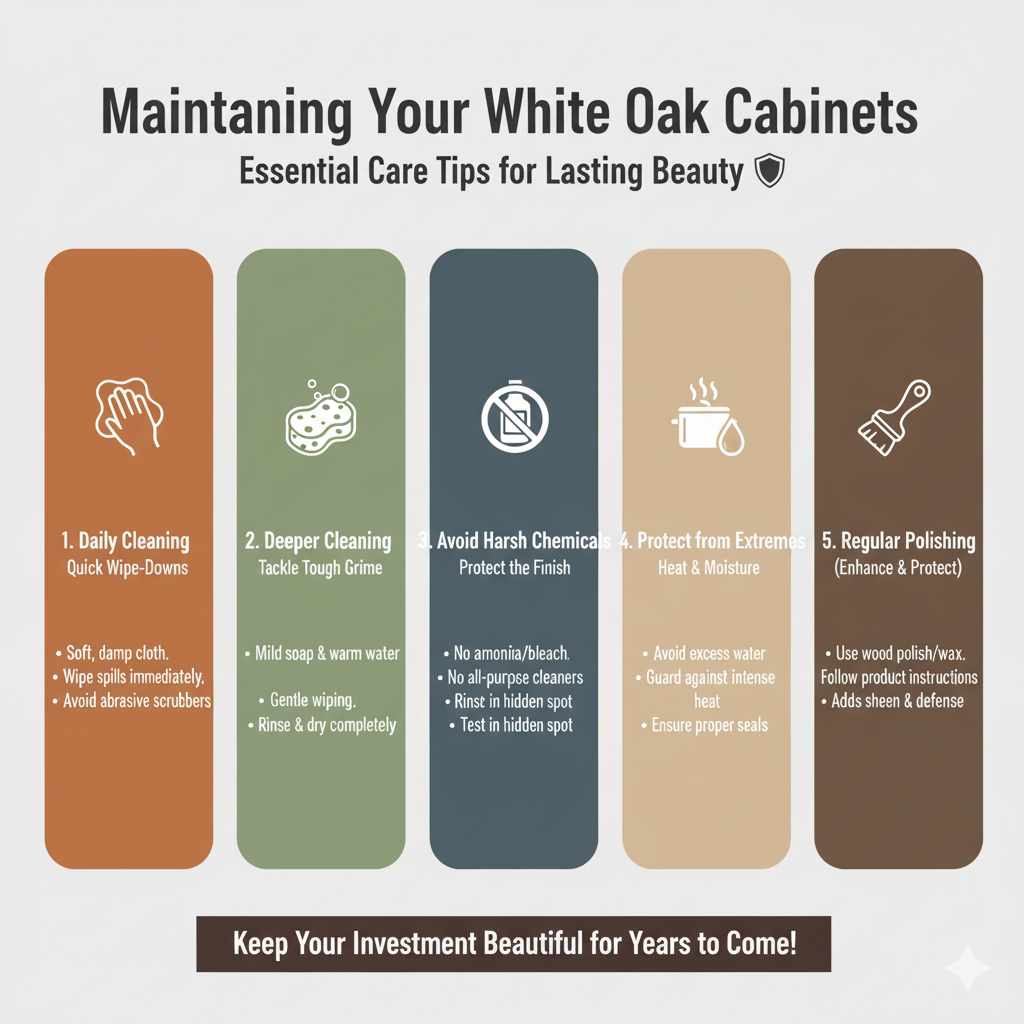
Daily Cleaning: For everyday messes, a soft, damp cloth is usually all you need. Wipe up spills immediately to prevent them from lingering and potentially affecting the finish. Avoid abrasive cleaners or scrub pads, as these can scratch the wood or damage the finish.
Deeper Cleaning: For more stubborn grime or greasy buildup (especially common in kitchens!), use a mild dish soap diluted in warm water. Apply with a soft cloth, wiping gently. Rinse thoroughly with a clean, damp cloth, and then dry completely with a soft, dry towel. Never let water sit on the cabinets.
Avoid Harsh Chemicals: Steer clear of ammonia-based cleaners, bleach, or all-purpose cleaners that might contain harsh chemicals. These can strip the finish, discolor the wood, or cause permanent damage. Always test any cleaning solution in an inconspicuous spot first.
Protect from Extreme Conditions: While white oak is moisture-resistant, it’s not waterproof. Avoid prolonged exposure to excessive moisture or direct, intense heat. For instance, don’t place a steaming kettle directly next to unfinished wood, and ensure your dishwasher is properly sealed to prevent steam from escaping onto adjacent cabinets.
Regular Waxing/Polishing (Optional): For added protection and a beautiful sheen, you can occasionally use a furniture wax or polish specifically designed for wood cabinets. Follow the product instructions carefully. This can help maintain the finish and offer a bit of extra defense against minor scratches.
By following these simple maintenance tips, your white oak cabinets will retain their stunning appearance and structural integrity for a very long time.
White Oak Cabinets: A Worthwhile Investment?
So, back to our main question: are white oak cabinets expensive? Yes, they can be, but it’s important to see this as an investment rather than just an expense. When you choose white oak, you are opting for a material that offers:
- Long-term Durability: These cabinets are built to withstand the rigors of daily life for decades, saving you money on replacements or costly repairs down the line.
- Timeless Beauty: The natural elegance of white oak’s grain and its ability to adapt to various finishes mean your kitchen will remain stylish and attractive for years, not just a few seasons.
- Increased Home Value: High-quality materials like solid wood or well-done veneers are often seen by potential buyers as a sign of a well-maintained and upgraded home, which can boost your property’s resale value.
The price of white oak cabinets is a reflection of the quality, craftsmanship, and lasting value they bring to your home. While there are more budget-friendly options available, few can match white oak’s remarkable combination of strength, beauty, and resistance.
By understanding the factors that influence cost and by exploring smart buying strategies, you can often find ways to incorporate white oak into your kitchen design without exceeding your budget. Whether you opt for solid wood, high-quality veneer, or a specific construction method, the beauty and resilience of white oak are hard to beat. Making an informed choice ensures you get cabinets you’ll not only love to look at but will also serve you faithfully for many years to come.
Frequently Asked Questions About White Oak Cabinets
Q1: Are white oak cabinets a good value for the money?
Yes, white oak cabinets are generally considered a good value because their exceptional durability and timeless beauty mean they last longer and stay in style, potentially saving you money on future replacements or renovations. While the initial cost might be higher, their longevity makes them a smart long-term investment.
Q2: What’s the difference between white oak and red oak for cabinets?
White oak is denser and has a more closed pore structure, making it significantly more resistant to moisture and decay than red oak. White oak also tends to have a straighter, more uniform grain and a lighter, warmer tone, while red oak has more open pores, a more varied grain, and a pinkish hue. For kitchen cabinets, white oak is generally preferred due to its superior moisture resistance and often a more desirable aesthetic for modern designs.
Q3: Can white oak cabinets be painted?
Absolutely! While white oak’s natural beauty is a major draw, it can also be painted. However, because it’s a hardwood with a prominent grain, proper surface preparation, including priming and potentially sanding between coats, is essential to achieve a smooth, professional finish. Many opt for a painted finish to achieve a specific look, like white cabinets, while still benefiting from the underlying durability of oak.