Are Wood Cutting Boards Bad? What to Know
Wondering if your trusty wooden cutting board is actually okay to use? Many people ask, “Are Wood Cutting Boards Bad? What to Know” because they’ve heard mixed things.
It can feel a little confusing when you’re just trying to chop veggies for dinner. Don’t worry, this guide will make it super simple. We’ll break down everything you need to know without any confusing jargon.
Get ready to learn the easy way!
For ages, wood cutting boards have been a kitchen staple. They look great and feel good under the knife. But lately, there’s been some buzz about whether they’re actually the best choice for your kitchen hygiene.
Lots of home cooks start to question things when they hear different opinions. We’ll explore exactly what makes people wonder, “Are Wood Cutting Boards Bad? What to Know” and get to the bottom of it.
The Big Question: Wood vs. Other Materials
When you think about cutting boards, you probably picture wood. They have a natural warmth that plastic or glass boards just don’t offer. But a common concern is about how clean they get.
Bacteria is the main worry. Can wood really harbor germs, and is it hard to get rid of them? Let’s look at the facts.
Hygiene and Bacteria on Wood
Wood is a natural material, and like many natural things, it has pores. These pores are tiny holes where moisture and food bits can sometimes get trapped. If these bits aren’t cleaned out properly, they can become a place for bacteria to grow.
This is where the idea that wood cutting boards might be “bad” comes from.
However, it’s not quite that simple. Wood has some natural properties that can actually help with hygiene. Certain types of wood, like maple and walnut, contain compounds that can kill some bacteria on their own.
Plus, the self-healing nature of wood means that small knife marks can close up over time, making it harder for bacteria to settle in compared to plastic boards that get deeply scarred.

Comparing Wood to Plastic
Plastic cutting boards are often seen as the easy-to-clean option. They can usually go in the dishwasher, and you can scrub them with hot, soapy water. But here’s the catch: every time you cut on plastic, you create tiny scratches and grooves.
These scratches are perfect hiding spots for bacteria, and they are much harder to clean out than the pores in wood. Also, plastic can warp and get dull knife edges over time.
Glass Cutting Boards: A Different Story
Glass cutting boards are super easy to wipe down and don’t absorb odors. They look sleek and modern. However, they can be really tough on your knives, dulling their edges much faster than wood or plastic.
They also tend to slide around more, which can be a safety hazard when you’re chopping.
Wood Cutting Board Care: The Key to Safety
The truth about whether wood cutting boards are bad really comes down to how you care for them. When you take good care of your wooden board, it can be a safe and excellent tool for your kitchen.
- Cleaning: After each use, wash your wooden cutting board with hot, soapy water. Use a stiff brush to gently scrub away any food particles. Rinse thoroughly.
- Drying: This is a very important step. Never soak your wooden board. Always dry it completely with a clean towel. Then, let it air dry upright so air can circulate around it.
- Sanitizing: For extra peace of mind, you can sanitize your board occasionally. A simple way is to rub it with half a lemon and then sprinkle it with coarse salt. Let it sit for a few minutes, then rinse and dry thoroughly. You can also use a diluted white vinegar solution.
- Oiling: To keep your wooden board in good shape and help prevent it from drying out, cracking, or absorbing too much moisture, you should oil it regularly. Use a food-grade mineral oil or a beeswax-based cutting board conditioner. Apply a thin layer, let it soak in for a few hours or overnight, then wipe off any excess. Aim to oil it once a month, or more often if you use it daily or live in a dry climate.
Wood Types and Their Properties
Not all wood is created equal when it comes to cutting boards. Some woods are better suited than others due to their hardness, grain, and natural properties.
Hardwoods Are Best
When choosing a wooden cutting board, look for hardwoods. These are dense woods that are less likely to get deeply scratched and are more durable.
- Maple: A very popular choice. It’s hard, dense, and has a fine grain that is gentle on knives. It’s also quite resistant to bacteria.
- Walnut: Another excellent hardwood. It’s softer than maple but still durable, and its natural oils have some antibacterial properties. Its darker color can hide stains well.
- Cherry: Similar to walnut in hardness and grain. It has a beautiful color that deepens with age.
- Beech: A durable and affordable hardwood. It has a fine, straight grain and is a good all-around choice.
Woods to Avoid (or Use with Caution)
Softer woods or woods with very open grains can be more prone to damage and moisture absorption.
- Pine: Too soft. Knives will easily cut into it, creating deep grooves where bacteria can thrive.
- Oak: While hard, oak has a very open grain. This can make it harder to clean thoroughly and can trap food particles.
- Bamboo: Bamboo is technically a grass, not a wood, but it’s often used for cutting boards. While it’s hard and sustainable, its very hard surface can dull knives quickly. Also, many bamboo boards are made by gluing together many small pieces, and the glues used might be a concern for some.
End Grain vs. Edge Grain Cutting Boards
You might see “end grain” and “edge grain” when shopping for wood cutting boards. This refers to how the wood pieces are put together, and it affects both performance and durability.
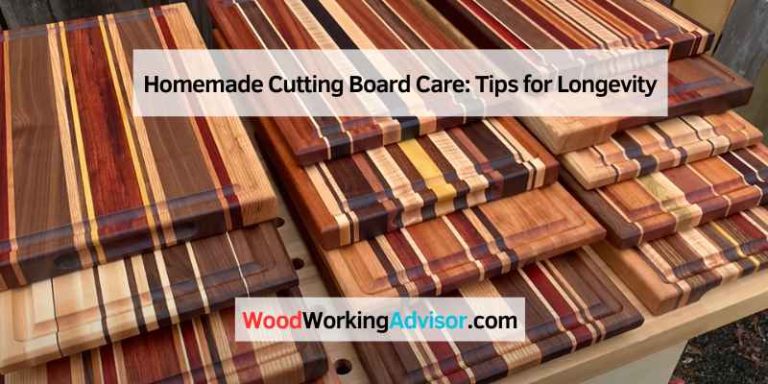
Edge Grain Cutting Boards
These are made by gluing strips of wood together along their edges, like planks in a floor.
- Pros: Generally less expensive than end grain. They are durable and can be quite beautiful.
- Cons: The grain lines are more visible and can be more prone to deep scratching over time compared to end grain.
End Grain Cutting Boards
These are made by gluing together short pieces of wood so that the ends of the grain are facing up.
- Pros: Often called “self-healing.” When you cut into an end grain board, the wood fibers spread apart to accommodate the knife, and then they close back up as the knife is removed. This makes them very gentle on knives and less prone to deep cuts.
- Cons: Typically more expensive than edge grain boards. They can also absorb moisture more readily if not properly cared for.
Wood Cutting Boards and Cross-Contamination
Cross-contamination is a serious concern in any kitchen, but it’s manageable with any type of cutting board if you’re careful. This is where you transfer harmful bacteria from one food to another, like from raw chicken to salad greens.
With wood, the key is to use separate boards for different types of food. For example, have one board for raw meats and poultry, and a different one for fruits, vegetables, and cooked foods. If you don’t have multiple boards, thoroughly clean and sanitize your wood board between uses for different food types.
This is good practice no matter what material your cutting board is made from.
Quick Comparison: Wood vs. Plastic for Cross-Contamination
| Feature | Wood Cutting Boards | Plastic Cutting Boards |
|---|---|---|
| Bacteria Hiding Spots | Pores, can self-heal | Deep knife scars, harder to clean |
| Ease of Sanitizing | Requires careful cleaning and oiling | Dishwasher safe, easy to scrub |
| Knife-Friendly | Gentle on knives | Can dull knives over time |
| Cross-Contamination Risk | Managed with separate boards and thorough cleaning | Managed with separate boards and thorough cleaning |
Common Misconceptions
One common thought is that wood cutting boards are inherently dirty. While they need attention, they are not automatically a breeding ground for germs. With proper cleaning and care, they are just as safe, if not safer in some aspects, than other materials.
Another myth is that they are impossible to keep clean. This is untrue; consistent care makes them very manageable.
Can You Use Wood Cutting Boards for Raw Meat?
Yes, you absolutely can use wood cutting boards for raw meat, but with the same precautions you’d take with any cutting board. The most important rule is to have a separate cutting board for raw meat and poultry. This board should be clearly marked or stored separately from boards used for other foods.
After cutting raw meat, wash the wood board immediately with hot, soapy water, rinse, and dry it thoroughly. Consider sanitizing it with a diluted vinegar solution or by rubbing it with lemon and salt. Regular oiling also helps create a barrier that makes cleaning easier.
Frequently Asked Questions
Question: Are wood cutting boards safe for raw meat
Answer: Yes, wood cutting boards can be safe for raw meat, provided you follow strict hygiene practices. Always use a separate board for raw meats and wash it thoroughly with hot, soapy water immediately after use. Proper drying and occasional sanitizing are also key.
Question: How often should I oil my wood cutting board
Answer: It’s a good idea to oil your wood cutting board about once a month. If you use it very frequently or live in a dry environment, you might need to oil it more often, perhaps every few weeks, to prevent it from drying out and cracking.
Question: Can I put my wood cutting board in the dishwasher
Answer: No, you should never put a wood cutting board in the dishwasher. The high heat and prolonged exposure to water can cause the wood to warp, crack, and lose its protective oils, making it more susceptible to bacteria.
Question: What is the best type of wood for a cutting board
Answer: Hardwoods like maple, walnut, and cherry are generally considered the best choices for cutting boards. They are durable, have a close grain that is gentler on knives, and can be easier to keep clean.
Question: How do I get rid of stains on my wood cutting board
Answer: For light stains, try scrubbing with a paste of baking soda and water. For tougher stains, a lemon and salt scrub can also be effective. Always rinse thoroughly and dry completely afterward.
Final Thoughts
So, Are Wood Cutting Boards Bad? What to Know really boils down to care and common sense. Your wooden cutting board isn’t a hygiene hazard if you treat it right.
By cleaning it properly after each use, drying it completely, and giving it a regular oiling, you’re doing all the right things. Think of it like any other tool in your kitchen; it needs a little attention to perform its best and stay safe. Choosing the right type of wood and understanding the difference between edge grain and end grain can also make a big impact.
Don’t be afraid to use your wooden board for everything you need to chop. Just remember those simple steps: wash, dry, and oil. This will help keep your board looking great and your kitchen safe for everyone.