Trader Joe’s Olive Wood Cutting Board: Is It Still in Stores in 2026?
Trader Joe’s olive wood cutting board is not a permanent, year-round item. It’s a seasonal release that typically shows up in stores once a year, usually in the fall/winter holiday stretch, sells out within days, and isn’t sold on the Trader Joe’s website. If you’re checking store shelves right now and coming up empty, that’s normal, not a sign the product is gone for good – and below is what the board actually costs when it’s in, plus a reliable in-stock alternative if you need an olive wood board today.
Is Trader Joe’s Olive Wood Cutting Board Available Right Now?
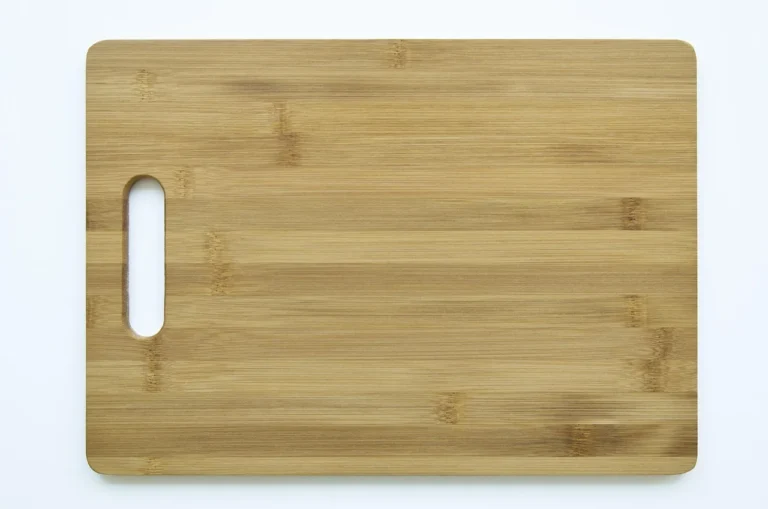
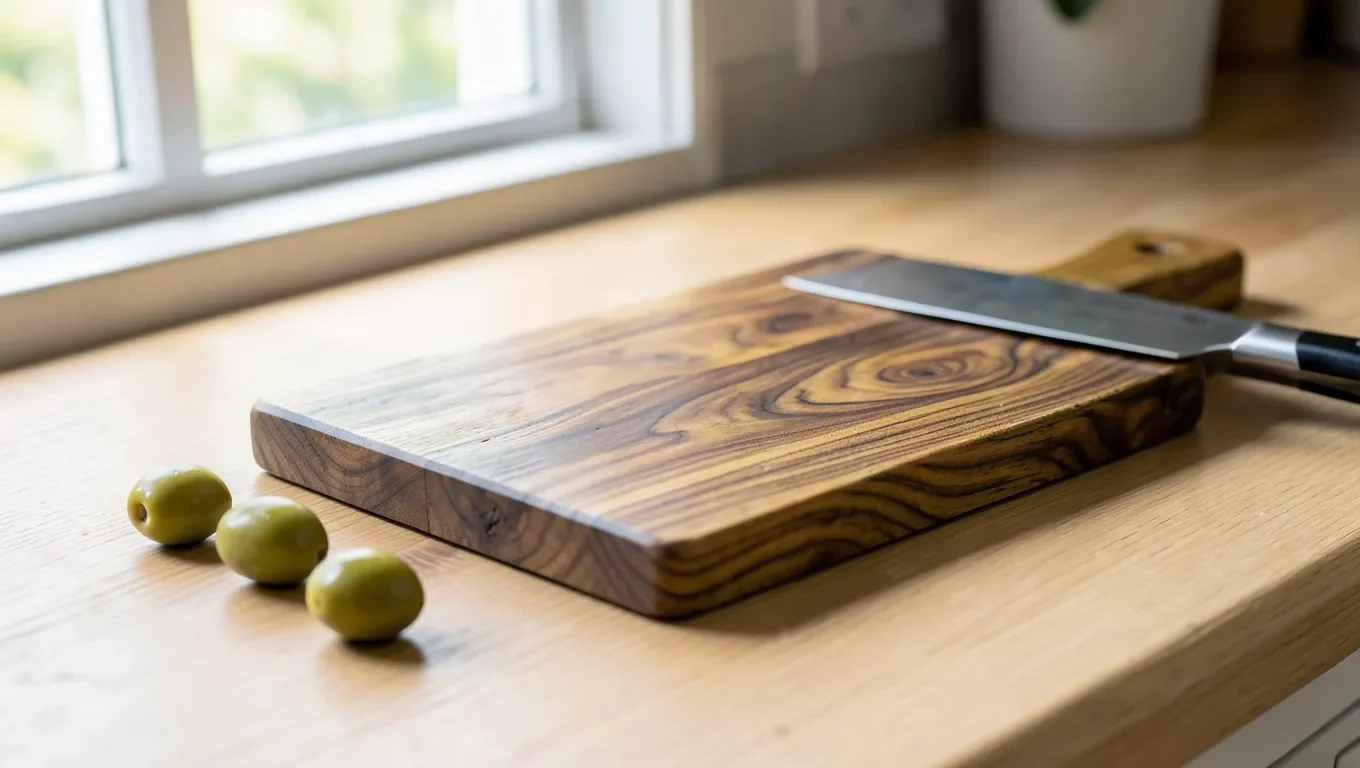
Trader Joe’s olive wood kitchenware line – cutting boards, serving trays, and small utensils like spatulas and spoons – is hand-carved from Tunisian olive wood and has become one of the chain’s most talked-about seasonal restocks. Multiple outlets covering the 2025/2026 restock (The Kitchn, Taste of Home, Tasting Table) reported the same pattern: the boards land once a year, usually timed to the holiday hosting season, priced roughly $12.99 for smaller boards up to around $29.99 for the larger serving/cutting boards, with matching utensils around $2.99 each. They are not available through Trader Joe’s online ordering in most regions, and shoppers on social media routinely report local stores selling out within a few days of the restock.
That unpredictability is a well-documented Trader Joe’s quirk, not unique to this product – the chain rotates seasonal and limited items constantly, and it doesn’t publish a restock calendar. The most reliable way to check is to call your local store directly and ask if the olive wood collection is currently on the shelf, since inventory varies store to store even during the restock window.
A Reliable Olive Wood Cutting Board You Can Get Year-Round
Best Year-Round Olive Wood Pick
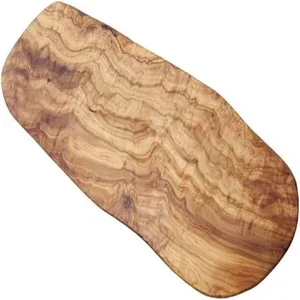 |
Naturally Med Olive Wood Cutting Board/Cheese Board, 19.5″ – $67.99 If Trader Joe’s olive wood is sold out at your store, this is a genuine olive wood board with the same dense, swirling-grain look – and it’s in stock year-round instead of once a year.
|
Why Olive Wood Is a Popular Cutting Board Material
Olive wood ranks among the hardest and densest woods commonly used for kitchenware, which is why it shows up so often in cutting boards, charcuterie boards, and cooking utensils. That density means a blade glides across the surface rather than digging into it, so knives tend to stay sharp longer than they would on a softer board. The same density also makes olive wood naturally resistant to deep scarring – you’ll see light surface marks over time, but it won’t gouge the way a softer wood like pine would.
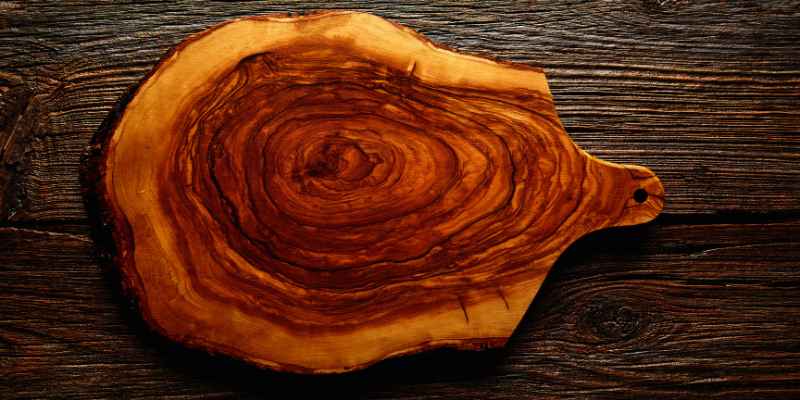
The other draw is purely visual: no two olive wood boards look alike. The wood’s tight, swirling grain comes from how the tree grows in twisted, gnarled patterns rather than straight up like a typical timber tree, and that irregular growth is exactly what produces the dramatic light-and-dark grain pattern collectors look for. It’s part of why olive wood boards are marketed as serving pieces as much as cutting surfaces – the grain does a lot of the work.
Is Olive Wood Actually Antimicrobial? What Food-Safety Research Says
“Antimicrobial” gets thrown around a lot in olive wood product listings, so it’s worth being precise about what’s actually established. Neither the FDA nor the USDA has approved wood as an “antimicrobial” material in the medical or regulatory sense – that’s not a claim any wood cutting board can legally make. What is true: the USDA Food Safety and Inspection Service and the USDA Meat and Poultry Hotline both permit hardwood or other nonporous cutting surfaces for raw meat and poultry prep, and decades of food-science research (including older studies out of UC Davis) found that properly washed and dried wood surfaces harbored surprisingly little live bacteria compared to plastic, likely because wood fibers can absorb and trap moisture and organisms below the surface rather than leaving them sitting in surface scratches the way plastic does.
The honest takeaway is that a wood board like olive wood is a legitimate, food-safety-compliant choice – not a self-sanitizing one. Whatever bacteria reduction wood offers only holds up if you’re washing it in hot soapy water and drying it fully after each use, exactly as the USDA recommends for any cutting surface. We go deeper on the actual research behind that claim here if you want the full picture.
Where Olive Wood Actually Comes From
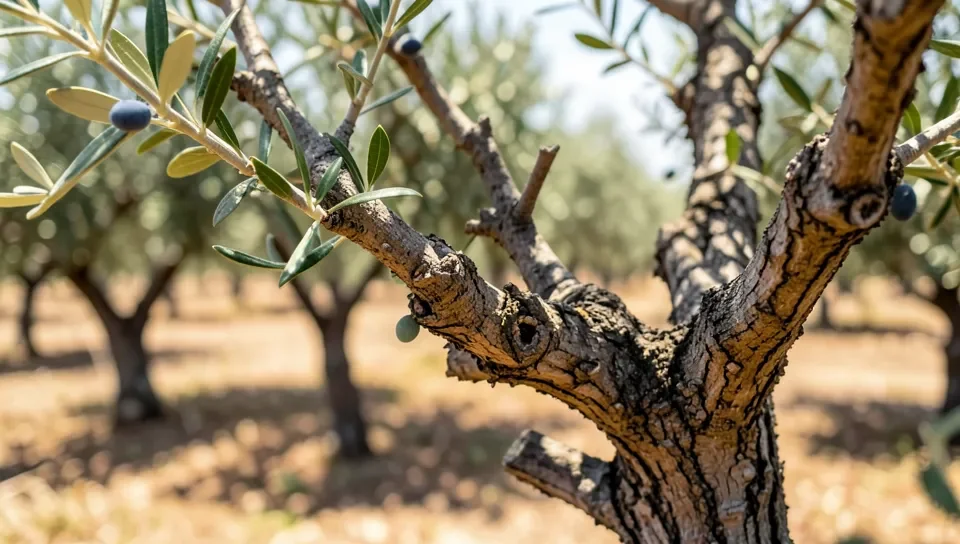
One detail that gets left out of most olive wood product descriptions: olive trees are grown for oil and fruit, not lumber. A producing olive tree can stay in the ground for decades, sometimes centuries, so wood only becomes available when a tree is pruned back or when an older tree stops producing enough fruit to be commercially worth keeping. That’s why olive wood cutting boards tend to cost more per square inch than boards made from maple, walnut, or acacia – the supply is tied to grove maintenance and orchard retirement cycles in Mediterranean growing regions like Tunisia, rather than a dedicated lumber operation that can just plant and harvest more trees on demand.
It also explains why boards are almost always irregular in shape and modest in size – a cutting board has to be cut from whatever section of trunk or branch the pruning or retirement actually produced, not milled to a standard dimension the way a maple board would be. The Trader Joe’s boards and the Tunisian-sourced boards sold on Amazon both come out of this same supply chain.
How to Care for an Olive Wood Cutting Board
Olive wood cutting boards last for years, but only with the same basic care any quality wood board needs:
- Hand wash only, right after use. Warm water, a mild dish soap, and a sponge or soft brush. Never run it through the dishwasher – the heat and prolonged water exposure will warp or crack it.
- Dry it standing up, not flat. Towel-dry both sides, then let it air-dry on its edge so air can reach both faces evenly. A board left flat on a wet counter is far more likely to warp.
- Oil it monthly with food-grade mineral oil. Food-grade mineral oil (not mineral spirits, which is a solvent, not a food-safe finish) or a food-safe board cream keeps the wood from drying out and cracking. Apply a thin coat, let it sit for a few hours, then wipe off the excess.
- Sand out deep cuts if they show up. Light 220-grit sanding on a stubborn gouge, followed by a fresh coat of oil, keeps the surface food-safe and looking new.
The same rules apply to Trader Joe’s olive wood utensils, not just the boards – we cover that in more detail in our full guide to caring for olive wood utensils.
Frequently Asked Questions
Is Trader Joe’s Olive Wood Cutting Board Available Year-Round?
No. It’s a seasonal item that typically restocks once a year, generally in the fall/winter holiday season, and sells out within days at most stores. It isn’t sold through Trader Joe’s website, so checking local store stock by phone is the most reliable way to confirm availability.
Is Olive Wood Actually Antimicrobial?
Not in an official regulatory sense – no cutting board material carries an FDA or USDA “antimicrobial” approval. Research has found that clean, dry wood surfaces harbor less live bacteria than plastic, and the USDA permits hardwood boards for raw meat, but that protection depends on washing and fully drying the board after every use, not a built-in property that works on its own.
Is Olive Wood Safe for Cutting Meat?
Yes. Olive wood is a dense hardwood, and the USDA’s guidance on cutting boards for raw meat and poultry covers wood and other nonporous surfaces equally – there’s no wood-specific restriction. Wash it in hot, soapy water immediately after cutting raw meat, dry it completely, and avoid letting juices sit on the surface.
How Do You Clean and Oil an Olive Wood Cutting Board?
Hand wash with warm water and mild dish soap, dry it standing on its edge, and never put it in the dishwasher or let it soak. Apply food-grade mineral oil about once a month – more often if you notice the surface looking dry or pale – letting it absorb for a few hours before wiping off any excess.
Bottom Line
Trader Joe’s olive wood cutting board is worth grabbing if you happen to catch the seasonal restock – the price is genuinely good for real olive wood. But it’s not something you can count on being there when you need it, so if you want an olive wood board today rather than waiting for the next restock window, a year-round option like the one above will get you the same dense grain and durability without the guesswork.
Sponsored / affiliate links. As an Amazon Associate I earn from qualifying purchases. I may earn additional commission from eligible campaigns.