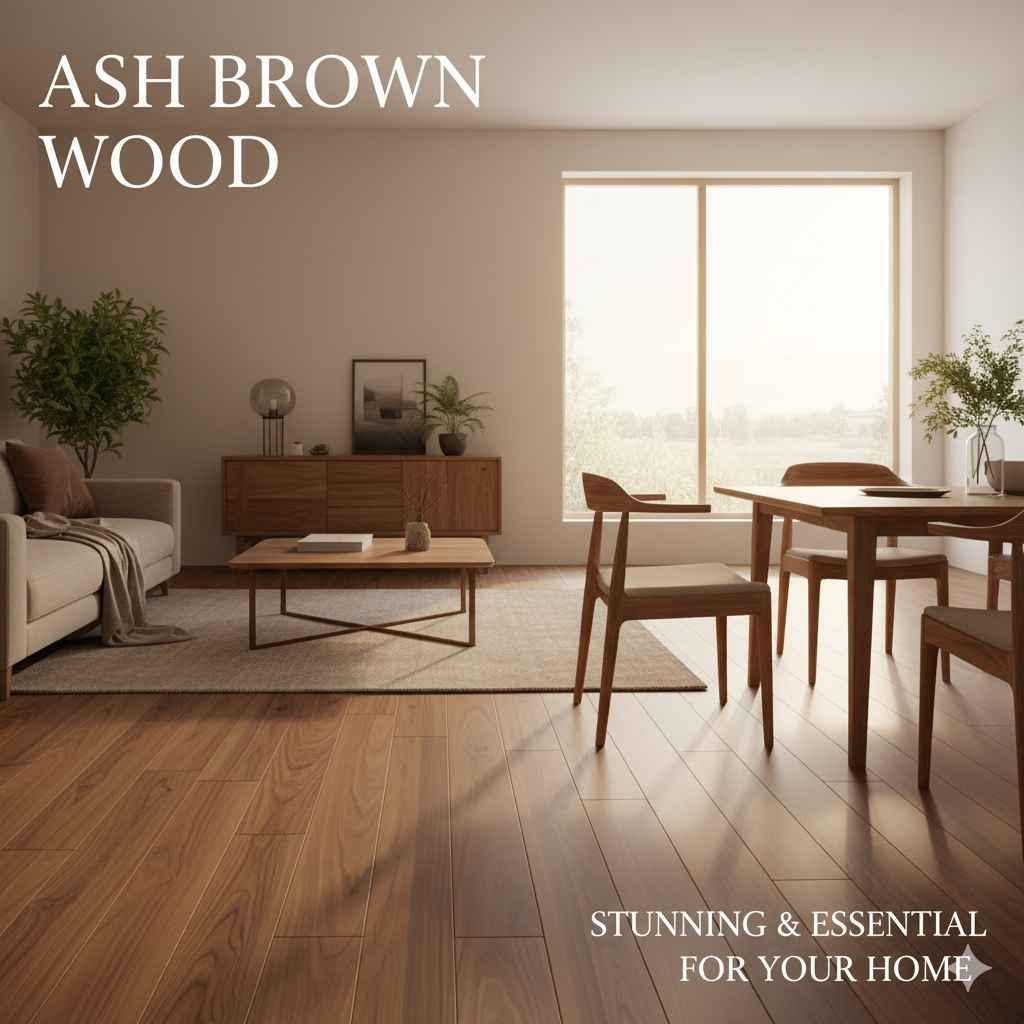
Ash Brown Wood: Stunning & Essential for Your Home
Ash brown wood is a versatile and stylish choice for home decor, offering a chic, natural aesthetic with its cool, earthy tones. It’s durable, accessible, and surprisingly easy to work with, making it perfect for beginners looking to add beautiful, lasting pieces to their homes.
Ever admired those stunning, sophisticated interiors with wood elements that just feel right? Often, that feeling comes from the subtle elegance of ash brown wood. It’s a look that’s both modern and timeless, blending seamlessly into various design styles, from minimalist to rustic. But choosing the right wood can feel daunting, especially if you’re new to home improvement or DIY projects. Don’t worry! Ash brown wood is incredibly beginner-friendly and opens up a world of beautiful possibilities for your home. Today, we’ll explore why it’s such a fantastic choice and how you can incorporate its charm into your living space. Get ready to create something wonderful!
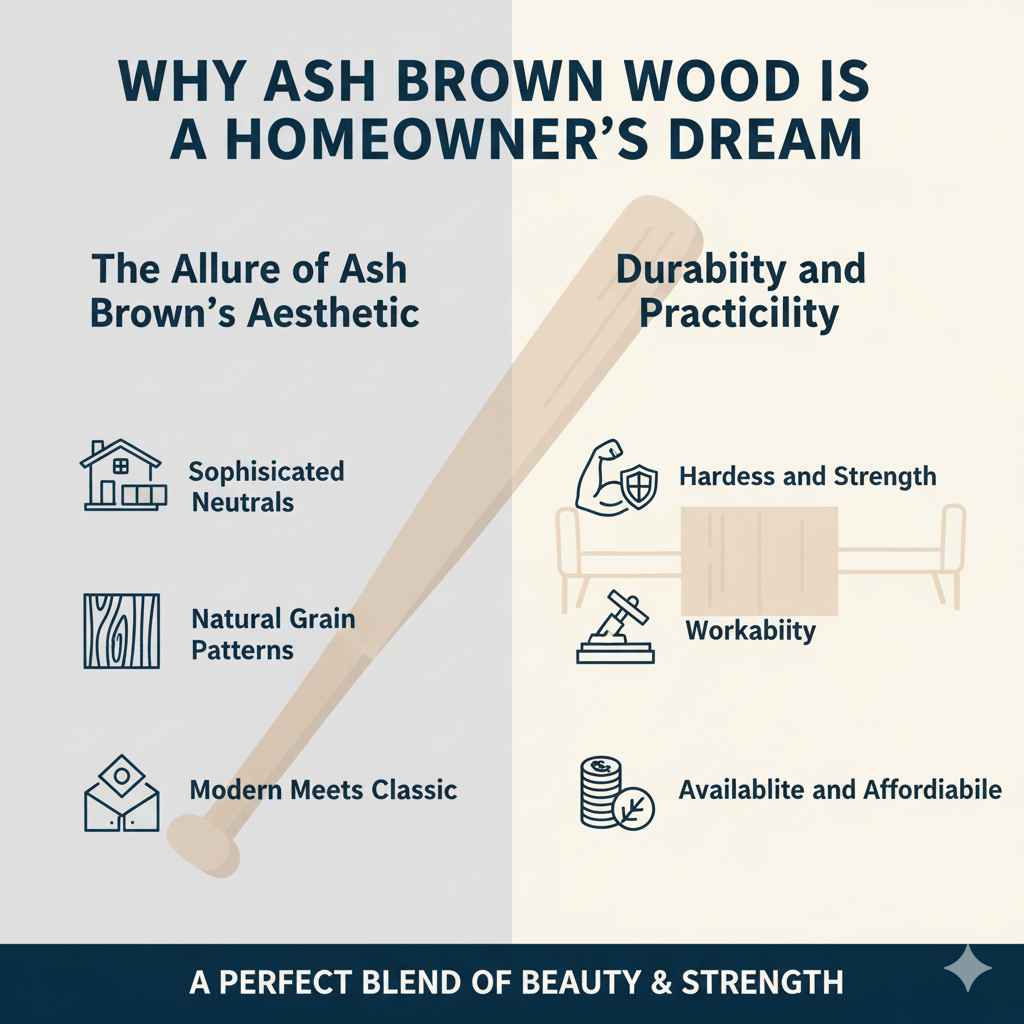
Why Ash Brown Wood is a Homeowner’s Dream
Ash brown wood isn’t just about looks; it’s a powerhouse of practical benefits. Its unique combination of aesthetic appeal and physical properties makes it a top pick for everything from furniture to flooring.
The Allure of Ash Brown’s Aesthetic
The visual appeal of ash brown wood is undeniable. Its color palette leans towards cool, muted browns with subtle undertones of gray, sometimes even with hints of green or violet. This makes it incredibly versatile.
Sophisticated Neutrals: The neutral tones of ash brown wood act as a perfect backdrop. They don’t overpower a room but rather enhance its existing decor.
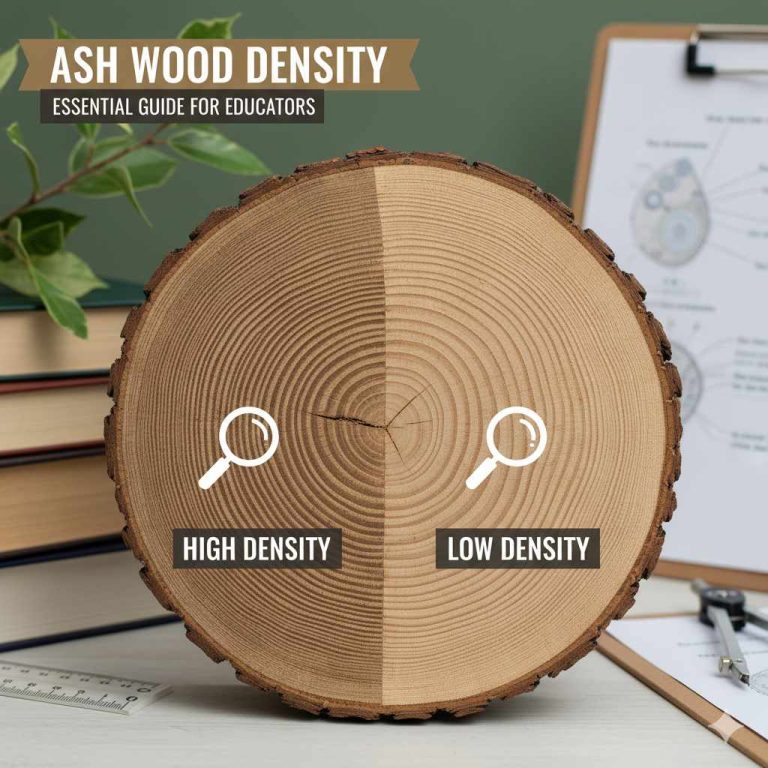
Natural Grain Patterns: Ash wood typically features a straight, prominent grain that can add texture and visual interest without being too busy. This grain is often more consistent than some other hardwoods, making it easier to achieve a streamlined look.
Modern Meets Classic: Whether you’re aiming for a sleek, modern vibe or a cozy, traditional feel, ash brown wood fits right in. It complements bright colors, darker palettes, and natural textures beautifully.
Durability and Practicality
Beyond its good looks, ash brown wood is known for its strength and resilience.
Hardness and Strength: Ash is a hardwood, making it strong enough to withstand daily wear and tear. This is crucial for items like flooring, tabletops, and cabinetry that see a lot of use. According to the U.S. Department of Agriculture Forest Service, ash wood has a high resistance to shock, making it an excellent choice for applications that require impact resistance.
Workability: For DIY enthusiasts and beginners, this is a huge plus. Ash is easier to machine, sand, and finish compared to some other dense hardwoods. It takes stains and finishes well, allowing you to customize the look further.
Availability and Affordability: Compared to other popular hardwoods like oak or walnut, ash is often more readily available and can be more budget-friendly, making it an accessible option for many projects.
Understanding Ash Brown Wood: What Makes It Special?
Ash wood comes from the Ash tree genus (Fraxinus). There are several species, but common types used in woodworking include White Ash and Green Ash. The “brown” aspect often refers to the heartwood, which is typically darker than the sapwood. The color can vary depending on the tree, its growing conditions, and how the wood is processed.
Color Variations
The exact shade of ash brown can range significantly. You might find:
Light Ash Brown: Creamy browns with subtle gray or tan undertones.
Medium Ash Brown: Richer, more solid brown tones with visible grain.
Dark Ash Brown: Deeper, almost chocolatey browns, sometimes with a noticeable gray cast.
The appearance can also be influenced by the finish applied. A clear coat will reveal the natural color, while a tinted stain can shift it towards warmer or cooler tones.
Grain and Texture
Ash wood typically has a straight, open grain. This means the pores are relatively large.
Prominent Grain: The grain pattern is usually distinct and adds a natural, organic feel to projects.
Smooth Finish Potential: While the grain is visible, it generally sands down smoothly, providing a good surface for finishes. Filling the pores with a grain filler before finishing can achieve an ultra-smooth surface if desired, which is great for high-gloss applications.
Incorporating Ash Brown Wood Into Your Home: Beginner-Friendly Ideas
As a DIY enthusiast, I love how adaptable ash brown wood is. You don’t need advanced skills to create beautiful pieces. Here are some ideas perfect for beginners.
1. DIY Coffee Table or End Table
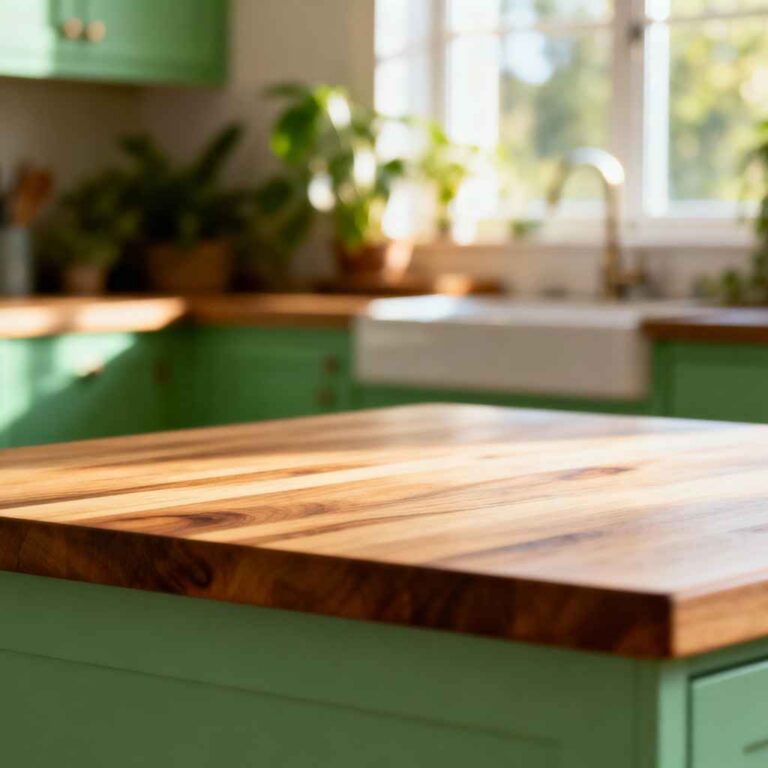
A simple table is a fantastic first project. Ash brown wood brings a natural, grounded feel to your living room.
Project Idea: A rectangular coffee table with four straight legs. You can find pre-cut lumber at your local hardware store.
Beginner Tips:
Use a simple design with straight cuts.
Focus on precise measurements.
Learn to use a drill for pilot holes to prevent wood splitting.
Practice sanding for a smooth finish.
Consider using pocket hole joinery with a jig – it’s surprisingly easy and creates strong, hidden joints. Companies like Kreg Tool offer excellent beginner-friendly jig systems.
2. Floating Shelves
Floating shelves are chic and space-saving. Ash brown wood gives them a modern, natural look.
Project Idea: Create simple rectangular boxes or use solid planks for a more rustic feel.
Beginner Tips:
Ensure you have sturdy wall anchors suitable for your wall type (drywall, plaster, etc.). Resources like This Old House often have guides on proper anchoring techniques.
Measure carefully for level installation.
A clear or light natural finish will highlight the ash’s beautiful grain.
3. Picture Frames or Mirror Frames
Elevate your decor with custom frames. This is a great way to practice joinery and finishing.
Project Idea: Cut wood strips at 45-degree angles to create a mitered frame.
Beginner Tips:
A miter box and saw are essential for accurate 45-degree cuts.
Use wood glue and small brad nails or clamps to hold the corners while the glue dries.
Sand thoroughly before applying a finish.
4. Accent Wall Panels
Adding a feature wall with wood can transform a room. Ash brown wood offers a sophisticated, earthy vibe.
Project Idea: Install thin ash wood planks vertically or horizontally. You can use a simple nail gun or even strong construction adhesive for lighter panels.
Beginner Tips:
Start with a small section, like behind a TV or bed, to get a feel for it.
Ensure the first piece is perfectly level, as subsequent pieces will follow its line.
Use a good quality finish to protect the wood and enhance its color.
5. Wooden Planter Boxes
Bring the outdoors in with stylish planter boxes made from ash brown wood.
Project Idea: Simple box construction with a bottom and drainage holes.
Beginner Tips:
Use outdoor-appropriate wood sealant or paint to protect against moisture.
Ensure good drainage to keep plants healthy.
Consider lining the inside with plastic to further protect the wood.
Tools and Materials Every Beginner Needs
Starting a woodworking project doesn’t require a huge workshop. Here are some essential tools and materials that will get you going with ash brown wood.
Essential Hand Tools
Measuring Tape: For accurate measurements.
Pencil: For marking cuts and positions.
Safety Glasses: Absolutely non-negotiable! Protect your eyes.
Work Gloves: To protect your hands.
Hand Saw or Power Saw (e.g., Circular Saw): For cutting wood to size. A circular saw will make cuts faster and straighter with practice.
Drill/Driver: For making holes and driving screws. Cordless drills are very convenient.
Screwdriver Set: For various screw types.
Hammer: For smaller nails or adjustments.
Clamps: To hold pieces together while gluing or screwing.
Finishing Supplies
Sandpaper: Various grits (e.g., 80, 120, 220) for smoothing.
Wood Glue: Essential for strong joints.
Finishing (e.g., Polyurethane, Oil-Based Finish, Stain): To protect the wood and enhance its look.
Brushes or Rags: For applying finishes.
Where to Buy Ash Brown Wood
Local Lumber Yards: Often have a good selection of hardwoods and knowledgeable staff.
Big Box Home Improvement Stores: Convenient for common project woods, though selection might be more limited.
Online Retailers: Can offer a wider variety, but you can’t inspect the wood beforehand.
Safety First! Always read the safety instructions for your tools and wear appropriate personal protective equipment (PPE). Organizations like the Occupational Safety and Health Administration (OSHA) provide valuable safety guidelines for working with tools and materials.
A Step-by-Step Guide: Simple Ash Brown Wood Project (DIY Side Table Top)
Let’s walk through a straightforward project to build a beautiful ash brown wood top for an existing table base or small legs.
Materials Needed:
Ash wood boards (enough to create your desired top size)
Wood glue
Screws (appropriate length for your boards)
Sandpaper (80, 120, 220 grits)
Wood sealer or polyurethane finish
Optional: Wood filler for gaps
Tools Needed:
Measuring tape
Pencil
Circular saw or miter saw
Drill/Driver with drill bits and driver bits
Clamps (at least 4)
Safety glasses
Work gloves
Steps:
1. Plan and Measure:
Decide on the final dimensions for your table top.
Measure and mark your ash wood boards for the cuts. Aim for boards that are all the same width for a consistent look, or mix widths for a more varied pattern.
2. Cut Your Boards:
Using your circular saw or miter saw, carefully cut the ash boards to the determined lengths. Ensure your safety glasses are on! If using a circular saw, consider using a straight edge guide clamped to the wood for perfectly straight cuts.
3. Arrange and Glue:
Lay your cut boards side-by-side on a flat surface. Arrange them to achieve the look you desire, paying attention to the grain direction and color variations.
Apply a generous bead of wood glue along the edges where the boards will join. Don’t be stingy with the glue – squeeze-out is better than not enough.
4. Clamp and Assemble:
Bring the glued edges together. Use your clamps to pull the boards tightly together. Place clamps across the width of your assembled top, alternating above and below the boards to keep them aligned. Ensure the surface is as flat as possible.
Wipe away any excess glue that squeezes out with a damp cloth before it dries.
Let the glue dry completely according to the manufacturer’s instructions (usually 24 hours for maximum strength).
5. Add Support (Optional but Recommended):
For larger tops, adding cross-braces on the underside will prevent warping. Cut smaller pieces of ash wood or plywood and glue/screw them perpendicular to the main boards on the underside.
6. Prepare for Finishing:
Once the glue is dry, remove the clamps.
If there are any small gaps between boards, you can fill them with wood filler and let it dry.
Begin sanding. Start with a coarser grit (like 80 or 100) to flatten any unevenness and smooth the joints.
Progress to finer grits (120, then 220) to achieve a silky-smooth surface. Sand in the direction of the wood grain. Use a sanding block or orbital sander for best results.
7. Apply Finish:
Clean off all sanding dust thoroughly. A vacuum followed by a tack cloth works best.
Apply your chosen finish (wood sealer, stain, or polyurethane) according to the product instructions. For ash brown wood, a clear polyurethane or a light-tinted oil-based finish often looks stunning, enhancing the natural color and grain.
Apply in thin, even coats. Lightly sand with very fine grit sandpaper (220 or higher) between coats if recommended by the finish manufacturer for a smoother result. Allow each coat to dry completely.
8. Attach to Base (If Applicable):
Once the finish is fully cured, you can attach your new ash brown wood top to your table base or legs. Use screws from the underside of the base or through pre-drilled holes in any cross-braces.
Congratulations! You’ve just created a beautiful, custom ash brown wood piece for your home.
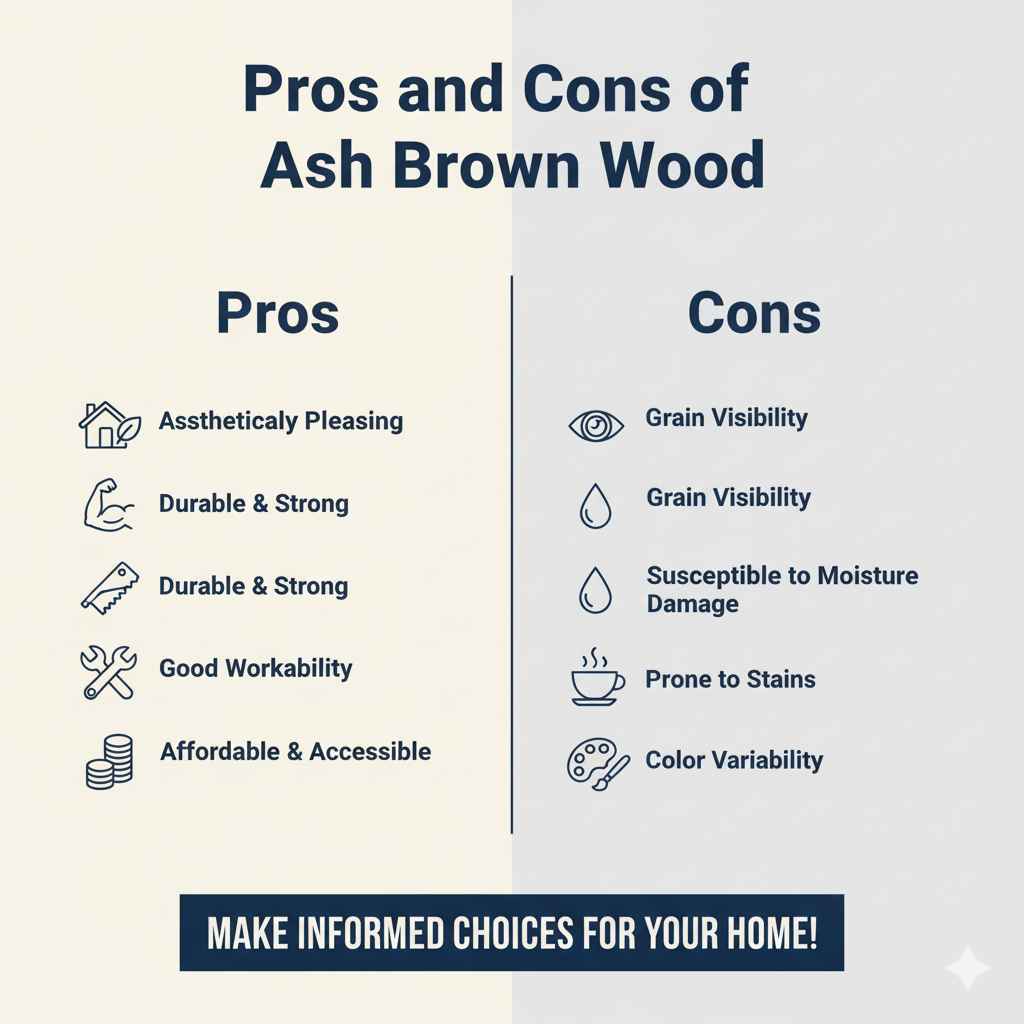
Pros and Cons of Ash Brown Wood
Like any material, ash brown wood has its advantages and disadvantages. Understanding these helps you make informed decisions for your projects.
| Pros | Cons |
|---|---|
| Aesthetically Pleasing: Cool, neutral brown tones complement many decors. | Grain Visibility: The open grain might require filling for a perfectly smooth, high-gloss finish. |
| Durable and Strong: Resists wear and tear, suitable for high-traffic areas. | Susceptible to Moisture Damage: Like most woods, it needs proper sealing if used outdoors or in very humid environments. |
| Good Workability: Relatively easy to cut, shape, sand, and finish. | Can be Prone to Stains: The porous nature means spills should be wiped up quickly. |
| Affordable and Accessible: Generally more budget-friendly than other hardwoods. | Color Variability: While beautiful, natural color variations can occur between boards. |
| Shock Resistant: Good for applications that might experience impact. | Not as Hard as Some Woods: While a hardwood, it’s not as dense as, say, hickory. |
Ash Brown Wood vs. Other Popular Woods
How does ash brown wood stack up against other common choices?
| Wood Type | Typical Color | Grain Pattern | Hardness (Janka) | Typical Use | Ash Brown Wood Comparison |
|---|---|---|---|---|---|
| Ash (Brown) | Cool, light to medium browns with gray undertones | Prominent, straight, open grain | ~1320 | Flooring, furniture, cabinetry, tool handles, sports equipment | Offers a cool, modern tone; easier to work than oak; less visually busy than maple. |
| Oak (Red/White) | Light to medium browns, can be reddish (red oak) | Distinct, often cathedral grain | ~1290 (Red) / ~1360 (White) | Furniture, flooring, cabinetry, millwork | Ash is lighter and smoother in tone; oak appears more formal and has a bolder grain. |
| Maple (Hard) | Creamy white to light brown | Fine, subtle grain; sometimes wavy or birdseye | ~1450 | Furniture, flooring, cabinetry, musical instruments | Ash has a more pronounced grain and is darker; maple is harder and more uniform. |
| Walnut | Rich, dark brown | Straight to wavy grain; elegant texture | ~1010 | High-end furniture, cabinetry, gunstocks | Ash is much lighter and more affordable; walnut provides a luxurious, deep tone. |
| Pine (Soft) | Yellowish-white to reddish-brown | Visible knots and grain | ~390 | Furniture, paneling, rustic projects | Ash is far stronger and denser; pine is softer, cheaper, and easily dented. |
Note: Janka hardness is a measure of the resistance of wood to denting and wear.
Ash brown wood truly strikes a balance, offering a beautiful, natural appearance with good durability at a reasonable price point, making it an excellent choice for many homeowners and DIYers.
Frequently Asked Questions About Ash Brown Wood
What is ash brown wood?
Ash brown wood refers to the heartwood of ash trees, which typically displays a range of light to medium brown colors, often with cool gray or tan undertones. It’s known for its straight, prominent grain pattern and is valued for its durability and workability.
Is ash brown wood good for flooring?
Yes, ash brown wood is an excellent choice for flooring. As a hardwood, it is durable enough to withstand foot traffic. Its attractive, neutral color and prominent grain can add warmth and character to any room. It’s also often more affordable than other hardwood options like oak or maple.
Can ash brown wood be stained?
Absolutely! Ash brown wood takes stains very well. While its natural color is appealing, staining allows you to customize the hue. Lighter stains can enhance its natural tones, while darker stains can give it a richer, more dramatic appearance.