How to Make Lye From Wood Ash Safely (and What It Really Is)
To make lye from wood ash, fill a plastic bucket that has a drain hole with clean, cold hardwood ash, slowly pour rainwater through it, and collect the dark liquid that drains out. That liquid is a caustic alkaline solution that can burn skin and eyes, so you do this outdoors in splash goggles and chemical-resistant gloves, never in metal containers.
Most guides skip two facts. First, ash lye is not a clean, pure potassium hydroxide solution: the traditional liquor is rich in potassium carbonate, and its strength is unknown unless you test it. Second, the egg float trick people rely on is a rough guess, not a measurement. This guide covers the real chemistry, the setup, a safety and first aid section built from a potassium hydroxide safety data sheet and NIOSH, and when you should simply buy lye instead. If you still need ash, start with where to buy wood ash near you.
What Wood Ash Lye Really Is
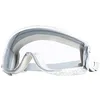
Best Splash Goggles Pick
|
Honeywell Uvex Stealth Safety Goggles, Clear HydroShield Anti-Fog Lens (S3960HS)
|
Lye is a strong alkali. Traditionally, lye was made by leaching wood ashes in water, which gives an alkaline liquor rich in potassium carbonate. Adding slaked lime converts that carbonate into potassium hydroxide, the stronger alkali. Plain leaching, which is what most backyard guides describe, stops at the first stage.
That matters because the ash itself does not contain much of the active ingredient. A University of Maine Cooperative Extension bulletin on boiler wood ash reports about 4 percent potassium by weight, with calcium the largest nutrient component (roughly one ton of calcium in five tons of ash). Calcium compounds are the main reason ash works as a soil liming agent. The bulletin also found that the liming strength of six Maine ashes (calcium carbonate equivalent) ranged from 25 to 59 percent by the acid method, so two ashes can behave very differently. Those are commercial boiler ashes, not fireplace ashes, so treat them as a guide to how much ash varies, not as numbers for your stove.
| Property | Wood ash leachate (DIY) | Lab-grade potassium hydroxide (KOH) |
|---|---|---|
| Main dissolved compound | Potassium carbonate (traditional liquor) | Potassium hydroxide, 100 percent in the SDS reviewed |
| Strength | Unknown unless you measure it, varies by ash and water | Known: pH 13.5 at 0.1 M |
| Hazard | Treat as corrosive, caustic liquid | Danger: causes severe skin burns and eye damage |
| Swallowing | Treat as poison, call poison control | Harmful if swallowed, oral LD50 284 mg/kg in rats |
| Inhalation limit | None set for your ash lye | NIOSH ceiling limit 2 mg/m3 |
| Food use | Unknown contents, do not assume safe | SDS states not for food, drug, or pesticide use |
The right-hand column is the lab chemical, and your ash lye will usually be weaker. The point of the table is the left column: you are making a variable, unlabeled caustic liquid, so every safety decision should assume it can burn.
Safety First: PPE, Hazards, and First Aid
A potassium hydroxide safety data sheet from a major lab supplier carries the signal word Danger and states that the chemical causes severe skin burns and eye damage, may be corrosive to metals, and is harmful if swallowed. NIOSH lists irritation of the eyes, skin, and respiratory system, and eye and skin burns, and recommends eyewash and quick drench stations where it is handled. Your ash lye is a dilute, mixed version of this chemical, but it is the same family of hazard.
- Eyes: wear chemical splash goggles, not plain safety glasses. The SDS calls for chemical safety goggles.
- Skin: wear chemical-resistant gloves and long sleeves. The SDS calls for protective gloves and clothing to prevent skin exposure.
- Location: work outdoors or in a well-ventilated place, as the SDS advises, and keep a hose or large water jug within arm’s reach.
- Containers: use plastic. The SDS lists metals as incompatible and warns that contact with metals may release flammable hydrogen gas. It recommends a corrosive-resistant polypropylene container.
- Dust: dry ash is dusty. The Maine extension bulletin advises avoiding inhaling the dust of any dusty soil amendment such as ash, so wear a dust mask when sifting.
- Kids and pets: keep both away from the bucket and the finished liquid, and label every container.
| If this happens | Do this (from the potassium hydroxide SDS) |
|---|---|
| Lye in the eyes | Rinse immediately with plenty of water, also under the eyelids, for at least 15 minutes. Immediate medical attention is required. |
| Lye on skin | Take off contaminated clothing and wash off immediately with plenty of water for at least 15 minutes. Immediate medical attention is required. |
| Swallowed | Do not induce vomiting. Call a physician or Poison Control Center immediately (US: 1-800-222-1222). |
| Breathed in | Move to fresh air and get immediate medical attention. |
Dissolving solid lye in water is highly exothermic, and the heat may cause additional burns or ignite flammables, so never rush mixing. Plain leaching does not heat up that way, but the same rule applies if you ever convert or concentrate the liquid: go slowly and keep it away from anything that burns.
Choose Your Ash Before You Start
Ash quality decides whether the project is worth doing. Use ash from clean, untreated wood only. Treated lumber, painted or stained scraps, and glued products such as plywood and MDF can leave preservatives and finishing residues in the ash, and those end up in your liquid. If you are not sure what burned in the stove, read can burning treated wood be dangerous before you use that ash for anything. Hardwood ash is the traditional choice for lye, and you should keep it dry, because ash that has been rained on has already lost its soluble salts.
- Let it go fully cold. Embers can stay hot long after the flames are gone, so give the ash a long, cold rest in a metal ash can before you handle it.
- Sift out charcoal chunks and nails. Use a fine screen so only powdery ash goes in the bucket.
- Keep it dry until use. Store it in a covered plastic bin, not an open pile. Our guide to cleaning ash out of a wood burner covers collecting it safely.
How to Make Lye From Wood Ash, Step by Step
This is the traditional leaching method. The exact water amounts, timing, and ash-to-water ratios vary a lot between sources and between ashes, so treat the numbers you find online, including ours, as rough starting points and expect to adjust.
- Gear up and set up outdoors. Put on goggles, gloves, and long sleeves. Place the bucket on a stable stand over a plastic collection container, away from grass you care about, because the liquid is alkaline enough to harm plants.
- Prepare a plastic leaching bucket. Drill a small drain hole near the bottom of a plastic bucket. Line the bottom with a layer of small stones, then straw or a coarse filter cloth, so ash does not clog the hole. Use no metal parts.
- Fill with cold, dry, sifted ash. Leave several inches at the top so water does not overflow.
- Pour rainwater or distilled water slowly. Rainwater or distilled water is the traditional choice because mineral-heavy tap water can carry other dissolved solids. Pour a little at a time and let it soak down.
- Collect the drip. The first liquid to come out is the darkest. Collect it in a polypropylene or other alkali-resistant plastic container, never metal.
- Filter out fine ash. Pour the liquid through a coffee filter or tightly woven cloth. Cloudy liquid contains more suspended solids.
- Label it immediately. Write what it is, the date, and CAUSTIC on the container, and store it sealed, out of reach of children and pets.
You will have far more spent ash than finished liquid, and the liquid will be weaker than the pure chemical. That is normal. A bigger, better-made batch does not remove the uncertainty about strength.
Why the Egg Test Is Only a Rough Guide
Old guides say the lye is ready when a fresh egg floats with a small patch showing above the surface. That is a density check, not a chemical one: it tells you roughly how much has dissolved in the water, not how much of that is active alkali versus neutral salts. We could not find a primary source that validates the egg test as a strength measure, so we do not recommend it for anything where strength matters, such as soap.
Better options exist, though none of them is perfect for home use. A hydrometer reads density more reliably than an egg, and a titration kit actually measures alkali content. If you cannot test properly, you do not know the strength, and the honest choice is to stop at a caustic cleaner or switch to a measured product. For a traditional soap using ash, see our guide on how to make wood ash soap.
Make It or Buy It? A Practical Comparison
| Goal | Better choice | Reason |
|---|---|---|
| Learn the traditional process or enjoy the craft | Make it | The process is the point, and the ash is free |
| Soap with predictable results | Buy measured KOH or NaOH | Soap recipes depend on a known lye strength, which ash does not give you |
| Cooking (hominy, pretzels) | Buy a food-grade product | Ash contents are unknown, and lab-grade KOH is labeled not for food use |
| Heavy drain cleaning | Buy a labeled product | A known strength and printed first aid and warnings |
| Garden use of ash | Use dry ash directly | See does wood ash help plants, no leaching needed |
Storage and Disposal
Store the liquid in a sealed, labeled polypropylene or similar alkali-resistant plastic container, away from acids and metals (the SDS lists water, metals, and acids as incompatible for solid KOH). Keep it cool and out of reach. Never reuse a food or drink bottle, because someone will mistake it for something safe.
For disposal, do not pour concentrated liquid into drains, storm sewers, or the ground. The SDS notes that large amounts affect pH and harm aquatic organisms, and it lists a 96-hour fish LC50 of 80 mg/L for potassium hydroxide. Contact your local household hazardous waste program.
Frequently Asked Questions
Can you really make lye from wood ash?
Yes. Soaking or running water through clean hardwood ash and collecting the liquid is the traditional method, and the liquid is an alkaline liquor rich in potassium carbonate. It is a corrosive, caustic liquid, so treat it with the same respect as store-bought lye. It is not the same as a measured, pure potassium hydroxide solution.
Is wood ash lye the same as sodium hydroxide?
No. Wood ash is potassium-based, so the liquor is mostly potassium carbonate, and potassium hydroxide is the related strong alkali. Sodium hydroxide is a different chemical. Potassium hydroxide soaps come out softer and dissolve more easily in water than sodium hydroxide soaps.
Can I use homemade ash lye for food like hominy or pretzels?
Wood ash lye has a long history in making hominy, but you cannot know its strength or what the ash contained. Safety data sheets for lab-grade potassium hydroxide state it is not for food use. If you want to cook with lye, buy a product sold as food grade and follow its instructions instead of improvising with ash.
How do I know if my wood ash lye is strong enough?
You cannot measure it by eye. The traditional egg float test only gives a rough idea, and pH strips show how alkaline the liquid is, not how much active alkali is in it. Soap recipes assume a known lye strength, and ash lye does not come with one.
What should I do if wood ash lye touches my skin or eyes?
Rinse with plenty of water for at least 15 minutes, take off contaminated clothing, and get immediate medical attention. This is the first aid timing in the potassium hydroxide safety data sheet. Do not wait for pain to build before you start rinsing.
How do I dispose of leftover ash lye?
Do not pour it into storm drains or surface water. Safety data sheets for potassium hydroxide warn that large amounts affect pH and harm aquatic organisms. Call your local household hazardous waste program for the right drop-off rules in your area.
Conclusion
Making lye from wood ash is simple to do and easy to underestimate. The liquid is caustic, its strength is unknown, and the old egg test cannot fix that. Use clean hardwood ash, plastic containers, goggles and gloves, and rinse for 15 minutes if anything splashes. If you need a result you can repeat, buy lye that comes with a known strength.
Sponsored / affiliate links. As an Amazon Associate I earn from qualifying purchases. I may earn additional commission from eligible campaigns.