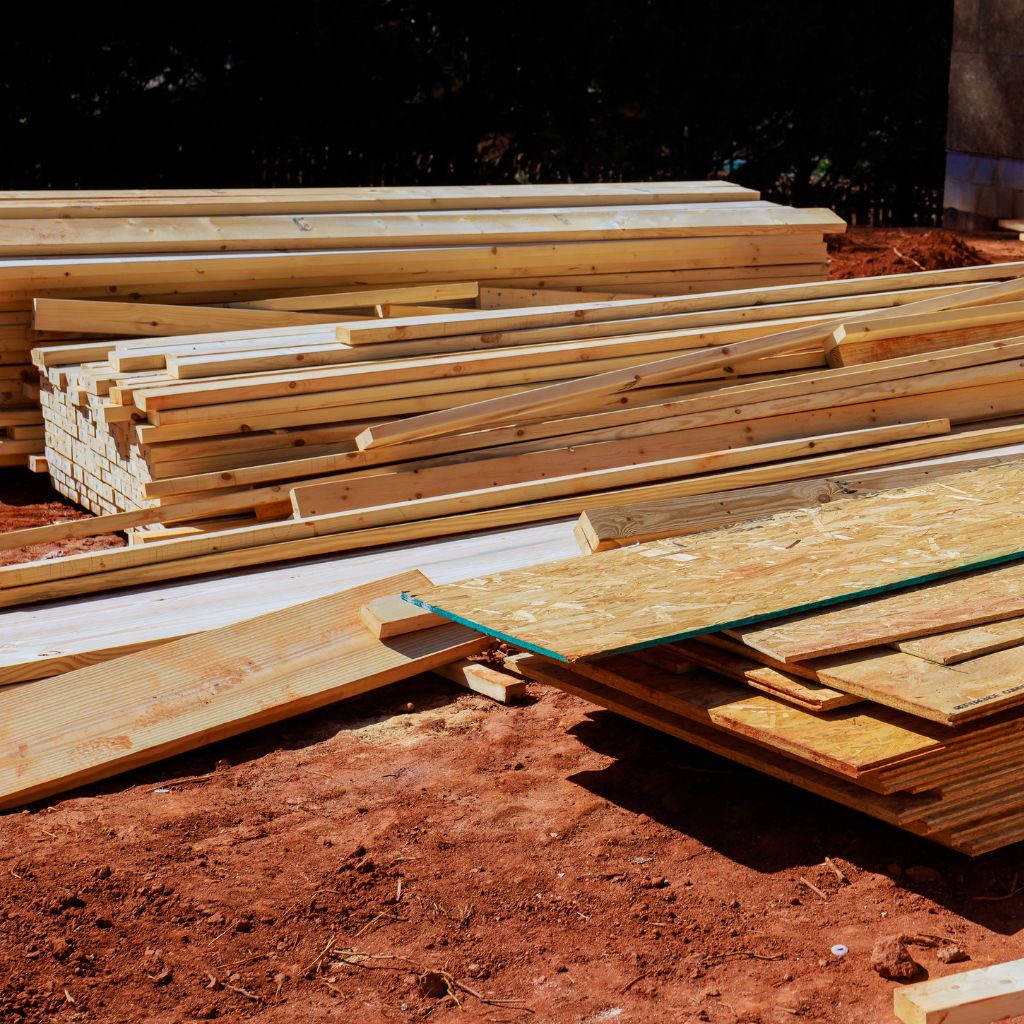
Ash Wood at Menards: Prices, Sizes Availability
Have you ever stared at a home improvement project, picturing the perfect accent piece or the sturdy foundation for a new piece of furniture, only to get stuck on the material? Choosing the right wood can feel overwhelming. You want something durable, attractive, and importantly, accessible without breaking the bank.
If you’re considering ash wood for your next build, especially if you shop at Menards, this guide is for you. We’ll break down the key details you need to know about Ash Wood at Menards: Prices, Sizes & Availability, helping you make informed decisions and get your project started with confidence.
Exploring Ash Wood at Menards
When planning any woodworking project, from building custom shelving to crafting a unique tabletop, selecting the right lumber is a critical first step. Ash wood is a popular choice for many DIYers and professionals alike due to its attractive grain, strength, and workability. Menards, a well-known home improvement retailer, often carries a variety of lumber options, and understanding what to expect regarding ash wood at their stores can save you time and effort.
This guide aims to provide you with a clear picture of the Ash Wood at Menards: Prices, Sizes & Availability, so you can confidently plan your purchases and get straight to building.
What is Ash Wood?
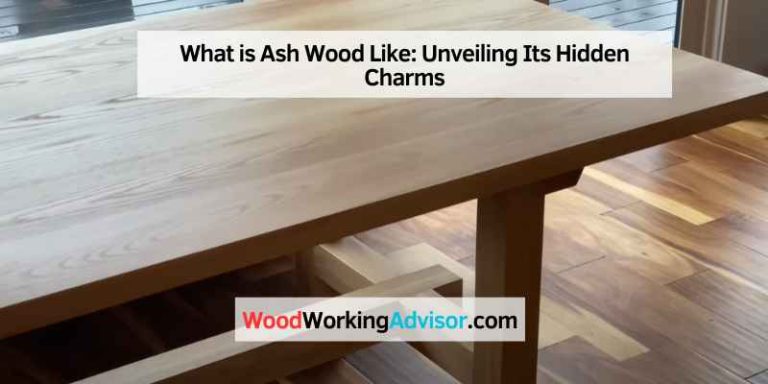
Ash wood comes from the ash tree, a hardwood species found in various regions. It is renowned for its strength and shock resistance, making it a favorite for applications like tool handles, baseball bats, and sporting equipment. Visually, ash wood typically features a straight, somewhat coarse grain with a light, creamy color.
Some pieces can exhibit a beautiful wavy or irregular grain pattern, adding visual interest to furniture and decorative items. Its hardness makes it durable and resistant to wear and tear.
The appeal of ash wood extends to its finishing qualities. It readily accepts stains and finishes, allowing you to customize its appearance to match your project’s aesthetic. Whether you’re aiming for a natural, light look or a darker, richer tone, ash wood can adapt well.
This versatility, combined with its inherent strength, positions ash as a practical and attractive option for a wide range of woodworking endeavors.
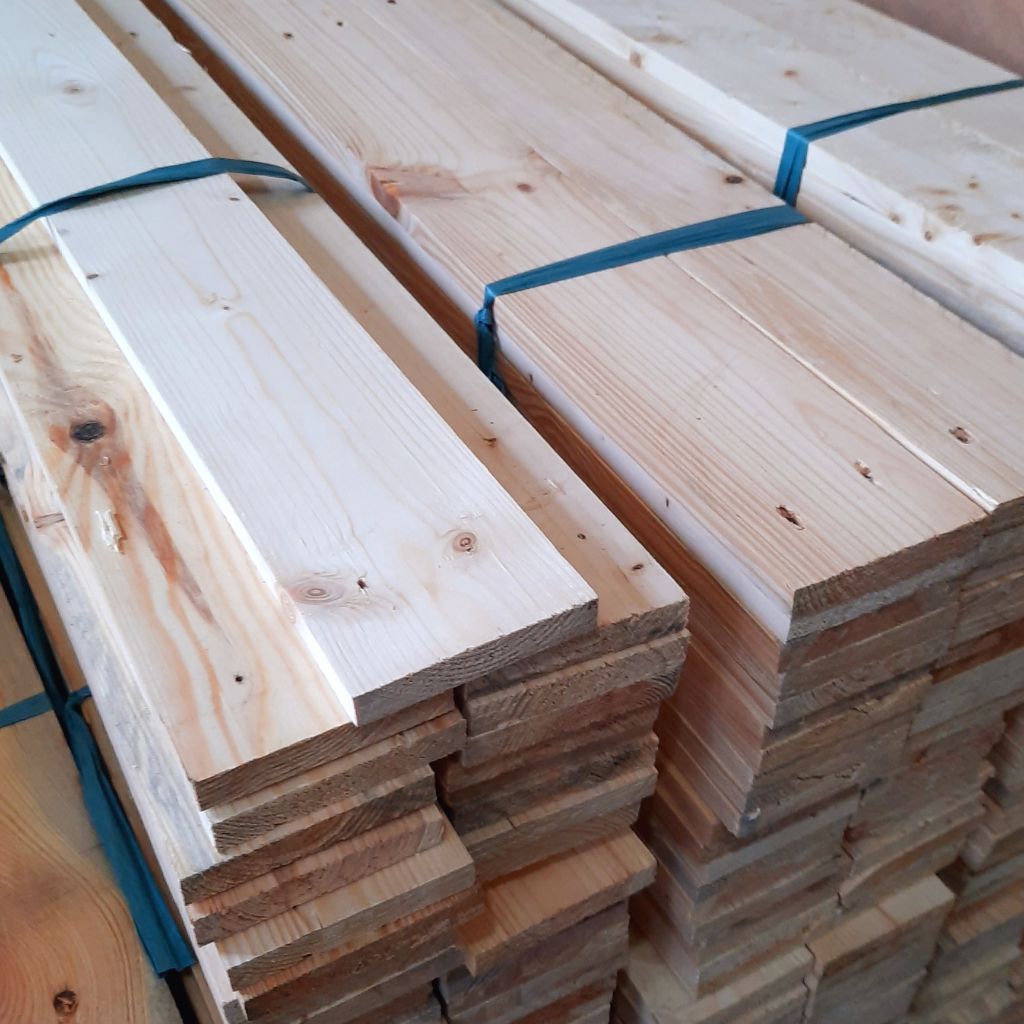
Why Choose Ash Wood for Your Projects?
The decision to use ash wood often comes down to a balance of performance and aesthetics. Its excellent strength-to-weight ratio means you get a robust material that isn’t overly heavy, making it easier to handle and transport. This is particularly beneficial for larger projects or when working alone.
The wood’s natural resistance to impact also makes it a reliable choice for pieces that will experience frequent use.
Furthermore, ash wood offers a pleasing natural beauty. The distinct grain patterns can add character and depth to any finished product. Unlike some softer woods, ash is less prone to denting and scratching, which helps maintain the appearance of your work over time.
For furniture makers, hobbyists, and contractors, these practical advantages, coupled with its aesthetic appeal, make ash a compelling lumber choice.
Ash Wood at Menards: What to Expect
Menards, as a prominent retailer, aims to provide a good selection of building materials, including various types of lumber. When you visit a Menards store, you’ll typically find wood in different species, grades, and dimensions. For ash wood, availability can vary based on your specific store location and the season.
It’s always a good idea to check their website or call your local Menards ahead of time to confirm their current stock.
Menards often sells lumber in standard dimensions, which can include common board sizes like 1×4, 1×6, 2×4, and so on. The length of these boards will also vary. You’ll likely find ash wood available in either rough-sawn or surfaced (S4S) options, meaning it has been planed smooth on all four sides.
The surfaced lumber is generally ready to use for most projects without further milling, saving you time and effort.
Common Grades of Ash Lumber
Lumber is graded based on the number and size of defects, such as knots, splits, and decay. Higher grades generally mean fewer defects and a more uniform appearance, but also a higher price. Common grades you might encounter for ash at a retailer like Menards include:
- Select Grade This is usually the highest grade, characterized by very few defects and a consistent color. It’s ideal for high-visibility projects where appearance is paramount, like fine furniture or decorative trim.
- Number 1 Common This grade allows for more knots and some imperfections but is still suitable for many furniture applications and general woodworking. It offers a good balance of quality and cost.
- Number 2 Common This grade will have more defects, including larger knots and potential minor splits. It’s a more economical option, often used for utility purposes, shop furniture, or projects where minor imperfections add character.
The grade will significantly influence the appearance and cost of the ash lumber you purchase.
Ash Wood Prices at Menards
Pricing for lumber can fluctuate based on market demand, the specific grade of wood, and the dimensions you choose. Ash wood is generally considered a mid-range hardwood. Compared to very premium hardwoods like walnut or cherry, ash tends to be more budget-friendly, making it an accessible choice for many projects.
However, it is typically more expensive than common softwoods like pine or fir.
At Menards, you can expect to pay by the linear foot or for specific lengths of boards. Prices will vary depending on the thickness and width of the board, with wider and thicker boards naturally costing more. The grade of the ash will also play a significant role.
Select grade ash will command a higher price than Number 2 Common. It’s wise to compare prices if you have the opportunity, but Menards usually aims to be competitive with its lumber offerings.
For example, a common size like a 1×6 board of ash might range from $X to $Y per linear foot, with prices adjusting for different grades and any sales Menards might be running. Always check the price tags carefully at the lumber counter or on the product listing if shopping online.
Factors Influencing Ash Wood Prices
Several factors contribute to the overall cost of ash lumber available at Menards and other retailers:
- Grade of the Wood As mentioned, higher grades with fewer defects are more expensive.
- Dimensions of the Board Wider and thicker boards require more raw material and processing, leading to higher prices.
- Surfaced vs. Rough-Sawn Surfaced lumber is processed and ready for use, which adds to its cost compared to rough-sawn boards that require more preparation.
- Regional Availability and Demand Lumber prices can vary slightly depending on your geographic location and the current demand for ash wood.
- Supplier Costs The cost Menards incurs from their lumber suppliers will ultimately influence the retail price.
Ash Wood Sizes Available at Menards
Menards typically stocks lumber in standard dimensional sizes that are common in the construction and woodworking industries. When looking for ash wood, you can generally expect to find:
- Common Thicknesses such as 4/4 (which is actually 1 inch thick when surfaced), 5/4 (1 ¼ inch), 6/4 (1 ½ inch), and 8/4 (2 inches).
- Common Widths ranging from 4 inches, 6 inches, 8 inches, 10 inches, and up to 12 inches.
- Common Lengths often available in 8-foot, 10-foot, 12-foot, and sometimes longer lengths.
The specific sizes available will vary by store and inventory. For very specific or unusual dimensions, you might need to consult a specialized lumberyard. However, for most common DIY projects, Menards’ selection should be sufficient.
Always measure your project needs before heading to the store to ensure you select the correct dimensions.
How to Choose the Right Size
Selecting the appropriate size of ash lumber is crucial for the success and structural integrity of your project. Consider these points:
- Structural Requirements For load-bearing elements like table legs or shelf supports, you’ll need thicker, wider boards. Consult basic woodworking guides or engineering principles for your specific application.
- Aesthetic Considerations For decorative elements, thinner boards or specific grain patterns might be preferable.
- Workability Thicker boards can be heavier and more challenging to cut and handle, especially for beginners.
- Cost-Effectiveness Sometimes, using a combination of thinner boards or joinery techniques can be more economical than using a single, very large piece.
Availability of Ash Wood at Menards
The availability of ash wood at Menards can be a dynamic aspect. Like many home improvement stores, their inventory is subject to supply chain logistics, seasonal demand, and regional purchasing decisions. Smaller Menards locations might have a more limited selection compared to larger distribution centers or stores in areas with higher woodworking or construction activity.
To get the most accurate information about Ash Wood at Menards: Prices, Sizes & Availability, your best bet is to:
- Check the Menards Website Most Menards stores have an online presence where you can check local inventory for specific lumber items. This is often the quickest way to see if ash is currently in stock at your preferred location.
- Visit Your Local Store Lumber departments can sometimes have items that aren’t perfectly reflected online, or you might discover other useful materials while you’re there.
- Call Ahead If you’re making a special trip for ash wood, especially if you need specific dimensions or quantities, calling the lumber desk at your local Menards can save you a wasted journey.
Keep in mind that availability can change rapidly. If a particular size or grade of ash wood is out of stock, ask a store associate if they expect a restock soon or if alternative lumber species might be suitable for your project.
Tips for Checking Availability
Here are some practical tips for ensuring you find the ash wood you need at Menards:
- Be Flexible with Sizes If your first choice isn’t available, consider if a slightly different width or length could work.
- Ask About Special Orders For larger quantities or specific lumber needs not typically stocked, inquire if Menards offers special order services.
- Plan for Project Needs It’s better to buy a little extra wood than to run short. Factor in waste from cuts and potential defects.
Comparing Ash Wood to Other Lumber Options
While ash wood offers many benefits, it’s helpful to compare it to other commonly available lumber species to ensure it’s the best fit for your project. At Menards, you’ll likely find other hardwoods and softwoods, each with its own characteristics and price points.
Ash vs. Oak
Oak is another very popular hardwood, often found at Menards. Red oak and white oak differ in color and durability. Oak generally has a more pronounced grain pattern than ash and is also very strong.
White oak is particularly resistant to moisture. Prices for oak can be comparable to or slightly higher than ash, depending on the grade and species.
Ash vs. Maple
Maple, particularly hard maple, is known for its exceptional hardness and smooth, fine grain. It’s a favorite for workbenches, cutting boards, and high-end furniture. Maple often has a lighter, more uniform color than ash and can be more expensive.
Ash offers a bit more grain variation which some woodworkers prefer.
Ash vs. Pine
Pine is a softwood and is significantly less expensive and softer than ash. It’s easy to work with and widely available, making it a good choice for framing, rustic projects, or practice pieces. However, pine is much more susceptible to dents, scratches, and wear compared to ash, making ash a far more durable option for furniture and high-traffic items.
Here’s a quick comparison table:
| Wood Species | Hardness (Janka) | Typical Appearance | Price Range (Relative) | Common Uses |
|---|---|---|---|---|
| Ash | 1320 lbf | Light to medium brown, straight grain, can be wavy | Medium | Furniture, tool handles, sports equipment, flooring |
| Oak (Red) | 1290 lbf | Light to medium brown, pronounced grain | Medium to High | Furniture, flooring, cabinetry, barrels |
| Maple (Hard) | 1450 lbf | Creamy white to light brown, fine grain | High | Furniture, flooring, cabinetry, cutting boards |
| Pine (Eastern White) | 380 lbf | Pale yellow to light brown, knots common | Low | Framing, trim, DIY projects, rustic furniture |
Tips for Working with Ash Wood
Ash wood is generally considered easy to work with using both hand and power tools. Its straight grain allows for clean cuts, though its hardness means you’ll want sharp blades and bits.
- Cutting Use sharp saw blades for clean cuts. Bandsaws, table saws, and miter saws work well.
- Joining Ash glues well, and screws or nails hold firmly. Pre-drilling pilot holes is recommended, especially near the ends of boards, to prevent splitting.
- Sanding Ash sands smoothly. Start with a coarser grit (like 80 or 100) if the wood is rough, then move to finer grits (150, 180, 220) for a smooth finish.
- Finishing Ash readily accepts stains, varnishes, and paints. For a natural look, a clear coat will highlight its grain. If you plan to stain, test your chosen stain on a scrap piece first, as ash can sometimes absorb stain unevenly.
Frequently Asked Questions
Question: Is ash wood good for outdoor projects?
Answer: Ash wood has moderate resistance to decay and insect attack, making it suitable for some outdoor applications. However, for prolonged exposure to the elements, it’s best to use treated lumber or hardwoods known for superior outdoor durability like cedar or redwood, and ensure proper sealing and finishing.
Question: Can I find ash wood at Menards in its natural, unfinished state?
Answer: Yes, Menards typically sells ash wood in its natural state, often referred to as rough-sawn or surfaced lumber. You can then choose to leave it natural or apply your desired finish or stain.
Question: How does ash wood compare in price to oak at Menards?
Answer: Prices can vary, but ash wood at Menards is generally in a similar price bracket to red oak. White oak might be slightly more expensive. It’s always best to check current pricing at your local Menards store as these can fluctuate.
Question: What are the main differences between ash and poplar wood?
Answer: Ash is a hardwood that is much stronger, harder, and more durable than poplar, which is a softwood. Ash has a more pronounced and attractive grain pattern, while poplar is typically lighter in color and has a finer, more uniform grain. Poplar is generally less expensive than ash.
Question: Does Menards sell pre-finished ash wood planks?
Answer: Menards’ lumber department typically sells raw lumber that you finish yourself. Pre-finished wood products, like flooring or shelving made from ash, might be available in their flooring or home décor sections, but these are usually sold as finished goods rather than raw lumber for custom projects.
Final Thoughts
Deciding on the right lumber for your project is a key step, and understanding the options at retailers like Menards empowers you to make informed choices. Ash wood stands out as a versatile and strong hardwood that offers an attractive grain pattern, making it suitable for a wide range of applications from furniture to decorative elements. When considering Ash Wood at Menards: Prices, Sizes & Availability, remember that checking their website or contacting your local store is the most reliable way to get up-to-date information.
Be prepared for potential variations in stock and pricing based on grade, dimensions, and current demand. By knowing what to expect regarding its characteristics, you can confidently select ash wood that balances your project’s needs for durability, aesthetics, and budget. Don’t hesitate to ask store associates for assistance or compare ash with other wood species to ensure you’re getting the best material for your creative endeavors.
Happy building!