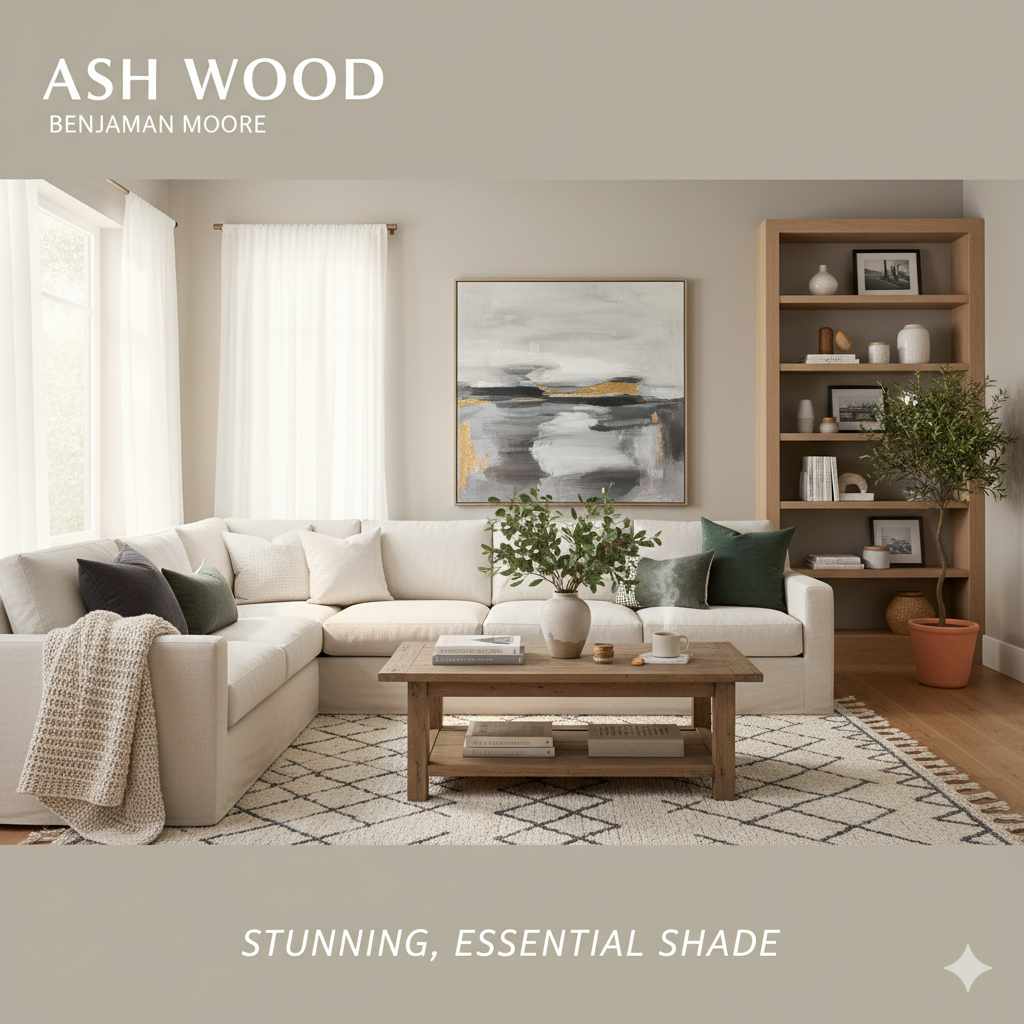
Ash Wood Benjamin Moore: Stunning, Essential Shade
Ash Wood Benjamin Moore is a sophisticated, versatile paint color that offers a neutral yet rich tone, perfect for creating calming and elegant spaces. It’s an essential shade for any DIYer looking to add warmth and depth to their home with minimal fuss.
Picking the perfect paint color can feel like a huge task, can’t it? You want your home to look beautiful, but sometimes the options just overwhelm you. That’s where a shade like Ash Wood by Benjamin Moore comes in. It’s a color that just works. It’s warm, it’s inviting, and it’s surprisingly easy to build your design around. Don’t stress about finding that magical color; Ash Wood might be exactly what you’ve been searching for to bring a touch of simple elegance to your home. We’ll explore why it’s so popular and how you can use it.
What is Benjamin Moore Ash Wood? A Closer Look
Benjamin Moore’s Ash Wood (color number HC-47) is a beautiful paint color that truly lives up to its name. It’s a mid-toned neutral that straddles the line between grey and greige, often leaning slightly towards a cozy, muted warmth. Think of the natural, weathered tones found in ash trees – not too dark, not too light, and with a subtle, earthy undertone. It’s not a stark white or a deep, dramatic hue, but rather a sophisticated middle ground that adapts beautifully to various lighting conditions and decor styles.
This color is often described as having a soft, stony feel to it, with faint hints of taupe or even a very subtle, dusty warmth that prevents it from feeling cold. This nuanced quality makes it incredibly versatile. It’s a color that feels grounded and tranquil, making it an excellent choice for creating a serene atmosphere in your home.
Key Characteristics of Ash Wood HC-47
Neutral Versatility: Its position as a neutral means it pairs well with a wide range of colors, from crisp whites and deep blues to earthy greens and warm metallics.
Subtle Warmth: Unlike cooler greys, Ash Wood possesses a gentle warmth that makes spaces feel inviting and comfortable.
Adaptable to Light: It performs well in both natural and artificial light, avoiding looking too grey in shade or too muddy in direct sun.
Sophisticated Finish: It offers a refined and timeless look that transcends fleeting trends.
Inspiration from Nature: The color draws inspiration from the natural beauty of ash wood, bringing an organic feel indoors.
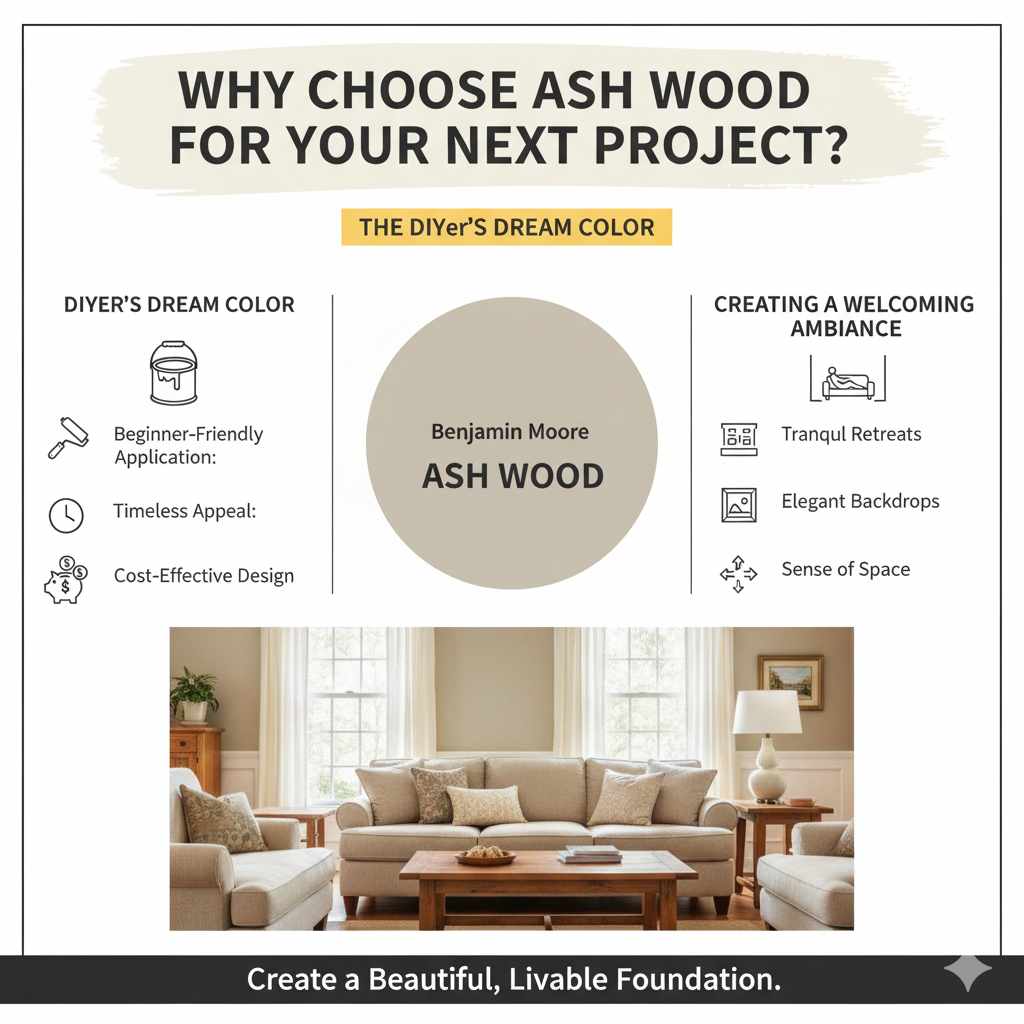
Why Choose Ash Wood for Your Next Project?
As a DIYer, you’re always looking for that perfect blend of beauty, ease of use, and lasting impact. Ash Wood by Benjamin Moore checks all these boxes and more. It’s less about making a bold statement and more about creating a beautiful, livable foundation.
The DIYer’s Dream Color
For beginners, choosing paint can be daunting. Will it clash? Will it make the room feel too small or too cold? Ash Wood takes much of that guesswork out of the equation. Its sophisticated neutrality means it’s forgiving and adaptable.
Beginner-Friendly Application: Because it’s a mid-tone neutral, any slight imperfections in your painting technique are less likely to be glaringly obvious compared to very dark or very bright colors.
Timeless Appeal: This isn’t a color you’ll need to repaint in a year. It offers a classic look that can evolve with your style.
Cost-Effective Design: Investing in a versatile color means you can change out your accessories and furniture without needing to repaint. This saves time, money, and effort in the long run.
Confidence Booster: Achieving a beautiful result with a color that’s universally flattering is a huge confidence builder for any DIYer.
Creating a Welcoming Ambiance
The emotional impact of a color is powerful. Ash Wood excels at creating a sense of calm and sophistication. It’s a color that feels lived-in yet polished.
Tranquil Retreats: Perfect for bedrooms, living rooms, or any space where you want to unwind.
Elegant Backdrops: It acts as a sophisticated canvas for your furniture, artwork, and decor.
Sense of Space: While a mid-tone, it doesn’t typically make rooms feel smaller and can even enhance a sense of openness when paired with lighter elements.
Warmth Without Clutter: It provides a cozy feel without the visual busyness that some bolder colors can create.
Where to Use Benjamin Moore Ash Wood
The beauty of Ash Wood HC-47 lies in its adaptability. It’s a fantastic choice for virtually any room in your home, whether you’re looking to paint an entire house or just refresh a single accent wall.
Room-by-Room Application Ideas
Here are some popular and effective ways to incorporate Ash Wood into your home:
Living Room: Use it as a primary wall color for a calm, inviting living space. Pair it with white trim for crisp contrast, or with a creamy off-white for a softer look. It’s an excellent backdrop for artwork and photographs.
Bedroom: Create a serene sanctuary by painting your bedroom walls Ash Wood. It promotes relaxation and pairs beautifully with bedding in shades of navy, emerald green, blush pink, or classic white.
Kitchen: Ash Wood can be a stunning alternative to crisp white or traditional beige in a kitchen. It looks particularly good with natural wood cabinetry, black hardware, and a marble or quartz backsplash. Consider it for walls or even kitchen cabinets if you’re feeling adventurous!
Bathroom: For a spa-like feel, Ash Wood is an excellent choice. It complements natural materials like wood, stone, and brushed nickel or matte black fixtures.
Hallways and Entryways: Make a sophisticated first impression. Ash Wood can add warmth and depth to these often-overlooked spaces.
Home Office: Foster focus and calm in your workspace. It provides a neutral environment that’s conducive to productivity.
Exterior Accents: While less common for full exteriors, Ash Wood can be a lovely color for front doors, shutters, or trim on certain architectural styles, adding a touch of refined character.
Beyond Walls: Furniture and Accents
Don’t limit yourself to just walls! Ash Wood can also be a fantastic choice for furniture pieces or smaller accent projects.
Refinishing Furniture: An old dresser or side table can get a modern makeover with a coat of Ash Wood paint. This is a great beginner woodworking project.
Cabinetry: As mentioned, kitchen or bathroom cabinets painted in Ash Wood can offer a unique and stylish alternative to traditional finishes.
Craft Projects: Use it for DIY decor items, picture frames, or even accent pieces like decorative bowls or vases.
Planning Your Paint Project: What You’ll Need
Before you grab a brush, having a clear plan and the right supplies makes the job go so much smoother. For a painting project, preparation is key to a professional-looking finish.
Essential Tools and Materials
Here’s a checklist to get you ready:
Benjamin Moore Ash Wood Paint: Of course! Determine the sheen (e.g., eggshell, satin, semi-gloss) based on the room and desired durability. Eggshell or satin are popular choices for walls.
Primer: An appropriate primer will ensure the best color coverage and adhesion, especially if you’re painting over a dark or vibrant color. Benjamin Moore’s water-based primers are a good option.
Paint Rollers:
Roller Frame: A sturdy frame for your roller covers.
Roller Covers: Choose based on surface texture. A 3/8-inch nap is usually good for smooth walls.
Paint Brushes:
Angled Sash Brush: For cutting in around trim, windows, and corners. A 2-inch brush is versatile.
Paint Tray and Liners: For holding your paint and easy cleanup.
Painter’s Tape: High-quality tape (like Benjamin Moore’s or 3M’s blue tape) is crucial for clean lines.
Drop Cloths: To protect your floors and furniture. Canvas drop cloths are more durable than plastic ones.
Sanding Block or Sandpaper: For lightly sanding surfaces if needed (e.g., glossy finishes or minor imperfections).
Spackling Compound and Putty Knife: For filling small holes or cracks.
Cleaning Supplies: Mild soap and water or a specialized degreaser to clean walls before painting.
Ladder or Step Stool: For reaching high areas.
Stir Sticks: To thoroughly mix your paint.
Understanding Paint Sheens
The finish or “sheen” of your paint affects its appearance, durability, and how it reflects light. It’s an important choice that complements the color.
| Sheen | Appearance | Durability | Best For |
| :————– | :——————————————– | :————– | :————————————————————————– |
| Flat/Matte | Non-reflective, hides imperfections well. | Least durable | Ceilings, low-traffic areas. |
| Eggshell | Low sheen, soft glow, good balance. | Good | Living rooms, bedrooms, hallways. |
| Satin | Softly lustrous, slightly more durable. | Very Good | High-traffic areas like hallways, kitchens, bathrooms, kids’ rooms. |
| Semi-Gloss | Noticeable shine, reflects light, very durable. | Excellent | Trim, doors, cabinets, high-moisture areas. |
| High-Gloss | Very shiny, reflective, dramatic. | Most Durable | Trim, furniture, accent pieces where a standout finish is desired. |
For Ash Wood walls, eggshell or satin are excellent choices. They offer a lovely subtle sheen that enhances the color’s depth without being overly reflective, and they hold up well to cleaning. For trim and doors, semi-gloss would provide a nice contrast and durability.
Step-by-Step Guide to Painting with Ash Wood
Ready to roll? This guide will walk you through the process, making it simple even for your first time. Remember to take your time and enjoy the transformation!
Step 1: Preparation is Paramount
This is arguably the most important step. Good prep saves you headaches later.
1. Clear the Room: Remove as much furniture as possible. For larger items, push them to the center of the room and cover them completely with drop cloths.
2. Protect Surfaces: Lay down drop cloths on the floor, extending them a bit beyond the baseboards. Tape them securely to the baseboard to prevent paint drips.
3. Clean Walls: Wash your walls with a mild soap and water solution or a TSP (trisodium phosphate) substitute to remove any dirt, grease, or grime. Allow them to dry completely. This ensures paint adheres properly.
4. Repair Imperfections: Fill any small holes or cracks with spackling compound. Once dry, lightly sand the patched areas until smooth and flush with the wall. Wipe away dust.
5. Sand Glossy Surfaces: If you’re painting over a glossy finish, lightly sand the surface to create a “tooth” for the new paint to adhere to. Again, wipe away dust.
6. Apply Painter’s Tape: Carefully apply painter’s tape along all edges where you don’t want paint: trim, ceiling lines, window frames, and door frames. Press the edge of the tape firmly to create a seal.
Step 2: Priming (If Necessary)
If your walls are a very dark color, have stains, or you’re painting a new surface, priming is essential.
1. Stir Primer: Thoroughly stir your primer.
2. Apply Primer: Use your brush for edges and corners, and a roller for larger areas. Work in manageable sections.
3. Allow to Dry: Let the primer dry completely according to the manufacturer’s instructions. You might need a second coat in some cases.
Step 3: Stir Your Ash Wood Paint
Never skip this step! Colors can settle in the can.
1. Open the Can: Carefully open your Benjamin Moore Ash Wood paint can.
2. Stir Thoroughly: Use a stir stick to vigorously mix the paint. Scrape the bottom and sides of the can to ensure all pigment is incorporated. Continue stirring for a few minutes until the color is uniform.
Step 4: Cutting In
This is where you paint the edges and corners where a roller can’t reach effectively.
1. Load Your Brush: Dip about one-third of your angled sash brush into the paint. Tap it gently on the inside of the can to remove excess; don’t wipe it on the rim.
2. Paint Edges: Starting in a corner, paint a strip about 2-3 inches wide along the ceiling line, baseboards, and around doorways and windows where you’ve applied tape. Work with smooth, even strokes.
3. Release Tape (Optional but Recommended): For the cleanest lines, it’s often best to remove the painter’s tape while the paint is still slightly wet. Pull it away slowly at a 45-degree angle. If the paint has dried too much, you might need to score the edge of the tape with a utility knife before pulling to prevent peeling the paint with the tape.
Step 5: Rolling the Walls
Now for the main event!
1. Load Your Roller: Pour paint into your tray. Dip your roller into the paint, ensuring it’s evenly coated but not dripping. Roll it back and forth on the tray’s textured area to distribute the paint evenly.
2. Apply Paint: Start in a corner and paint in a large “W” or “M” pattern. Then, without lifting the roller, “fill in” the pattern with parallel strokes. Overlap each stroke by at least half to ensure an even coat and avoid roller marks.
3. Work in Sections: Paint a manageable section (e.g., 3-4 feet wide) from top to bottom. Maintain a “wet edge” by overlapping your strokes onto the previously painted section before it dries. This is crucial for an even finish.
4. Second Coat: Most walls require two coats of paint for full, even coverage, especially with a color change. Allow the first coat to dry completely according to the paint can instructions (often 2-4 hours). Apply the second coat following the same rolling technique.
Step 6: Clean Up
Once you’re done and the paint is dry to the touch:
1. Remove Drop Cloths and Tape: Fold up your drop cloths carefully to contain any spills.
2. Clean Brushes and Rollers: Wash your brushes and roller covers thoroughly with soap and water. Squeeze out excess water and reshape brushes. Store them properly for future use. If using water-based paint, cleanup is a breeze!
3. Seal Paint Can: Wipe the rim of the paint can clean and seal it tightly. Store your leftover paint for touch-ups.
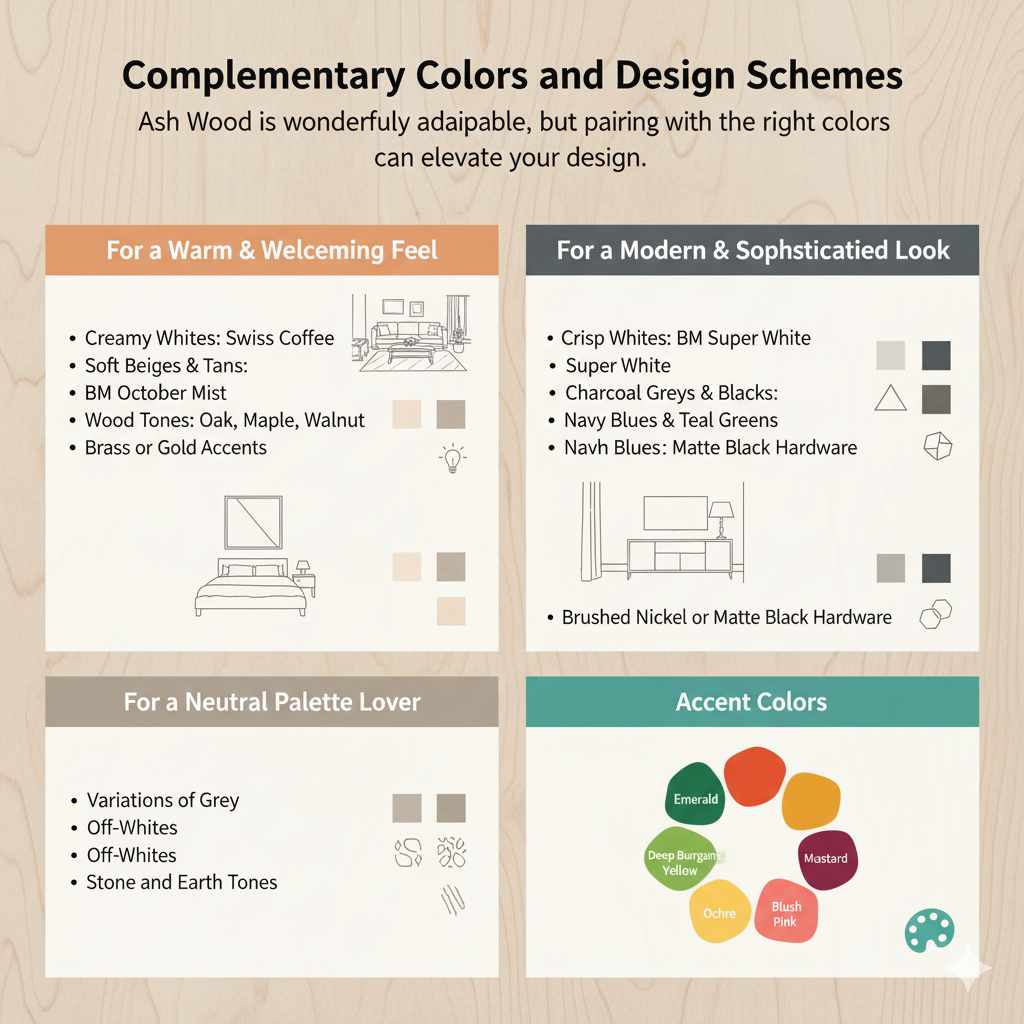
Complementary Colors and Design Schemes
Ash Wood is wonderfully adaptable, but pairing it with the right colors can elevate your design even further. Think about the mood you want to create.
For a Warm & Welcoming Feel
Creamy Whites: Benjamin Moore’s Swiss Coffee or Chantilly Lace create a soft, approachable contrast.
Soft Beiges & Tans: Colors like BM October Mist or BM Manchester Tan add subtle depth.
Wood Tones: Natural wood furniture or accents in oak, maple, or walnut harmonize beautifully.
Brass or Gold Accents: Warm metals add a touch of understated luxury.
For a Modern & Sophisticated Look
Crisp Whites: A stark white trim (BM Super White, for instance) offers a clean, modern edge.
Charcoal Greys & Blacks: Deep, grounding colors used in accents or furniture provide a dramatic contrast. Think BM Wrought Iron.
Navy Blues & Teal Greens: These colors bring depth and richness without overpowering the neutral base.
Brushed Nickel or Matte Black Hardware: Sleek, modern metallic finishes.
For a Neutral Palette Lover
Variations of Grey: Lighter or slightly darker greys can be used in textiles or furniture.
Off-Whites: Soft, milky whites offer a more gentle contrast than stark white.
Stone and Earth Tones: Look to colors inspired by natural stone, concrete, and muted earth tones.
Accent Colors
Don’t be afraid to introduce pops of color! Ash Wood acts as a perfect neutral canvas for:
Emerald Green: Rich and elegant.
Deep Burgundy or Cranberry: Adds warmth and a touch of drama.
Mustard Yellow or Ochre: Brings in cheerful, earthy tones.
Blush Pink: Adds a soft, romantic touch.
Frequently Asked Questions About Ash Wood Benjamin Moore
As your woodworking mentor, I know you’ll have questions as you explore new materials and colors. Here are some common ones about Ash Wood and painting in general.
How does Ash Wood HC-47 look in different lighting conditions?
Ash Wood is known for its ability to adapt. In bright natural light, it might show a bit more of its subtle warmth. In dimmer light or artificial light, it can appear slightly cooler, leaning more towards a soft grey. It rarely looks too grey or too* brown, which contributes to its widespread appeal.
Is Ash Wood a cool or warm grey/greige?
It’s considered a warm neutral, often categorized as a greige. While it has grey undertones, the subtle warmth prevents it from feeling sterile or cold, making it feel more inviting than a pure cool grey.
Can I use Ash Wood paint for kitchen cabinets?
Absolutely! Ash Wood is a fantastic sophisticated choice for kitchen cabinets. For this application, using a durable paint finish like Benjamin Moore’s Advance or Impervo in a satin or semi-gloss sheen is recommended for longevity and ease of cleaning.