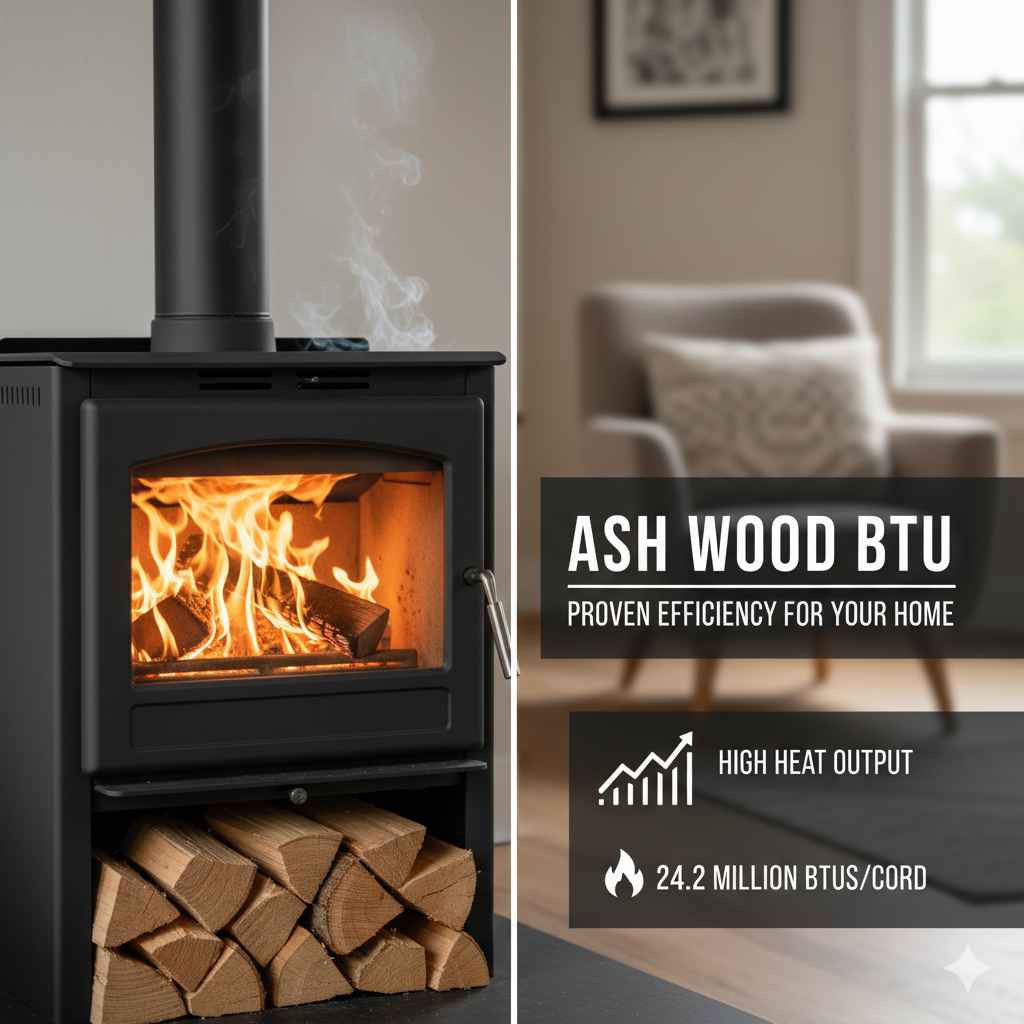
Ash Wood BTU: Proven Efficiency for Your Home
Ash wood offers impressive BTU efficiency for home heating, providing a consistently warm and cost-effective fuel source for your fireplace or wood stove. Understanding its burn properties helps you maximize heat output and enjoy a cozy, well-heated home.
Ever wondered about the best wood to burn for a warm, toasty home? If you’re looking for an efficient and reliable fuel source, ash wood might be your perfect match. Many homeowners find burning wood a charming way to heat their spaces, but choosing the right wood can be a puzzle. Some woods burn too quickly, others produce less heat, and some are just hard to get going. It can be frustrating when you’re just trying to stay warm without breaking the bank.
But don’t worry! As your woodworking mentor, I’m here to demystify ash wood’s heating power. We’ll explore its impressive BTU output, what that means for your home, and how to get the most out of burning it. Get ready to learn how ash wood can become your go-to for proven home heating efficiency.
What is BTU and Why It Matters for Wood Burning?
BTU stands for “British Thermal Unit.” In simple terms, it’s a measurement of heat energy. When we talk about wood as fuel, the BTU value tells us how much heat a specific amount of that wood can produce when it burns. The higher the BTU rating, the more heat you’ll get from your wood.
For homeowners heating with wood, understanding BTU is super important. It helps you:
Estimate Fuel Needs: Knowing how much heat each type of wood provides helps you figure out how much you’ll need to get through the cold season.
Compare Wood Types: You can easily see which woods offer the best “bang for your buck” in terms of heat output.
Optimize Your Fire: Understanding how different woods burn, influenced by their BTU, helps you build a more efficient and long-lasting fire.
Think of it like this: some woods are like a quick, bright match, burning fast and hot for a short time. Others are like a slow-burning candle, offering steady warmth hour after hour. BTU helps us measure that difference.
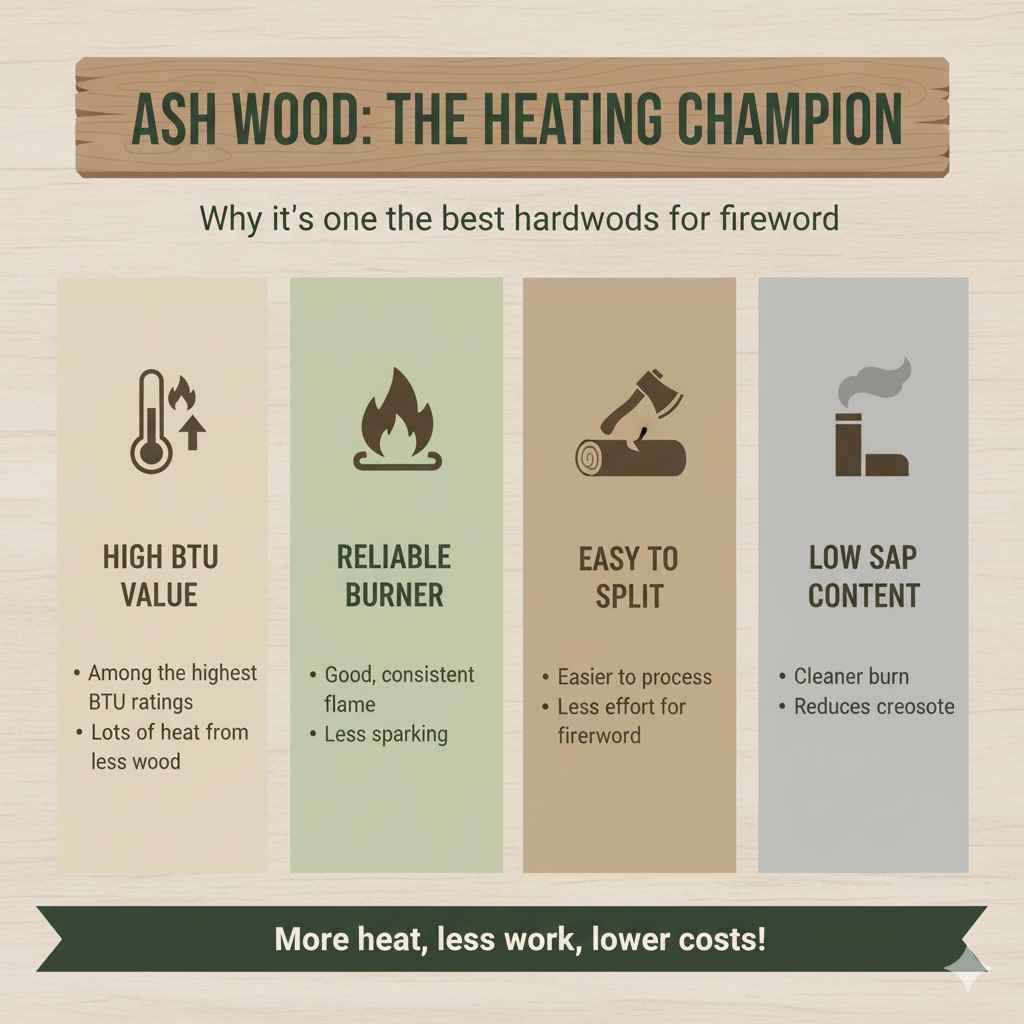
Ash Wood: The Heating Champion
Ash wood is widely recognized as one of the best hardwoods for firewood. It consistently ranks high in terms of heat output, making it a favorite among those who rely on wood stoves and fireplaces for primary or supplemental heating.
Here’s why ash wood stands out:
High BTU Value: Ash typically has a BTU rating that is among the highest for common firewood species. This means you get a lot of heat from a relatively small amount of wood.
Reliable Burner: It burns with a good flame and provides consistent heat output without being overly aggressive or sparking excessively.
Easy to Splitting: While not directly related to BTU, ash wood is generally easier to split than many other hardwoods, which is a big plus when you’re processing your own firewood.
Low Sap Content: Ash has relatively low sap content compared to some other hardwoods, which contributes to a cleaner burn and reduces creosote buildup in your chimney.
From a practical standpoint, this translates to fewer logs needed to achieve the desired room temperature, meaning less chopping, less stacking, and potentially lower overall fuel costs.
Understanding Ash Wood BTU in Detail
The exact BTU output of ash wood can vary slightly depending on the specific species of ash (like White Ash, Green Ash, Black Ash), its moisture content, and how it was seasoned. However, it consistently performs well.
Here’s a general breakdown and a comparison with other popular firewood types:
BTU Per Cord Comparison (Approximate Values)
A “cord” is a standard unit of firewood. It’s a stack of wood measuring 4 feet high, 8 feet long, and 4 feet deep (128 cubic feet). Comparing BTU per cord gives us a realistic idea of how much heat you get from a full cord of each wood type.
| Wood Type | Approximate BTU per Cord (Seasoned) |
|---|---|
| Oak (White) | 27-29 million BTU |
| Ash (White) | 26-28 million BTU |
| Hickory | 26-28 million BTU |
| Maple (Red) | 24-26 million BTU |
| Birch (Paper) | 21-23 million BTU |
| Pine (White) | 15-17 million BTU |
As you can see, seasoned ash wood is right up there with oak and hickory, which are often considered the gold standards for firewood. This means a cord of ash will provide a comparable amount of heat to a cord of oak.
Factors Affecting Ash Wood BTU
Moisture Content: This is the BIGGEST factor. Green (freshly cut) wood has a lot of water. Burning wet wood is incredibly inefficient because much of the energy (BTU) goes into boiling off that water instead of producing heat. Seasoned wood, which has been dried for at least 6-12 months (ideally longer), has a much lower moisture content, allowing it to burn hotter and produce its full BTU potential. For optimal burning, seasoned wood should have a moisture content below 20%. You can check this with a moisture meter.
Wood Density: Denser woods generally have more BTU per unit volume because there’s more combustible material packed into the same space. Ash is a relatively dense hardwood.
Species of Ash: While generally consistent, there can be slight variations between species like White Ash, Green Ash, and Black Ash. White Ash is often cited as having slightly higher BTU than Green Ash.
What Makes Ash a Great Firewood Choice?
Beyond its impressive BTU, ash wood offers several practical advantages that make it a preferred choice for homeowners.
Advantages of Burning Ash Wood
Consistent Heat Output: Ash burns steadily once established, providing a reliable and long-lasting heat source. It doesn’t flare up unpredictably or die down too quickly like some softer woods.
Clean Burning Qualities: Ash has a relatively low sap content and burns cleanly for a hardwood. This means less risk of excessive creosote buildup in your chimney compared to oily softwoods or overly sappy hardwoods. Regular chimney cleaning is still essential, of course!
Ease of Splitting: Compared to dense woods like oak or hickory, ash is known for being easier to split. This is a significant benefit if you process your own firewood, saving you time and effort.
Availability: Ash trees are common throughout North America and Europe, making ash wood relatively accessible in many regions.
Good Smoke Production (for cooking): While not ideal for a primary heating goal, the pleasant aroma and moderate smoke produced by burning ash can be appealing if you use your wood stove for occasional cooking or wish to infuse a nice scent into your home.
Potential Drawbacks to Consider
Susceptibility to Emerald Ash Borer: In North America, the invasive Emerald Ash Borer (EAB) has devastated ash tree populations. This unfortunately impacts the availability and cost of ash firewood in affected areas. It’s still possible to find, but it’s worth checking local sources and being aware of this issue. Learn more about the Emerald Ash Borer.
Can Be Greener If Not Dried Properly: While easier to split, if ash is not seasoned properly (dried for at least 6-12 months in a well-ventilated, dry location), its BTU output will be significantly reduced due to high moisture content, making it inefficient.
How to Burn Ash Wood for Maximum Efficiency
To truly harness the powerful BTU output of ash wood, proper preparation and burning techniques are key.
Step-by-Step Guide to Efficient Ash Wood Burning
1. Start with Well-Seasoned Wood: This is non-negotiable for efficiency. Ensure your ash logs have been split and seasoned for at least 6-12 months. They should feel lighter, sound hollow when tapped, and have visible cracks on the ends. If you’re buying wood, ask about its seasoning time and moisture content. Look for the Wood Heat Quality Firewood Program standards for guidance.
2. Prepare Your Fireplace or Stove: Ensure your fireplace or wood stove is clean and in good working order. Check that the damper is open to allow for proper airflow, which is crucial for combustion.
3. Build a Base Layer: Start with a base of dry tinder (like birch bark, fine wood shavings, or newspaper) and small, dry kindling pieces. This allows you to establish a hot coal bed quickly.
4. Ignite the Tinder: Light the tinder material. Allow the kindling to catch and burn well, transitioning into slightly larger pieces of seasoned ash.
5. Add Larger Ash Logs: Once you have a strong bed of coals and the kindling is burning vigorously, begin adding your seasoned ash logs. Don’t overload the firebox. Allow space for air to circulate around the logs.
6. Control Airflow: Most modern wood stoves have air intake controls. For starting a fire, open them to allow plenty of oxygen. As the fire becomes established and you want a longer, steadier burn, you can gradually reduce the airflow. Too much air and the wood burns too fast; too little air and it smolders, producing less heat and more creosote. Find that sweet spot.
7. Maintain the Coal Bed: Ash wood produces an excellent bed of coals that radiates heat for a long time. Keep this coal bed alive, and you’ll be able to reignite new logs easily and maintain consistent warmth.
8. Regular Maintenance: Periodically clean out excess ash (leaving a shallow layer can help insulate the firebox and maintain coals) and ensure your chimney is swept annually by a professional to prevent dangerous creosote buildup.
Tips for Maximizing BTU from Ash
Split Logs for Better Drying: Larger, un-split logs take much longer to season. Splitting ash logs exposes more surface area to the air, speeding up the drying process and improving their ability to release maximum BTU. Aim for logs that fit comfortably in your firebox.
Store Firewood Properly: Keep your seasoned firewood off the ground, covered on top to protect from rain and snow, but with sides open for ventilation. This ensures it stays dry and ready to burn efficiently.
Mix with Other Woods (Optional): While ash is excellent on its own, some people like to mix it with other hardwoods for varied burn characteristics or to prolong the burn time of softer woods.
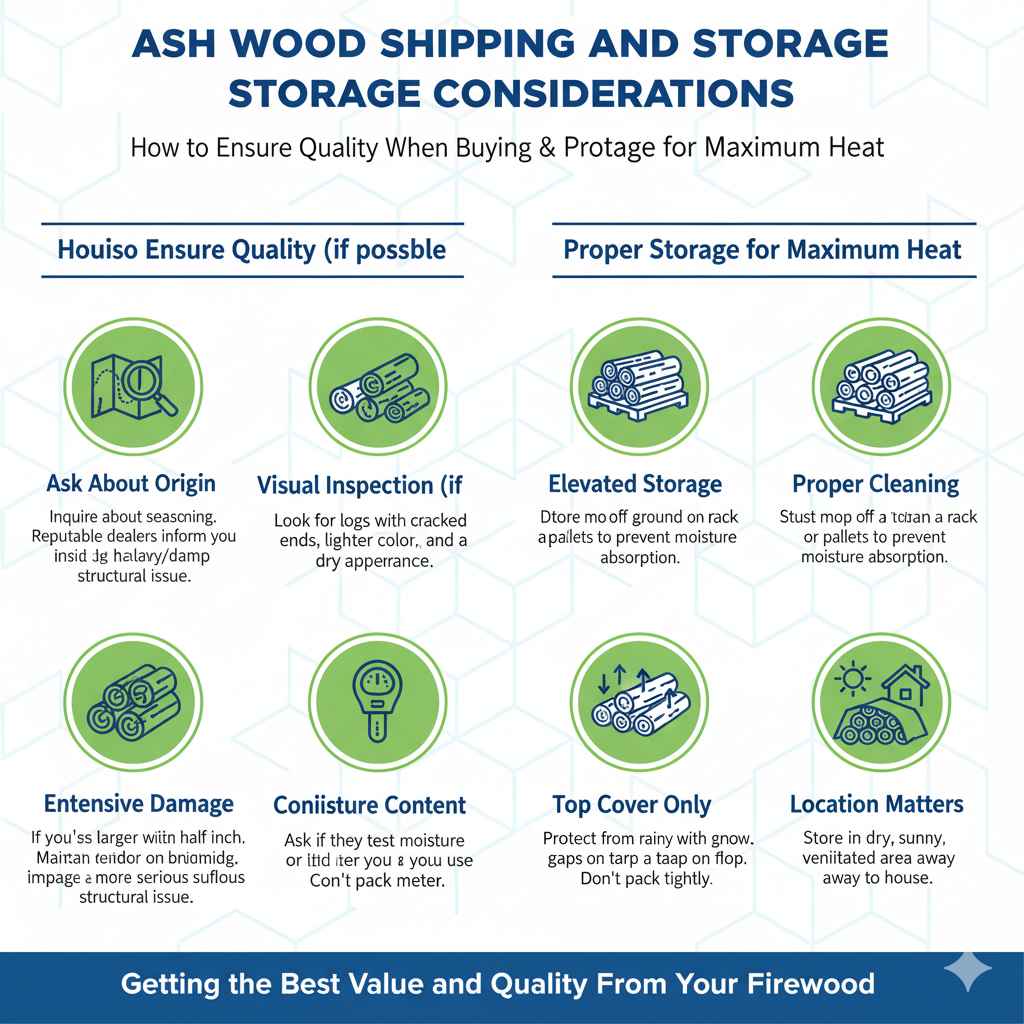
Ash Wood Shipping and Storage Considerations
If you’re buying ash firewood, especially in bulk or from a distance, understanding shipping and storage is important for getting the best value and quality.
How to Ensure Quality When Buying
Ask About Origin: If you’re in an area affected by the Emerald Ash Borer, be aware of local regulations regarding firewood movement to prevent its spread. Buying local, seasoned firewood is generally recommended.
Inquire About Seasoning: Always ask how long the wood has been seasoned. Reputable dealers will know and inform you. Avoid wood that looks or feels excessively heavy or damp.
Visual Inspection (if possible): If purchasing from a local yard, try to see the wood. Look for logs with cracked ends, a lighter color, and a generally dry appearance. Avoid wood with signs of mold or extensive insect activity.
Consider Moisture Content: If you’re serious about efficiency, ask if they test moisture content or if you can use a moisture meter to check yourself before buying.
Proper Storage for Maximum Heat
Elevated Storage: Store your firewood off the bare ground. Use a simple rack or pallets. This prevents the bottom logs from absorbing moisture from soggy soil and rotting.
Ventilation is Key: Wood needs to breathe to stay dry. Stack your wood loosely, not tightly packed. Leave gaps for air to flow through.
Top Cover Only: Protect your woodpile from direct rain and snow with a tarp or roof. Ensure the sides are open so air can circulate freely. Avoid completely wrapping the woodpile, as this traps moisture.
Location Matters: Store wood in a dry, sunny, and well-ventilated area if possible. Avoid damp, shady spots. Keep it a reasonable distance from your house to reduce pest issues.
Frequently Asked Questions About Ash Wood BTU
How does ash wood compare to oak for heating?
Ash wood is very comparable to oak in terms of BTU output. Both are excellent hardwoods that provide high heat. Oak might be slightly denser and burn a bit longer, but ash is often easier to split and still delivers top-tier heat efficiency, making it a fantastic choice.
Is ash wood good for starting a fire?
While ash wood can be used for starting a fire, it’s best suited for building the main fire once kindling has established a good coal bed. Its density means it needs a robust flame to get going easily. Smaller, dry pieces of ash can work, but lighter woods like pine or birch are often preferred for initial tinder and kindling due to their less dense nature and faster ignition.
How can I tell if my ash wood is properly seasoned?
Properly seasoned ash wood will be lighter in weight than green wood. The ends of the logs will often show deep cracks or “checking.” It may also have a hollow or metallic sound when two logs are banged together, rather than a dull thud. The bark might also start to loosen naturally. Using a firewood moisture meter is the most accurate way to confirm it’s below 20% moisture content.
Does the Emerald Ash Borer affect the quality of ash firewood?
The Emerald Ash Borer primarily affects living ash trees. Once a tree is felled and processed into firewood, the EAB itself is generally no longer a concern for the wood’s burning quality. However, the beetle’s impact on ash tree populations can affect the availability and price of ash firewood in certain regions. Always purchase firewood locally when possible and check local regulations.
Can I use ash wood in a pellet stove?
No, ash wood is not suitable for pellet stoves. Pellet stoves are designed to burn specifically manufactured wood pellets, which are uniform in size, density, and moisture content. Burning whole logs, including ash wood, in a pellet stove can damage the appliance and is very inefficient.
How long does a cord of ash wood last?
The lifespan of a cord of ash wood depends heavily on your heating habits, your home’s insulation, the efficiency of your wood stove or fireplace, and ambient temperatures. However, due to its high BTU output, a cord of well-seasoned ash wood will typically provide more heating hours than a cord of lower-BTU woods like pine or fir when burned under similar conditions.
Conclusion: Warmth and Efficiency with Ash Wood
As we’ve explored, ash wood stands out as a premier choice for home heating. Its impressive BTU efficiency means you get robust, reliable heat that can significantly contribute to keeping your home warm and comfortable throughout the colder months. Paired with its ease of splitting and clean-burning characteristics, ash wood offers a compelling blend of performance and practicality.
Remember the keys to unlocking its full potential: always start with well-seasoned, dry wood, and use proper burning techniques that ensure good airflow. By understanding what makes ash wood so effective and following these simple guidelines, you can confidently enjoy the cost savings and cozy warmth it provides. So, whether you’re sourcing firewood locally or preparing your own supply, make ash wood a top contender for your home heating needs. You’ll find its proven efficiency makes a noticeable difference.