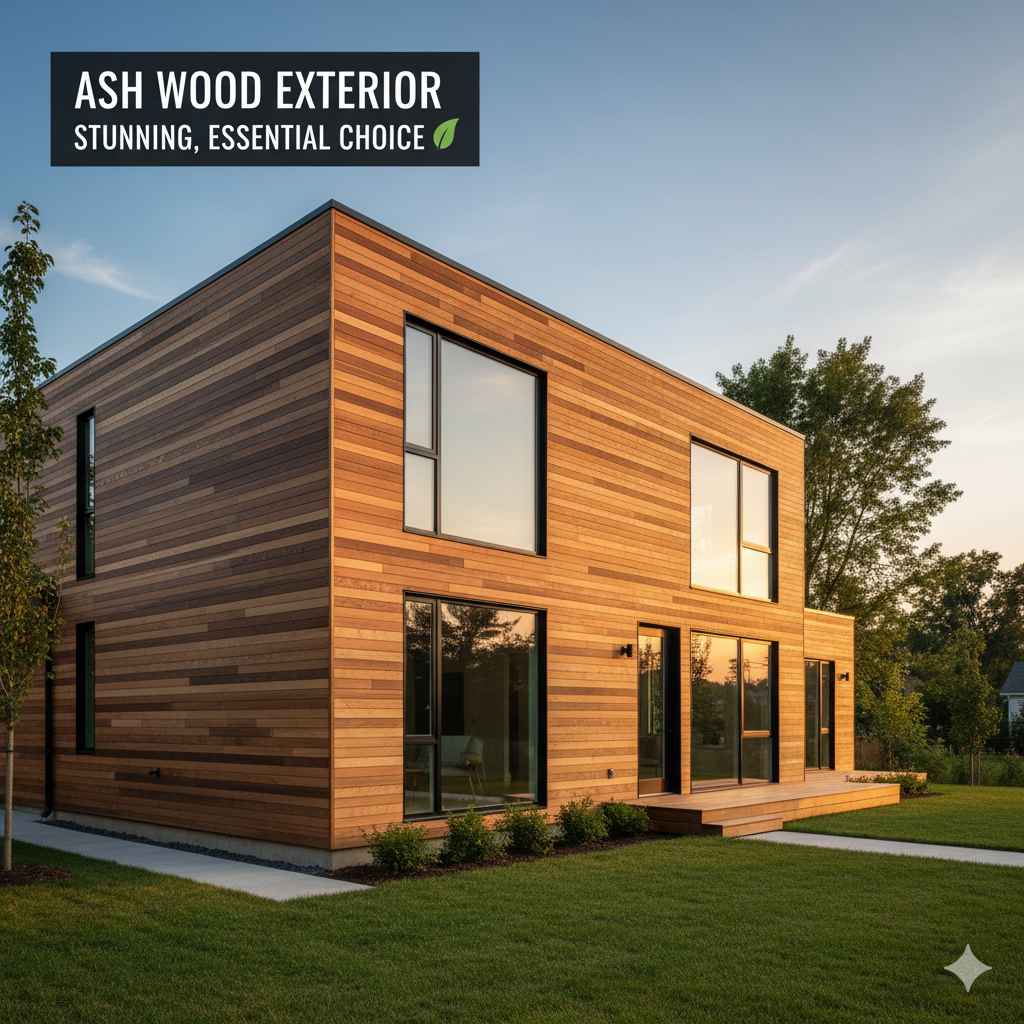
Ash Wood Exterior: Stunning, Essential Choice
Ash wood offers a visually striking, durable finish for your home’s exterior. Learn why it’s a smart, beautiful choice and how to make the most of its natural appeal for a long-lasting, impressive look.
Thinking about what kind of wood to use for your home’s exterior can feel a bit overwhelming, right? You want something that looks good, lasts a long time, and doesn’t break the bank. It’s a big decision for your home’s curb appeal! Many materials look nice at first, but then fade or warp quickly. This can lead to frustrating repairs and a less-than-perfect look. Don’t worry, though! We’re going to explore a wood that strikes a wonderful balance between beauty and toughness. Stay with me, and you’ll see why ash wood might just be the perfect, essential choice for your next exterior project.
Why Ash Wood is a Brilliant Choice for Your Home’s Exterior
When you’re looking at wood for the outside of your house, you need it to stand up to the elements. Rain, sun, wind, and even bugs can take a toll. Ash wood has some qualities that make it surprisingly good at handling these challenges. Plus, it has a look that many people find really appealing. Let’s dive into what makes ash a standout option.
The Natural Beauty of Ash
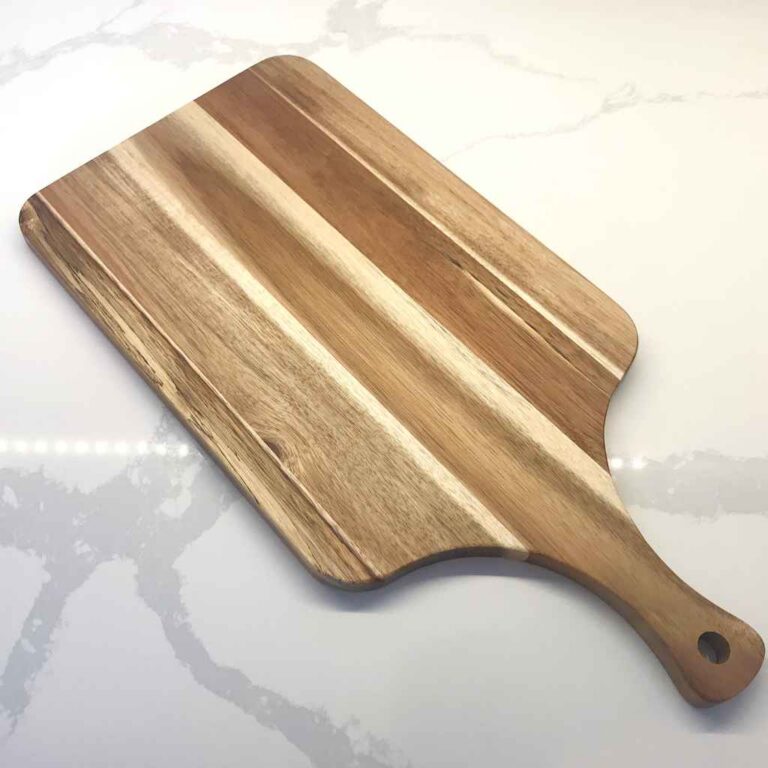
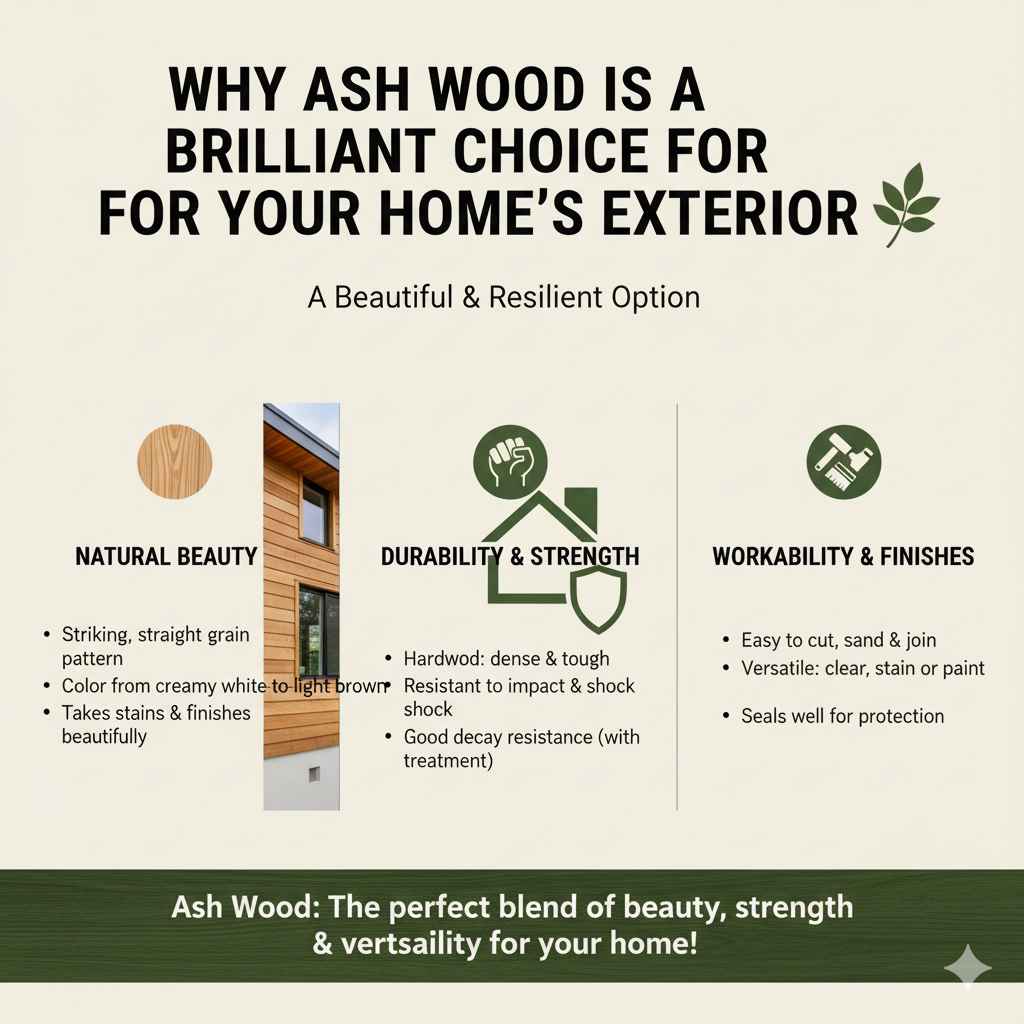
One of the first things you’ll notice about ash wood is its beautiful grain. It’s often straight and prominent, giving it a clean, classic look. The color can range from creamy white to a light brown, sometimes with reddish or even grayish hues. This can vary depending on the specific type of ash tree and where it grew.
Imagine your home with siding that has this natural character. It can add warmth and texture that manufactured materials just can’t replicate. Whether you’re going for a modern, clean aesthetic or a more rustic, traditional feel, ash can adapt. Its natural light color also takes stains and finishes wonderfully, allowing you to customize the look to perfectly match your vision.
Durability and Strength
This is where ash wood really shines for exterior use. Ash is known for its toughness and resistance to shock. It’s a hardwood, meaning it’s dense and strong. Historically, it’s been used for tool handles, baseball bats, and even furniture because of its ability to withstand impact and wear.
For your home’s exterior, this translates to good performance against things like hail or accidental bumps. It’s also quite resistant to decay when properly treated and maintained, which is crucial for anything exposed to moisture. This doesn’t mean it’s entirely immune to rot or insects, but its natural hardness gives it a significant advantage over softer woods.
Workability and Finishes
When you’re working with wood, ease of use is important, especially for DIY projects. Ash is generally considered to be easy to work with using standard woodworking tools. It cuts, sands, and joins well. This makes it a good choice for both professional builders and homeowners tackling their own projects.
What’s also fantastic is how well ash accepts finishes. Whether you want a clear coat to show off its natural beauty, a light stain to warm up the color, or even paint, ash takes it beautifully. This versatility means you can achieve a wide range of looks. A good quality sealant is key for exterior applications, bringing out the wood’s natural luster while offering protection.
Ash Wood Types for Exterior Applications
Not all ash is created equal, and understanding the types can help you make the best choice for your project. While there are many species of ash, a few are more commonly used or noted for their suitability in various applications. For exterior use, we’re looking for species that offer good stability and resistance.
| Ash Species | Common Characteristics | Suitability for Exterior |
|---|---|---|
| White Ash (Fraxinus americana) | Light color, strong, good shock resistance. Very popular for furniture and tool handles. | Good, especially when treated for moisture resistance. Appreciated for its strength. |
| Green Ash (Fraxinus pennsylvanica) | Adaptable species, hardy, also known as Red Ash due to some species’ fall color. | Relatively good, often used in general construction where durability is needed. |
| European Ash (Fraxinus excelsior) | Similar properties to White Ash, known for its toughness and flexibility. | Suitable, though availability and specific treatments for local climates may vary. |
When you’re selecting ash wood for your exterior, it’s always a good idea to consult with your lumber supplier. They can guide you on the best species available in your region and advise on grades suitable for outdoor use. They’ll also have insights into how the wood has been seasoned (dried) to ensure stability, which is crucial for preventing warping and cracking.
Essential Considerations for Using Ash Wood Exteriorly
While ash wood is a great choice, using any wood on the exterior of your home requires careful planning and attention to detail. It’s all about preparation and protection to ensure your beautiful ash wood lasts for years and continues to look its best. Think of it like getting your tools ready before a big project – the better the prep, the better the outcome.
Moisture Protection is Key
This is the number one rule for all exterior wood. Even though ash is relatively dense, it can still absorb moisture. Prolonged exposure to water is the main enemy of wood, leading to rot, mold, and decay. This is why proper treatment and finishing are non-negotiable.
Always use high-quality exterior-grade sealants, stains, or paints designed to repel water. For siding, ensure there’s adequate drainage and airflow behind the boards. This might involve using a weather-resistant barrier (like house wrap) and ensuring proper spacing and installation techniques. You can find detailed installation guides on resources like the Building Science Corporation website, which offers in-depth information on weather-resistant building envelopes.
Finishing and Maintenance for Longevity
The right finish will not only enhance the beauty of your ash wood but also act as a vital shield against the elements.:
- Stains: Penetrating stains can enhance the wood grain and color while providing UV protection and water repellency. Choose exterior-grade stains specifically.
- Sealers: Clear sealers offer protection without altering the wood’s natural color significantly. Look for ones with UV inhibitors to prevent fading.
- Paints: For complete protection and a uniform color, exterior paints are a good option. Ensure proper primer coats are used for maximum adhesion and durability.
Maintenance is an ongoing process. Depending on your climate and the finish you choose, you might need to reapply protection every few years. Regular cleaning to remove dirt, mildew, or debris will also help prolong the life and appearance of your ash wood exterior.
Installation Best Practices
Proper installation is crucial for preventing common wood-related problems. Here are a few pointers:
- Ventilation: Ensure good airflow around the wood to allow it to dry out if it gets wet.
- Drainage: Design your exterior to shed water away from the wood, especially at the base of walls and around windows and doors.
- Fasteners: Use corrosion-resistant fasteners (like stainless steel or hot-dipped galvanized nails or screws) to prevent rust stains and structural weakening.
- Expansion Gaps: Wood expands and contracts with changes in humidity and temperature. Leave appropriate gaps between boards to accommodate this movement without buckling.
For detailed guidance on installing wood siding, look to resources like the Fine Homebuilding magazine’s archives, which often cover best practices for wood construction.
Pros and Cons of Ash Wood Exterior
Like any material, ash wood has its strengths and weaknesses when used on the exterior of a home. Weighing these will help you make an informed decision that aligns with your project’s goals and your expectations.
The Advantages (Pros)
- Aesthetic Appeal: Beautiful, distinct grain patterns and a light color that takes finishes well.
- Strength and Durability: A hard, dense wood that can withstand impact and wear.
- Workability: Relatively easy to cut, shape, and fasten with standard tools.
- Versatility in Finishing: Accepts stains, sealers, and paints beautifully, allowing for diverse design options.
- Good Shock Resistance: Less prone to damage from impacts than softer woods.
- Renewable Resource: When sourced responsibly, ash can be a sustainable choice, especially as it grows relatively quickly in many regions.
The Disadvantages (Cons)
- Moisture Sensitivity: Requires thorough sealing and maintenance to prevent rot and decay.
- Insect Vulnerability: Like most woods, it can be susceptible to certain wood-boring insects if not properly protected.
- Availability and Cost Fluctuations: Depending on your location and current market conditions, ash can sometimes be more expensive or harder to find than other common woods.
- Potential for Cracking/Warping: If not properly dried (seasoned) or if subjected to extreme moisture fluctuations without adequate protection, it can warp or crack.
- Emerald Ash Borer (EAB) Impact: In areas affected by the Emerald Ash Borer, a destructive invasive insect, the availability of ash wood can be impacted, and it’s crucial to source wood carefully to avoid spreading the pest. Check with your local USDA APHIS for current information on EAB.
Step-by-Step: Applying a Protective Finish to Ash Wood for Exterior Use
Let’s walk through how to prepare and apply a protective finish. This is a crucial step to make sure your ash wood exterior looks stunning and lasts for ages. We’ll keep it simple, so you can feel confident doing it yourself.
Step 1: Gather Your Materials
Before you start, make sure you have everything ready. This saves time and hassle:
- Your ash wood boards
- Exterior-grade wood cleaner (mildew cleaner if needed)
- Sandpaper (medium grit, like 120, and fine grit, like 220)
- Clean cloths or sponges
- High-quality exterior wood sealant, stain, or paint
- Applicators: brushes, rollers, or spray equipment (depending on your finish)
- Painter’s tape (for masking)
- Safety gear: gloves, safety glasses, and a dust mask
Step 2: Clean the Wood
Start by giving your ash wood a thorough cleaning. If the wood is new, it might just need a light dusting. If it’s pre-installed or older, it might need washing:
- Sweep or brush off any loose dirt or debris.
- If there’s mildew or stubborn grime, use an exterior wood cleaner according to the product instructions. You might need to scrub gently with a brush.
- Thoroughly rinse the wood with clean water and allow it to dry completely, usually for at least 24-48 hours, depending on the weather. Proper drying is very important!
Step 3: Sand the Surface
Sanding smooths out rough spots and opens up the wood pores, helping the finish penetrate better. This step is vital for a professional-looking result:
- Start with medium-grit sandpaper (around 120-grit) to remove any remaining imperfections or rough patches.
- Follow up with fine-grit sandpaper (around 220-grit) for a super-smooth surface.
- After sanding, wipe down the wood with a clean, dry cloth or use a vacuum attachment to remove all dust. Any remaining dust will get trapped in the finish and show up.
Step 4: Apply the First Coat of Finish
Now comes the fun part! Follow the manufacturer’s instructions for your chosen finish, but here’s a general guide:
- If Staining: Apply the stain evenly with a brush or cloth, working in the direction of the wood grain. Wipe off any excess stain after the recommended time (usually 10-15 minutes) to prevent blotchiness.
- If Sealing or Painting: Apply a thin, even coat. Avoid applying it too thick, as this can lead to drips and an uneven finish.
- Make sure to get into all the nooks and crannies.
Allow the first coat to dry completely according to the product’s instructions. This usually takes several hours.
Step 5: Apply Subsequent Coats
Most exterior finishes require at least two coats for adequate protection and the best appearance. Lightly sand between coats if recommended by the product manufacturer – this helps create a smoother surface for the next layer.
- Apply the second coat just like the first, ensuring even coverage.
- If you’re painting, you might need a third coat for full coverage.
After the final coat, allow the finish to cure fully. This can take several days to a week. During this time, the finish hardens and reaches its maximum durability. Avoid heavy use or cleaning during the curing period.
Step 6: Regular Inspection and Reapplication
Your beautiful ash wood exterior needs ongoing care. Periodically (e.g., annually), inspect the finish for signs of wear, fading, or damage. Reapply the protective finish as needed, typically every 2-5 years depending on your climate and the type of finish used.
Where to Use Ash Wood Exteriorly
Ash wood isn’t just for siding! Its beauty and strength make it suitable for several exterior architectural elements. Thinking creatively can really enhance your home’s overall look and feel.
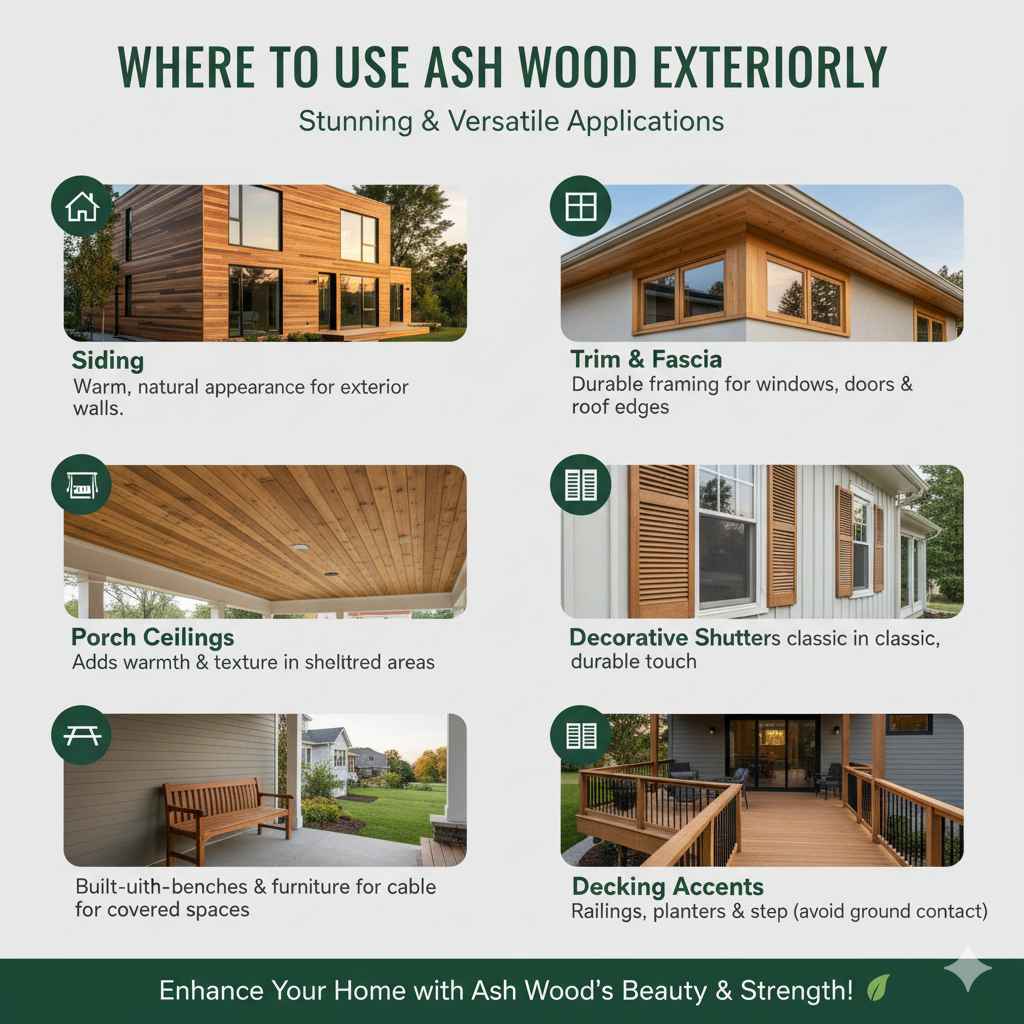
- Siding: This is the most common application, offering a warm, natural appearance to your home’s walls.
- Trim and Fascia: The boards that frame windows, doors, and roof edges. Ash’s durability makes it great for these high-exposure areas.
- Porch Ceilings and Decking Accents: While full decking might require woods with higher natural rot resistance, ash can be used for elements like porch ceilings or decorative accent pieces where less direct ground contact occurs.
- Decorative Shutters: Add a classic touch with custom-made shutters from ash.
- Outdoor Furniture/Built-in Benches: For covered porches or patios, ash can be a beautiful choice for durable outdoor seating.
Remember, for any element that comes into direct contact with the ground or is constantly exposed to heavy moisture (like standard decking), you might want to consider woods with even higher natural resistance or use specific treatments. Always consult best practices for the specific application.
Frequently Asked Questions About Ash Wood Exteriors
Q1: Is ash wood good for outdoor use?
Yes, ash wood can be a good choice for outdoor use, particularly for applications like siding, trim, and shutters. It’s a strong hardwood with good shock resistance. However, it’s crucial to properly seal and maintain it to protect it from moisture, rot, and insects, as it doesn’t have the same level of natural decay resistance as some other hardwoods.
Q2: How does ash wood compare to other exterior wood options like cedar or redwood?
Cedar and redwood are known for their natural oils that provide excellent resistance to rot and insects, often making them preferred for direct ground contact or very harsh environments. Ash wood is generally stronger and harder than cedar or redwood but lacks their natural inherent decay resistance. Ash’s beauty lies in its grain and its ability to take finishes well. If natural resistance is your top priority, cedar/redwood might be better; if strength and a customizable finish are key, ash is a great option with proper protection.
Q3: What is the best finish for ash wood exterior?
The best finish depends on the look you want and the level of protection needed. High-quality exterior-grade sealants, stains (especially those with UV protection), or paints offer the best protection against moisture and UV damage. For a natural look, penetrating stains and clear sealers with UV inhibitors are excellent. For maximum durability and color consistency, exterior paint is a strong choice.
Q4: How often do I need to maintain ash wood siding?
Generally, you should inspect your ash wood exterior annually. Depending on your climate and the quality of the original finish, you may need to reapply a protective coat (stain, sealant, or paint) every 2 to 5 years. Regular cleaning to remove dirt and mildew will also help extend the life of the finish and the wood.