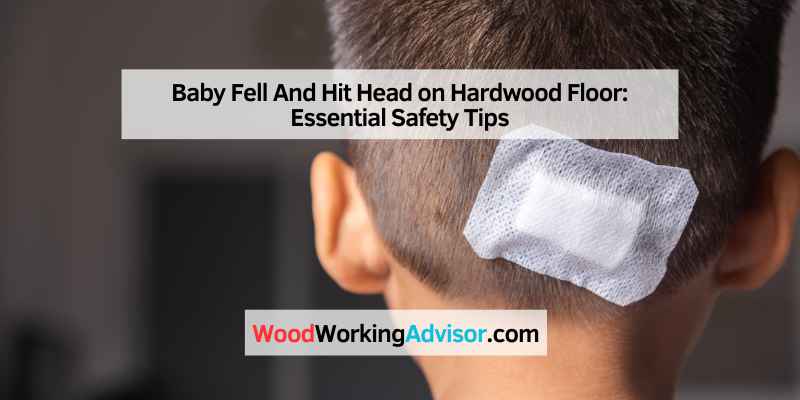
Baby Fell And Hit Head on Hardwood Floor: Essential Safety Tips
If your baby fell and hit their head on a hardwood floor, it is important to assess their condition and seek medical evaluation if necessary. Look for signs of momentary loss of consciousness, bleeding from the head, or other serious injuries.
If your baby appears conscious and does not have any serious injuries, gently check them over for bumps or bruises. While hardwood floors may not be a major concern for head injuries, it’s still important to take precautions and monitor your baby’s condition.
We will discuss what to do if your baby hits their head on a hardwood floor, signs to look for, and when to seek medical help.
Initial Response To A Fall
When a baby falls and hits their head on a hardwood floor, it’s important to assess their condition. Check for any signs of loss of consciousness, bleeding, or other serious injuries. If the baby appears to be conscious and without serious injuries, gently check their head and body for bumps or bruises.
Seek medical evaluation if necessary. Remember, hardwood floors are relatively soft compared to other surfaces.
Checking For Immediate Danger
When your baby falls and hits their head on a hardwood floor, your initial response should be to check for immediate danger. It is important to act quickly but calmly in order to assess the situation and ensure your baby’s safety.
First, look for any signs of immediate danger such as bleeding from the head that you are unable to stop or a loss of consciousness. If your baby experiences a momentary loss of consciousness or is bleeding profusely, it is important to seek immediate medical attention.
Next, gently check your baby for any bumps, bruises, or other injuries on their head. Pay close attention to any signs of swelling or unusual changes in behavior. While it is normal for babies to experience minor bumps and bruises, it is important to monitor them closely for any signs of distress or worsening symptoms.
Comforting Your Baby Post-fall
After ensuring that there is no immediate danger, the next step is to comfort your baby post-fall. It is natural for them to be scared or upset, so providing them with comfort and reassurance is essential.
First and foremost, pick up your baby and hold them close to you. This physical contact can help them feel safe and secure. Speak to them in a soothing voice and offer words of comfort and reassurance.
While comforting your baby, continue to monitor them closely for any signs of distress or changes in behavior. If you notice anything unusual or if your baby’s symptoms worsen, it is important to seek medical attention.
Remember, every baby is different, and their response to a fall may vary. It is always better to err on the side of caution and seek medical advice if you have any concerns about your baby’s well-being.
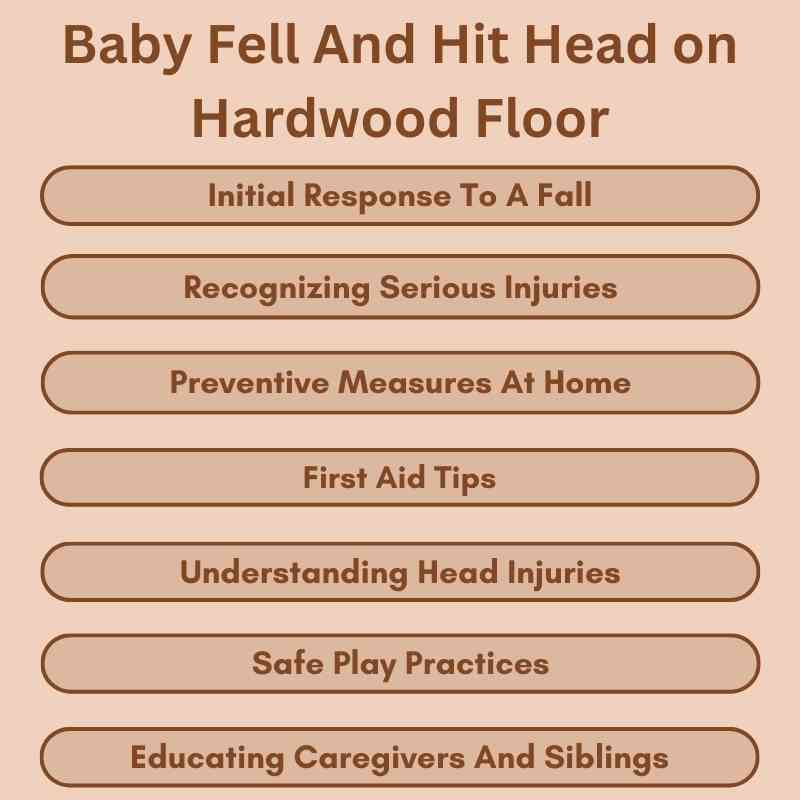
Recognizing Serious Injuries
When a baby falls and hits their head on a hardwood floor, it’s crucial for parents and caregivers to be able to recognize signs of serious injuries. Identifying these signs promptly can make a significant difference in a child’s recovery. This section will outline the signs of concussion and when it’s necessary to seek medical attention.
Signs Of Concussion
After a fall, it’s important to be vigilant for any potential signs of concussion. These may include:
- Loss of consciousness
- Confusion or disorientation
- Amnesia about the fall
- Nausea or vomiting
- Unequal pupil size
- Unusual drowsiness or difficulty waking up
When To Seek Medical Attention
If any of the above signs are observed or if there are any concerns about the baby’s well-being, it’s essential to seek medical attention without delay. Additionally, medical evaluation is necessary if:
- The baby experiences a momentary loss of consciousness
- They are alert and aware when waking up
- Bleeding from the head cannot be stopped
Preventive Measures At Home
When it comes to keeping your baby safe at home, taking preventive measures is crucial to avoid potential accidents. By implementing the right safety strategies, you can create a secure environment for your little one to explore and play. Let’s delve into some essential preventive measures to safeguard your baby at home.
Baby-proofing The Living Area
Baby-proofing your living area is essential to minimize potential hazards for your curious little explorer. Start by securing furniture and sharp corners with corner guards to prevent accidental bumps and bruises. Install safety gates at the top and bottom of stairs to prevent falls and limit access to hazardous areas. Keep electrical outlets covered and cords out of reach to prevent any accidents. Additionally, ensure that any heavy or fragile items are out of reach to avoid potential injury.
The Importance Of Supervision
Supervision is key to ensuring your baby’s safety at home. Always keep a close eye on your little one, especially when they are in areas that haven’t been fully baby-proofed. Never leave your baby unattended on high surfaces such as changing tables or beds, as falls from these areas can lead to serious injuries. It’s important to be present and attentive to prevent any accidents from occurring.
First Aid Tips
If your baby falls and hits their head on a hardwood floor, it is important to assess the situation. Check for any signs of loss of consciousness or severe bleeding. If your baby appears conscious and there are no serious injuries, gently check their head and body for bumps or bruises.
It is always a good idea to seek medical evaluation if you have any concerns.
Dealing With Bumps And Bruises
If your baby falls and hits their head on a hardwood floor, it can be a distressing experience for both you and your little one. The most important thing is to stay calm and take immediate action to ensure your baby’s safety and well-being. Here are some first aid tips for dealing with bumps and bruises:
The Dos And Don’ts After A Fall
After a fall, it’s crucial to know what to do and what to avoid. Here are some dos and don’ts to keep in mind:
- Do: Comfort your baby and provide reassurance.
- Do: Gently check for any signs of injury, especially on the head.
- Do: Apply a cold compress to any bumps to reduce swelling.
- Don’t: Panic or overreact, as this may distress your baby further.
- Don’t: Ignore any concerning symptoms, such as loss of consciousness or continuous crying.
- Don’t: Delay seeking medical help if you notice any worrisome signs.
Understanding Head Injuries
Understanding Head Injuries: Baby Fell And Hit Head on Hardwood Floor If your baby falls and hits their head on a hardwood floor, it’s important to carefully assess their condition. Look for signs of loss of consciousness, excessive bleeding, or any other serious injuries.
Seek medical evaluation if necessary, but if the baby appears conscious and without serious injuries, gently check for bumps or bruises on their head and the rest of their body. Remember that hardwood floors are relatively soft compared to other surfaces.
Types Of Head Trauma
Head injuries can range from mild to severe, and the type of injury will depend on the force of impact. The most common types of head trauma are:
- Concussions – a temporary loss of brain function that may cause confusion, dizziness, and headaches.
- Cuts and Bruises – superficial injuries that can cause bleeding and swelling.
- Skull Fractures – a break in the bone surrounding the brain, which can range from mild to severe.
It’s important to note that even a seemingly minor head injury can have long-term consequences if not properly treated.
Long-term Risks Of Head Injuries
While most babies recover from head injuries without any long-term effects, there are some risks to be aware of. These include:
- Seizures
- Cognitive and behavioral changes
- Developmental delays
- Permanent brain damage
Therefore, it’s crucial to seek medical attention immediately if your baby has fallen and hit their head on a hardwood floor or any other hard surface. Remember, early intervention can prevent long-term consequences.
Safe Play Practices
If your baby fell and hit their head on a hardwood floor, it’s important to monitor them closely for any signs of head injury. Check for bumps, bruises, or bleeding, and seek medical attention if necessary. Hardwood floors are relatively soft compared to other surfaces, but it’s still important to take precautions to ensure safe play practices for your little one.
Babies are curious creatures and love to explore their surroundings. However, it is important to ensure they are playing in a safe environment to avoid any accidents. As parents, it is our responsibility to create a safe play space and choose age-appropriate toys for our little ones. In this blog post, we will discuss some safe play practices that can help prevent accidents, especially if your baby falls and hits their head on a hardwood floor.
Choosing Age-appropriate Toys
When choosing toys for your baby, it is important to consider their age and developmental stage. Toys that are too advanced for their age can pose a choking hazard, while toys that are too simple may not provide enough stimulation. Always check the recommended age range on the packaging and ensure the toy is safe for your baby. Additionally, inspect the toys regularly for any broken or loose parts that could cause harm.
Creating Safe Play Spaces
Creating a safe play space is crucial for preventing accidents. Remove any hazardous objects from the area such as sharp edges, cords, and small objects that your baby could choke on. Use soft play mats or carpets to cushion any falls and provide a safe play surface. Also, make sure any furniture in the play area is secured to the wall to prevent tipping over.
If your baby falls and hits their head on a hardwood floor, it’s important to check for any signs of injury such as bleeding, loss of consciousness, or abnormal behavior. If you notice any of these symptoms, seek medical attention immediately. Applying ice to the affected area can help reduce swelling and pain.
In conclusion, by following safe play practices such as choosing age-appropriate toys and creating a safe play space, we can minimize the risk of accidents and help keep our babies safe.
Educating Caregivers And Siblings
If a baby falls and hits their head on a hardwood floor, it is important to educate caregivers and siblings on what to do. While it can be a scary situation, it is important to stay calm and assess the baby for any signs of serious injury, such as loss of consciousness or excessive bleeding.
If there are any concerns, seek medical attention immediately.
Training For Emergency Situations
It’s crucial to provide caregivers and siblings with essential training for handling emergency situations like when a baby falls and hits their head on a hardwood floor. This training should include steps to assess the situation, provide immediate first aid, and know when to seek medical attention.
Fostering A Safe Environment For The Baby
Creating a safe environment for the baby is the cornerstone of preventing accidents. This includes using safety gates, padding hard surfaces, and removing sharp or heavy objects from the baby’s reach. Educating siblings about the importance of being gentle around the baby and informing caregivers about baby-proofing measures can significantly reduce the risk of accidents.
Monitoring After An Incident
After a baby falls and hits their head on a hardwood floor, it’s crucial to closely monitor them for any signs of distress or injury. Even if the child appears fine initially, it’s essential to observe them for a period to ensure there are no delayed symptoms or complications. Here’s what to keep in mind during the monitoring process:
Observation Checklist
Use the following checklist to monitor the baby after a head injury:
- Check for any swelling or bruising on the head.
- Observe the baby’s behavior for any changes in mood or responsiveness.
- Look for signs of drowsiness or excessive sleepiness.
- Monitor for any unusual vomiting or changes in eating habits.
- Keep an eye out for any changes in the baby’s balance or coordination.
- Observe for any loss of consciousness or changes in alertness.
When To Follow Up With A Pediatrician
It’s important to know when to seek medical attention after a baby has hit their head. Consider contacting a pediatrician if:
- The baby shows persistent symptoms such as vomiting or unusual drowsiness.
- There are visible signs of injury such as a large bump or bruising on the head.
- Any behavioral changes or unusual symptoms persist for more than 24 hours.
- There is any loss of consciousness or changes in alertness.
Coping With The Aftermath
When a baby falls and hits their head on a hardwood floor, it can be a distressing experience for both the child and the parents. Coping with the aftermath requires emotional support for parents and child, as well as learning from the incident to prevent similar occurrences in the future.
Emotional Support For Parents And Child
After the incident, it’s crucial for parents to remain calm and provide comfort to the child. Reassure the baby with gentle words and soothing actions, while also monitoring them closely for any signs of distress or unusual behavior. Seek support from friends, family, or a healthcare professional if needed to cope with the emotional aftermath of the accident.
Learning From The Incident
Following a baby’s fall and head injury, it’s important for parents to reflect on the circumstances that led to the accident. Take measures to baby-proof the environment to prevent similar incidents in the future. This may include using safety gates, adding cushioning to sharp edges, and supervising the child more closely to minimize the risk of future accidents.
Frequently Asked Questions
What To Do If Baby Hits Head On Wood Floor?
If your baby hits their head on a wood floor, there are a few steps you can take. First, carefully check for any signs of serious injury, such as bleeding or loss of consciousness. If there are no immediate concerns, comfort your baby and gently examine their head for bumps or bruises.
Monitor them closely for any changes in behavior or symptoms, and if you notice anything unusual, seek medical attention. Remember, it’s always better to be cautious when it comes to head injuries.
How To Know If Baby Is Okay After Hitting Head?
If your baby hits their head, there are a few signs to look for to know if they are okay. Take them for a medical evaluation if they experience a momentary loss of consciousness, if they’re bleeding from the head and you can’t stop it, or if they’re alert and aware when they wake up.
Otherwise, gently check their head and body for any bumps, bruises, or injuries. It’s generally fine to comfort them if they appear conscious and without serious injuries.
Is It Okay If Baby Hits Head On Floor?
It is important to assess the situation if a baby hits their head on the floor. If the baby remains conscious and does not show any serious injuries, it is generally okay to comfort them. However, it is recommended to gently check for any bumps or bruises on the head and examine the rest of the baby’s body for any other injuries.
If there are any concerns, it is best to seek medical evaluation.
How Do I Know If My Baby Is Ok After A Fall?
If your baby is conscious and doesn’t seem seriously injured, comfort them and gently check for bumps or bruises, especially on their head. Keep an eye out for any changes in behavior or unusual symptoms. If in doubt, seek medical evaluation.
Conclusion
In the event that your baby falls and hits their head on a hardwood floor, it is important to remain calm and assess the situation. While it can be alarming, most falls on hardwood floors do not result in serious injuries.
However, it is always recommended to closely monitor your baby for any signs of distress or unusual behavior. If you notice any concerning symptoms such as loss of consciousness, persistent bleeding, or behavior changes, it is best to seek medical attention.
Remember, accidents happen, but with proper observation and care, your baby will likely be just fine.