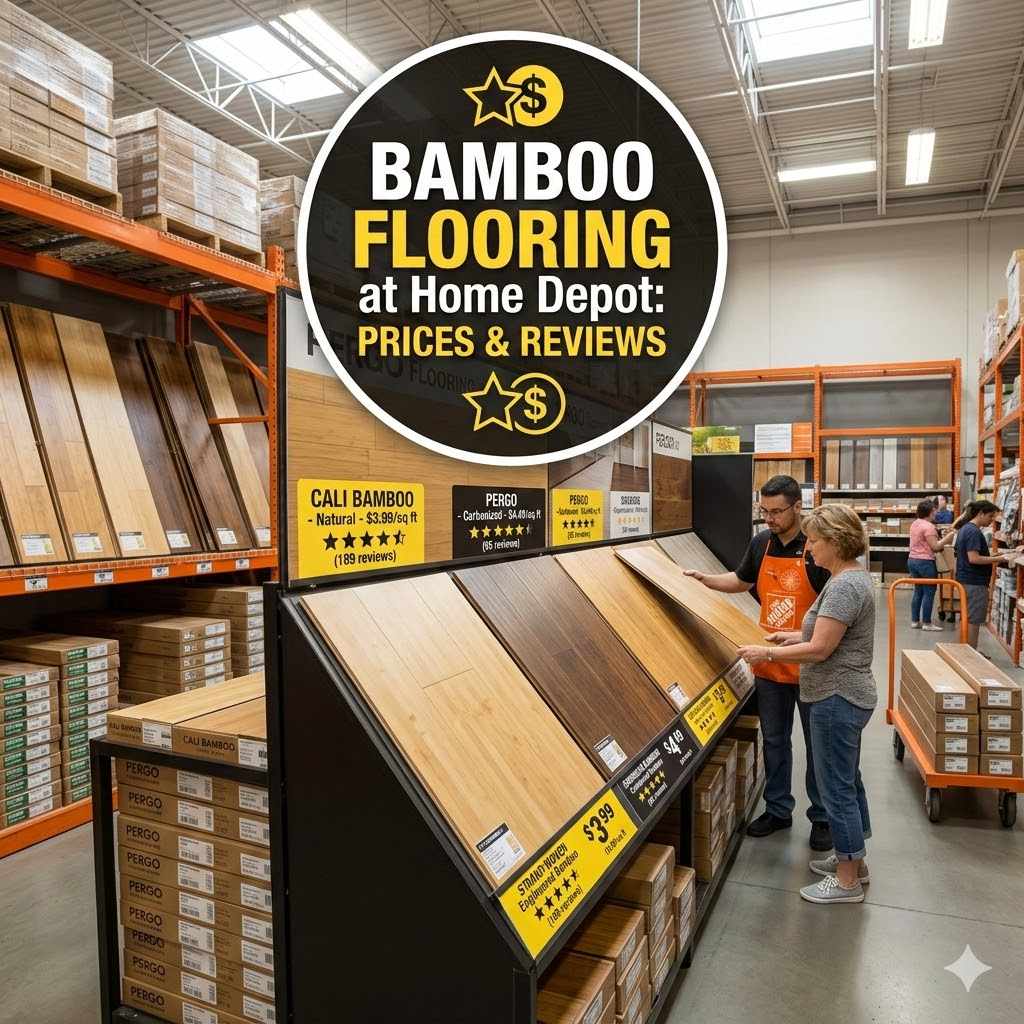
Bamboo Flooring at Home Depot: Prices & Reviews
Figuring out the best flooring for your home can feel a bit overwhelming, especially when you’re looking for affordability and style. Many people wonder about getting Bamboo Flooring at Home Depot: Prices & Reviews because it’s a popular spot. It might seem tricky to sort through all the options and what people are saying.
But don’t worry! We’re here to make it super simple. This guide will walk you through everything you need to know, step by step, so you can feel confident about your choice.
Let’s get started.
Exploring Bamboo Flooring at Home Depot
This section looks at why bamboo flooring is a great option and what Home Depot offers. We’ll cover its benefits, different types, and why it’s a good choice for many homes. Bamboo floors are known for being eco-friendly and stylish.
Home Depot provides a wide selection, making it a convenient place to shop. We’ll explore how to find the best bamboo flooring for your needs and budget.
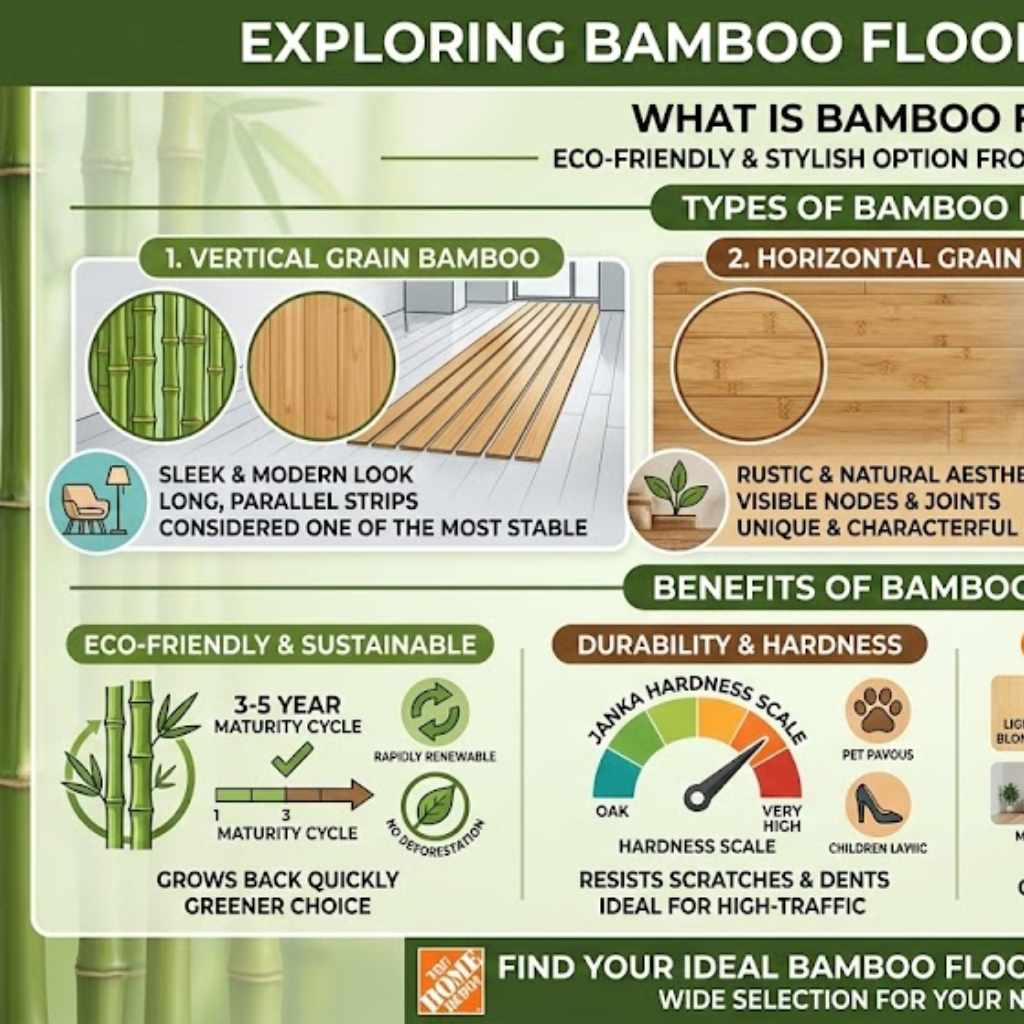
What is Bamboo Flooring?
Bamboo flooring is a type of hard flooring made from the bamboo plant. It’s considered a type of wood flooring, but it’s actually a grass. The bamboo stalks are harvested, processed, and then formed into planks.
This process creates a durable and attractive flooring material. Bamboo is a rapidly renewable resource, meaning it grows back quickly after harvesting. This makes it an environmentally friendly choice compared to some other flooring options.
There are a few main ways bamboo flooring is made. These methods affect the look and durability of the final product. Understanding these differences helps you choose the best fit for your home.
Types of Bamboo Flooring
The type of bamboo flooring impacts its strength, appearance, and cost. Knowing the differences helps you make a smart choice for your home.
- Vertical Grain Bamboo
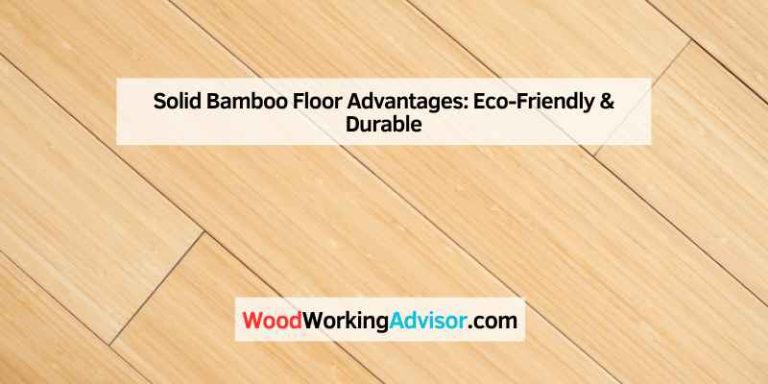
Vertical grain bamboo flooring has a striped appearance. The bamboo strips are placed on their edges, creating long, narrow strips that run parallel to each other. This gives the flooring a sleek and modern look.
It’s generally considered one of the more stable and durable forms of bamboo flooring. The distinct lines offer a sophisticated visual.
- Horizontal Grain Bamboo
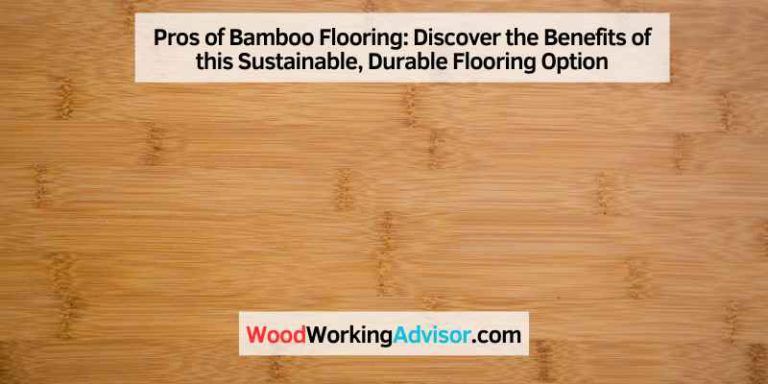
Horizontal grain bamboo flooring has a more knotty or textured look. The bamboo strips are laid flat, showing the natural nodes or joints of the bamboo. This results in a pattern with visible circular or oval shapes, resembling the rings of a tree.
It’s often considered more visually rustic and natural. This style is very popular for its unique aesthetic.
- Woven Strand Bamboo
Woven strand bamboo is made by shredding bamboo into fine strands. These strands are then compressed together under high pressure with adhesives. This process creates an extremely dense and durable flooring material.
It often has a more varied and textured appearance due to the interwoven strands. Woven strand bamboo is frequently the hardest and most resilient type.
Benefits of Bamboo Flooring
Bamboo flooring offers several advantages that make it a popular choice. These benefits range from environmental friendliness to aesthetic appeal and durability.
- Eco-Friendly and Sustainable
Bamboo is a highly renewable resource. A bamboo plant can mature in just 3 to 5 years, much faster than most hardwood trees. This quick growth cycle means that harvesting bamboo does not lead to deforestation.
Companies that source bamboo responsibly ensure the plant regenerates, making it a greener option for flooring. This sustainability is a major draw for environmentally conscious consumers.
- Durability and Hardness
High-quality bamboo flooring, especially woven strand varieties, can be as hard or even harder than many traditional hardwoods like oak or maple. This makes it resistant to scratches and dents, ideal for high-traffic areas. The hardness is often measured on the Janka scale, and many bamboo floors score very well.
Proper installation and maintenance will ensure its longevity.
- Aesthetic Appeal
Bamboo flooring comes in a variety of natural colors and finishes, from light blonde to rich dark brown. The grain patterns, as discussed with vertical and horizontal styles, offer distinct visual textures. It can complement a wide range of interior design styles, from modern minimalist to rustic farmhouse.
Its natural beauty adds warmth and elegance to any room.
- Easy to Maintain
Bamboo floors are relatively easy to clean. Regular sweeping or vacuuming with a soft brush attachment is usually sufficient. For spills, a slightly damp mop with a pH-neutral cleaner works well.
Unlike some carpeted floors, it doesn’t trap dust or allergens as easily. This makes it a healthier choice for households.
Bamboo Flooring at Home Depot: Prices & Reviews
Home Depot is a go-to store for many home improvement projects, including flooring. When you’re looking for Bamboo Flooring at Home Depot: Prices & Reviews, you’ll find a decent selection. This section will help you understand what to expect regarding costs and what other customers are saying.
It’s important to get a good sense of both so you can make a smart purchase. We’ll look at how pricing can vary and what kind of feedback you might see from shoppers.
Home Depot Bamboo Flooring Prices
The cost of bamboo flooring at Home Depot can vary significantly. Several factors influence the price. These include the type of bamboo, the brand, the finish, and whether it’s a solid plank or engineered product.
Generally, you can expect to pay anywhere from $2 to $7 per square foot. Installation costs are separate and can add another $2 to $5 per square foot.
Factors Affecting Price
Several things make bamboo flooring prices differ. Understanding these can help you find options that fit your budget.
- Type of Bamboo Construction
As discussed, woven strand bamboo is typically the most expensive because it is the densest and most durable. Vertical and horizontal grain bamboo are usually more affordable but might be less resistant to heavy wear and tear. The manufacturing process for woven strand is more labor-intensive.
This results in a higher price point for this premium option.
- Brand Name
Like many products, established flooring brands might command higher prices due to their reputation for quality and customer service. Home Depot carries various brands, so comparing them is key. Some well-known brands offer excellent warranties, which can justify a slightly higher initial investment.
Always check the warranty details.
- Finish and Color
The finish applied to the bamboo, such as UV-cured polyurethane or natural oils, can affect the cost. Darker stains or more intricate finishes might be more expensive. Natural, light finishes are often more common and less costly.
The quality of the finish also impacts durability and longevity. A good finish protects the bamboo from moisture and wear.
- Solid vs. Engineered Bamboo
Solid bamboo flooring is made entirely from bamboo. Engineered bamboo has a bamboo veneer top layer over a core of plywood or HDF. Engineered bamboo is often more stable and can be installed in areas with fluctuating humidity.
While solid is usually seen as more premium, engineered can sometimes be more cost-effective and versatile.
Customer Reviews and Ratings
Reading customer reviews is a great way to get real-world feedback on bamboo flooring from Home Depot. People often share their experiences with installation, durability, and overall satisfaction.
What Customers Say About Durability
Many customers are pleased with the durability of bamboo flooring, especially in low to medium traffic areas. They often comment on how well it holds up to daily use. However, some reviews mention that lighter colors or softer finishes can show scratches more easily.
Pets and children can sometimes cause wear if not careful. It’s important to consider your household’s activity level.
For instance, one reviewer mentioned their bamboo floors in the living room held up well for five years with two dogs. They noted only minor scratches from the dogs’ nails. Another customer reported that the bamboo in their entryway, which sees heavy foot traffic, started showing wear after just two years.
This highlights how location within the home impacts perceived durability.
Ease of Installation Feedback
Customer feedback on installation can be mixed. Many find the click-lock or floating floor systems relatively easy to install, even for DIYers. Others find that precise cutting and fitting can be challenging.
Reviews often suggest ensuring the subfloor is perfectly level before starting. This step is crucial for a good outcome. Some customers recommend buying extra planks to account for mistakes or difficult cuts.
A common piece of advice in reviews is to follow the manufacturer’s instructions precisely. This includes acclimatizing the flooring to the room’s temperature and humidity before installation. This small step can prevent future warping or gapping issues.
One shopper shared that they took their time acclimatizing the bamboo for a full week, and the installation went smoothly.
Aesthetic and Value Reviews
Most customers love the look of their new bamboo floors, praising the natural beauty and warmth they bring to a room. Many feel it offers great value for the price, especially when compared to traditional hardwood. The visual appeal is frequently highlighted as a major selling point.
People often say it makes their home look more upscale.
A common theme in positive reviews is the “bang for your buck” aspect. Shoppers often feel they get a high-end look at a more accessible price point. This makes it a popular choice for those looking to upgrade their flooring without a massive budget.
The natural variations in the bamboo add character that many find appealing.
Installing Your Bamboo Flooring
Once you’ve chosen your bamboo flooring from Home Depot, the next step is installation. This can be a DIY project or a job for professionals. Proper installation is key to the longevity and appearance of your new floors.
We’ll cover the basics to help you decide if you want to tackle it yourself.
DIY Installation vs. Professional Installation
Deciding whether to install your bamboo flooring yourself or hire a professional depends on several factors. Your budget, your comfort level with tools, and the complexity of your project all play a role.
- DIY Installation
DIY installation can save you money on labor costs. Many modern bamboo flooring products are designed for easy installation, often featuring click-lock systems that allow planks to snap together. This method, known as floating, doesn’t require glue or nails.
You’ll need basic tools like a tape measure, utility knife, saw, and possibly a tapping block and pull bar. Ensure you have a level subfloor.
The main advantage of DIY is cost savings. You also get the satisfaction of completing the project yourself. However, it requires time, patience, and some basic skills.
Mistakes can be costly, potentially damaging the flooring. It’s crucial to follow all manufacturer guidelines to avoid voiding warranties.
- Professional Installation
Hiring a professional ensures the job is done correctly and efficiently. Experienced installers have the right tools and know-how to handle any challenges that may arise. They can also offer advice on the best installation method for your specific situation.
This is particularly helpful for complex room shapes or tricky transitions.
While professional installation costs more, it often provides peace of mind. A professional job typically comes with a warranty on the labor. This means if something goes wrong due to installation error, the installer is responsible for fixing it.
This can be a worthwhile investment for many homeowners.
Preparation Steps for Installation
Before you begin laying any bamboo flooring, thorough preparation of the installation area is essential. This step is critical for a successful outcome and the long-term performance of your floor. Skipping preparation can lead to problems down the line.
- Acclimate the Flooring
This is a vital step often overlooked by beginners. You must let the bamboo planks sit in the room where they will be installed for a specific period. This allows the flooring to adjust to the room’s temperature and humidity levels.
Typically, this takes 48 to 72 hours, but always check the manufacturer’s recommendations. Failure to acclimate can cause planks to expand or contract after installation, leading to gaps or buckling.
Imagine bringing home new wood furniture. If you put it in a very humid room right away, it might swell. Flooring is similar.
Proper acclimatization ensures the material is stable before you fix it in place. This reduces stress on the locking mechanisms.
- Prepare the Subfloor
The subfloor must be clean, dry, and level. Remove any old flooring, nails, staples, or debris. Sweep and vacuum thoroughly.
Use a long, straight edge or a level to check for high spots or low spots. Any imperfections larger than 3/16 inch over a 10-foot span should be addressed. Low spots can be filled with a leveling compound, and high spots can be sanded down.
A smooth, flat surface is crucial for a stable floor.
A poorly prepared subfloor can lead to squeaky floors, uneven surfaces, and damage to the locking system of the bamboo planks. Think of building a house; the foundation must be perfect. Your subfloor is the foundation for your new flooring.
- Gather Tools and Materials
Ensure you have all the necessary tools and materials before starting. This includes the bamboo flooring, underlayment (if recommended), a tape measure, a utility knife, a saw (miter saw or jigsaw for cuts), a measuring square, a pencil, a tapping block, a pull bar, and spacers. Safety glasses and gloves are also important.
Having everything on hand prevents interruptions.
Having the right tools makes the job go much faster and smoother. For example, a tapping block protects the edges of the planks when you gently tap them into place to ensure a tight fit. Without it, you risk damaging the planks.
Installation Methods for Bamboo Flooring
Bamboo flooring can be installed using a few different methods, depending on the product type. Understanding these methods helps ensure a proper and durable installation.
- Floating Installation
This is the most common method for modern click-lock bamboo flooring. The planks are not attached to the subfloor. Instead, they are joined together using an interlocking tongue-and-groove system.
The entire floor is held together by the weight of the planks themselves, plus expansion gaps around the perimeter of the room. This method is excellent for DIYers as it’s less labor-intensive than gluing or nailing.
A floating floor needs an underlayment for cushioning, sound insulation, and moisture protection. This underlayment is laid directly on the prepared subfloor. The bamboo planks are then laid on top of the underlayment.
- Glue-Down Installation
In a glue-down installation, the bamboo planks are directly adhered to the subfloor using a specialized flooring adhesive. This method creates a very solid and stable floor. It’s often preferred for commercial applications or areas with heavy traffic where maximum stability is desired.
Glue-down can also be used over concrete subfloors, which may not be suitable for floating floors.
This method requires precise application of the adhesive. It’s generally more time-consuming and messier than a floating installation. It also makes future removal more difficult.
- Nail-Down Installation
Nail-down installation involves using nails or staples to secure the bamboo planks to a wooden subfloor. This is a traditional method for solid hardwood flooring and can also be used for some solid bamboo planks. It provides a very secure and durable installation.
It’s important to use the correct type and size of fasteners to avoid damaging the planks.
This method is generally not suitable for engineered bamboo or for installation over concrete subfloors. It requires a pneumatic nailer or stapler, which may be an additional tool rental cost for DIYers.
Maintaining Your Bamboo Floors
Keeping your bamboo floors looking beautiful requires simple, regular care. Proper maintenance will extend their lifespan and preserve their attractive appearance. It’s not complicated, and a little effort goes a long way.
Daily and Weekly Cleaning
Regular cleaning is the most important aspect of bamboo floor maintenance. This prevents dirt and grit from scratching the surface.
- Sweep or Vacuum Regularly
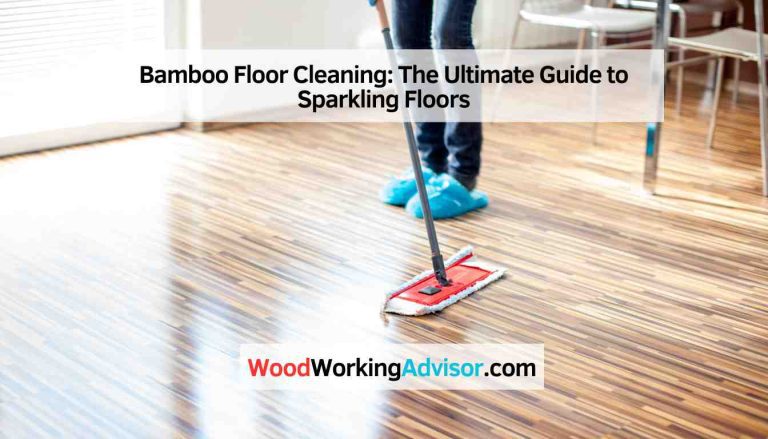
Use a soft-bristle broom or a vacuum cleaner with a hard floor attachment. Avoid using vacuums with beater bars, as these can scratch the bamboo. Aim to sweep or vacuum at least once or twice a week, or more often in high-traffic areas.
This removes dust, sand, and small debris that can act like sandpaper underfoot.
This simple step prevents the micro-scratches that can dull the finish over time. It keeps the surface looking fresh and new. Regular sweeping also helps reduce the amount of allergens in your home.
- Spot Clean Spills Immediately
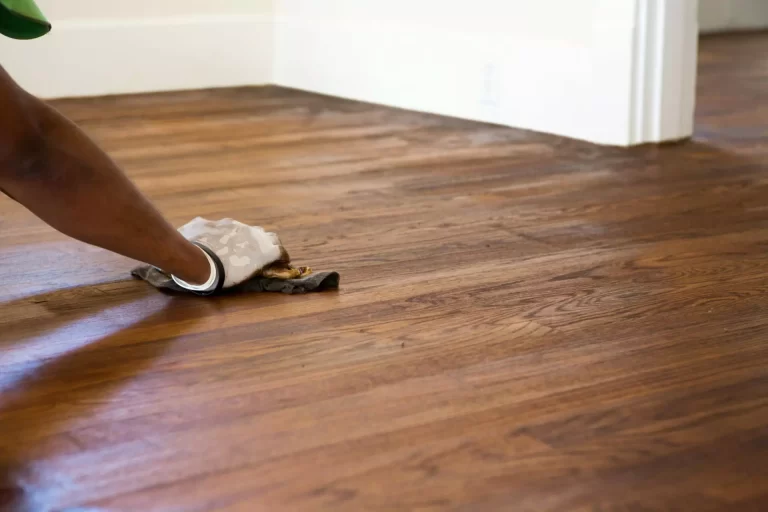
Wipe up any spills as soon as they happen. Use a soft, damp cloth or sponge. For sticky or stubborn spots, you can use a pH-neutral floor cleaner specifically designed for wood or bamboo floors.
Avoid using excessive water, as standing water can damage bamboo. Always dry the area thoroughly after cleaning.
Promptly cleaning spills prevents them from penetrating the finish or the bamboo itself. This is especially important for liquids like wine, juice, or pet accidents, which can stain.
Deep Cleaning and Protection
Beyond daily cleaning, periodic deep cleaning and protective measures help keep your floors in top condition.
- Use Appropriate Cleaners
When a damp cloth isn’t enough, use a cleaning solution recommended by the flooring manufacturer. These are typically pH-neutral and specifically formulated for bamboo or wood. Avoid harsh chemicals, ammonia-based cleaners, or abrasive scrubbing pads, as they can damage the finish.
Always test a new cleaner in an inconspicuous area first.
Using the wrong cleaner can strip the protective coating or leave a dull residue. Stick to products designed for your floor type. This ensures the finish remains intact and the bamboo is properly cared for.
- Protect from Furniture and Foot Traffic
Place felt pads on the bottom of furniture legs to prevent scratches when moving items. Use doormats at all entrances to trap dirt and moisture before it’s tracked onto the floor. Consider using area rugs in high-traffic zones like hallways or living areas.
These protect the bamboo from excessive wear and tear.
These protective measures are simple but very effective. They significantly reduce the risk of dents and scratches. For example, the constant friction of a chair being moved can wear down the finish over time.
Felt pads eliminate this friction.
- Control Humidity
Bamboo, like wood, can be affected by extreme humidity levels. Maintain a consistent indoor humidity level, ideally between 35% and 55%. Use humidifiers or dehumidifiers as needed, especially in basements or areas prone to moisture.
Avoid excessive moisture buildup.
High humidity can cause bamboo to expand, leading to buckling. Very low humidity can cause it to contract and crack. Stable humidity levels are key to keeping your bamboo floors looking their best.
Where to Find Bamboo Flooring at Home Depot
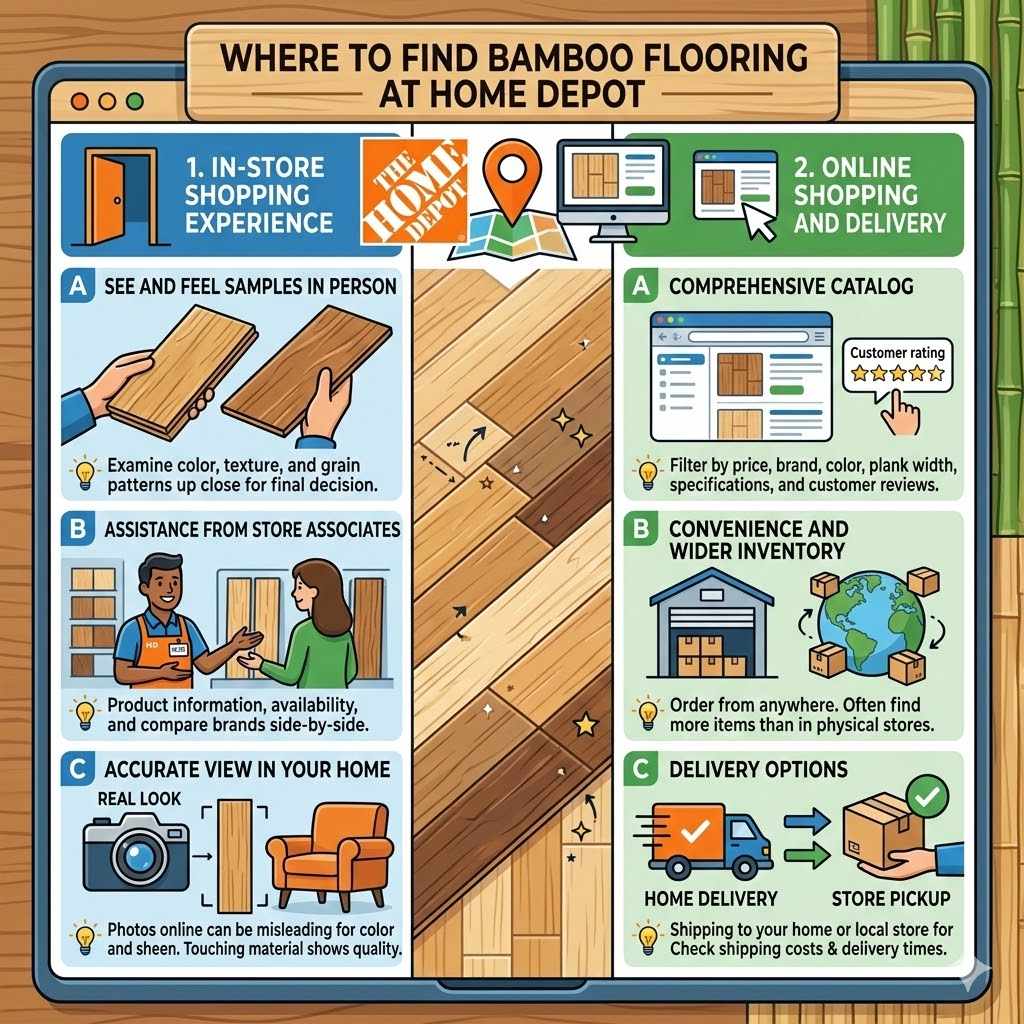
Home Depot is a major retailer that offers a variety of flooring options, including bamboo. You can find their bamboo flooring selection both in-store and online, making it accessible for most shoppers.
In-Store Shopping Experience
Visiting a Home Depot store allows you to see and feel the bamboo flooring samples in person. You can examine the color, texture, and grain patterns up close. This is helpful for making a final decision.
Store associates can also assist you with product information and availability. You can compare different brands and types side by side.
Seeing the actual planks helps you get a better sense of how they will look in your home. Photos online can sometimes be misleading regarding color and sheen. Touching the material also gives you an idea of its perceived quality.
Online Shopping and Delivery
Home Depot’s website provides a comprehensive catalog of their bamboo flooring products. You can filter by price, brand, color, plank width, and other specifications. Online, you can often find more detailed product descriptions, specifications, and customer reviews.
Ordering online offers convenience and access to a wider inventory than some physical stores might carry.
Delivery options are usually available, with shipping to your home or to your local store for pickup. This is especially useful for large orders of flooring. Be sure to check the shipping costs and estimated delivery times.
Frequently Asked Questions
Question: Is bamboo flooring durable enough for a kitchen?
Answer: Bamboo flooring can be durable enough for a kitchen if you choose a high-quality, dense product like woven strand bamboo and maintain it properly. However, kitchens are prone to spills and moisture, which can damage bamboo. Using a good sealant and cleaning up spills immediately is crucial.
For very high-moisture areas, other materials might be a safer bet.
Question: How does bamboo flooring compare to laminate flooring in terms of price?
Answer: Generally, bamboo flooring can be more expensive than basic laminate flooring. However, the price range for both can overlap significantly depending on the quality and features. Higher-end laminates can be more expensive than entry-level bamboo, and premium bamboo can be pricier than mid-range laminate.
Question: Can bamboo flooring be refinished?
Answer: Yes, most solid bamboo flooring can be refinished, similar to traditional hardwood. Woven strand bamboo, being very dense, might require specialized sanding equipment. Engineered bamboo flooring with a thin bamboo wear layer may only be refinished once or twice, if at all.
Question: Is bamboo flooring slippery when wet?
Answer: Bamboo flooring typically has a matte or satin finish, which provides decent traction. It is not inherently more slippery than other hard flooring surfaces like tile or vinyl when wet. Promptly drying up any moisture is key to preventing slips on any hard floor surface.
Question: What is the average lifespan of bamboo flooring?
Answer: With proper installation and maintenance, bamboo flooring can last anywhere from 15 to 30 years, and sometimes even longer. The lifespan depends heavily on the quality of the bamboo, the finish, the type of installation, and how well it’s cared for throughout its life.
Conclusion
Choosing bamboo flooring at Home Depot offers a stylish and sustainable option for your home. You’ve learned about the different types of bamboo, its benefits, and what to expect regarding prices and customer feedback. Proper preparation and installation are vital for a lasting floor.
Regular cleaning and protection will keep your bamboo looking great for years. You now have the knowledge to make a confident decision for your flooring needs.