Cedar Mulch Benefits: 7 Real Perks (and 5 Drawbacks)
Cedar mulch protects garden beds with natural pest-repelling oils and slow decomposition — it deters ants, termites, and roaches while lasting 2 to 3 seasons, longer than pine bark or hardwood mulch. Skip it around direct-sown vegetable seedlings, though, since the same oils that repel bugs can also slow germination. This guide covers cedar mulch’s real benefits, its honest drawbacks, what it costs, and how to apply it correctly.
Ready to buy? See our cedar mulch picks for specific bags and bulk suppliers worth using.
What Makes Cedar Mulch Different From Other Wood Mulches
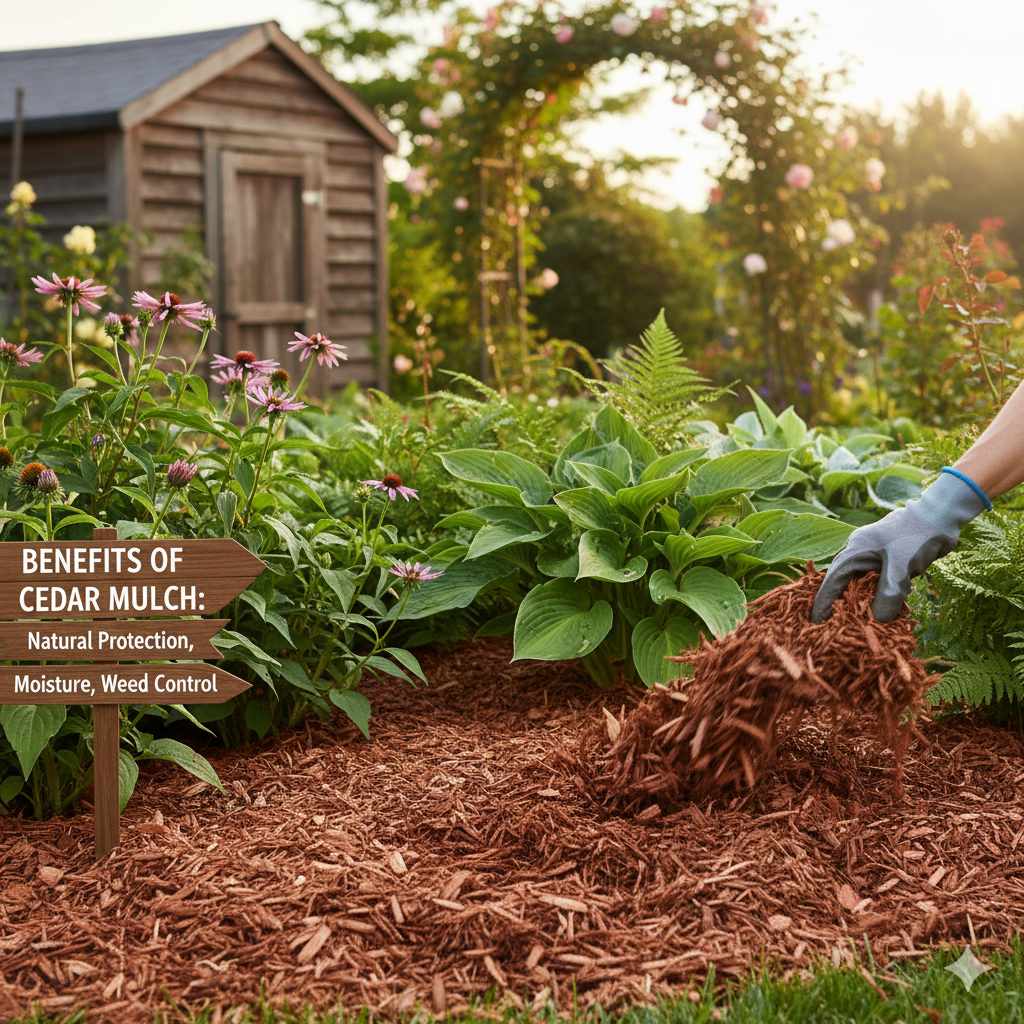
Cedar mulch is shredded or chipped bark and wood from cedar trees that is spread over soil to control moisture, weeds, and pests. Unlike pine bark or generic hardwood mulch, cedar contains natural aromatic compounds — most notably thujaplicin, a water-soluble oil with antifungal and insect-repelling properties. That single compound is why cedar mulch smells stronger, resists rot longer, and repels bugs better than most competing wood mulches, and it’s the main reason cedar costs more per bag than plain hardwood or pine.
7 Real Benefits of Cedar Mulch
- Natural pest and insect repellent. Thujaplicin and other cedar oils repel ants, termites, roaches, moths, and several beetle species without any added chemicals, making cedar a reasonable low-toxicity option near vegetable and pollinator beds where you don’t want sprays.
- Moisture retention. A 2 to 4 inch layer slows evaporation from the soil surface, which means less frequent watering during hot stretches — useful in raised beds and containers that dry out faster than in-ground soil.
- Weed suppression. Cedar mulch blocks the sunlight weed seeds need to germinate, cutting down on hand-weeding in beds and pathways.
- Soil temperature regulation. The mulch layer insulates roots, keeping soil cooler in summer heat and warmer through light frosts, which reduces stress on shallow-rooted perennials.
- Slow decomposition, longer lifespan. Because cedar resists rot, it breaks down over 2 to 3 seasons instead of the single season you get from straw or fresh hardwood chips, so you buy and spread it less often.
- Disease resistance. The same thujaplicin that repels insects also has antifungal and antibacterial properties, which can reduce certain soil-borne fungal problems that thrive in constantly damp mulch.
- Appearance and erosion control. Cedar holds its reddish-brown color longer than dyed or plain hardwood mulch, and the layer itself slows soil erosion from rain and wind on slopes or exposed beds.
These same properties also explain why cedar bark shows up in other outdoor uses beyond garden mulch, from pathway cover to raised-bed lining.
Best Cedar Mulch Pick
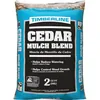 |
Oldcastle Lawn & Garden Cedar Mulch (2 Cu. Ft. Bag) A bagged, ready-to-spread cedar mulch that covers about 8-12 sq ft at a 2-4 inch depth — a convenient way to try cedar on a single bed before committing to a bulk delivery.
|
As an Amazon Associate we earn from qualifying purchases.
Cedar Mulch Cost, Coverage & How Long It Lasts
Cedar mulch’s higher upfront cost is the most common objection, so here’s what that actually buys you compared to the alternatives:
| Mulch Type | Typical Cost / Cu. Yd. | Lifespan | Best For |
|---|---|---|---|
| Cedar mulch | $40-55 (bulk); ~$27-35 per bagged 2 cu. ft. | 2-3 seasons | Beds where pest control and longevity matter most |
| Hardwood mulch | $30-45 | 1 season | Fast nutrient release, budget beds |
| Pine bark mulch | $25-40 | 1-2 seasons | Acid-loving plants, slopes (won’t float away as easily) |
| Dyed mulch | $35-50 | 1 season (color fades faster) | Short-term color, high-visibility beds |
One cubic yard covers roughly 100 square feet at a 3-inch depth — the depth most references recommend for weed suppression without smothering roots. A standard bagged 2 cubic foot bag of cedar mulch (like the pick above) covers about 8 to 12 square feet at that same depth, so a typical 10×10 foot bed needs roughly 8 to 9 bags, or one bulk cubic yard delivery. For a deeper cost comparison by mulch type, see hardwood vs. pine bark mulch or cedar vs. cypress mulch if cypress is available in your area.
The Drawbacks Nobody Mentions
Cedar mulch isn’t a universal upgrade. Five real trade-offs worth knowing before you buy:
- Higher cost. Cedar typically runs $10-15 more per cubic yard than hardwood or pine bark, and bagged cedar carries an even bigger per-cubic-foot premium.
- Can repel beneficial insects too. The same oils that deter pests can also discourage bees, ladybugs, and earthworms from a treated bed, which matters if the bed depends on pollinators or worm activity for soil health.
- Slower nutrient release. Because cedar decomposes slowly, it adds organic matter to soil at a slower rate than faster-breaking-down mulches like hardwood.
- Can raise soil acidity over time. Repeated cedar mulching gradually lowers soil pH, which suits acid-loving plants like azaleas and blueberries but can work against alkaline-preferring species if left unchecked for years.
- Slows seedling germination. Cedar’s natural oils can inhibit germination and early root growth in direct-sown seeds, so it’s better suited to established plants and pathways than to a seed-starting vegetable bed.
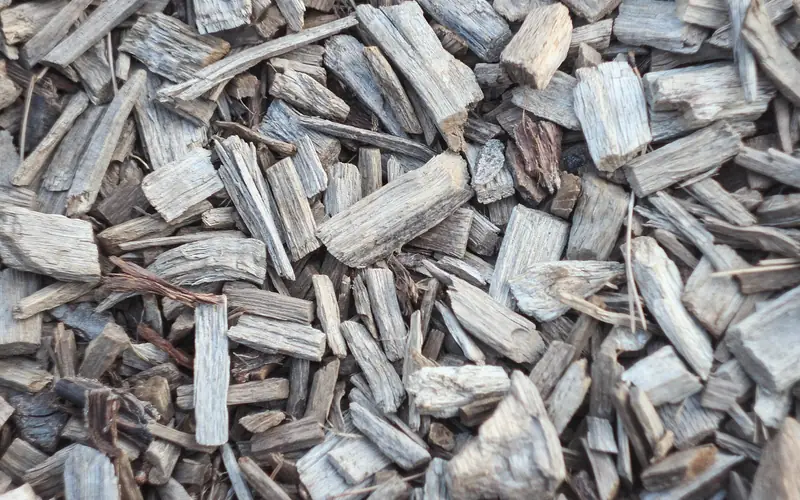
When to Use Cedar Mulch (and When to Skip It)
After years of mulching everything from raised vegetable beds to perennial borders, the pattern that holds up is simple: cedar earns its higher price around established shrubs, perennial beds, and pathways where you want two or three seasons of pest control without re-mulching every spring. It’s a weaker choice for a vegetable bed you’re direct-seeding, since the germination-slowing effect is real and not worth the trade for pest control you can get another way (row covers, diatomaceous earth) during the seedling stage.
If cedar isn’t available locally or the price gap is too wide, pine mulch is the closest substitute for weed and moisture control, just without the pest-repelling oils or the multi-season lifespan.
How to Apply Cedar Mulch the Right Way
- Clear the bed first. Pull existing weeds and remove old, matted mulch before adding new cedar mulch — spreading fresh mulch over weeds just insulates them.
- Water the soil. Water thoroughly before mulching so moisture is already in the ground, since a dry cedar layer will otherwise block light rain from reaching roots.
- Spread 2 to 4 inches deep. Thinner layers suppress fewer weeds, and anything past 4 inches risks smothering roots and trapping excess moisture.
- Keep mulch off stems and trunks. Leave a 2 to 3 inch gap of bare soil around plant stems and tree trunks to prevent rot and pest hiding spots — avoid piling mulch into a “volcano” against the trunk.
- Top off yearly, replace every 2 to 3 years. Rake and refresh the top inch each year to maintain color and depth, and plan a full replacement every 2 to 3 seasons as the layer fully breaks down.
Frequently Asked Questions
Is Cedar Mulch Better Than Regular Mulch?
For pest control and longevity, yes – cedar breaks down slower than pine bark or hardwood mulch and contains natural oils that regular wood mulch lacks. For raw nutrient delivery to soil, no – faster-decomposing mulches like hardwood release nutrients sooner. Cedar wins when you want a 2-3 season mulch that also deters bugs; hardwood wins when you want quicker soil-building.
How Long Does Cedar Mulch Actually Last?
Cedar mulch typically lasts 2 to 3 growing seasons before it needs topping off, compared to 1 season for straw or fresh hardwood chips. Lifespan depends on climate, mulch depth, and rainfall – a thin 1-inch layer in a wet region breaks down faster than a proper 3-inch layer in a drier climate.
Does Cedar Mulch Attract Or Repel Termites?
Cedar mulch repels termites rather than attracting them. The wood contains thujaplicin and other aromatic oils that are naturally unappealing to termites, ants, and several other insects. That said, no mulch is a substitute for proper termite prevention around a home’s foundation – keep any mulch, cedar included, at least 6 inches from siding.
Can You Use Too Much Cedar Mulch?
Yes. More than 3 to 4 inches deep can suffocate roots, trap excess moisture against stems, and cause the fungal problems mulch is supposed to prevent. Piling mulch against a trunk or stem (a “mulch volcano”) is one of the most common application mistakes – keep a few inches of bare soil clear around the base of any plant.
Is Cedar Mulch Safe Around Vegetable Gardens?
Use it carefully. Cedar’s natural oils that repel insects can also slow germination and early root growth in direct-sown seedlings, so it’s a better fit for pathways between vegetable rows than for beds where you’re starting seeds. Established transplants tolerate it fine once their root systems are developed.
Bottom Line
Cedar mulch costs more than hardwood or pine, but the trade-off is real: 2 to 3 seasons of natural pest control, moisture retention, and weed suppression from a single application. Use it around established beds, shrubs, and pathways; skip it for direct-sown vegetable seeds until they’ve sprouted. Apply it 2 to 4 inches deep, keep it off stems, and it will outlast almost every other mulch option on the shelf.
Sponsored / affiliate links. As an Amazon Associate I earn from qualifying purchases. I may earn additional commission from eligible campaigns.