Cheapest Cedar Cladding: Real Budget Grades That Still Hold Up
The cheapest real cedar cladding is knotty or rustic-grade Eastern White Cedar in a rough-sawn 5/8-inch profile, typically $2 to $4 per square foot for materials – roughly half the cost of clear-grade Western Red Cedar in a smooth, milled profile. Grade, species, and profile each move the price independently, and knowing which one to compromise on (and which one not to) is the actual budget lever, not just “shopping around.”
Grade Is the Biggest Lever, and It’s Mostly Cosmetic
Best for Protecting Budget-Grade Cedar
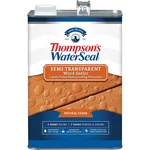 |
Thompson’s WaterSeal Semi-Transparent Stain (Natural Cedar, 1 Gal) – $19.94 A waterproofing stain that keeps knotty or rustic-grade cedar looking intentional rather than weathered unevenly, without the cost of a clear-grade upgrade.
|
Cedar is graded on appearance, not structural strength – a knot doesn’t make a board weaker as cladding, it just isn’t uniform. That’s good news for a budget project, because the price gap between grades is almost entirely about looks:
- Clear grade: free of knots, uniform color. The most expensive tier, often 40-60% more than knotty grade for the same species and profile.
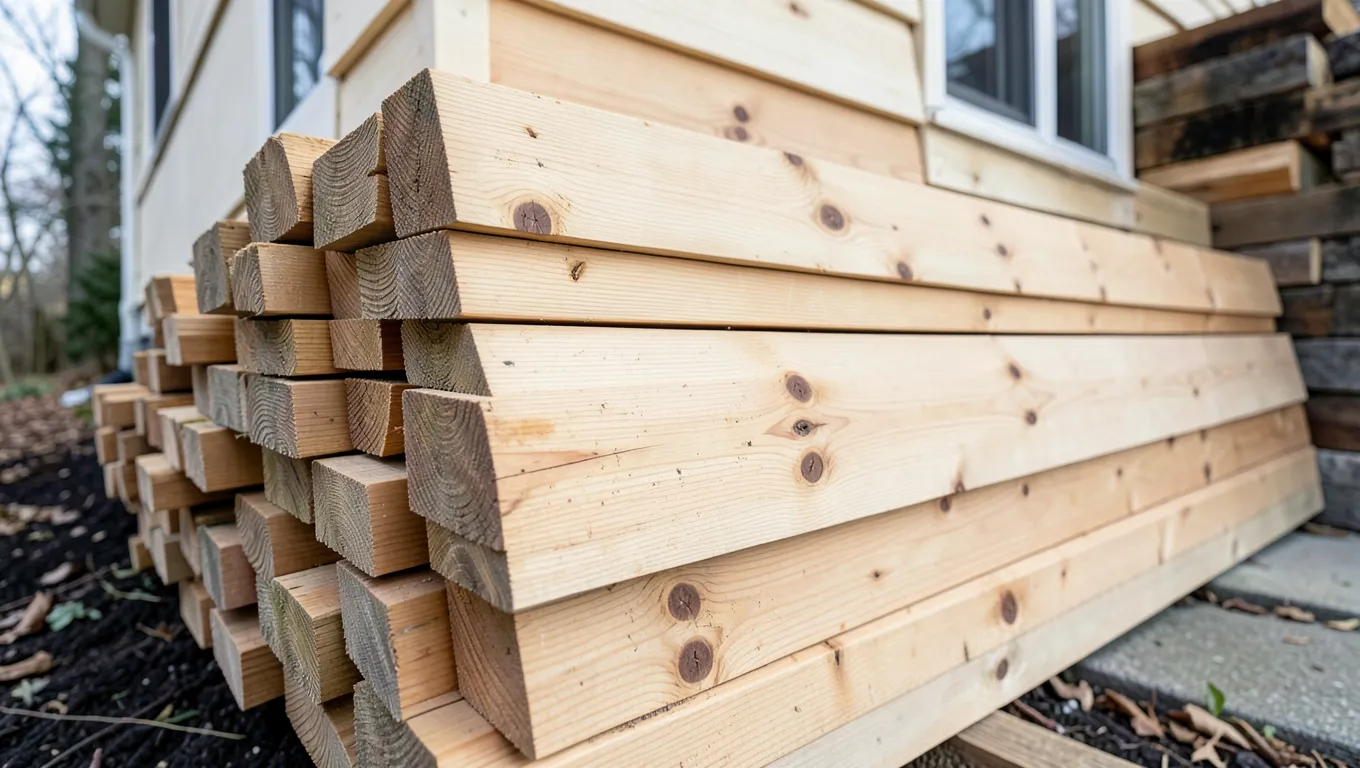
- Knotty grade (sometimes labeled #2 or #3 Common): visible tight or loose knots. This is the sweet spot for budget projects – it’s real cedar with real durability, just with visible character instead of a uniform face.
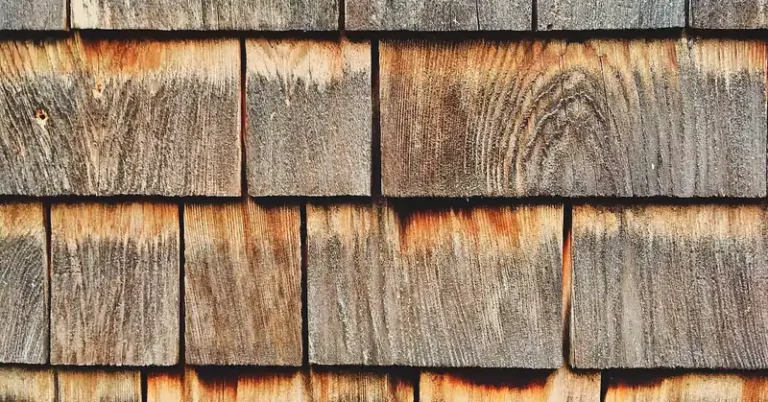
- Rustic/utility grade: knots, occasional sapwood streaks, more color variation. Cheapest tier, and increasingly used deliberately for a “reclaimed” or farmhouse look rather than treated as a downgrade.
If your design already leans rustic or modern-farmhouse, knotty or rustic grade isn’t a compromise at all – it’s often the better aesthetic match, and it happens to be the cheaper option too.
Species: Eastern White Cedar vs Western Red Cedar
Western Red Cedar is the more widely marketed species and typically costs more – it has a deeper red-brown tone and slightly better natural rot resistance from its higher extractive (natural oil) content. Eastern White Cedar is lighter in color, a bit less rot-resistant in ground contact but perfectly durable for cladding (which doesn’t touch soil), and usually runs 20-30% cheaper for equivalent grade and profile. For a cladding application – vertical, off the ground, properly flashed – the durability gap between the two species matters much less than it would for a fence post set in dirt, which makes Eastern White Cedar a genuinely rational budget choice rather than just a cheaper compromise.
Profile and Milling: Where Cost Hides in Plain Sight
Two boards of identical grade and species can still differ 20-30% in price based on how they’re milled:
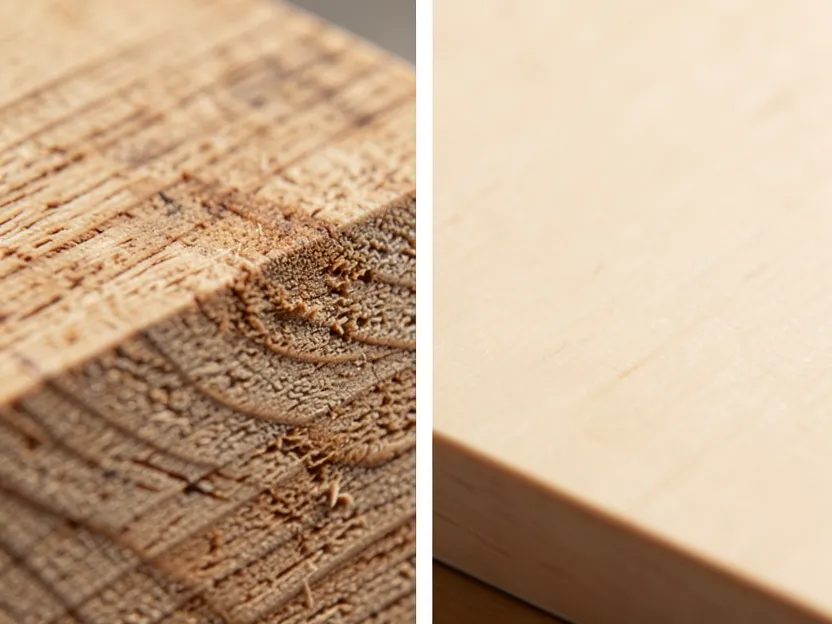
- Rough-sawn costs less than smooth/S4S (surfaced four sides) because it skips a milling step. It also happens to be the traditional look for cedar siding, so choosing it isn’t purely a downgrade.
- Simple channel or shiplap profiles cost less than board-and-batten or tongue-and-groove, which need more precise milling and more material overlap.
- Thinner nominal thickness (5/8-inch vs 3/4-inch or 1-inch) costs less per square foot and is still fully adequate for cladding, which isn’t load-bearing – thickness matters far more for structural lumber than for siding.
Where to Actually Buy It Cheaper
Big box stores carry a narrow selection, usually mid-grade at a marked-up price because they’re paying distribution costs a local mill doesn’t have. A local sawmill or cedar-specific lumber yard, especially one within a region that grows cedar commercially (the Pacific Northwest for Western Red, the Great Lakes region and eastern Canada for Eastern White), typically prices 15-25% below big box for the same grade, because you’re closer to the source. Calling ahead and asking specifically about “shorts” or “cut-offs” – leftover pieces from larger orders, sold at a discount – can turn up real savings for a project that doesn’t need long continuous runs.
When “Cheapest Real Cedar” Still Isn’t in Budget
If even rustic-grade Eastern White Cedar doesn’t fit the budget, the honest alternative isn’t a cheaper wood species – it’s a cedar-look composite or fiber cement board, which costs less than real cedar but isn’t real cedar (no natural aroma, different weathering pattern, and it won’t be repairable the way solid wood can be sanded or spot-replaced). That’s a legitimate choice for some budgets, but it’s a different material decision entirely, not a cedar grade decision.
Frequently Asked Questions
Does knotty grade cedar cladding hold up as well as clear grade?
Yes. Grade is a cosmetic classification, not a structural or durability rating – knots don’t reduce the wood’s rot resistance or lifespan as cladding. The main tradeoff is appearance, and even that is subjective rather than a real downgrade for many design styles.
Is Eastern White Cedar durable enough for exterior cladding?
Yes, for cladding specifically. It has somewhat lower natural rot resistance than Western Red Cedar in ground contact, but properly installed vertical cladding with correct flashing rarely stays wet long enough for that difference to matter in practice.
Should I buy rough-sawn or smooth cedar cladding to save money?
Rough-sawn is cheaper and is also the traditional look for cedar siding, so it’s not purely a compromise. Choose smooth (S4S) only if the design specifically calls for a refined, uniform look – the cost difference is a milling step, not a quality difference.
Are cedar “shorts” or cut-offs worth buying for a small project?
Often yes, if your project doesn’t require long continuous board runs. Mills and yards discount these leftover pieces meaningfully, and for a small accent wall, shed, or short run of cladding, they can cut material cost noticeably compared to full-length boards.
Sponsored / affiliate links. As an Amazon Associate I earn from qualifying purchases. I may earn additional commission from eligible campaigns.