BC Plywood vs Sande Plywood: The Best Choice for Your Project
Choosing the right wood can be tricky! When you’re picking between different types of plywood, it’s easy to feel a bit lost. Figuring out the difference between BC Plywood vs Sande Plywood: Which Performs Best can be especially hard if you’re new to woodworking. Don’t worry, though. This guide is here to help! We’ll break down everything you need to know in a clear, step-by-step way. Ready to learn more? Let’s get started and explore!
What Is BC Plywood? Understanding Its Features
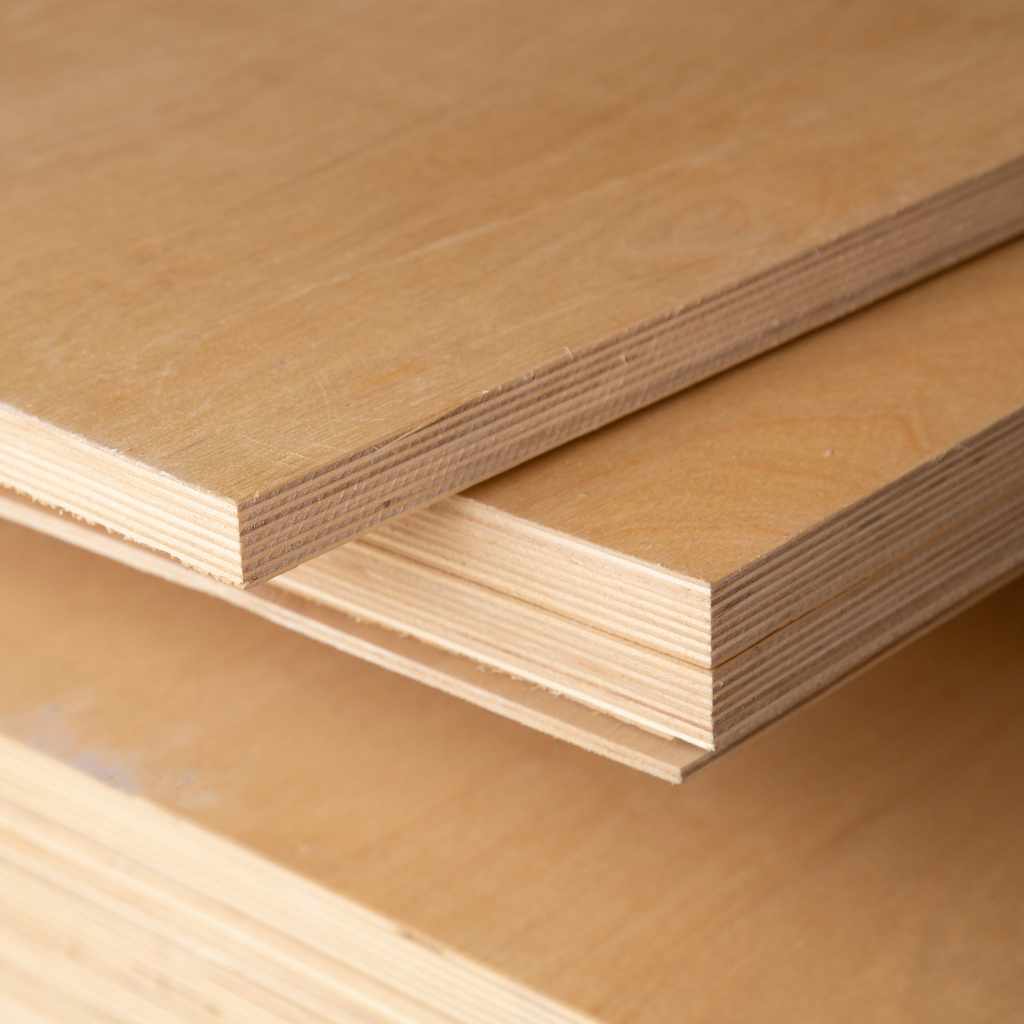
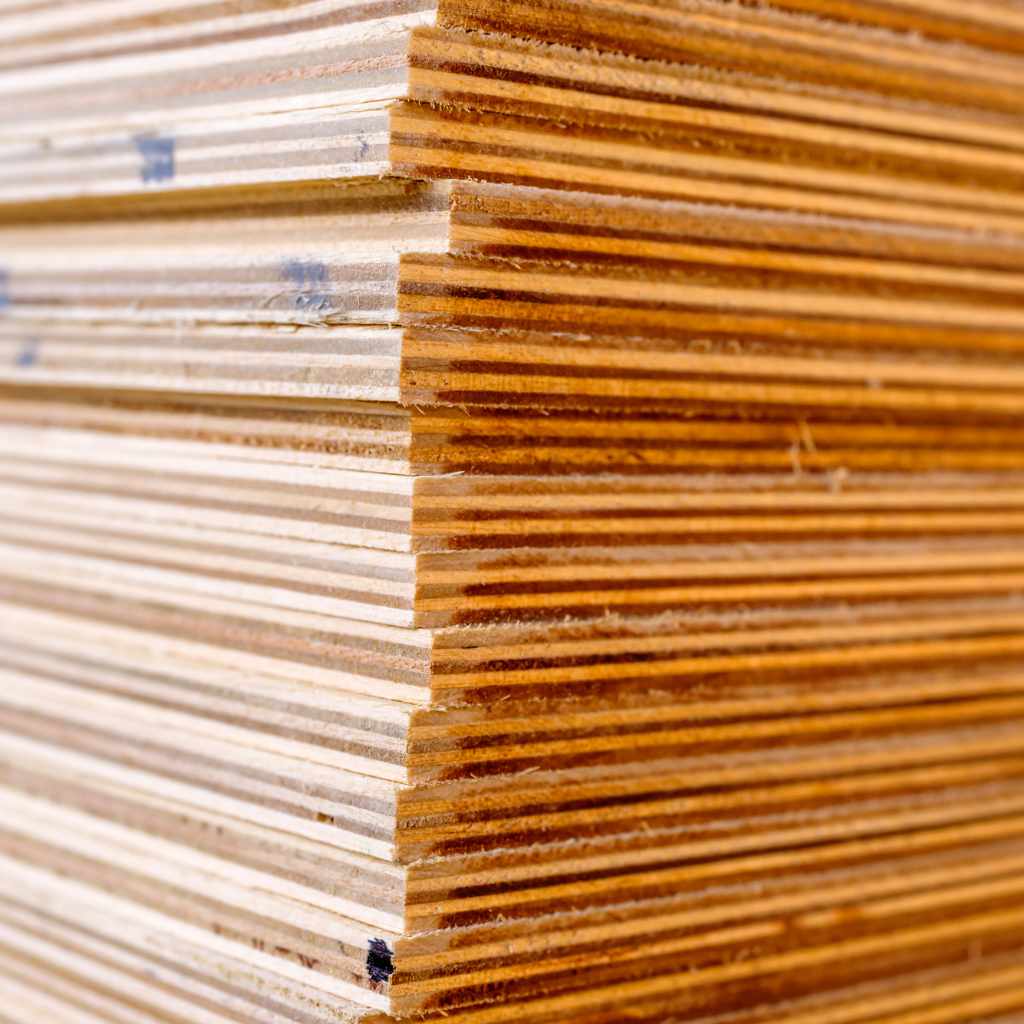
BC plywood is a common type of plywood, often used in construction and various DIY projects. It’s made from layers of wood veneer, glued together with each layer’s grain running perpendicular to the one below it. This cross-graining makes plywood strong and resistant to warping. BC plywood gets its name from the grading system used to describe the quality of its faces. “B” refers to one face that has a good appearance, often suitable for painting, while “C” refers to the back face, which may have knots or other imperfections. This type of plywood is known for its balance of quality and cost-effectiveness, making it a popular choice for many applications. This material offers a dependable structure for projects such as roofing, subflooring, and wall sheathing.
The Structure of BC Plywood
The construction of BC plywood involves several steps. The process begins with peeling logs into thin sheets of wood veneer. These veneers are then dried and graded based on their appearance and quality. Next, the veneers are glued together, with the grain of each layer running perpendicular to the layers above and below it. The face layers determine the grade of the plywood, while the core layers provide internal strength and stability. Finally, the plywood is pressed under high heat and pressure to bond the layers together securely. This creates a strong and stable sheet of material perfect for building.
Veneer: Thin sheets of wood that make up the layers of plywood. The quality of the veneer directly affects the plywood’s appearance and strength.
The veneer quality significantly influences the final product. High-grade veneer has a smoother surface and fewer imperfections, making it better for projects where appearance matters. The type of wood used for the veneer also impacts performance characteristics like resistance to moisture and its ability to hold paint or other finishes.
Grain Direction: The direction in which the wood fibers run in each layer. The alternating grain direction of each layer enhances the plywood’s strength and stability.
The alternating grain is an important design feature in plywood. It’s what gives plywood its strength and resistance to warping. The cross-graining prevents the wood from expanding or contracting too much due to changes in humidity or temperature. This design aspect makes plywood a stable and reliable building material.
Adhesive: The glue that holds the layers of veneer together. The adhesive’s quality determines how well the plywood withstands moisture and stress.
Adhesives are key in plywood construction, directly influencing the product’s longevity. Moisture-resistant adhesives are used to keep the layers of wood from separating when exposed to damp environments. These glues are also created to maintain the plywood’s strength and structural integrity, ensuring that it is durable.
Typical Applications for BC Plywood
BC plywood’s versatility makes it a great choice for many projects. From the construction site to the home workshop, it provides a cost-effective and dependable material. Its good appearance on one side also means it’s useful for projects where looks are important. The grade of BC plywood makes it a budget-friendly option without sacrificing quality. Common projects include sheathing for roofs and walls, where its strength and dimensional stability are valued, as well as cabinetry and furniture. The ability to paint or finish the B-grade face easily is a bonus for many DIY enthusiasts and professionals.
Sheathing: Used as a base layer for roofs and walls, providing a solid surface for other materials.
Plywood sheathing provides a robust surface to attach shingles, siding, or other external materials. Its ability to handle stress and distribute loads evenly ensures the structural integrity of the roof or wall. This is a very common application in residential and commercial construction.
Subflooring: A base layer beneath the flooring material, adding strength and stability to the floor.
Subflooring ensures a stable, flat surface on which to lay the finished flooring. This layer helps to handle weight and prevents the finished floor from sagging or moving. It is important for the comfort and durability of flooring.
Furniture: Used in the construction of cabinets, shelves, and other furniture items due to its strength and ability to hold screws.
Plywood is great for building furniture because it can withstand everyday use. It offers a solid base for various furniture components, from cabinets to shelves. BC plywood’s appearance grade means that it can be painted or stained, which gives it a versatile option for several different designs.
Understanding Sande Plywood and Its Distinctive Qualities
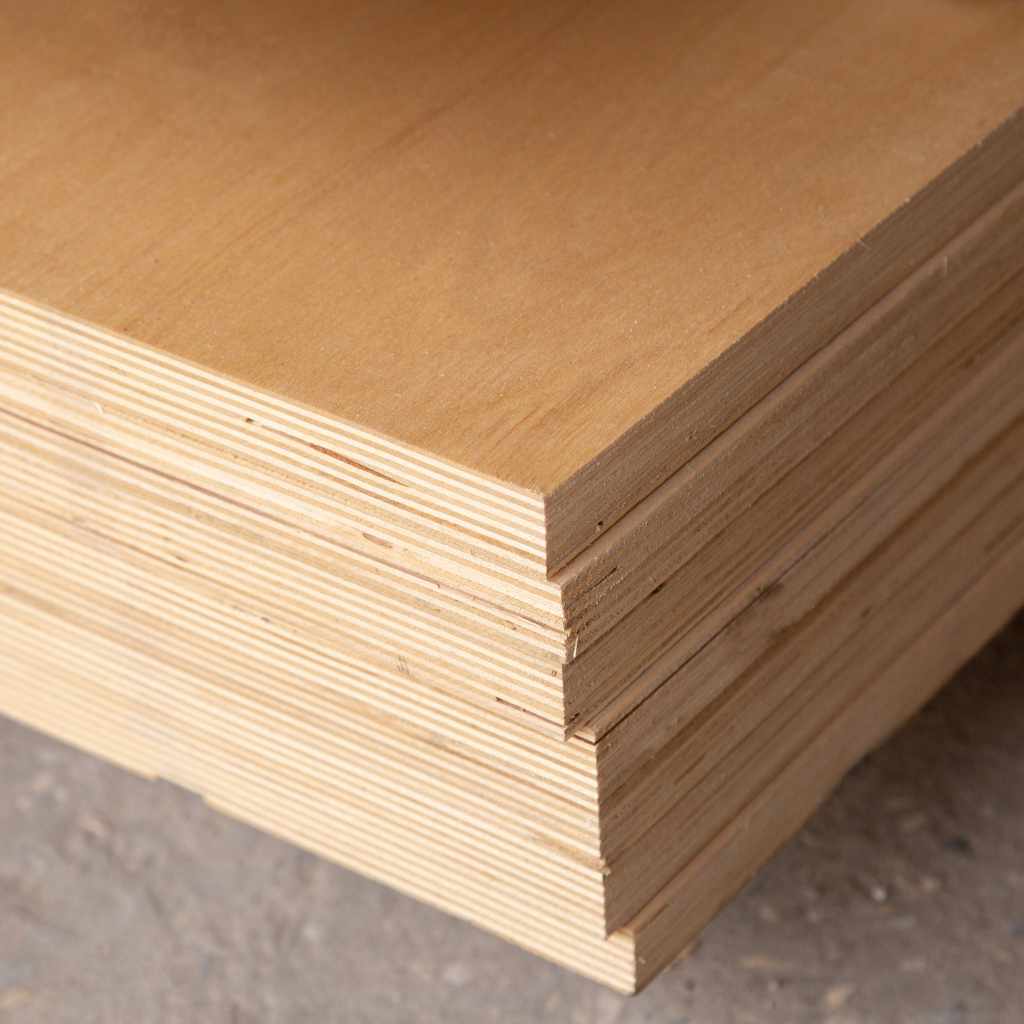
Sande plywood is a specific type of plywood known for its smooth surface and excellent paint-holding qualities. Made from the Sande tree, this plywood is popular in applications where a high-quality finish is desired. It’s often used for projects like cabinetry, furniture, and any surface that needs to be painted or varnished. Sande plywood typically has a uniform grain and a consistent texture, making it an excellent choice for achieving a professional look. The combination of strength, stability, and smooth surface makes it suitable for projects that are visible. This material provides an appealing base for various finishing techniques.
Key Features of Sande Plywood
Sande plywood stands out because of its unique properties. The wood’s fine grain and uniform texture make it an outstanding base for paints and finishes. Sande trees tend to have fewer knots and imperfections compared to other wood types. This results in a cleaner appearance. The stability of Sande plywood means it resists warping and maintains its shape well, making it suitable for long-lasting projects. It often offers a balanced combination of strength, finish quality, and affordability. For projects that emphasize aesthetics, Sande plywood provides an excellent surface that is easy to work with.
Smooth Surface: Sande plywood is known for its smooth surface, ideal for painting and finishing.
This wood’s smooth surface is one of its greatest benefits, because it makes it the top pick for projects that need to look good. This surface allows paints and finishes to apply smoothly. This results in an even, professional finish without the need for extensive preparation. It also allows for easier cleaning and maintenance.
Fine Grain: The wood has a fine grain pattern, which adds to its aesthetic appeal and workability.
The fine grain allows for greater precision when cutting and shaping the wood, making it easier to work with. It’s also less likely to splinter or tear, so it’s a good choice if you want to keep the appearance of the material. This characteristic also contributes to the wood’s ability to accept stains, paints, and other finishes well.
Paint-Holding Ability: Sande plywood is great at holding paint and finishes.
Sande plywood’s structure allows it to absorb paint evenly, ensuring the finish lasts and looks great for years. Its ability to keep the finish helps to reduce the need for maintenance. This makes it a cost-effective option for projects that prioritize both aesthetics and longevity.
Common Uses of Sande Plywood
Sande plywood is a go-to material for projects that require a high-quality finish. Its smooth surface and excellent paint-holding characteristics make it ideal for various applications. It can be used for projects where aesthetics are important and a professional finish is necessary. From cabinetry and furniture to interior paneling and decorative projects, Sande plywood offers a reliable and attractive solution. Its uniform texture makes it perfect for painting, staining, and varnishing. Because it is simple to work with, it is a favored option for professionals and DIY enthusiasts.
Cabinetry: Used for making cabinets, providing a smooth surface for painting or staining.
Sande plywood provides a flat, stable surface that is easy to cut and assemble. Its fine grain makes it ideal for accepting paint or stains, giving cabinets a polished look. Sande plywood ensures that cabinets look good and last a long time.
Furniture: Employed in the construction of furniture, offering a clean surface for finishing.
Sande plywood provides a smooth foundation, perfect for tables, shelves, and other furniture items. Its ability to handle paints, stains, and varnishes makes it a favorite for creating furniture with a professional finish. It also has good strength, so it lasts and looks good for many years.
Interior Paneling: Used as paneling in interior spaces, contributing to a clean, modern aesthetic.
Sande plywood’s smooth surface and consistent appearance make it a great option for interior paneling. Sande plywood enhances the visual appeal of a room by creating a clean, seamless surface. Its stability means that it won’t warp or bend, even under changing climate conditions.
BC Plywood vs Sande Plywood: The Key Differences
Choosing between BC plywood and Sande plywood depends on your project’s needs. The differences come down to how they are made and what they are used for. BC plywood is known for its balance of cost and performance. Sande plywood is chosen when appearance and finish are top priorities. Knowing these differences helps you select the best material.
| Feature | BC Plywood | Sande Plywood |
|---|---|---|
| Surface Quality | One face with a good appearance, one face with imperfections | Smooth and uniform surface |
| Grain | May have visible knots or imperfections | Fine grain, less likely to have knots |
| Paint-Holding Ability | Good, but may require more preparation | Excellent, requires less preparation |
| Typical Applications | Sheathing, subflooring, general construction | Cabinetry, furniture, projects needing a smooth finish |
Understanding these differences helps make informed decisions. Both types of plywood have their benefits. The best choice depends on what your project calls for. Consider the need for appearance, budget, and structural requirements to get the right plywood.
Surface Quality and Appearance
The main difference between BC plywood and Sande plywood is in the surface quality and appearance. BC plywood typically has a “B” grade face, which is decent for many projects. The other face is “C” grade, which may contain knots or other flaws. Sande plywood stands out because of its smooth, uniform surface, which is made to be painted or finished. This makes Sande the top choice when the appearance is key.
BC Plywood: Has one good face (“B” grade) and one face with imperfections (“C” grade).
The “B” grade face of BC plywood is useful for projects where some level of aesthetic appeal is needed, but perfect surfaces are not required. The “C” grade face may have knots or patches, which are common in construction. BC plywood is often used in situations where the material is hidden or covered by other finishes.
Sande Plywood: Offers a smooth, uniform surface with fewer imperfections.
The smooth surface of Sande plywood is an essential quality when it comes to projects where looks matter most. This surface allows paints, stains, and other finishes to apply evenly. This results in a superior, professional-looking finish. This is an option for projects that prioritize aesthetics.
Grain Structure and Workability
The grain structure is also an important distinction between the two types of plywood. BC plywood may have a visible grain pattern with knots. Sande plywood typically has a much finer and more uniform grain, making it easier to work with. This can affect the ease of cutting, sanding, and finishing. Choosing plywood with the right grain can lead to better outcomes, both visually and functionally.
BC Plywood: The grain can be more visible, and the presence of knots is common.
The presence of knots in BC plywood can sometimes make it harder to work with, especially when precise cuts are necessary. Knots can cause the wood to split or tear. Careful planning and tools are required. While the grain structure adds character, it might not be ideal for projects where a smooth finish is crucial.
Sande Plywood: Has a fine, uniform grain, resulting in easier workability.
The uniform grain structure allows for smoother cutting and sanding, so it is a great choice for projects that require precision. The reduced chance of splintering also means that less time is spent preparing the wood. The quality of the grain in Sande plywood makes it a preferred option for DIYers who require a clean finish.
Typical Use Cases and Project Suitability
The specific uses of each type of plywood make the choice simpler. BC plywood’s lower price and sufficient appearance make it useful for structural applications like sheathing and subflooring. Sande plywood is mostly used when aesthetics are the most important. These differences help determine which material is the best fit for the project. Considering the project’s visual needs and structural requirements will help with the selection.
BC Plywood: Suited for applications where structural integrity is key and aesthetics are less important.
BC plywood shines in applications like roof sheathing, wall sheathing, and subflooring, where its strength and dimensional stability are valued. It is used as a base for other materials. Cost-effectiveness is a major benefit, making BC plywood a sensible option for projects where budget is a concern.
Sande Plywood: Ideal for projects where a smooth finish is required, such as cabinetry and furniture.
Sande plywood is the perfect choice when a clean, professional finish is needed. Its easy-to-finish surface makes it ideal for cabinets, furniture, and projects where appearance is key. The smooth surface makes it simpler to achieve a top-quality look.
Choosing the Right Plywood: Factors to Consider
Selecting the right plywood involves evaluating different factors based on the needs of your project. Things like the project’s purpose, budget, and appearance requirements need to be considered. By weighing these aspects, you can choose the type of plywood that gives the best outcome. Thoughtful planning can help you choose the plywood that performs best.
Project Requirements and Intended Use
The first step is identifying the project’s needs and how the wood will be used. Will it be used for structural components, where strength is a requirement? Or, is it for projects where aesthetics are most important? Knowing how the finished product will be used helps you select the right plywood for the job. You can make an informed choice that matches the needs of the job.
Structural vs. Non-Structural: Is the plywood meant to support weight or simply to provide a surface?
Plywood used for structural applications, like subflooring or sheathing, requires high strength. The grade and construction of the plywood must meet the load-bearing needs. If aesthetics are not critical, BC plywood may be enough. Non-structural applications may prioritize appearance and finishability.
Appearance Requirements: Is the plywood going to be visible, and will it need to be painted or finished?
For visible surfaces, the look of the plywood is very important. Sande plywood is the right pick for projects where a smooth, uniform surface is crucial for a professional finish. Sande plywood allows for easier painting, staining, and varnishing. If the plywood is going to be hidden, or covered, appearance is not an important factor.
Environmental Conditions: What are the conditions that the plywood will be exposed to (moisture, temperature)?
Plywood used outdoors or in damp areas must be able to withstand the elements. Moisture-resistant glues and weather-resistant coatings must be considered. In regions with large temperature swings, you must choose plywood that will maintain its shape and strength. Evaluate the plywood’s ability to resist warping.
Budget and Cost Considerations
Your budget plays a key role when selecting the right plywood. Prices vary depending on the type and quality of the plywood. BC plywood is usually the more affordable choice, which is ideal for projects with budget constraints. Sande plywood may cost more because it has a better finish. The right decision requires balancing the requirements of the project with financial limits.
Price Comparison: Understand the price differences between BC and Sande plywood.
Compare prices from various vendors to find the best deal. Because it is generally available, BC plywood often costs less than Sande plywood. Consider both the initial cost and any extra expenses such as preparation and finishing. Make an informed decision based on the budget.
Long-Term Cost: Consider the potential need for maintenance or repairs.
Choose the plywood that minimizes long-term costs. While Sande plywood might cost more initially, its smooth surface may require less preparation. BC plywood might require more labor or finishing, increasing the total cost. The plywood that requires the least maintenance may save money over time.
Material Waste: Plan your project to reduce waste, saving money and resources.
When selecting plywood, consider the dimensions you require. Planning can help reduce waste and minimize project expenses. Careful measurements and cutting plans ensure that you make the most of each sheet of plywood. Reducing waste has financial and environmental advantages.
Ease of Workability and Finishing
The ease of working with plywood can affect project time and success. Certain types of plywood are easier to cut, sand, and finish than others. Evaluating these factors helps make a selection that reduces effort. For DIYers, the ease of working can be a deciding factor in choosing the right material for their projects.
Cutting and Shaping: How easily can you cut and shape the plywood to your needs?
Consider the type of tools you will be using. Sande plywood is often easier to cut and shape because of its uniform grain structure. BC plywood might require more effort when cutting due to the knots, which can cause splintering. Selecting plywood based on your tools is an important factor.
Sanding Requirements: What level of sanding is required to achieve a smooth finish?
Sande plywood is known for needing less sanding, saving time. The smooth surface requires less preparation. BC plywood, with its “C” grade face, may need more sanding to create the desired appearance. Decide based on how much you want to prepare the surface.
Finishing Options: What kind of finishes are you planning to use (paint, stain, varnish)?
Consider how well the plywood accepts different finishes. Sande plywood is great for painting and varnishing, while BC plywood might need extra preparation to create a similar outcome. Consider which material will give you the look you want.
Frequently Asked Questions
Question: What is the main use for BC plywood?
Answer: BC plywood is often used in construction for sheathing and subflooring.
Question: What is Sande plywood mainly used for?
Answer: Sande plywood is preferred for projects where aesthetics and a smooth finish are important, such as cabinetry and furniture.
Question: How does the surface quality of BC plywood compare to Sande plywood?
Answer: BC plywood has one good face and one face with imperfections, while Sande plywood offers a smooth and uniform surface.
Question: Which type of plywood is generally more cost-effective?
Answer: BC plywood is generally more cost-effective compared to Sande plywood.
Question: Which plywood is best for painting?
Answer: Sande plywood is best for painting due to its smooth surface and excellent paint-holding ability.
Final Thoughts
Picking between BC Plywood vs Sande Plywood: Which Performs Best comes down to what you need for your project. BC plywood is an affordable choice, providing a dependable structure and is often used in construction projects. Sande plywood is great for projects where appearances matter and a professional finish is necessary, such as cabinetry. Think about what your project requires, think about your budget, and decide which plywood suits the needs of your work. By knowing the differences, you can choose the right material for your job. Now you are prepared to choose the best plywood for your next project, whether it’s building a new shelf or starting a renovation. So, go out there, start building, and enjoy the process!