4×8 Sanded Plywood: Grades, Weight & Prices (2026 Guide)
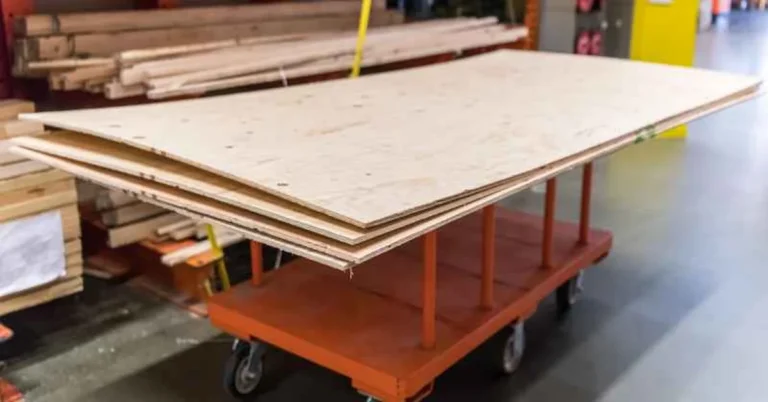
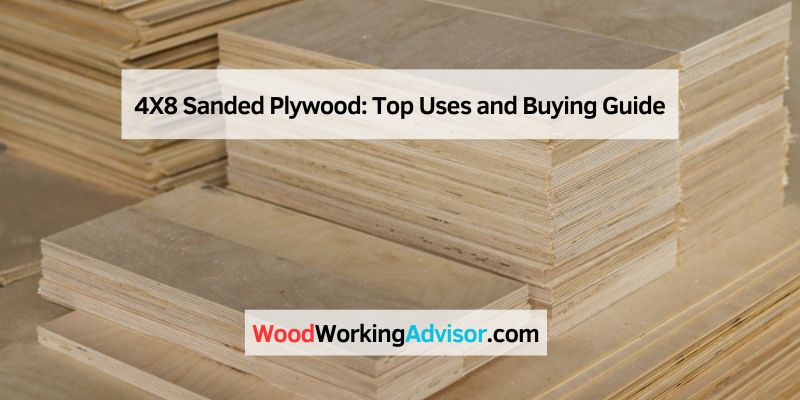
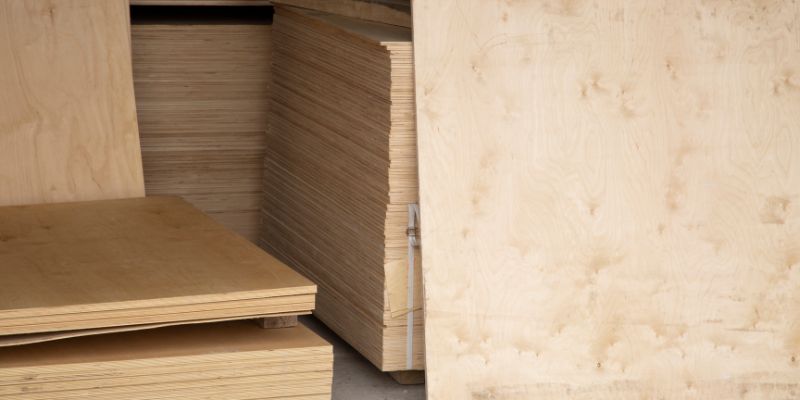
4×8 sanded plywood is a full sheet pre-sanded smooth on at least one face, graded from CDX up to AC — higher grades have fewer voids and take paint or stain better. Skip the grade check and you’ll be filling voids before finishing, and a 3/4-inch sheet can weigh up to 75 lbs, so plan your vehicle and a helper. This guide covers real grades, weight and price data by thickness, and which uses justify the sanded face.
Insert your Affiliate Disclosure reusable block here.
Quick Answer
For furniture, cabinets, and anything visible, choose Grade A or B sanded plywood (roughly $45–$80 per sheet). For subfloors, sheathing, or anything hidden, CDX or Grade C plywood ($20–$35) does the same structural job for less. Whichever grade you buy, seal or band the cut edges before finishing — sanding only smooths the faces, not the exposed edge grain.
A sanded face isn’t just cosmetic — it changes how the sheet performs once you start working with it:
- Smooth face: ready for paint, stain, or laminate without extra prep sanding
- Fewer splinters: safer to handle and cut than CDX or unsanded sheathing
- Better adhesion: primer, paint, and glue bond evenly instead of soaking into rough grain
- Furniture-grade thicknesses: available from 1/4″ up to 3/4″, unlike some structural-only panels
Top Uses of 4×8 Sanded Plywood
Best Plywood Panel Carrier Pick

Kreg Panel Carrier
An ergonomic single-hand grip that clamps onto a sheet’s edge so it doesn’t slip while you carry it.
- Best for: single-person moves of 4×8 sheets up to 3/4-inch thick without a helper
- Why we picked it: the ergonomic grip locks onto the sheet edge, and at 4.7 stars across 1,500+ ratings it’s the most proven single-hand carrier in this category
- Main drawback: works one edge at a time — very heavy hardwood-faced sheets are still safer moved with two people
Compare more panel carrier options
 Option 1 2-Pack ABS Plywood Carrier Handles
|
 Option 2 XDENGP 2-Pack Panel & Plywood Carrier
|
 Option 3 BESSEY KFP Panel Carrier
|
As an Amazon Associate we earn from qualifying purchases.
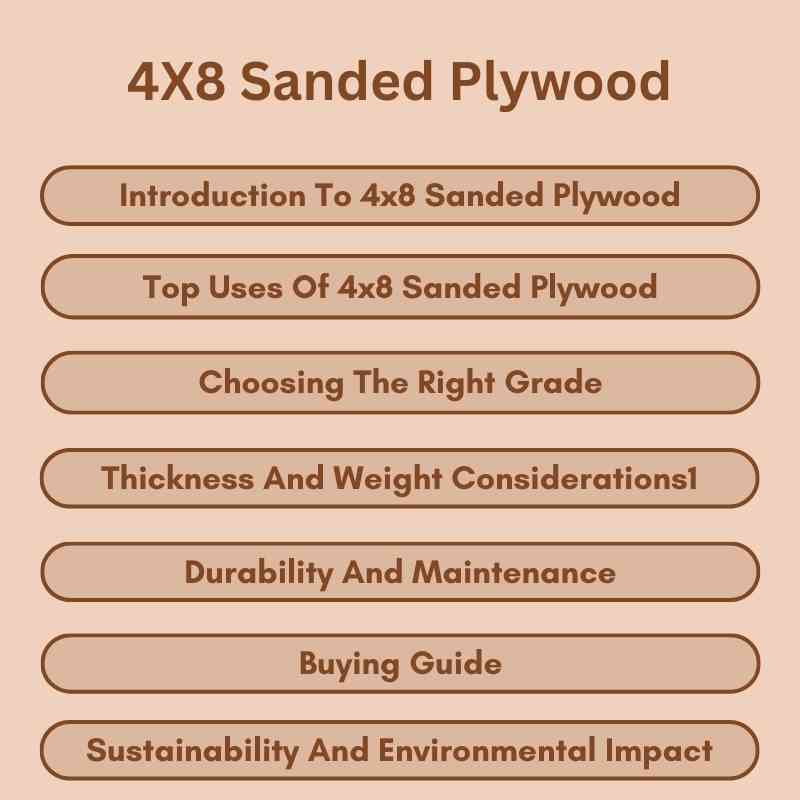
Sanded plywood earns its price premium in projects where the surface actually shows. Three uses make the smooth face worth paying for.
Furniture Making
A sanded face means less prep before finishing. Tables, shelving units, cabinet carcasses, and bookcases are commonly built from a single 4×8 sheet — see how plywood is made to understand why face-veneer quality varies this much between grades.
Interior Decoration
Sanded plywood also works as wall paneling, accent walls, and ceiling designs. It can be painted or left natural, fitting styles from modern to rustic.
Flooring Underlayment
As underlayment beneath hardwood, laminate, or tile, 3/4-inch sanded plywood gives a smooth base that won’t telegraph seams the way rougher sheathing can. See our guide on maintaining plywood floors once it’s installed.
Choosing the Right Grade
The grade affects quality, appearance, and price more than any other spec on the sheet.
Grade A vs. Grade B
| Feature | Grade A | Grade B |
|---|---|---|
| Surface quality | Very smooth, few imperfections | Minor defects, slightly rough |
| Use cases | Furniture, cabinets, visible surfaces | Subfloors, sheathing, hidden applications |
| Price | Higher | Lower |
Grade A suits projects needing a polished look, like furniture and cabinet faces. Grade B suits less visible areas: subfloors and wall sheathing. Either way, check the actual thickness you’re buying — it’s usually a hair under the nominal size printed on the sheet.
Understanding the A-D Grading System
- Grade A: best quality, minimal defects
- Grade B: good quality, limited imperfections
- Grade C: acceptable quality, more visible defects
- Grade D: lowest quality, many defects — typically not sold sanded
Higher grades mean better appearance and durability. Lower grades cost less but may show visible flaws once finished.
Thickness and Weight Considerations
Standard Thickness
4×8 sanded plywood comes in a few standard thicknesses: 1/4″, 1/2″, and 3/4″. Thicker sheets carry more load; thinner sheets suit lightweight panels and crafts. Note that plywood sold as “3/4-inch” is usually milled to 23/32 inch after sanding — worth knowing before you plan tight tolerances.
How Much Does It Actually Weigh?
Weight scales with both thickness and face-veneer density, not thickness alone — a hardwood-faced sheet weighs noticeably more than a softwood sheet of the same thickness.
| Thickness | Approx. weight (4×8 sheet) |
|---|---|
| 1/4 inch | 20–27 lbs |
| 1/2 inch | 40–45 lbs |
| 3/4 inch | 60–75 lbs |
📊 A 3/4-inch hardwood-faced sheet can weigh up to 75 lbs — nearly double a 1/4-inch sheet even though it’s only 3x thicker, because weight scales with both thickness and face-veneer density. — Source: Inch Calculator plywood weight reference, 2026
Heavier plywood is stronger but harder to move solo. Transporting a 3/4-inch sheet takes real effort, and installation often needs a second set of hands.
Durability and Maintenance
Lifespan
Lifespan varies by usage and environment, generally running 10 to 25 years. Quality of material, indoor vs. outdoor use, and climate all affect how long a sheet lasts.
Care Tips
- Clean regularly: wipe with a damp cloth to remove dirt.
- Avoid excess moisture: keep surfaces dry to prevent warping.
- Seal the surface: apply a protective finish for added durability.
- Store properly: keep sheets flat, in a dry, cool space.
| Sign of wear | Action needed |
|---|---|
| Splitting | Replace the affected area |
| Warping | Store flat and dry |
| Discoloration | Reapply sealant |
Buying Guide
Price Factors
Grade, thickness, species, and location all move the price. Here’s a realistic range by type:
| Grade/type | Typical price (4×8 sheet, 2026) |
|---|---|
| CDX (utility) | $20–$35 |
| BC (one good face) | $30–$45 |
| Sanded AC / hardwood-faced | $45–$80+ |
Home Depot’s own sanded plywood listings run roughly $32 to $52 per sheet depending on species and thickness — Source: Home Depot product listings, 2026. For a full retailer-by-retailer breakdown, see our Lowe’s 4×8 plywood pricing guide covering OSB, CDX, and birch costs.
Where to Buy
- Home improvement stores: Home Depot, Lowe’s, and similar chains
- Local lumber yards: often carry a wider range of grades
- Online retailers: useful for specialty or hard-to-find veneers
- Specialty wood suppliers: focused on higher-grade sheet goods
Ask about in-store rip cuts if you only need a partial sheet, and always ask about bulk-purchase discounts.
Sustainability and Environmental Impact
Sanded plywood can be a genuinely lower-impact choice when the manufacturer sources responsibly.
Eco-Friendly Practices to Look For
- Recycled content: some plywood incorporates recycled wood fibers
- Low-VOC adhesives: minimize harmful emissions during and after manufacture
- Sustainable sourcing: wood certified from responsibly managed forests
Certifications to Check
| Certification | What it means |
|---|---|
| FSC (Forest Stewardship Council) | Wood comes from responsibly managed forests |
| PEFC | Promotes sustainable forest management globally |
| CARB | Regulates formaldehyde emissions in wood products |
Common Mistakes to Avoid
Ignoring the Grade
Choosing the wrong grade shows up the moment you paint or stain the sheet. Always check the grade stamp before buying, not after you’ve already cut into it.
“The mistake that’s cost us the most shop time wasn’t picking the wrong grade — it was skipping filler on a cut edge before staining. A sanded face takes stain evenly, but a raw cut edge drinks it unevenly every time and stands out under any finish.”
Neglecting Thickness Requirements
| Thickness | Common use |
|---|---|
| 1/4″ | Craft projects, lightweight panels |
| 1/2″ | Cabinet sides, interior walls |
| 3/4″ | Furniture, flooring underlayment |
Measure your project’s span and load requirements before picking a thickness — undersizing leads to sag and structural failure, not just a cosmetic problem.
Frequently Asked Questions
What is 4×8 sanded plywood used for?
4X8 sanded plywood is versatile and widely used in construction and furniture-making. It serves as a strong base for cabinets, flooring, and wall sheathing. Its smooth surface is ideal for painting or veneering. This plywood is also great for crafting projects, providing durability and aesthetic appeal.
How thick is 4×8 sanded plywood?
4X8 sanded plywood typically comes in various thicknesses, including 1/4″, 1/2″, and 3/4″. The thickness you choose depends on your specific project needs. Thicker plywood offers more strength, while thinner options are suitable for lightweight applications. Always select the appropriate thickness for your intended use to ensure stability.
Is 4×8 sanded plywood waterproof?
Standard 4X8 sanded plywood is not waterproof. However, it can resist moisture to some extent, especially if treated with sealants. For outdoor use or areas with high humidity, consider marine-grade plywood instead. Marine plywood is specifically designed to withstand water exposure, ensuring longevity and durability.
How do you cut 4×8 sanded plywood?
Cutting 4X8 sanded plywood requires careful measurement and the right tools. A circular saw or table saw is ideal for straight cuts. Always use a fine-toothed blade to minimize splintering. Clamping the plywood securely will ensure safety and precision during the cutting process.
How much does a 4×8 sheet of sanded plywood weigh?
A 4×8 sheet of sanded plywood weighs roughly 20 to 27 lbs at 1/4-inch thick, 40 to 45 lbs at 1/2-inch, and 60 to 75 lbs at 3/4-inch, with hardwood-faced sheets running heavier than softwood. Plan for two people to carry anything 1/2-inch or thicker.
What’s the difference between sanded plywood and CDX plywood?
Sanded plywood has its face veneers machine-sanded smooth for paint, stain, or laminate, while CDX keeps a rougher C-D grade face meant to be covered by roofing, siding, or flooring, not seen. CDX is cheaper and just as structurally sound, but it will show every void and grain line if you try to finish it.
Conclusion
Buying 4×8 sanded plywood comes down to matching grade to visibility: pay for A or B-grade where the surface shows, drop to CDX or Grade C where it won’t. Confirm the actual thickness, budget for real weight when you’re loading it, and seal cut edges before finishing. Browse our full plywood buying guides for sizing, pricing, and joining help on your next sheet-good project.
Sponsored / affiliate links. As an Amazon Associate I earn from qualifying purchases. I may earn additional commission from eligible campaigns.
 Adjustable Cutting Machine Base Guide, New Electric Circular Saw Milling Positioning Clamp, Precision Wood Cutting Guide for Precision Cutting and Diy Enthusiasts (2)
 Double Side Plywood Sheets 4mm or 5mm for Painting Stenciling Wood Burning and Decoration 150x220mm 220x300mm 300x450mm Art Project Wood