Best Way to Apply Stain on a Deck: Expert Tips for a Flawless Finish
Are you ready to give your deck a fresh, vibrant look that lasts? Applying stain the right way can protect your wood from weather damage and bring out its natural beauty.
But if you don’t do it properly, you might end up with uneven color, peeling, or wasted product. The best way to apply stain on a deck isn’t complicated—it just takes a few key steps you need to know. Keep reading, and you’ll learn exactly how to make your deck look stunning and stay strong for years to come.
Your perfect deck makeover starts here.
Choosing The Right Stain
Choosing the right stain for your deck is very important. The right stain protects the wood and makes your deck look good. It also helps the stain last longer. Knowing the types of stains and how to pick the best one helps you get the best results.
Types Of Deck Stains
There are three main types of deck stains: transparent, semi-transparent, and solid. Transparent stains show the wood grain clearly. Semi-transparent stains add color but still show some wood texture. Solid stains cover the wood completely, like paint. Each type offers different protection and style.
Factors To Consider
Think about how much sun your deck gets. Sunlight can fade the stain quickly. Also, check if your deck is new or old wood. New wood needs a different stain than old wood. Consider the climate too. Moist areas need stains that resist mold and water.
Color Selection Tips
Choose colors that match your house and yard. Light colors keep the deck cooler in summer. Dark colors hide dirt better but can get hot. Test a small area first to see how the color looks in daylight. Pick a color you will like for years.
Preparing The Deck Surface
Preparing the deck surface is the first step before applying stain. A clean and smooth deck helps the stain stick better. This makes the deck look fresh and last longer. Taking time to prepare the deck saves effort later.
Cleaning And Washing
Start by removing dirt and debris from the deck. Use a broom or leaf blower to clear loose dirt. Then, wash the deck with a deck cleaner or mild soap and water. Scrub the surface with a brush to remove stains and mildew. Rinse well with a hose and let it dry completely. A clean deck helps the stain soak in evenly.
Repairing Damages
Check the deck for any damaged or loose boards. Replace or fix broken boards to keep the deck safe. Fill cracks and holes with wood filler. Let the filler dry and set before staining. Repairing damages prevents the stain from peeling and protects the wood.
Sanding For Smoothness
Sand rough spots and old stain patches. Use medium-grit sandpaper for best results. Sanding opens the wood pores for better stain absorption. Wipe away dust with a damp cloth after sanding. A smooth surface ensures a neat and even finish.
Tools And Materials Needed
Preparing the right tools and materials makes staining a deck easier and more effective. Having everything ready helps you work smoothly and get a nice finish. This section lists the essential items needed for a good staining job.
Essential Tools
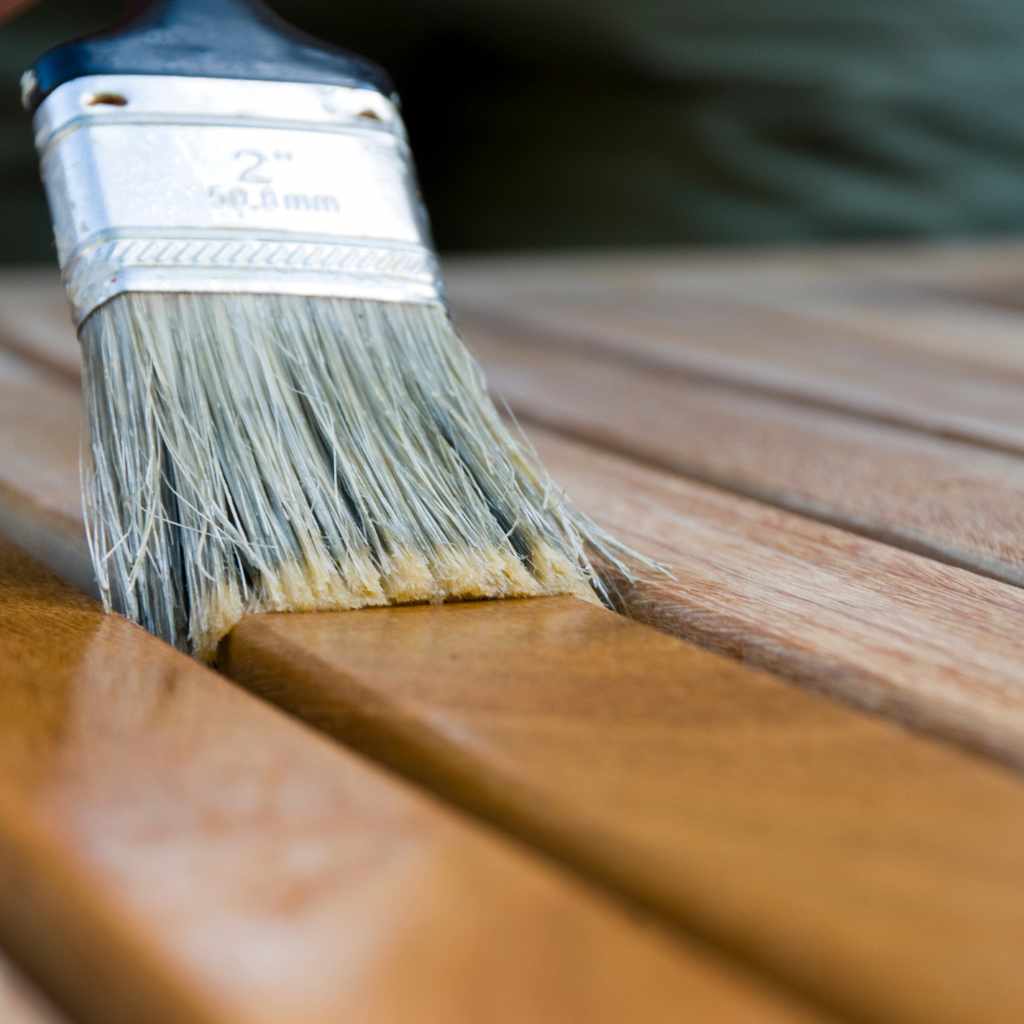
A paintbrush or a stain pad is good for small spots. For larger areas, use a roller with a long handle. A paint tray holds the stain for easy access. A garden sprayer can help cover big decks quickly. Sandpaper or a power sander smooths the wood before staining. A broom or leaf blower clears dirt and dust from the deck.
Safety Equipment
Wear gloves to protect your hands from stain chemicals. Safety glasses shield your eyes from splashes. A mask or respirator helps avoid breathing in fumes. Old clothes or a protective suit keep your skin clean. Make sure the work area is well-ventilated to reduce fumes.
Recommended Products
Choose a high-quality deck stain that fits your wood type. Water-based stains dry faster and clean up easily. Oil-based stains last longer but take more time to dry. Use a wood cleaner to remove mold and dirt before staining. A wood brightener restores the deck’s natural color and helps the stain soak in.
Applying The Stain
Applying stain on a deck is a key step to protect and beautify the wood. Doing it right helps the stain last longer and keeps the deck looking good. This process requires careful attention to weather, method, and avoiding errors.
Best Weather Conditions
Choose a dry day with mild temperatures. Ideal weather is between 50°F and 85°F. Avoid very hot, cold, or rainy days. High humidity slows drying. Direct sunlight can cause uneven color. Early morning or late afternoon works well.
Application Techniques
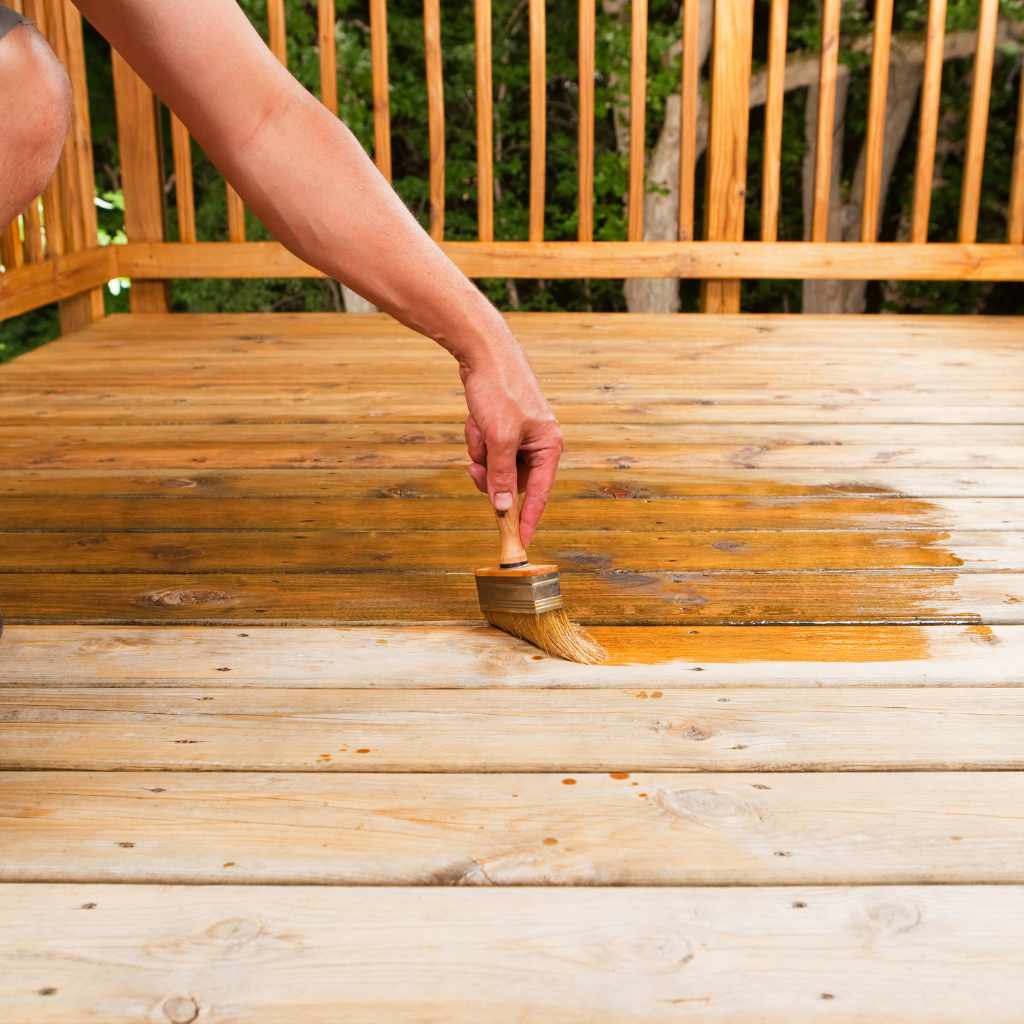
Start by stirring the stain well. Use a brush or roller for even coverage. Work along the wood grain for smooth results. Apply thin coats to prevent drips. Let the first coat dry before adding another. Test a small area first to check the color.
Avoiding Common Mistakes
Do not apply stain on a wet or dirty deck. Clean and dry the surface before staining. Avoid thick layers that cause peeling. Don’t rush drying time between coats. Skip staining during extreme weather. Cover nearby plants to protect them from stain splashes.
Drying And Curing Time
Drying and curing time is a key part of applying stain on a deck. This time lets the stain settle and protect the wood properly. Rushing this process can cause uneven color and weak protection. Knowing how long to wait and how to care for the deck during this time is vital for good results.
Optimal Drying Period
The best drying period varies by stain type and weather. Most stains need at least 24 to 48 hours to dry. Oil-based stains often take longer, sometimes up to 72 hours. The air should be warm and dry. Avoid rain or high humidity during this time. Check the stain label for exact drying times. Patience helps the stain soak into the wood fully.
Protecting The Deck During Drying
Keep the deck safe from foot traffic during drying. Avoid placing furniture or heavy items on the surface. Cover the deck if rain or dew is expected, but allow air to flow. Do not wash or scrub the deck until the stain is fully cured. Protecting the deck helps keep the stain smooth and lasting longer.
Maintenance Tips For Longevity
Proper care helps your deck stain last longer and keeps your wood looking great. Simple maintenance steps protect your deck from weather and wear. These tips make your deck shine season after season.
Regular Cleaning
Clean your deck often to stop dirt and mold buildup. Sweep off leaves and debris weekly. Use a mild soap and water solution to scrub the surface. Rinse well to avoid residue. Clean decks help stain stay strong and fresh.
Reapplying Stain
Check your deck yearly for fading or peeling stain. Lightly sand rough spots before applying new stain. Use the same type and color for best results. Reapply stain every two to three years or as needed. Fresh stain protects wood from moisture and sun damage.
Seasonal Care
Before winter, clear your deck of furniture and dirt. Cover or store items to prevent scratches. Inspect for cracks or damage after storms. Fix small problems quickly to avoid bigger repairs. Seasonal care keeps your deck safe and sturdy all year.
Frequently Asked Questions
What Is The Best Time To Apply Stain On A Deck?
The best time to stain a deck is during dry, mild weather. Avoid staining in direct sunlight or rain. Ideal temperatures are between 50°F and 85°F. This ensures proper absorption and drying, leading to a long-lasting finish.
How Do I Prepare My Deck Before Staining?
Start by cleaning the deck thoroughly. Remove dirt, mildew, and old stains using a deck cleaner or power washer. Allow the deck to dry completely before applying stain. Proper preparation ensures the stain adheres well and looks even.
Should I Use A Brush, Roller, Or Sprayer For Staining?
Each tool works well depending on deck size. Brushes provide control for edges and detailed areas. Rollers cover large flat surfaces quickly. Sprayers offer fast application but need back-brushing for even coverage.
How Many Coats Of Stain Should I Apply?
Typically, one to two coats are enough. Apply the first coat evenly and allow it to dry fully. A second coat enhances protection and color depth. Avoid over-application, which can cause peeling and uneven finish.
Conclusion
Applying stain on a deck takes time and care. Clean the wood first to remove dirt and old finish. Use the right tools for smooth, even coverage. Work in small sections to avoid streaks and blotches. Let the stain dry fully before using the deck again.
Regular maintenance keeps the deck looking fresh longer. Follow these simple steps for a beautiful, lasting finish. Your deck will stay protected and attractive for years. Easy to do, and worth the effort!