Best Way to Clean Woodwork: Effortless Shine
Clean woodwork effortlessly to restore its natural beauty and lasting shine with simple, safe methods. This guide provides easy steps for any beginner, using common household items or gentle cleaners to protect your wood finishes. Dusting, spot cleaning, and deep cleaning are covered for a brilliant, refreshed look.
Your beautiful wooden trim, doors, and furniture can lose their luster over time, gathering dust and grime. It’s frustrating when your once-treasured woodwork starts looking dull. Many DIYers worry about using the wrong cleaning products and damaging the finish, leading to costly repairs. But don’t let that stop you! Cleaning woodwork doesn’t have to be complicated or risky. With the right approach and a few simple supplies, you can easily bring back that gorgeous, polished shine. We’ll walk you through everything, step-by-step, making it simple and stress-free.
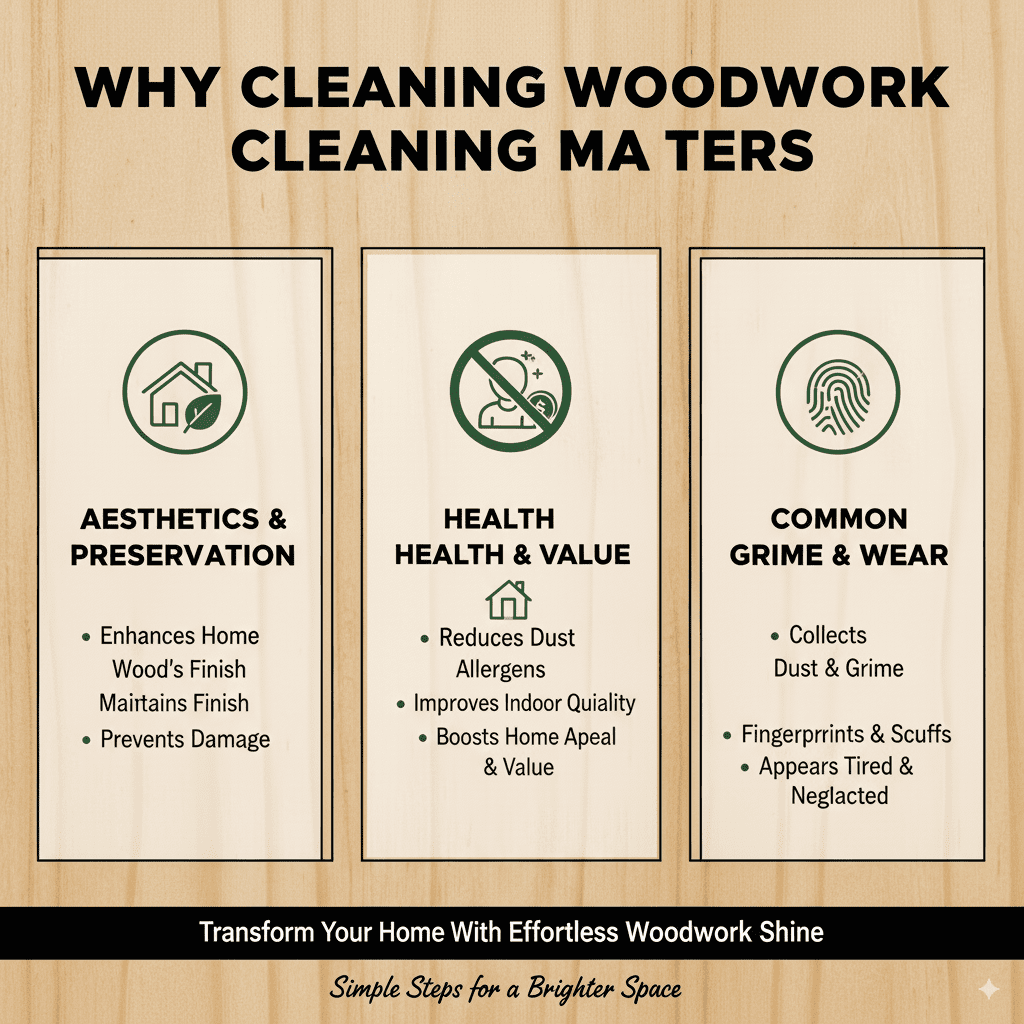
Why Cleaning Woodwork Matters
Woodwork is a key part of your home’s charm. Think of your baseboards, window frames, crown molding, and even the details on your cabinets or furniture. These wooden elements add warmth, style, and character to any room. Over time, however, they collect a lot of dust, especially in hard-to-reach places. Fingerprints, scuffs, and general household grime can also build up, making your woodwork look tired and neglected.
Regular, gentle cleaning is important for several reasons:
- Aesthetics: Clean woodwork dramatically improves the overall look and feel of your home, making it brighter and more inviting.
- Preservation: Proper cleaning helps maintain the wood’s finish, preventing damage and extending its lifespan.
- Health: Dust can contribute to poor indoor air quality. Removing it from surfaces helps create a healthier environment.
- Value: Well-maintained woodwork can enhance your home’s appeal and value.
The “best way to clean woodwork” really depends on the type of finish and the kind of dirt you’re dealing with. But the good news is that for most common situations, you can achieve a beautiful shine with minimal effort and supplies you likely already have at home. Let’s get started on transforming your dull wood into something spectacular!
Understanding Wood Finishes
Before we dive into cleaning, it’s helpful to know a little about the different finishes wood can have. This will guide you on how to clean your woodwork without causing harm. Most interior woodwork is coated with a protective finish, which is what gives it its shine and protects the wood itself.
Here are some common types of wood finishes:
- Varnish: A durable finish that forms a hard, protective layer. It’s common on floors and often used for trim.
- Polyurethane: Similar to varnish, providing a tough, water-resistant coating. Often used on furniture and floors.
- Lacquer: Dries quickly, creating a smooth, glossy finish. It can be more delicate than varnish or polyurethane.
- Shellac: A natural finish made from lac bugs. It dries quickly but can be sensitive to alcohol and heat.
- Oil Finishes (e.g., Tung Oil, Linseed Oil): These penetrate the wood, offering a natural look and feel. They require reapplication more often than film finishes.
- Paint: While not technically a “clear” finish, painted woodwork needs cleaning too. The method is often similar to cleaning other finishes, but you need to be careful not to chip the paint.
The safest bet for most finishes is to start with the gentlest cleaning method and only move to stronger solutions if absolutely necessary. Always test a small, inconspicuous area first!
What You’ll Need: Essential Cleaning Supplies
Gathering the right supplies makes the cleaning process smooth and effective. You’ll be surprised how many basic household items can be used for cleaning woodwork beautifully. The key is gentleness and avoiding harsh chemicals that can strip finishes.
For Basic Cleaning (Dusting & Light Grime):
- Soft, lint-free cloths: Microfiber cloths are excellent for dusting and buffing without scratching. Old, clean cotton t-shirts or dish towels work well too.
- Vacuum cleaner with a brush attachment: Safely removes dust from crevices.
- Soft-bristle brush or paintbrush: Great for getting into tight corners and detailed areas.
For Slightly Stubborn Grime or Spots:
- Mild dish soap: A few drops in water is often all you need.
- Warm water: The base for your cleaning solution.
- Two buckets: One for your cleaning solution, one for rinsing water. This prevents spreading dirt.
- Spray bottle: For applying cleaning solutions evenly and sparingly.
For Tougher Cleaning (Use with Caution):
- Mineral spirits (paint thinner): Effective for removing wax buildup, grease, or sticky residues. Use in a well-ventilated area and test first!
- Commercial wood cleaners: Choose one specifically designed for finished wood.
- Wood polish or furniture wax: To restore shine and offer protection after cleaning.
Safety First!
- Gloves: Protect your hands, especially if using mineral spirits or stronger cleaners.
- Good ventilation: Open windows and doors, particularly when using mineral spirits or commercial cleaners.
Having these items on hand will prepare you for tackling almost any woodwork cleaning challenge. Remember, the “best way to clean woodwork” often involves using the least aggressive method that gets the job done.
Step-by-Step Guide: The Best Way to Clean Woodwork
Let’s break down the cleaning process into simple steps. We’ll start with the most common and gentle methods. This guide is designed to be easy for beginners to follow, ensuring a brilliant shine without damaging your woodwork.
Step 1: Prepare the Area
Before you start cleaning, it’s a good idea to clear the area. Move any furniture away from baseboards or walls if you’re cleaning those. If you’re cleaning cabinets or furniture, remove everything from them.
Protect your floors by laying down drop cloths or old towels, especially if you’re using a liquid cleaning solution. This prevents accidental spills from staining your carpet or hard flooring.
Step 2: Dry Dusting (The First Line of Defense)
This is the most crucial step for maintenance and often all that’s needed for light dust. Always start with dry dusting to remove loose particles before introducing any moisture.
- Use a microfiber cloth: Gently wipe down all surfaces. The microfiber will trap dust effectively.
- For corners and crevices: Use a dry, soft-bristle brush or a clean paintbrush to loosen dust from edges, corners, and any carved details. You can also use the brush attachment on your vacuum cleaner for this.
- Vacuum if needed: If there’s a lot of dust, use your vacuum’s brush attachment to gently suck up the loosened debris from all surfaces and edges.
Pro Tip: Regularly dusting (weekly or bi-weekly) will prevent heavy grime buildup and make deeper cleaning much easier and less frequent.
Step 3: Tackling Light Grime with a Mild Solution
If dry dusting isn’t enough, and you notice light fingerprints or smudges, it’s time for a gentle wet cleaning. This is where the “best way to clean woodwork” often involves a simple soap and water solution.
- Mix your solution: In one bucket, add a few drops of mild dish soap (like Dawn) to warm water. You want just enough to create a little sudsiness, not a bowl full of foam.
- Prepare your rinse bucket: Fill your second bucket with clean, warm water.
- Dampen your cloth: Dip a clean microfiber cloth into the soapy water. Wring it out thoroughly so the cloth is just damp, not soaking wet. Excess water can damage wood finishes.
- Wipe the woodwork: Gently wipe down the surface. Work in sections, cleaning small areas at a time.
- Rinse the cloth: Rinse your damp cloth thoroughly in the clean water bucket.
- Wring and wipe again: Wring out the cloth again until it’s just damp, and wipe down the section you just cleaned. This “rinsing” step removes soap residue.
- Dry the surface: Immediately follow up with a dry, clean microfiber cloth to buff the woodwork dry. This prevents water spots and streaks, leaving a beautiful shine.
This method is safe for most varnished, polyurethane, and lacquered finishes. For painted surfaces, ensure the paint is in good condition before using even a damp cloth.
Step 4: Dealing with Stubborn Spots and Buildup
Sometimes, you’ll encounter tougher spots like sticky residue from tape, crayon marks, or greasy fingerprints. For these, we need a slightly stronger approach, but still with care.
Method A: Mild Soap and Water (More Scrubbing)
For very persistent marks on a durable finish, you might be able to apply a little more elbow grease with your mild soap solution. Make sure the cloth is well wrung out and gently scrub the spot. Again, rinse with a clean, damp cloth and dry immediately.
Method B: Mineral Spirits (For Grease, Wax, or Tar)
If soap and water don’t cut it, mineral spirits can be very effective for removing stubborn grime, especially on tougher finishes like polyurethane or varnish. It’s also great for removing wax buildup from furniture polishes.
- Ensure ventilation: Open windows and doors.
- Test first: Apply a small amount of mineral spirits to a hidden area to ensure it doesn’t damage the finish. Wait a few minutes and wipe. If the finish remains intact, you can proceed.
- Apply to cloth: Lightly dampen a clean microfiber cloth with mineral spirits. Do not pour directly onto the wood.
- Wipe the spot: Gently rub the discolored or grimy area. The solvent should dissolve the residue.
- Wipe with clean cloth: Immediately follow with a clean, dry cloth to wipe away the dissolved gunk and any solvent residue.
- Follow up with mild soap and water (optional): If a residue remains, you can then use the mild soap and water method described in Step 3, followed by drying.
Caution: Mineral spirits can dull some finishes or, in rare cases, dissolve them. Always use sparingly, test first, and work in a well-ventilated area. It is not recommended for shellac or unfinished wood.
Method C: Commercial Wood Cleaners
There are many commercial wood cleaners available. Always choose one that is specifically formulated for finished wood and is appropriate for your type of finish. Follow the product’s instructions carefully. As always, test in an inconspicuous area first.
Step 5: Polishing and Protecting (Restoring the Shine)
Once your woodwork is clean and dry, you can further enhance its shine and add a layer of protection.
- Wood Polish: For a quick shine boost, use a good quality furniture polish designed for wood. Apply according to the product instructions, usually by spraying onto a cloth and then wiping the woodwork. Buff gently for a glossy finish.
- Furniture Wax: For a deeper, longer-lasting shine and protection, a furniture wax is excellent. Natural waxes like beeswax or carnauba wax are highly recommended. Apply a thin, even coat with a soft cloth, let it haze slightly (check product instructions), and then buff to a brilliant sheen with a clean, soft cloth. Wax can add a lovely subtle glow and some water resistance to your woodwork. Look for guidance on applying wax finishes from reputable woodworking sites.
Regular waxing can make future cleaning much easier, as dirt and grime will have a harder time adhering to the smooth, protected surface.
Special Considerations for Different Woodwork Types
While the general steps are applicable to most woodwork, there are nuances to consider for specific applications and wood types.
Baseboards and Trim
These are often some of the dirtiest parts of your woodwork due to their proximity to floors. Dust bunnies love to collect here! The dry dusting and gentle damp cloth methods are usually sufficient for regular cleaning. For heavier scuffs or marks, a slightly more concentrated mild soap solution or a targeted dab of mineral spirits (if the finish is robust) can be used, always followed by thorough drying.
Doors and Door Frames
Door frames, especially around the handles, tend to collect fingerprints and grime. These areas can usually be cleaned with a damp cloth and mild soap. For very old or delicate finishes, be extra cautious and test your cleaning solution in an inconspicuous spot first, perhaps on the back of the door or inside the frame.
Cabinets and Furniture
Wooden cabinets and furniture often have more intricate details and different finishes. Always identify the finish if possible. For painted cabinets, use a very gentle approach to avoid chipping.
For solid wood furniture with a wax finish, you’ll want to use specialized furniture wax for cleaning and maintenance. Avoid water-based cleaners, as they can seep into the wax and stain the wood. For pieces with oil finishes, specific wood oils are often recommended instead of conventional cleaners.
The Environmental Protection Agency (EPA) offers guidance on safely cleaning surfaces in your home, which can be helpful when choosing cleaning agents for various materials, including wood. You can find more information on their website, such as guidelines for maintaining healthy indoor air quality, which relates to reducing dust irritants.
Unfinished or Raw Wood
If you have any woodwork that is unfinished or has only been treated with oil, the cleaning methods are different. Water can easily stain and warp unfinished wood. For raw wood, dry dusting is usually the only safe cleaning method. Any spills or marks might require light sanding and reapplication of a protective finish (like oil or varnish) to repair.
Painted Woodwork
Painted woodwork, such as baseboards or trim, requires a gentle touch. Use a soft cloth and a mild solution of water and a tiny bit of pH-neutral soap. Wring the cloth out very well; you want it barely damp. Wipe gently, and dry immediately with a clean, dry cloth. Avoid abrasive cleaners or scrub brushes, as they can remove the paint. For tough spots, a specialized cleaner for painted surfaces might be needed, but always test first.
Knowing these distinctions will help you apply the “best way to clean woodwork” effectively and safely for your specific needs.

Comparing Cleaning Methods: Pros and Cons
To help you decide which method is best for your woodwork, let’s quickly compare the common approaches.
| Cleaning Method | Pros | Cons | Best For |
|---|---|---|---|
| Dry Dusting (Microfiber/Brush) | Safest for all finishes, prevents buildup, quick, no chemicals. | May not remove grime or stains. | Daily/weekly maintenance, light dust. |
| Mild Soap & Water (Damp Cloth) | Effective for light grime/fingerprints, widely available, gentle. | Requires careful wringing of cloth, can leave residue if not rinsed, potential for water spots if not dried. | Most varnished, polyurethane, lacquered, and painted finishes with light dirt. |
| Mineral Spirits | Excellent for grease, tar, wax buildup, and sticky residues. Effective on tough finishes. | Harsh chemicals, strong fumes (requires ventilation), can damage certain finishes (test first), can strip wax. | Stubborn grease, grime, or residue on durable finishes like polyurethane/varnish after testing. |
| Commercial Wood Cleaners | Specially formulated, convenient, can offer added benefits (e.g., conditioning). | Varying effectiveness, can be expensive, potential for harsh chemicals depending on brand, always test first. | Specific cleaning challenges or when unsure of finish type. |
| Wood Polish/Wax | Restores shine, protects finish, adds depth of color, can fill minor scratches, makes future cleaning easier. | Can build up over time if overused or wrong product used, may alter sheens (e.g., matte to gloss). | Finishing step after cleaning to enhance appearance and protection. |
Choosing the right method depends on the type of dirt, the wood finish, and how willing you are to use slightly stronger materials. For most homeowners, a combination of regular dry dusting and occasional cleaning with a damp, mild soap solution will keep woodwork looking its best.
Frequently Asked Questions (FAQ)
Q1: How often should I clean my woodwork?
For basic dusting, aim for at least once a week or every two weeks, especially in high-traffic areas. For a deeper clean with a damp cloth, this might be needed every 1-3 months, depending on your home environment and how quickly dirt accumulates.