Best Way to Paint Wood Paneling: Transform Your Walls Easily
Are you tired of your old wood paneling making your space look outdated? You’re not alone.
Many people want to refresh their walls but worry about the hassle of painting wood paneling. The good news is, there’s a simple, effective way to transform your walls and give your room a fresh, modern look. You’ll discover the best way to paint wood paneling step-by-step, with tips that save you time and effort.
Keep reading, and you’ll soon have the confidence to turn your wood paneling into a stunning feature of your home.
Preparing Wood Paneling
Preparing wood paneling is the key step before painting. It ensures the paint sticks well and lasts longer. Skipping preparation can cause peeling or uneven color. Take time to clean, sand, and fix the wood surface. This will give your paneling a fresh, smooth look.
Cleaning The Surface
Start by removing dust and dirt. Use a mild soap mixed with water. Wipe the paneling with a soft cloth or sponge. Avoid soaking the wood to prevent damage. Let the surface dry completely before painting.
Sanding Tips
Sanding smooths the wood and removes old finishes. Use fine-grit sandpaper for best results. Sand gently along the grain to avoid scratches. After sanding, clean off the dust with a dry cloth. This helps the paint stick better.
Repairing Imperfections
Check for holes, cracks, or dents in the paneling. Fill these spots with wood filler using a putty knife. Let the filler dry fully, then sand it smooth. Fixing imperfections creates a flat surface for painting. This step improves the final look significantly.
Choosing The Right Paint
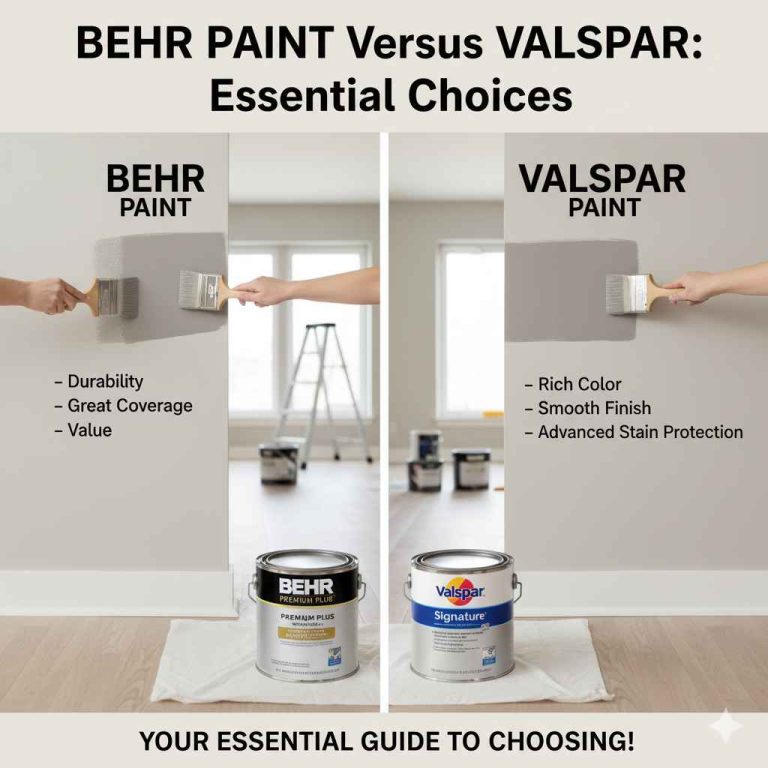
Choosing the right paint is key to a great finish on wood paneling. The paint type affects how well it sticks and how long it lasts. The color changes the room’s feel. Primer helps the paint cover better and stay strong. Pick the best options for your project. This guide covers paint types, colors, and primers for wood paneling.
Types Of Paint For Wood Paneling
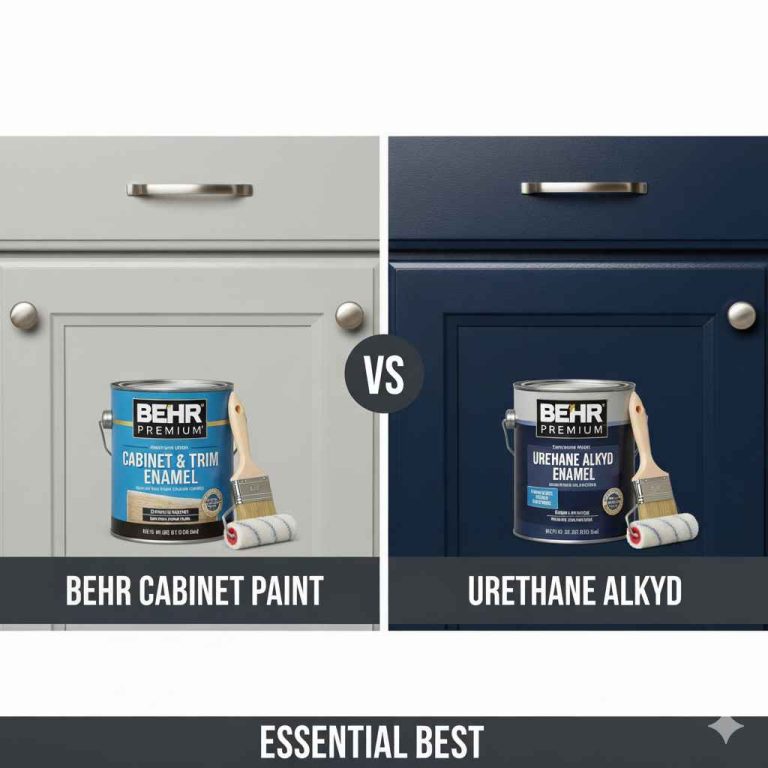
Latex paint is popular for wood paneling. It dries fast and cleans with water. It resists cracking and fading well. Oil-based paint covers better on rough wood. It gives a smooth, hard finish. But it takes longer to dry and needs special cleaners. Satin and semi-gloss finishes work best. They show the wood’s texture and clean easily.
Selecting The Perfect Color
Light colors open up small rooms. They make spaces feel bright and fresh. Dark colors add warmth and depth. They create a cozy mood. Neutral shades fit most styles and furniture. Test paint samples on a small panel area. See how the color looks in different light. Choose a color that matches your room’s purpose and style.
Primer Options
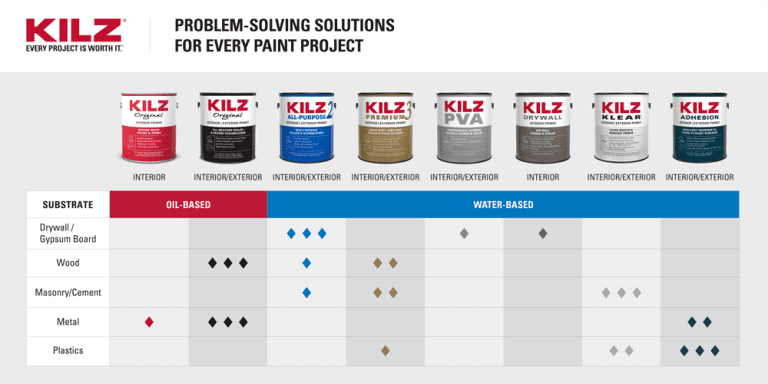
Primer improves paint adhesion on wood paneling. It blocks stains and hides old colors. Use a stain-blocking primer for dark or glossy panels. Shellac primers work well on tough stains and knots. Latex primers are easy to use and clean up. They suit most wood surfaces. Primer helps paint stick longer and look smoother.
Painting Techniques
Choosing the right painting techniques makes a big difference on wood paneling. Proper methods help paint stick well and look smooth. Small steps can give a fresh, clean finish that lasts longer.
Using the right tools and methods saves time and effort. It also prevents common problems like streaks and bubbles. Let’s explore simple, effective techniques for painting wood paneling.
Brush Vs. Roller
Brushes are great for edges and corners. They give more control on detailed areas. Rollers cover large flat surfaces faster. Use a roller with a smooth finish for even coats. Combining both tools often works best for paneling.
Applying Primer
Primer seals the wood and blocks stains. It helps paint stick better and last longer. Apply a thin, even layer of primer first. Let it dry completely before painting. Skipping primer can cause peeling and uneven color.
Painting In Even Strokes
Use long, smooth strokes to avoid streaks. Paint in the direction of the wood grain. Keep a wet edge to blend paint smoothly. Avoid pressing too hard with the brush or roller. Take your time to create a neat finish.
Drying And Finishing
After painting wood paneling, the drying and finishing steps are very important. These steps help the paint last longer and keep the surface looking nice. Proper drying prevents smudges and damage. Finishing adds a layer of protection and shine to the wood.
Drying Time Tips
Let the paint dry in a clean, dust-free space. Avoid touching or moving the panels too soon. Thin coats dry faster than thick ones. Wait at least 4 to 6 hours between coats. Full curing can take up to a week. Use a fan or open windows to help air flow. Avoid high humidity or cold temperatures. These slow down drying and may cause paint problems.
Adding Protective Coating
Apply a clear protective coating after the paint dries. Use polyurethane or water-based sealers made for wood. This layer guards against scratches and stains. Choose a finish: matte, satin, or glossy. Satin finish hides imperfections well. Use a clean brush or foam applicator for even coverage. Allow the coating to dry fully before use. Two coats offer better protection than one. Let each coat dry before applying the next.
Maintaining Painted Paneling
Keep painted panels clean with a soft cloth or sponge. Use mild soap and water for stains. Avoid harsh chemicals or abrasive scrubbers. Check for chips or cracks regularly. Touch up damaged areas quickly to stop peeling. Keep rooms well ventilated to reduce moisture damage. Proper care extends the life of your painted wood paneling. Regular maintenance keeps the finish fresh and bright.
Common Mistakes To Avoid
Painting wood paneling can transform a room. Avoiding common mistakes ensures a smooth, lasting finish. These errors can ruin your work and waste time.
Skipping Surface Prep
Surface prep is key. Dirt, grease, and old finish stop paint from sticking. Sand the paneling lightly to roughen the surface. Clean the dust and grime with a damp cloth. Skipping these steps leads to peeling and uneven paint.
Using The Wrong Paint
Choose paint made for wood surfaces. Latex paint works well for paneling. Avoid flat or matte finishes; they show flaws and wear quickly. Glossy or semi-gloss paints are easier to clean. Using the wrong paint causes poor coverage and fast damage.
Ignoring Drying Times
Paint needs time to dry between coats. Rushing causes bubbles and streaks. Wait at least 4 hours before applying another coat. Follow the paint label instructions for best results. Ignoring drying times leads to a rough, uneven surface.
Frequently Asked Questions
What Is The Best Paint Type For Wood Paneling?
Use high-quality latex or acrylic paint for wood paneling. These paints provide durability and a smooth finish. They also resist cracking and peeling. Satin or semi-gloss finishes are ideal for easy cleaning and moisture resistance.
How Do I Prepare Wood Paneling Before Painting?
Clean the paneling thoroughly to remove dirt and grease. Lightly sand the surface to create a smooth base. Fill any holes or cracks with wood filler. Finally, apply a primer to ensure paint adhesion and durability.
Can I Paint Wood Paneling Without Sanding?
Yes, but light sanding is recommended for better paint adhesion. If sanding is skipped, use a high-bond primer to help paint stick. Clean the paneling well before priming and painting for best results.
How Many Coats Of Paint Are Needed For Wood Paneling?
Typically, two coats of paint are sufficient for good coverage. The first coat seals the surface, while the second provides a smooth finish. Allow proper drying time between coats for a professional look.
Conclusion
Painting wood paneling can change your room’s look quickly. Start by cleaning and sanding the surface well. Choose the right primer and paint for best results. Use smooth, even strokes to avoid streaks or bubbles. Take your time and let each coat dry fully before adding the next.
Small steps make a big difference in the final look. Enjoy your fresh, bright walls that feel new and inviting. Painting wood paneling is simple with the right approach. Give it a try and see the change yourself.