Can You Spray Paint Wood Furniture Without Sanding?
Yes, you can spray paint wood furniture without sanding — but only with a bonding primer or a deglosser/liquid sandpaper first. Skip both and paint peels off any glossy or sealed surface within weeks. This guide covers which primer bonds without sanding, how liquid sandpaper compares, and the application steps (thin coats, dry time) that avoid drips and runs. Still deciding between a brush and a sprayer in the first place? See our brushing vs. spraying paint comparison.
Why Skipping Sanding Works
Best Pick For No-Sand Painting
Zinsser Bulls Eye 1-2-3 Spray Primer
Bonds directly to glossy, unsanded wood, laminate and even glass — this is the step that lets paint stick without sanding.
- Best for: priming glossy or sealed furniture before spray paint
- Why we picked it: specifically formulated to bond difficult, unsanded surfaces
- Main drawback: oil-based formula has a strong odor — use in ventilated space
Compare more no-sand prep & paint options
 Option 1 Krud Kutter Gloss-Off Prepaint Cleaner, 32 oz
|
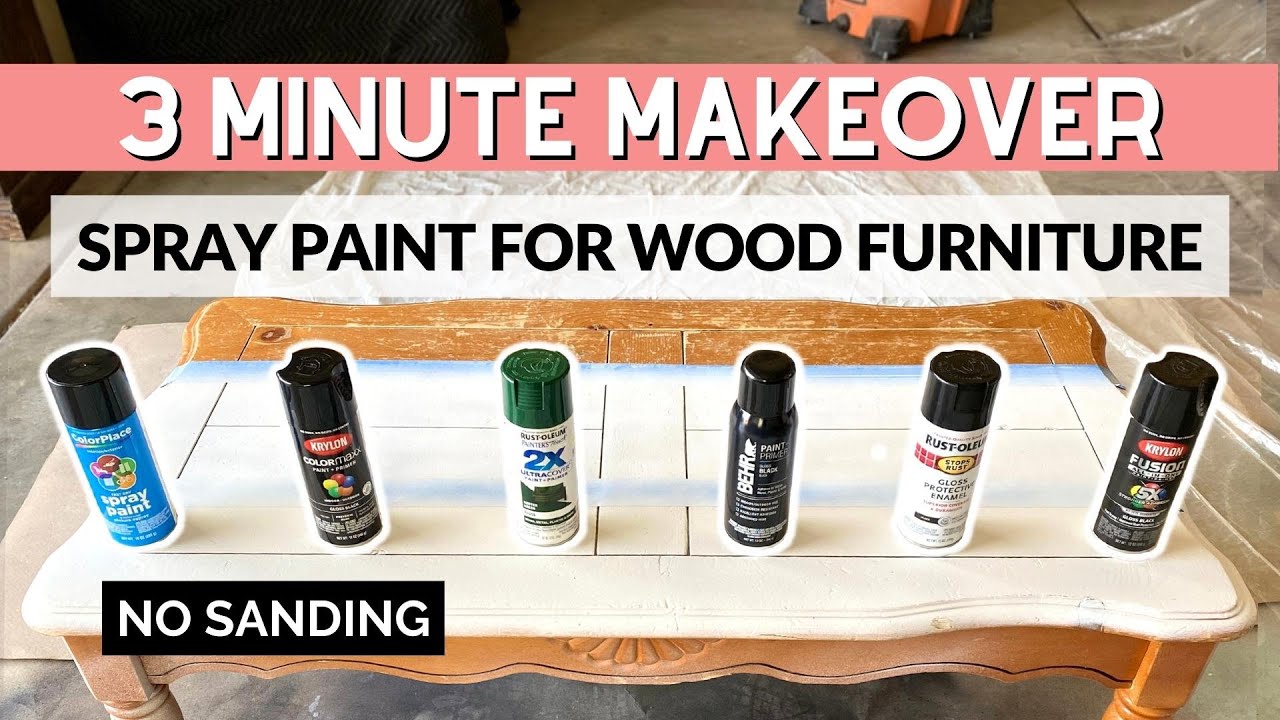
Option 2 Rust-Oleum Painter’s Touch 2X Ultra Cover
|
 Option 3 S&F Tack Cloth, 6-Pack
|
As an Amazon Associate we earn from qualifying purchases.
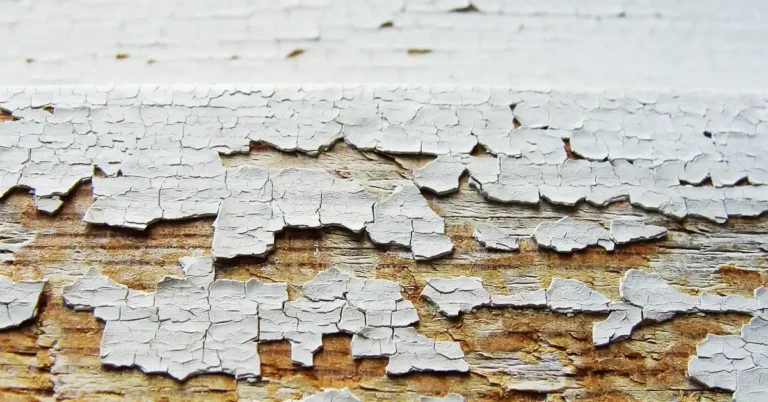
Sanding’s real job before painting is breaking a glossy or sealed surface so paint has something to grip – it’s not the paint itself that needs raw wood, it’s the loss of sheen. A bonding primer or a liquid deglosser accomplishes the same thing chemically instead of mechanically, which is why either one lets you skip sanding entirely on furniture that’s already painted, varnished, or sealed.
Cleaning and Prepping the Surface
Wipe the piece down with a deglosser or TSP (trisodium phosphate) solution on a microfiber cloth, working in circular motions to cut through grease, wax, and surface sheen. Wipe again with a clean, damp cloth to remove residue, then let it dry fully – any leftover cleaner or moisture under the primer causes adhesion problems later. A tack cloth right before priming removes the last of the dust.
Priming Without Sanding
An oil-based bonding primer is the step that actually makes no-sand painting work – it’s formulated to grip glossy, sealed, and even laminate surfaces that a standard primer would peel off of within weeks. Apply one even coat, let it dry fully per the label (usually 1-2 hours), and check for any shiny spots the primer didn’t cover before moving to paint.
Spray Painting Technique
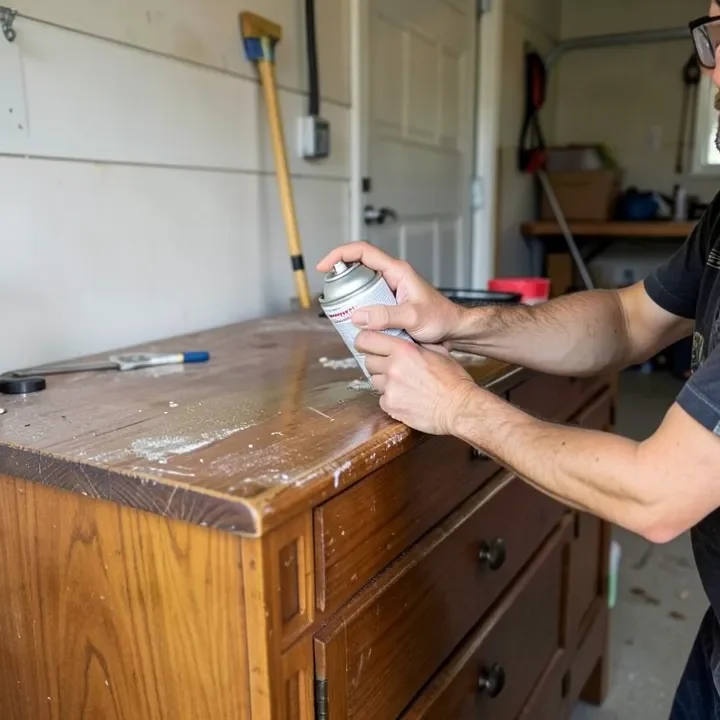
- Distance: hold the can 8-12 inches from the surface – closer causes drips, farther causes a rough, dry texture.
- Motion: keep the can moving in steady, even passes; stopping mid-spray while the nozzle is down causes buildup and runs.
- Coats: two to three light coats beat one heavy coat – thin layers dry faster, without drips, and build even coverage.
- Drips: if one forms, stop and let it dry completely before wiping or sanding it out – touching wet paint spreads the problem.
Ventilation and Safety
Spray paint and bonding primers both off-gas strong fumes – work outdoors or in a space with open windows and active airflow, and wear a respirator rated for organic vapors, not just a dust mask. Safety glasses and old clothes or gloves round out the basics; oil-based primer in particular doesn’t wash out of fabric easily.
Maintaining the Finish
Dust regularly with a soft, dry cloth and avoid soaking the surface with water, which can lift paint at seams over time. For touch-ups, keep leftover paint labeled and dated – matching a faded or discontinued color later is far harder than storing a small labeled jar now.
Frequently Asked Questions
Can You Spray Paint Directly Onto Wood?
Yes, but bare or glossy wood needs a bonding primer first for the paint to grip properly and resist peeling.
Do I Need To Sand Wood Before Spray Painting?
No, not if you use a bonding primer or a liquid sander deglosser instead. Either one cuts the surface sheen enough for paint to adhere without manual sanding.
What Kind Of Spray Paint To Use On Wood Furniture?
A general-purpose spray paint like Rust-Oleum Painter’s Touch 2X works well on primed wood furniture. Oil-based formulas last longer outdoors; water-based dry faster and have less odor indoors.
Is It Better To Spray Paint Or Brush Paint Wooden Furniture?
Spray paint gives a smoother, more even finish with no brush marks and reaches corners and details brush painting misses, but it requires more ventilation and masking of surrounding areas.
Skipping sanding comes down to one substitution: a bonding primer or deglosser does the same adhesion job sandpaper would, chemically instead of mechanically. Clean, prime, and paint in thin coats, and the surface never needs to touch sandpaper.
Sponsored / affiliate links. As an Amazon Associate I earn from qualifying purchases. I may earn additional commission from eligible campaigns.