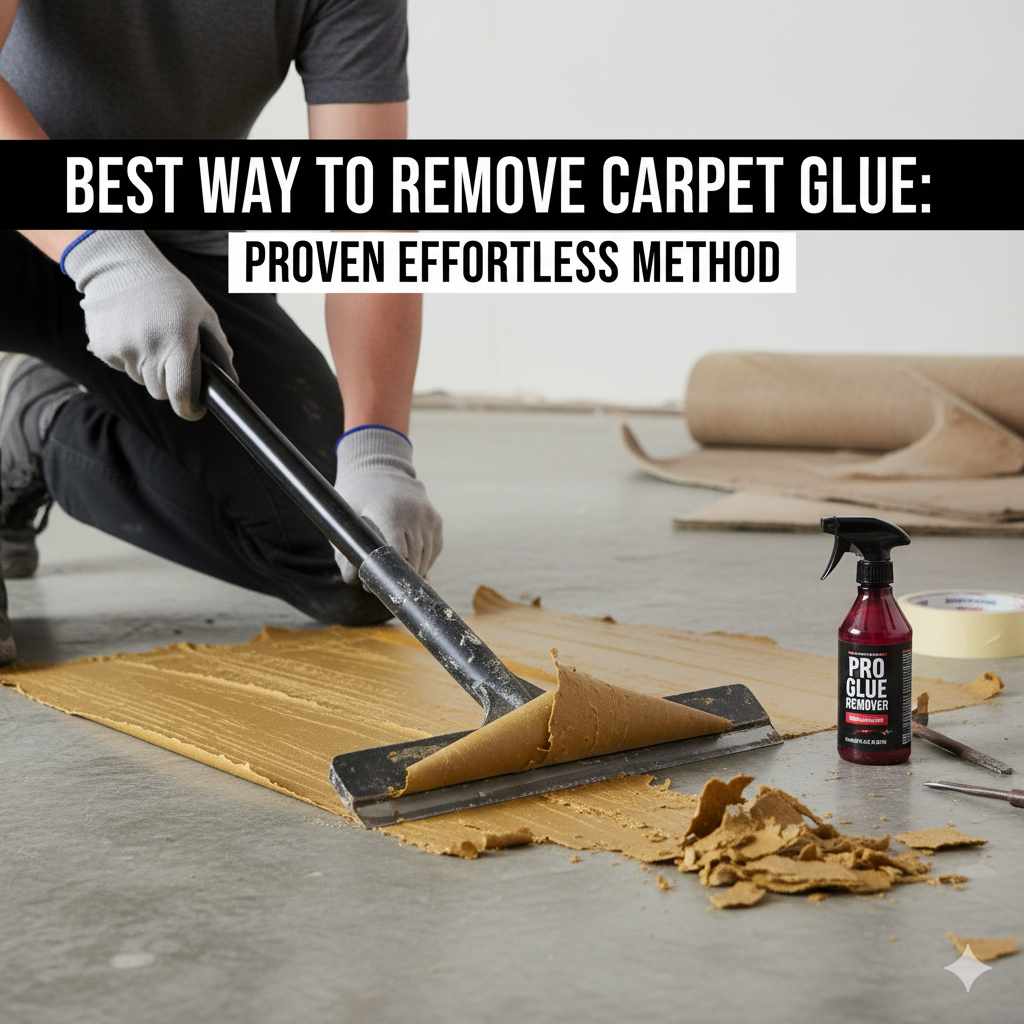
Best Way to Remove Carpet Glue: Proven Effortless Method
The best way to remove carpet glue effortlessly is by using a combination of heat, a scraper, and a solvent, working in small sections to ensure thoroughness and minimize effort.
Have you ever pulled up old carpet only to be greeted by a stubborn, sticky mess of glue? It’s a common frustration for DIYers tackling a flooring update. This dried-on adhesive can seem impossible to budge, making your new floor installation a real headache. But don’t worry! With the right approach, removing carpet glue can be much simpler than you think. We’ll walk you through a proven, step-by-step method that’s designed for beginners, ensuring you get a clean surface ready for your next project.
This guide will break down the process into easy-to-follow steps, using common household items and a few essential tools. You’ll learn how to tackle even the toughest glue residues without breaking a sweat. Let’s get your subfloor looking its best!
Why is Removing Carpet Glue So Tricky?
Carpet glue, also known as carpet adhesive or mastic, is designed to be strong and permanent. It needs to hold carpet securely in place, resisting foot traffic, furniture, and even occasional moisture. This means it bonds tightly to the subfloor, whether that’s concrete, wood, or another material. Over time, it can dry out, harden, and become brittle, or in some cases, remain slightly tacky, making it a challenge to scrape away cleanly.
Think of it like super glue for your floors. Its purpose is to stick, and it does its job exceptionally well. When it comes time to remove it, you’re fighting against that very design. The goal isn’t just to scrape, but to soften and break the bond the glue has formed with the subfloor. Different types of glue may also react differently to removal methods, adding another layer of complexity for beginners.
Safety First: Always Prepare Your Workspace
Before you start any DIY project, especially one involving scraping and potentially solvents, safety is paramount. We want to make sure you can complete this job without any unwanted injuries or issues. Proper preparation ensures a smooth and safe experience.
Here’s what you should do to prepare:
- Ventilation is Key: Ensure the room has good airflow. Open windows and doors. If you’re using a solvent, consider a fan to circulate fresh air. This is especially important if the glue is old, as it might release fumes.
- Protect Yourself: Wear safety glasses to protect your eyes from flying debris or splashes. Gloves are a must to protect your skin from the glue, scrapers, and any cleaning solutions. Long sleeves and trousers are also a good idea.
- Clear the Area: Remove all furniture and any other items from the room. You’ll need plenty of space to work without tripping hazards.
- Protect Surroundings: If you’re working near walls, your baseboards, or other finished surfaces, consider taping them off with painter’s tape. This will protect them from accidental scratches or solvent damage.
Gather Your Tools and Materials
Having the right tools makes a world of difference. You don’t need a lot of fancy equipment, just a thoughtful selection of items that will help you get the job done efficiently and effectively.
Here’s a handy list of what you’ll need:
- Putty Knife or Scraper: A sturdy, flat-edged putty knife is your primary tool for scraping. For tougher glue, a wider floor scraper or a specialized glue scraper might be more effective. Look for one with a long handle if you want to avoid bending over as much. Learn more about different types of scrapers on the Popular Mechanics guide to scrapers.
- Heat Gun or Hair Dryer: Heat is your best friend for softening stubborn glue. A heat gun is more powerful, but a strong hair dryer can also work for smaller areas or less stubborn glue.
- Stiff Brush or Broom: For sweeping up debris after scraping.
- Bucket: To hold your cleaning solution or water.
- Rags or Sponges: For applying cleaning solutions and wiping up residue.
- Gloves: As mentioned, work gloves or heavy-duty rubber gloves.
- Safety Glasses: Essential eye protection.
- Optional: Commercial Glue Remover/Solvent: For very tough spots, a specialized solvent can be a lifesaver. Always choose one suitable for your subfloor type, and follow the manufacturer’s instructions precisely. Common options include citrus-based removers or mineral spirits. Always test in an inconspicuous area first. The Environmental Protection Agency (EPA) offers guidance on reducing exposure to hazardous substances, which is good to keep in mind when using solvents: EPA – Radon in Homes (While this is about radon, the principles of ventilation and personal protective equipment apply when using any chemical).
- Optional: Wet/Dry Vacuum: Can be very helpful for picking up fine dust and debris.
The Proven Effortless Method: Step-by-Step
This method focuses on making the glue pliable so it comes up easier. It’s about working smarter, not harder!
Step 1: Loosen the Glue with Heat
Start by applying heat to a small section of the glued area. Hold your heat gun (on a low to medium setting) or hair dryer about 4-6 inches away from the glue. Move it back and forth continuously to prevent overheating or scorching the subfloor. The goal is to warm the glue until it softens and becomes tacky again, not molten.
You’ll notice the glue start to soften and possibly release a slight odor. This is a good sign! It means the adhesive is losing its grip. Work in manageable sections, about 2-3 square feet at a time. This way, you can effectively heat and scrape before the glue cools and hardens again.
Step 2: Scrape Away the Softened Glue
Immediately after applying heat to a section, grab your putty knife or scraper. Place the edge of the scraper against the softened glue at a low angle. Apply firm, steady pressure to push the glue away from the subfloor. You should find that it scrapes up much more easily now.
If using a floor scraper with a long handle, you can often use your body weight to help push the scraper. Keep the scraper at an angle to avoid digging into the subfloor, especially if it’s wood. If the glue starts to re-harden before you can scrape it, simply apply more heat to that section.
Step 3: Tackle Stubborn Residue
For areas where the glue is still sticking stubbornly, or if you have a very thin, hardened layer remaining, repeating the heating and scraping step might be necessary. Sometimes, a slightly different angle with your scraper can help lift the last bits.
Pro Tip: For very thick, gummy residue, you might find it helpful to let it cool slightly after heating, so it becomes more putty-like rather than liquid. This can make it easier to ball up and remove with your scraper.
If heat and scraping alone aren’t cutting it, this is where you might consider a solvent. Always follow the product’s instructions. Typically, you’ll apply the solvent to the residue, let it sit for the recommended time (often just a few minutes), and then scrape. Remember to test any solvent in an inconspicuous spot first to ensure it doesn’t damage your subfloor. A good resource for understanding different types of adhesives and their removal is this overview from HGTV on removing carpet glue from concrete, which offers insights applicable to other subfloors too.
Step 4: Clean Up Loose Debris
As you scrape, you’ll create both soft glue chunks and dry dust. Use your stiff brush or broom to sweep these into a pile. A wet/dry vacuum is excellent for collecting fine dust and any remaining small particles. This step helps keep your workspace clean and prevents you from re-spreading glue residue.
Be thorough here. You want to remove as much of the loose material as possible before moving on to the final cleaning stages.
Step 5: Final Cleaning and Inspection
Once the bulk of the glue is scraped away, you’ll likely have a faint residue or a slightly sticky film remaining. Dampen a clean rag with warm water and a little bit of mild detergent or a specialized subfloor cleaner. Wipe down the entire area you’ve worked on.
For concrete subfloors, a diluted solution of TSP (trisodium phosphate) can be very effective. For wood subfloors, be cautious with moisture. A damp cloth followed by a dry wipe is usually sufficient. If you used a solvent, ensure you also clean the area with water and detergent according to the solvent manufacturer’s instructions to remove any chemical residue.
After cleaning, let the subfloor dry completely. Inspect it carefully. You want a smooth, clean surface without any sticky patches or significant lumps. If you find any missed spots, go back to Step 1 and address them. A clean subfloor ensures your new flooring will lay flat and adhere properly.
Table: Glue Removal Method Comparison
Here’s a quick look at different methods and why our recommended method is often the easiest for beginners:
| Method | Pros | Cons | Best For |
|---|---|---|---|
| Heat & Scrape (Recommended) | Effective, relatively safe, uses common tools, minimal chemicals. | Requires patience, can be labor-intensive for large areas. | Most types of carpet glue on various subfloors. |
| Chemical Solvents Only | Can be very effective on tough glues. | Requires good ventilation and protective gear, potential for subfloor damage if not used correctly, can be expensive. | Extremely stubborn, old, or specific types of adhesives. |
| Mechanical Grinding/Sanding | Fast and effective for large areas. | Dusty, requires specialized equipment (grinder), risk of damaging subfloor, can be dangerous if not experienced. | Large commercial spaces or very thick adhesives on concrete. |
| Scraping Dry | Simple, no chemicals or heat needed. | Often ineffective for truly stubborn glue, can lead to scratching subfloor, very labor-intensive. | Very thin, brittle glue residue that is already loose. |
Tips for Different Subfloor Types
While the heat and scrape method is versatile, you might need slight adjustments based on your subfloor material.
Concrete Subfloors
Concrete is robust and can handle a bit more aggressive treatment. You generally don’t need to worry as much about scratching concrete’s surface, though you still want to be mindful. Solvents are often very effective on concrete, but always test first. Ensure the concrete is fully dry before applying a new flooring material, as moisture can be an issue with concrete. For advice on concrete surface preparation, the International Code Council (ICC) residential guide can offer useful foundational knowledge about concrete.
Wood Subfloors
Wood subfloors are more delicate. Be extra careful not to gouge the wood with your scraper. Always use your scraper at a shallow angle. Avoid excessive moisture, as it can cause wood to warp or swell. Ensure the wood is completely dry after any water-based cleaning. If the wood is damaged, you might need to repair or replace sections before installing new flooring.
Other Subfloors (e.g., Plywood, Tile)
The principles remain the same: soften and scrape. For plywood, treat it similarly to wood subfloors, being gentle with the scraper. If you are removing glue from tile or existing vinyl flooring that you are keeping, be very careful not to scratch the surface. Many commercial glue removers are safe for most surfaces, but always read the label.
When to Call a Professional
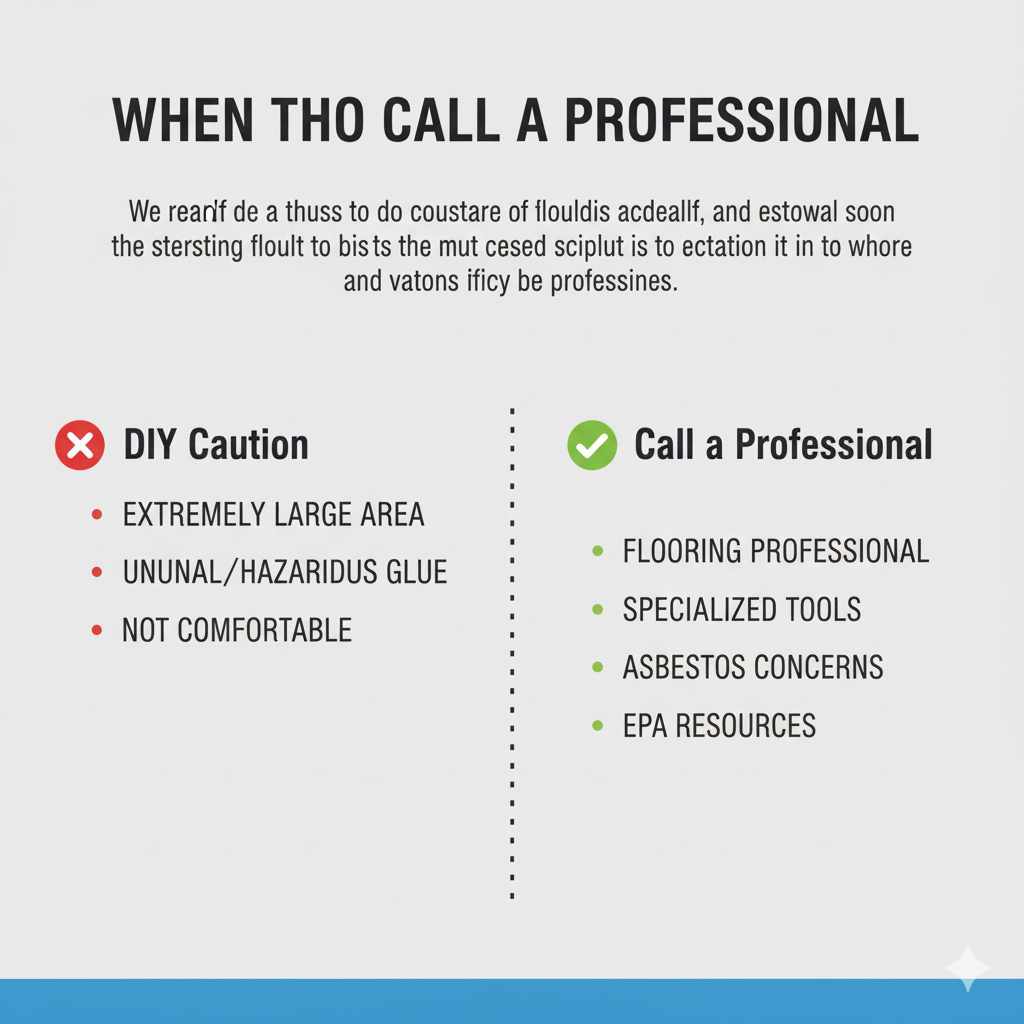
While this method is designed to be beginner-friendly, there are times when it’s wise to bring in a professional. If the glued area is extremely large, if the glue seems unusual or particularly hazardous (e.g., contains asbestos, common in older adhesives before the 1980s), or if you’re simply not comfortable tackling the job, a flooring professional can do it quickly and safely. They have specialized tools and knowledge to handle various types of adhesive issues.
For information on older adhesives and potential asbestos concerns, the EPA provides resources on asbestos in the home. If you suspect asbestos, do not disturb the material and contact a qualified abatement professional immediately.
FAQ: Removing Carpet Glue
Here are some common questions beginners have about removing carpet glue:
Q1: How long does it take to remove carpet glue?
A1: The time can vary greatly depending on the size of the area, the type of glue, and how stubborn it is. For a small to medium-sized room (100-200 sq ft), it can take anywhere from 2 to 8 hours. Patience is key!
Q2: Can I just paint over the carpet glue?
A2: It’s generally not recommended. Most new flooring needs a clean, dry, and level surface to adhere properly. Painting over glue might create a smooth surface temporarily, but new flooring may not stick, and the paint could peel, compromising your new installation.
Q3: What if the glue is black mastic?
A3: Black mastic is a common type of asphalt-based adhesive. It can be quite tough and sometimes brittle. The heat and scrape method is still effective, but you may need to use a stronger scraper and be more persistent. If it’s a very large area or you suspect asbestos (again, common in older black mastic), consider professional help.
Q4: Is it safe to use a razor scraper?
A4: A razor scraper can be effective for very thin, hardened glue, especially on concrete. However, it requires extreme care to avoid scratching the subfloor, particularly if it’s wood. Always use it with caution, at a very low angle, and consider it a last resort for small, stubborn patches.
Q5: Can I use a floor stripper machine?
A5: Yes, for large areas, a floor stripper machine (like a floor buffer with a stripping pad or a dedicated glue scraper machine) can save a lot of time and effort. However, these can be rented and require some practice to operate safely and effectively without damaging the subfloor. For beginners, manual methods are often less risky.
Q6: How do I know if my mastic contains asbestos?
A6: It’s impossible to tell just by looking. If your home was built before the 1980s, there’s a chance the adhesive (especially black mastic) could contain asbestos. If you suspect this, do not disturb it. Contact a certified asbestos testing laboratory or abatement professional for assessment and removal. The EPA’s guidance is crucial here.
Conclusion
Removing old carpet glue doesn’t have to be a daunting task. By understanding the adhesive’s nature and employing a method that softens it for easier removal, you can achieve a clean, smooth subfloor ready for your next flooring project. The combination of targeted heat, steady scraping, and a final clean-up is a proven strategy that balances effectiveness with ease of use for beginners. Remember to prioritize safety by ensuring good ventilation and wearing your protective gear. Take your time, work in manageable sections, and don’t be afraid to repeat steps if needed.
With a little effort and the right approach, you’ll conquer that stubborn glue and lay the foundation for a beautiful, durable new floor. Happy DIYing!