Gorilla Glue vs Super Glue: Which Gorilla Is Which? (Wood Guide)
“Gorilla Glue” and “super glue” are not two brands of the same product: the original Gorilla Glue is a foaming polyurethane that clamps for 1-2 hours, while super glue is cyanoacrylate that sets in 10-45 seconds with no clamp. The catch is that Gorilla also sells a Super Glue and a Wood Glue, so the name alone does not tell you which one you are holding. Below: the three formulas, a side-by-side table, and when each one belongs on wood.
The Gorilla Brand Mix-Up: Original Gorilla Glue vs. Gorilla Super Glue
Best Polyurethane Pick for Wood
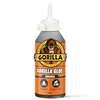 |
Gorilla Original Glue, Waterproof Polyurethane, Brown, 8 oz: $9.98 This is the foaming, moisture-curing glue the “Gorilla Glue vs super glue” argument is really about. It is the one for porous wood, outdoor joints and parts you can clamp for a couple of hours.
|
As an Amazon Associate we earn from qualifying purchases.
Search for “Gorilla Glue” and you will find at least three chemically different adhesives wearing the same gorilla. Per Gorilla’s own product pages, they break down like this:
- Gorilla Glue Original is a water-activated polyurethane. It foams as it cures, is rated 100% waterproof, and needs a 1-2 hour clamp.
- Gorilla Super Glue (liquid or Gel) is a cyanoacrylate. It dries in 10-45 seconds and needs no clamp, but Gorilla does not recommend it for outdoor use.
- Gorilla Wood Glue is a water-based PVA. It does not foam, clamps in 20-30 minutes, and passes ANSI/HPVA Type II water resistance.
- Clear Gorilla Glue is the non-foaming cousin of the Original, described by Gorilla as a crystal-clear, non-foaming adhesive for repairs where the glue line shows.
So when someone asks whether “Gorilla Super Glue or clear Gorilla Glue” is better, they are really asking whether a fast cyanoacrylate or a slower polyurethane suits the job. They are different tools. If you only remember one thing from this page, remember that the foam is the Original and the speed is the Super Glue.
Gorilla Glue vs Super Glue: Side-by-Side Comparison
The table pulls cure times and ratings from Gorilla’s product pages and its own “how long does glue take to dry” guide, so every number is the manufacturer’s, not ours. We have not run our own bond-strength tests, and the table does not rank strength for that reason.
| Feature | Gorilla Glue Original (polyurethane) | Gorilla Super Glue Gel (cyanoacrylate) | Gorilla Wood Glue (PVA) |
|---|---|---|---|
| Sets / clamp time | 1-2 hours clamp | 10-45 seconds, no clamp | 20-30 minutes clamp |
| Full cure | 24 hours | 24 hours | 24 hours |
| Foams? | Yes, expands about 3x | No | No |
| Waterproof? | Rated 100% waterproof | Not recommended for outdoor use | Passes ANSI/HPVA Type II water resistance |
| Gaps | Foams into gaps, but see the gap-filling note below | Gel fills small gaps per Loctite; Gorilla says CA needs a tight fit | Not specified by Gorilla |
| Cleanup (wet) | Dry cloth or paint thinner | Acetone or isopropyl alcohol | Damp cloth |
| Cured look | Light tan | Clear, rigid | Sandable and paintable |
| Service temperature | -40 to 200 F | -65 to 220 F | 0 to 150 F |
| Skin contact | Gloves strongly recommended | Bonds skin in seconds | Wash with soap and warm water |
One column deserves a second look. Super Glue Gel reaches full cure in 24 hours, the same as the Original, even though it grabs in seconds. Fast set is not fast cure, so avoid loading a super-glued joint right away. Loctite says to allow 12-24 hours before using a repaired item.
When Gorilla Glue Original Makes Sense for Wood
Wood is porous, and that is where polyurethane earns its reputation. Gorilla says the Original expands into the material as it cures, which is why it grips rough or open-grain surfaces and survives rain. It also bonds dissimilar materials, listing wood, stone, metal, ceramic, foam, glass and concrete. That is useful for a wooden leg on a stone planter or a trim piece on a masonry wall. For wood-to-wood work indoors, plain wood glue is usually the simpler choice, which is the matchup covered in Gorilla Glue vs wood glue.
Use the moisture step, and use less glue
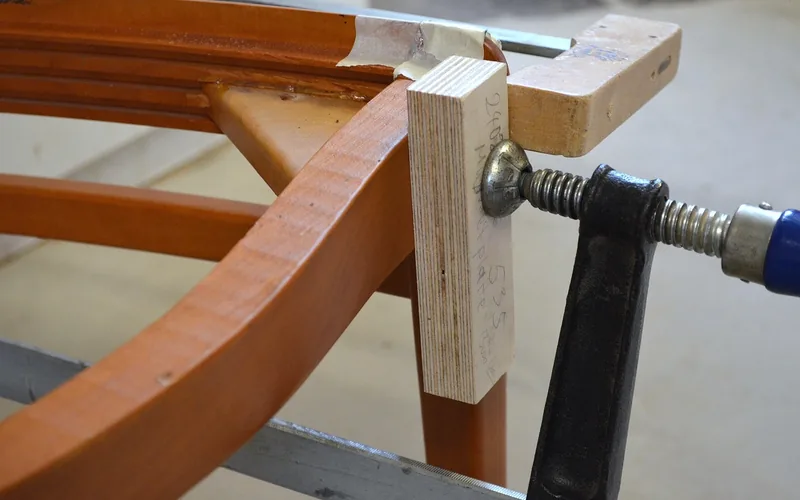
Because the Original is moisture-cured, Gorilla says to lightly dampen one surface, apply the glue to the dry surface, and clamp. For dense hardwoods, dampen both surfaces. Skip the water and it may cure poorly. The application temperature is above 40 F, and Gorilla suggests about half an ounce per square foot. More glue just means more foam to scrape.
Gap filling: the foam is not structural
Gorilla’s comparison page rates the Original’s gap filling as excellent. Woodworkers read that more cautiously. Fine Woodworking describes polyurethane as expanding into “featherweight foam” in spaces bigger than a few thousandths of an inch, which means foam across a wide gap is mostly filler, not strength. Tight joinery with a thin glue line holds better than a loose joint packed with foam. If you really have a gap to fill, our guide on how to fill gaps in woodworking covers better options.
The foam cleans up after it dries
Squeeze-out is sticky when wet, and smearing spreads it. Fine Woodworking’s advice is to use less glue and let the squeeze-out dry before touching it, because dry squeeze-out is rigid and easy to remove. Gorilla’s own advice for cured glue is mechanical: sanding, chiseling, scraping or picking. Our step-by-step on removing Gorilla Glue from wood covers finished surfaces.
When Super Glue Is the Better Wood Glue
Super glue is the right call when you need speed, not volume: a split in a spindle, a chipped corner you can press back, a small piece that is hard to clamp. Loctite sorts the two forms for you. Liquid suits non-porous surfaces and hairline cracks and sets in 15-30 seconds, while gel suits porous materials such as wood, leather and fabric. Gel does not soak in instantly, so enough adhesive stays on the surface to form a bond. Gorilla’s own Super Glue Gel dries in 10-45 seconds and bonds wood, plastic, metal, ceramic, rubber, leather, paper and stone.

Two cautions apply. First, fast set means little time to reposition, so dry-fit before you open the cap. Second, Loctite recommends lightly sanding smooth surfaces for a stronger bond and using roughly one drop per square inch, so more glue does not mean a stronger joint. For a full comparison against PVA on small repairs, see wood glue vs CA glue for small repairs.
Is Gorilla Glue Stronger Than Super Glue? What the Numbers Say
Gorilla does not publish a head-to-head strength number for its polyurethane against its super glue, and the two fail differently, so any single “stronger” claim deserves suspicion. What exists is independent testing of polyurethane against ordinary wood glue.
In Franklin International testing, polyurethane glue failed at 3,510 psi on long-grain joints, versus 3,600 psi for Titebond yellow glue and 3,750 psi for Titebond II. Source: Popular Woodworking
Popular Woodworking’s summary was that polyurethane glues stick well and hold odd materials but are generally not stronger than yellow glues. Gorilla’s founder argues polyurethane does better on end-grain joints, where yellow glues have always been lacking. That test compared polyurethane with Titebond products, not with super glue, so treat it as a reality check on the “Gorilla means strongest” myth, not a ranking of all three. If you are chasing raw strength beyond either glue, read what is stronger than super glue.
Which Glue Should You Use? Quick Decision Guide
- Outdoor or wet wood joint you can clamp: Gorilla Glue Original (polyurethane), with the moisture step.
- Small crack, chip or part you cannot clamp, used indoors: super glue, gel for wood.
- Ordinary wood-to-wood joint, indoors, with clamps: wood glue (PVA), clamped 20-30 minutes for Gorilla Wood Glue.
- Wood to metal, stone or concrete: polyurethane lists all three as compatible.
- Polyethylene or polypropylene plastic: neither Gorilla Glue nor Gorilla Super Glue is recommended for PE or PP.
Sheet goods behave differently. MDF soaks up thin glues at the edges, so check the best way to join MDF and whether MDF can be repaired before reaching for either bottle. For loose chair parts specifically, see the best glue for loose chair spindles. If you are still choosing among adhesive families, our wood glue buying guide starts from scratch.
Safety: Skin, Eyes and Fumes With Each Glue
These two glues hurt you in different ways, and the first-aid advice is opposite. Read this before you open either one. This section is a summary of manufacturer guidance, not medical advice.
Polyurethane (Gorilla Glue Original)
The safety data sheet lists the Original as containing MDI-based isocyanates. It carries hazard statements for skin irritation, eye irritation, an allergic skin reaction, and respiratory sensitization that may cause allergy or asthma symptoms if inhaled. The sheet calls for gloves, eye protection and use outdoors or in a well-ventilated area. For skin contact it says to wash gently with plenty of soap and water and rinse for at least 15 minutes. For eye contact it says to rinse cautiously with water for at least 15 minutes, remove contact lenses if easy to do, and obtain medical attention. Gorilla adds that cured glue stains skin, may take several days to wear off, and should be scrubbed with gritty soap and warm water. Gorilla specifically does not recommend acetone or alcohol on skin for the Original, because it can strip skin oils and make the glue stick more.
Super glue (cyanoacrylate)
Cyanoacrylate bonds skin in seconds. Loctite’s advice for glued skin is not to pull it apart: soak the area in warm soapy water, then gently pry the skin apart with a blunt object such as a spoon or bar of soap. Gorilla’s Super Glue Gel page lists acetone or isopropyl alcohol for uncured glue and warm soapy water or acetone for cured glue, notes a strong odor that calls for ventilation, and says it is not food safe. It also lists an emergency number for ingestion or bonded skin. Loctite warns acetone may discolor some fabrics, so test a hidden spot before using it near anything finished, and keep it off wood finishes.
In practice: wear nitrile gloves with either glue, put a rag and a bag for waste next to you before you start, and keep both products away from children. If glue gets in an eye, do not wait to see whether it passes: rinse and seek medical help.
Shelf Life and Storage After Opening
Both glues spoil from moisture, for opposite reasons. Polyurethane cures with moisture, so humid air can start it hardening inside the bottle. Woodworkers Journal quotes Gorilla’s marketing director on keeping it fresh: squeeze the air out of the bottle, then replace the lid tightly and store it cool and dry. Woodworkers Journal also reports a one-year shelf life from the manufacturer, and buying smaller bottles means you use it up sooner. Cyanoacrylate lasts differently. Titebond says its CA lasts a minimum of two years, because shelf life depends on the amount of acid inhibitor, and that a freezer can extend usability to up to 10 years. Gorilla’s Super Glue Gel page says not to refrigerate, so treat the freezer tip as a Titebond claim, not Gorilla’s. As long as CA stays liquid it is still usable.
Frequently Asked Questions About Gorilla Glue and Super Glue
Is Gorilla Glue the same as Gorilla Super Glue?
No. Gorilla Glue Original is a water-activated polyurethane that foams and needs a 1-2 hour clamp. Gorilla Super Glue is a cyanoacrylate that dries in 10-45 seconds with no clamp. Gorilla Wood Glue is a third formula, a PVA that clamps in 20-30 minutes.
Which is stronger, Gorilla Glue or super glue?
Gorilla does not publish a direct strength comparison, and the glues fail differently: polyurethane is more flexible, super glue is rigid. Independent testing found polyurethane failed at 3,510 psi on long-grain wood joints, slightly below Titebond yellow glue at 3,600 psi, so the strongest-glue label is a myth.
Is Gorilla Super Glue or Gorilla Wood Glue better for a wooden chair leg?
For a structural chair joint you can clamp, Gorilla Wood Glue is the better fit: it is made for wood, clamps in 20-30 minutes, and passes Type II water resistance. Super glue gel suits small cracks or chips you cannot clamp, since it sets in 10-45 seconds but is rigid.
Is all super glue the same?
All super glue is cyanoacrylate, but formulas differ. Loctite sells thin liquid that sets in 15-30 seconds for non-porous surfaces and thick gel better suited to wood and other porous materials. Shelf life also differs by formulation, and Titebond says its CA lasts a minimum of two years.
Is clear Gorilla Glue the same as super glue?
No. Clear Gorilla Glue is a polyurethane that Gorilla describes as non-foaming and crystal clear, so it is slower than super glue and still needs clamping. Gorilla Super Glue is cyanoacrylate and dries in 10-45 seconds without a clamp.
Can you use acetone to remove Gorilla Glue from skin?
Gorilla recommends against acetone or alcohol on skin for Original Gorilla Glue because it strips natural oils and the glue is more likely to stick. For cured polyurethane, wash with gritty soap and warm water; it may take several days to wear off. Acetone is the suggested solvent for super glue.
Original Gorilla Glue suits clamped, porous or outdoor wood joints where a little foam is acceptable. Super glue suits fast, small, indoor repairs. For ordinary wood-to-wood joints with clamps, wood glue is usually the better choice. Match the formula to the joint, wear gloves, and check which Gorilla bottle you picked up before you open it.
Sponsored / affiliate links. As an Amazon Associate I earn from qualifying purchases. I may earn additional commission from eligible campaigns.