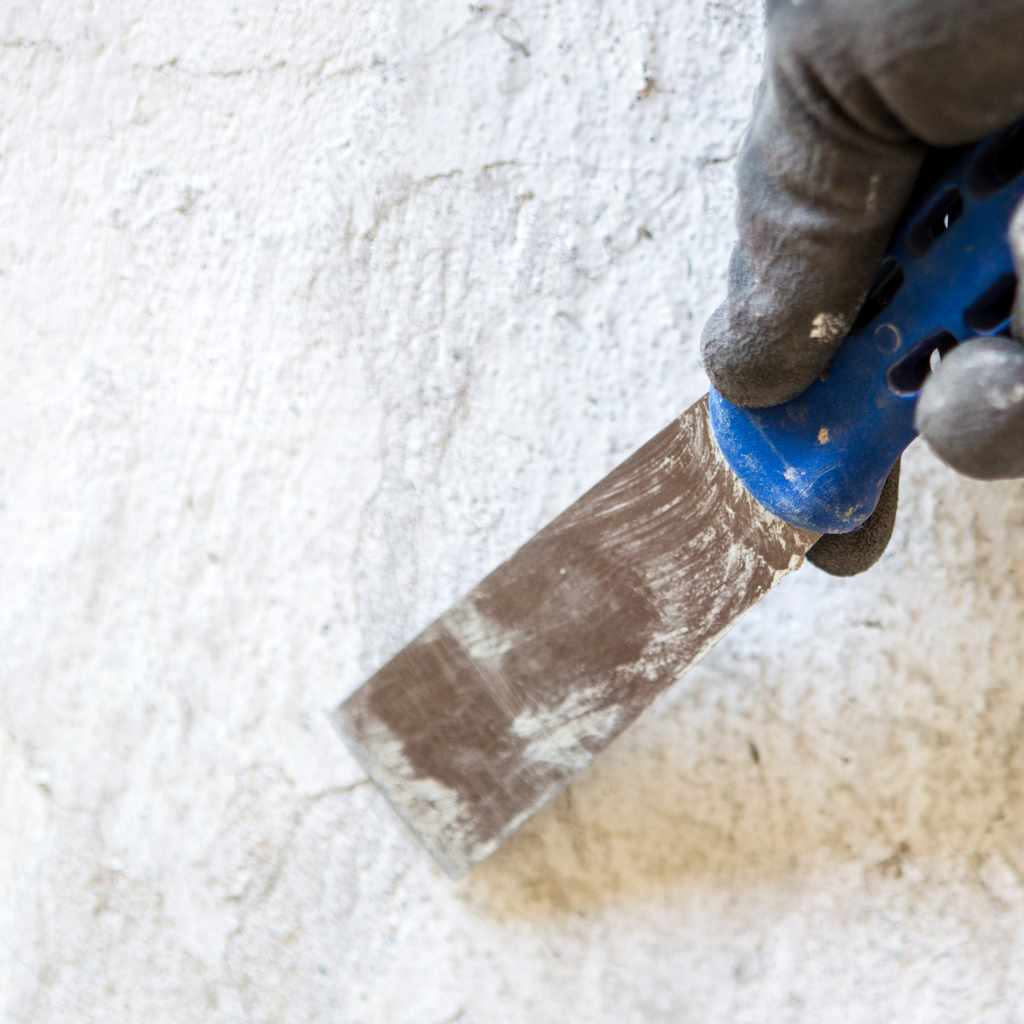
Best Way to Remove Paint: Ultimate Techniques for Flawless Results
Are you struggling to remove paint without making a bigger mess? Whether you’re tackling an old wall, furniture, or a small DIY project, finding the best way to remove paint can save you time, effort, and frustration.
You want a method that works fast, is safe for your surfaces, and fits your skill level. You’ll discover simple, effective techniques that anyone can use to strip paint like a pro. Keep reading, and you’ll learn how to get flawless results with less hassle—your next project is about to get a whole lot easier!
Choosing The Right Paint Remover
Choosing the right paint remover is important for a clean and safe project. Different methods suit different surfaces and paint types. Picking the right one saves time and effort. It also protects the material beneath the paint.
Consider the size of the area and how thick the paint is. Some removers work faster but need careful handling. Others are gentle but take longer. Always check the safety instructions before starting.
Chemical Strippers
Chemical strippers dissolve paint for easy removal. They come in gel, liquid, or paste forms. These strippers work well on wood, metal, and masonry. Use gloves and work in a ventilated space. Wait the recommended time before scraping off the paint. Some chemicals can be harsh, so follow all safety tips.
Heat Guns
Heat guns soften paint using hot air. This method works best on wood and metal surfaces. Hold the gun a few inches away from the paint. Move it slowly to avoid burning the surface. Once the paint bubbles, scrape it off gently. Heat guns require careful handling to prevent injury or damage.
Sanding Methods
Sanding removes paint by abrasion. It works well for small areas or edges. Use fine or medium-grit sandpaper for best results. Electric sanders speed up the process but need steady control. Sanding creates dust, so wear a mask and work outside if possible. This method can smooth surfaces at the same time.
Natural Alternatives
Natural paint removers are safer and eco-friendly. Common options include vinegar, baking soda, or citrus-based products. These work best on light paint layers. They take longer but reduce chemical exposure. Apply the natural remover and let it sit. Then, use a scraper or brush to remove the loosened paint.
Preparing The Surface
Preparing the surface is a key step before removing paint. A clean and safe workspace makes the job easier and better. Taking time to prepare helps avoid mistakes and saves effort later.
Cleaning The Area
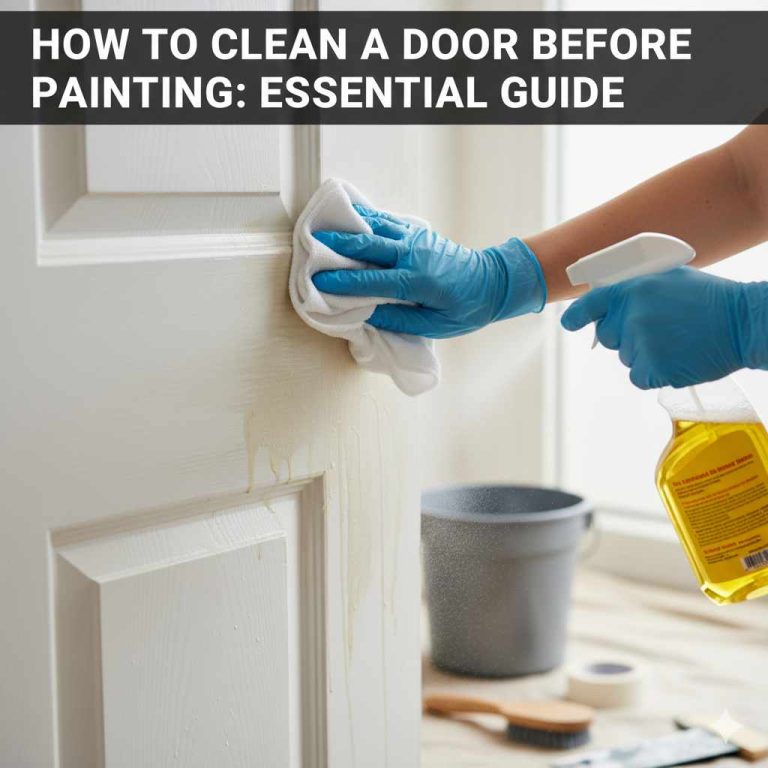
Start by cleaning the surface from dust and dirt. Use a damp cloth or mild soap and water. Removing grease or grime helps paint remover work well. Let the surface dry completely before moving on.
Protecting Surroundings
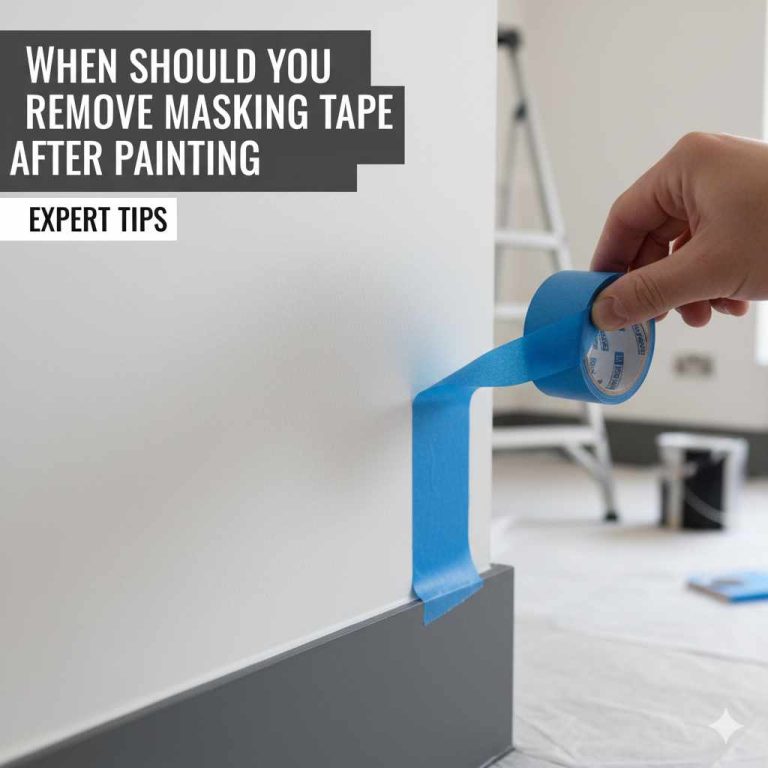
Cover floors and nearby objects with drop cloths or plastic sheets. Tape edges to keep dust and paint chips contained. Protect furniture, plants, and walls from splashes. This step keeps your space neat and damage-free.
Safety Measures
Wear gloves to protect your skin from chemicals. Use goggles to shield your eyes from splashes. Work in a well-ventilated area to avoid breathing fumes. Keep children and pets away during paint removal.
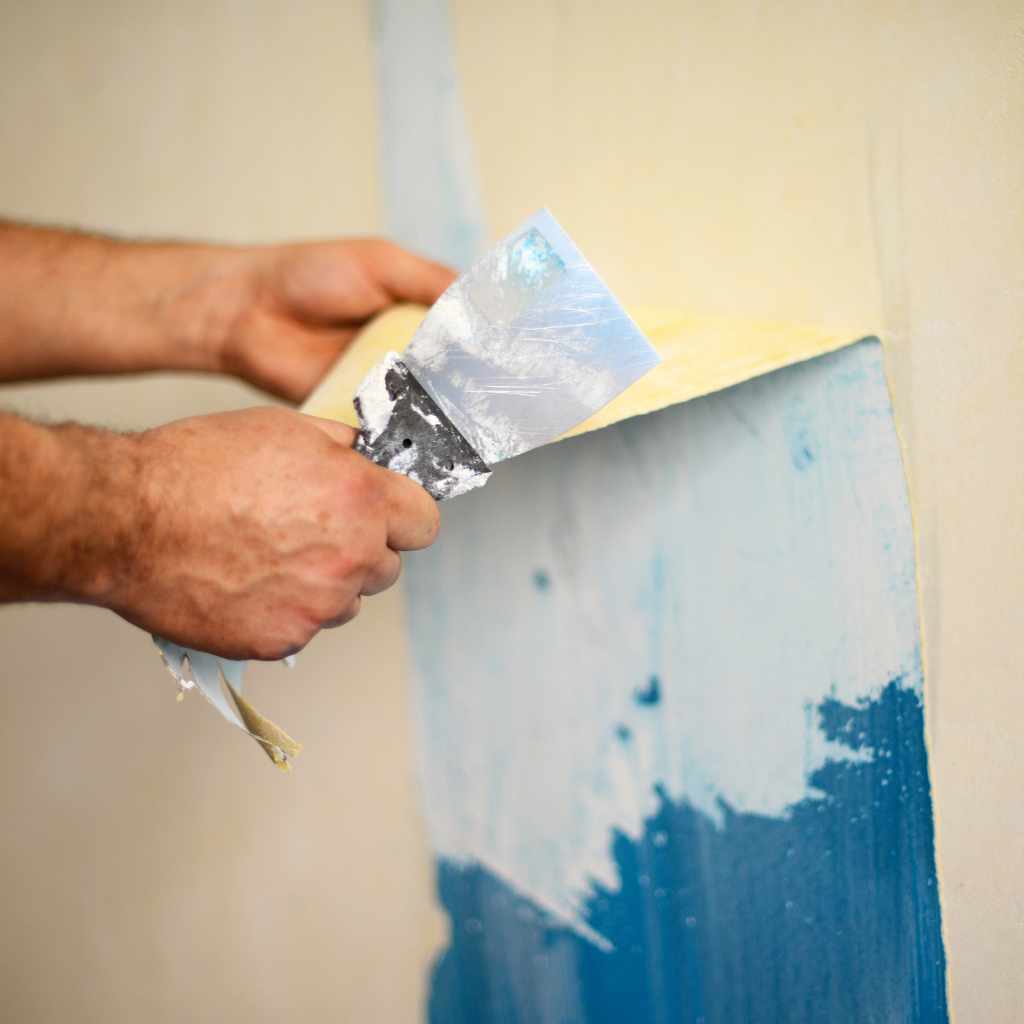
Applying Chemical Paint Removers
Applying chemical paint removers is a common method to strip paint from surfaces. These products help break down paint layers, making removal easier. They work well on wood, metal, and even some plastics. Chemical removers save time and reduce the effort needed for sanding or scraping.
Using the right chemical stripper and technique is important. Safety measures like gloves and ventilation are essential. Follow instructions carefully to protect yourself and the surface.
Types Of Chemical Strippers
Chemical paint removers come in several types. Gel strippers are thick and stick to vertical surfaces. Liquid strippers spread easily on flat areas. Paste strippers are thicker and stay in place longer. There are also environmentally friendly options with low fumes. Choose based on your surface and project size.
Application Techniques
Apply the stripper with a brush or scraper. Spread evenly for consistent results. Avoid thick layers that take longer to dry. Cover the entire painted area fully. Use a plastic scraper to avoid damage. Work in small sections for better control and cleaner removal.
Waiting Time And Removal
Let the chemical stripper sit for the time stated on the label. This varies from 10 minutes to several hours. The paint will bubble or soften when ready. Use a scraper or cloth to remove loosened paint gently. Repeat if some paint remains. Clean the surface with water or recommended solvent afterward.
Using Heat To Strip Paint
Using heat to strip paint is a common and effective method. It softens the paint, making it easier to remove. This technique works well on wood, metal, and other hard surfaces. Heat speeds up the process compared to scraping or sanding alone.
Heat guns are the main tool used. They blow hot air to loosen the paint. This method reduces dust and mess. It also helps reach tricky areas where sanding is hard.
Heat Gun Operation
Hold the heat gun a few inches away from the surface. Move it slowly over the painted area. Watch the paint bubble and soften. Use a paint scraper to lift the softened paint gently. Keep the gun moving to avoid burning the surface.
Avoiding Surface Damage
Do not hold the heat gun too close. Too much heat can scorch wood or melt plastic. Test the heat on a small spot first. Use medium heat settings for delicate surfaces. Protect nearby areas from heat exposure to avoid damage.
Safe Cooling Practices
Let the stripped surface cool before touching it. Hot surfaces can cause burns or smudge the paint. Place the workpiece in a safe area to cool. Clean tools after they cool down to keep them safe. Proper cooling prevents accidents and ensures a clean finish.
Manual Paint Removal Techniques
Manual paint removal techniques are practical for many DIY projects. They require basic tools and some effort. This method is ideal for small areas or delicate surfaces. It gives you control over the process. Manual removal also reduces dust and fumes compared to chemical or heat methods.
Sanding Tools And Tips
Sanding is a common way to remove paint by abrasion. Use sandpaper or sanding blocks for small spots. Electric sanders work faster on large surfaces. Start with coarse grit to remove thick paint. Then switch to fine grit for a smooth finish. Always sand in the direction of the wood grain. Wear a mask to avoid breathing dust. Clean the surface after sanding.
Scraping Methods
Scraping uses a sharp tool to lift paint from the surface. Choose a putty knife or paint scraper with a flat edge. Hold the scraper at a low angle to avoid gouging. Push gently but firmly to peel off paint layers. Work in small sections for better control. Keep the blade sharp for easier removal. Dispose of paint chips safely.
Dealing With Stubborn Paint
Some paint sticks tightly and resists sanding or scraping. Use a combination of scraping and sanding to loosen it. Apply water or mild detergent to soften the paint. Let it sit for a few minutes before scraping again. For very tough spots, use a chemical paint remover carefully. Follow all safety instructions on the product label. Patience and persistence are key to success.
Eco-friendly Paint Removal Options
Removing paint can harm the environment if done with harsh chemicals. Eco-friendly paint removal methods protect nature and keep your space safe. These options use natural ingredients or gentle techniques. They reduce pollution and health risks. Choose these methods for a cleaner, greener way to strip paint.
Natural Paint Strippers
Natural paint strippers use plant-based ingredients. They avoid toxic chemicals found in traditional strippers. Common natural strippers include soy, citrus, and corn-based formulas. These products break down paint without strong fumes. They work well on wood, metal, and plaster. Applying natural strippers is simple and safe for indoor use. Cleanup is easier with less harmful waste. Natural strippers are gentle but effective for most paint types.
Steam And Other Green Methods
Steam paint removal uses hot water vapor to soften paint. It loosens layers for easy scraping without chemicals. Steam works best on wood and detailed surfaces. This method reduces dust and toxic fumes. Other green options include heat guns with controlled temperatures. These tools avoid burning paint and produce less smoke. Sanding with dust collectors also limits environmental impact. Using steam and green tools protects air quality and your health during paint removal.
Post-removal Surface Treatment
After removing paint, the surface needs careful treatment. This step ensures a clean, smooth base for new paint. Proper post-removal care prevents damage and improves paint adhesion. Focus on cleaning, smoothing, and preparing the surface for the next layer.
Cleaning Residues
Leftover paint and dust can ruin your new finish. Use a damp cloth or sponge to wipe the surface clean. Mild soap and water work well. Avoid harsh chemicals that may damage the material. Make sure the surface is dry before the next step.
Sanding For Smoothness
Sanding removes rough spots and old paint traces. Use fine-grit sandpaper for a smooth touch. Sand gently to avoid scratches or dents. This step helps paint stick better and look even. Clean off dust after sanding with a soft brush or cloth.
Preparing For Repainting
Check the surface for cracks or holes. Fill gaps with a suitable filler and let it dry. Lightly sand the filled areas for an even finish. Apply a primer to help new paint adhere well. Make sure the primer is fully dry before painting.
Common Mistakes To Avoid
Removing paint can be tricky. Many people make mistakes that slow down the work or cause damage. Avoiding common errors helps save time and effort. Here are some key mistakes to watch out for.
Using Wrong Tools
Choosing the wrong tools can ruin your project. Scrapers that are too sharp may gouge the surface. Brushes or sanders not made for paint removal can spread mess instead of cleaning. Use tools designed for the type of paint and surface you work on. The right tools make the job easier and cleaner.
Ignoring Safety Precautions
Paint removal can be hazardous. Old paint may contain lead or harmful chemicals. Always wear gloves, goggles, and a mask. Work in a well-ventilated area to avoid breathing fumes. Skipping safety steps risks your health. Protect yourself with proper gear and care.
Rushing The Process
Paint removal takes patience. Rushing causes uneven surfaces or missed spots. It can damage the material underneath. Take time to work carefully and in small sections. Slow and steady ensures the paint comes off cleanly. Quality work needs time, not speed.
Tips For Flawless Results
Removing paint can be tricky without the right approach. Small mistakes can ruin your project. Follow these tips for flawless results. They help you save time and get a smooth finish. Careful steps make the job easier and cleaner.
Choosing The Best Technique
Different surfaces need different paint removal methods. Scraping works well on wood but can damage drywall. Chemical strippers suit metal and some plastics. Heat guns help soften paint for easy removal. Test a small area first to avoid damage. Pick a method that fits your surface and paint type.
Timing And Patience
Let chemicals or heat work fully before scraping. Rushing can cause peeling or gouges. Wait for paint to bubble or soften. Use gentle pressure to lift paint layers. Take breaks to check your progress. Slow and steady gives the best finish.
Maintaining Tools Properly
Clean your scrapers, brushes, and sanders after each use. Remove paint residue to keep tools sharp and effective. Store tools in a dry place to avoid rust. Well-maintained tools make paint removal faster. They also extend the life of your equipment.
Frequently Asked Questions
What Is The Safest Way To Remove Paint From Wood?
Using a chemical paint stripper is the safest way to remove paint from wood. It softens paint without damaging the wood. Always follow safety instructions and wear gloves and a mask. After stripping, gently scrape off the paint with a plastic scraper for best results.
How Can I Remove Paint Without Harsh Chemicals?
You can remove paint without harsh chemicals using heat guns or sanding. Heat guns soften paint, making it easy to scrape off. Sanding removes paint through abrasion but requires careful technique to avoid damaging the surface. Both methods are eco-friendly alternatives.
Which Paint Remover Works Best On Metal Surfaces?
For metal surfaces, a solvent-based paint remover is most effective. It penetrates tough paint layers and prevents rust. Always apply in a well-ventilated area and use protective gear. Follow up with a metal cleaner to restore the surface’s shine.
Can I Use Household Items To Remove Paint?
Yes, household items like vinegar or baking soda can help remove paint. Vinegar softens paint when heated gently, while baking soda works as a mild abrasive. These methods are best for small areas or delicate surfaces and are non-toxic options.
Conclusion
Choosing the best way to remove paint depends on your project. Some methods work better for wood, others for metal or walls. Always use the right tools and safety gear. Test a small area first to avoid damage. Removing paint can be quick or take time.
Patience and care make the job easier. Clean the surface well before repainting. Following these tips will help you get good results. Keep your space safe and ventilated while working. Now, you can remove paint with confidence and ease.