Should You Paint a 200-Year-Old Wrought Iron Fence?
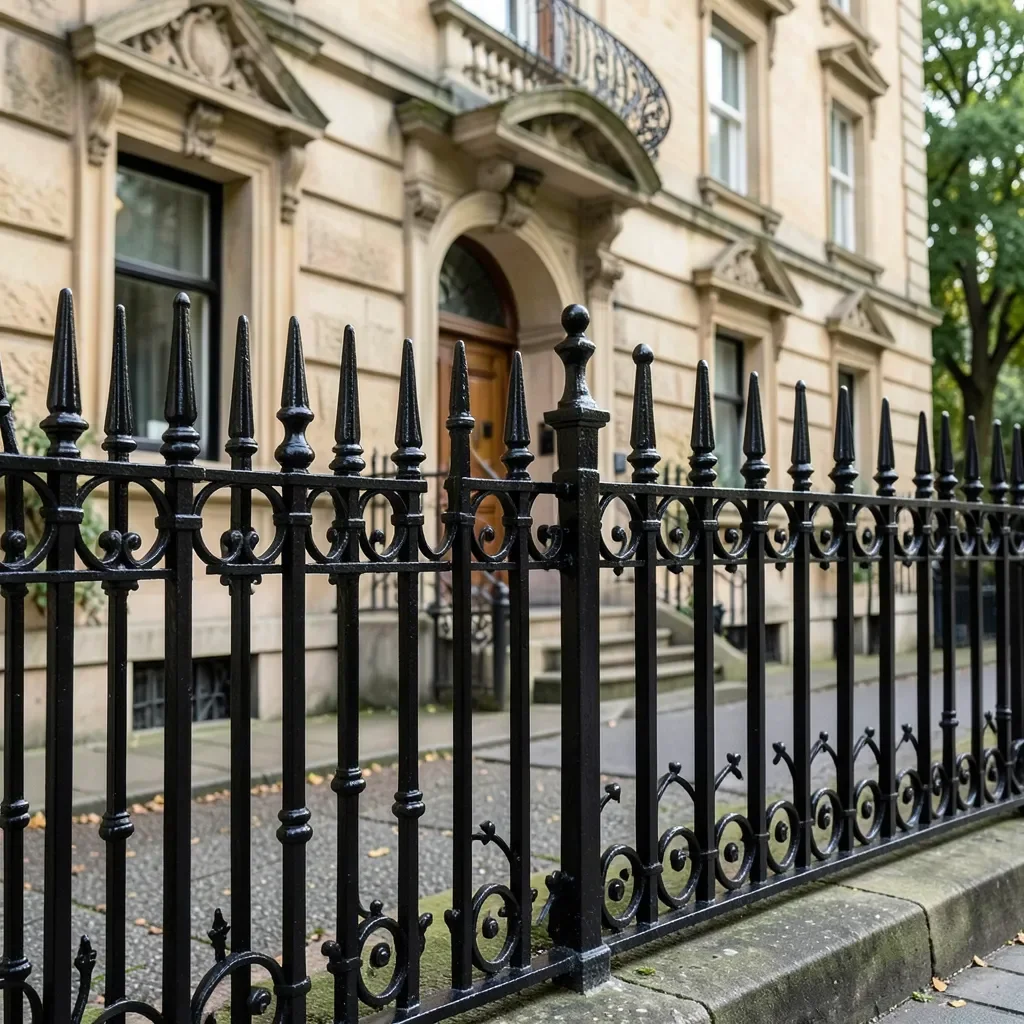
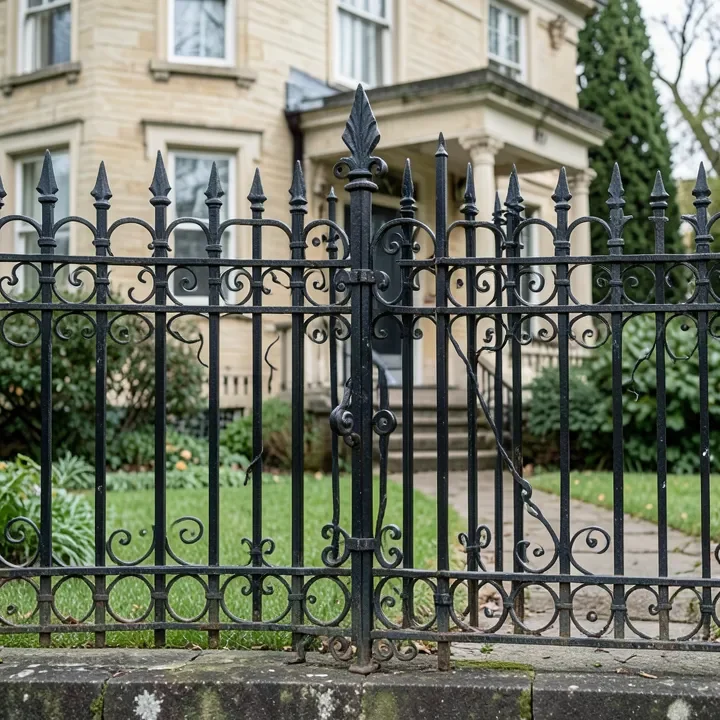
Contrary to what the title of this old page claimed, you should paint a 200-year-old wrought iron fence – leaving antique ironwork bare doesn’t preserve it, it accelerates rust that eventually eats through the metal entirely. Historic preservation guidelines (including the National Park Service’s own standards for treating historic metals) specifically recommend a proper rust-inhibiting paint system for antique ironwork, not leaving it unpainted.
Original Wrought Iron Fences Were Almost Always Painted
Best Primer for Rusted Antique Ironwork
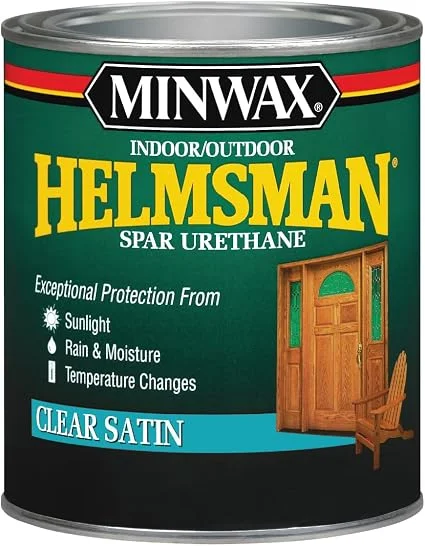 |
Minwax Helmsman Spar Urethane – $23.49 A durable exterior topcoat over a proper rust-inhibiting primer is exactly the paint system this guide recommends to actually protect antique ironwork long-term.
|
Most 18th and 19th century wrought iron fencing was painted from the day it was installed, typically black, both to protect the metal and as the standard finish of the period. A bare, rusted “natural” patina on antique ironwork isn’t historically authentic – it’s the fence actively corroding after its original paint system finally failed, which is why historic preservation projects restore the paint rather than leave the rust.
What Actually Happens Without Paint
Unprotected iron rusts continuously with every wet/dry cycle, and rust doesn’t just sit on the surface – it expands and flakes, gradually reducing the metal’s cross-section until thin decorative elements (finials, scrollwork) can snap off entirely. On genuinely old wrought iron, this isn’t a decades-away concern; thin sections already weakened by a century or two of prior corrosion can fail within a few more unprotected years.
The Right Way to Repaint Historic Ironwork
Remove loose rust and old failing paint down to a sound surface (wire brush or media blasting for heavily corroded sections), apply a rust-converting or rust-inhibiting primer formulated for ferrous metal, then a durable exterior topcoat – skipping the rust-inhibiting primer step and painting directly over active rust is the most common reason a repaint fails within a year or two. For fencing with genuine historic or landmark status, check with a local historic preservation office before major restoration work, since some jurisdictions have specific requirements for treating designated historic ironwork.
Identifying Wrought Iron vs. Cast Iron
True wrought iron (hand-forged, fibrous internal structure) and cast iron (poured into molds, more brittle) both appear in historic fencing and require slightly different care – cast iron is more prone to cracking under impact and shouldn’t be aggressively wire-brushed the way more forgiving wrought iron tolerates, since cast iron’s brittleness makes it more susceptible to stress fractures from vibration during cleaning.
Modern Coating Options Beyond Traditional Paint
Powder coating, applied by a specialty shop rather than a DIY brush-on process, offers significantly longer-lasting protection than liquid paint on removable iron elements like gates or fence sections that can be transported to a coating facility – not practical for a fixed, in-ground fence, but worth considering for a gate or decorative panel that can be removed for the process.
Working With a Preservation Specialist
For fencing with genuine historical significance or landmark designation, a metals conservator experienced specifically in historic ironwork can assess the actual condition and appropriate treatment more accurately than a general contractor – their assessment can also matter for insurance or grant funding purposes tied to a property’s historic status, which a standard paint job wouldn’t address.
Color Choices for Historic Accuracy
Black was overwhelmingly the standard color for historic ironwork, though dark green and dark bronze also appear on some period properties – a local historical society or preservation office can often confirm the documented original color for a specific property or neighborhood if authenticity to the original installation matters beyond general historic practice.
DIY Restoration vs. Hiring a Specialist
Light surface rust and routine repainting are reasonable DIY projects with standard tools, but heavily corroded sections, structural repairs (re-welding broken elements), or fencing with real historic designation status are better handled by a specialist experienced in ironwork restoration, since incorrect welding or overly aggressive cleaning can cause irreversible damage to century-old decorative elements.
Insurance and Liability Considerations
A structurally failing decorative element on a public-facing fence (a sharp broken finial at sidewalk height, for example) is a real liability concern beyond aesthetics – maintaining the ironwork’s structural integrity through proper rust prevention protects against that risk in addition to preserving the fence’s appearance and value.
Frequently Asked Questions
Should you leave antique wrought iron unpainted for authenticity?
No – that’s backwards. These fences were finished in paint from installation, and stripping that protection to bare metal only speeds up the corrosion that damages the ironwork.
What happens if you never paint an old iron fence?
Continuous rust gradually reduces the metal’s thickness until thin decorative sections can crack or snap off entirely – not a cosmetic issue alone, but a structural one over time.
Do you need a special primer for rusted iron before painting?
Yes – a rust-converting or rust-inhibiting primer formulated for ferrous metal. Painting directly over active rust without one is the most common reason a repaint fails early.
Sponsored / affiliate links. As an Amazon Associate I earn from qualifying purchases. I may earn additional commission from eligible campaigns.