Best Way to Remove Paint from Cabinets: Quick & Easy Methods
Are you tired of looking at chipped, outdated paint on your cabinets? Removing paint can feel like a big, messy job, but it doesn’t have to be that way.
Imagine transforming your cabinets quickly and easily, revealing the beautiful wood underneath or preparing them for a fresh new look. You’ll discover the best way to remove paint from cabinets without wasting time or money. Keep reading to find simple, effective methods that anyone can use—no special skills required.
Your cabinets will thank you!
Types Of Paint On Cabinets
Paint on cabinets comes in different types. Knowing the paint type helps to remove it properly. Each paint type reacts differently to removal methods. Some paints peel easily, while others need stronger tools or chemicals. Understanding these differences makes the job easier and protects your cabinets from damage.
Latex Paint
Latex paint is water-based and common on cabinets. It dries quickly and cleans up with soap and water. Removing latex paint is easier than other types. You can use warm water, soap, or gentle scrapers. Paint strippers made for water-based paint also work well.
Oil-based Paint
Oil-based paint is tougher and lasts longer. It uses chemicals that make it hard to remove. Paint removers with strong solvents work best. Scraping may be needed after softening the paint. Use gloves and work in a ventilated area for safety.
Chalk Paint
Chalk paint has a matte, chalky finish. It sticks to surfaces with little prep. Removing chalk paint can be simple with sanding or light scraping. Some gentle paint strippers can help if the paint is thick. It usually peels off easier than oil-based paint.
Safety Tips Before Starting
Removing paint from cabinets can be messy and hazardous. Safety must come first. Taking precautions protects your health and home. Follow simple steps before starting the job.
Protective Gear
Wear gloves to protect your skin from chemicals. Use safety goggles to shield your eyes from splashes. A mask or respirator stops you from breathing harmful fumes. Dress in old clothes that cover your arms and legs.
Ventilation
Open windows and doors to let fresh air in. Use fans to push fumes outside. Avoid working in small, closed rooms. Good air flow reduces harmful chemical build-up and makes breathing easier.
Work Area Preparation
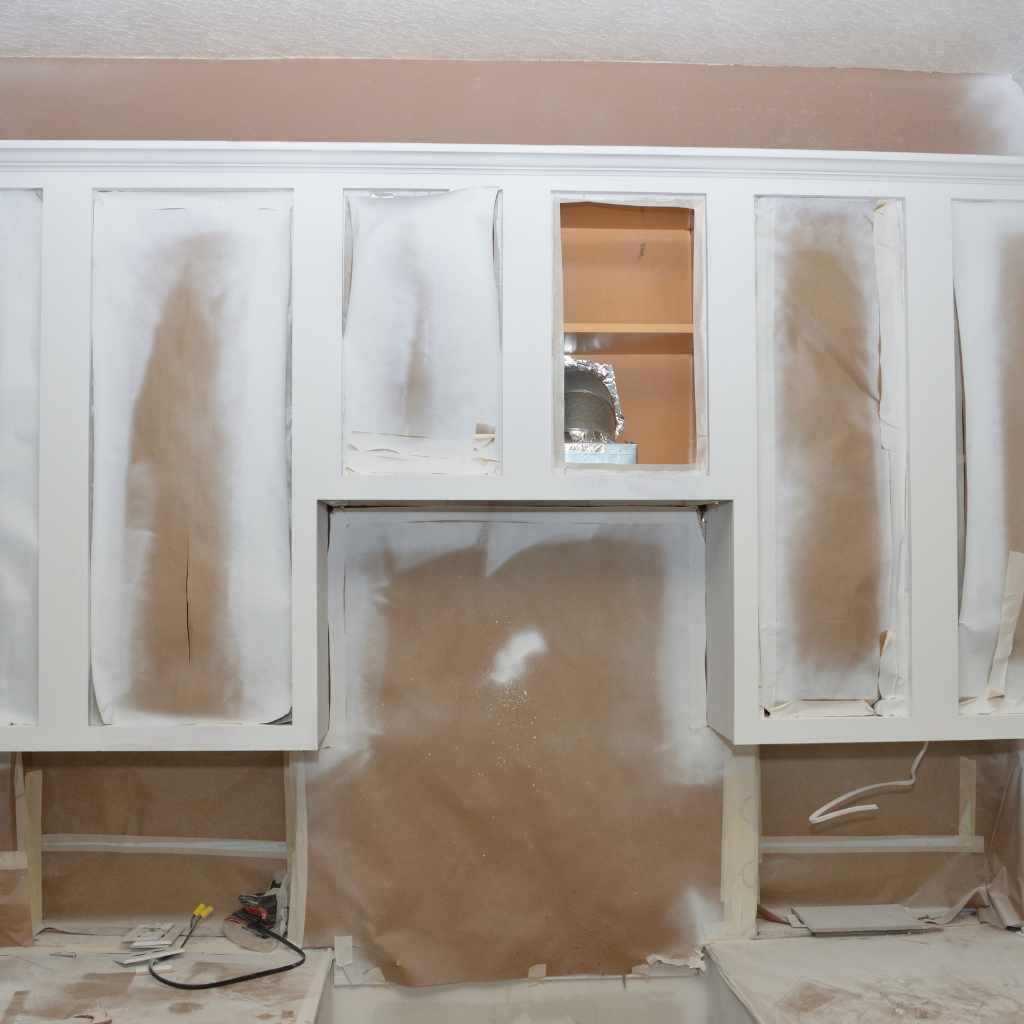
Clear the area of furniture and items. Cover floors and nearby surfaces with drop cloths or plastic sheets. Keep children and pets away. Prepare a safe, clean space to work without distractions.
Chemical Paint Strippers
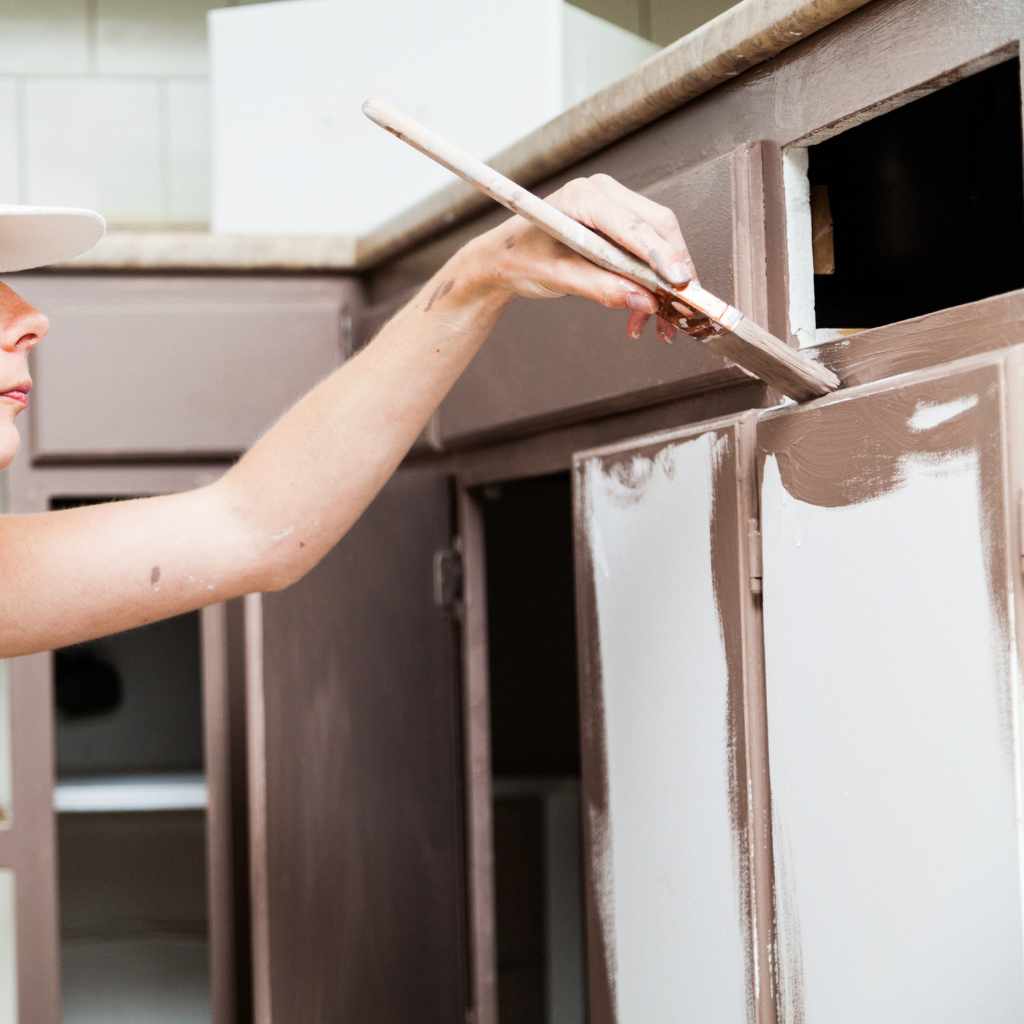
Chemical paint strippers are a popular choice for removing paint from cabinets. They work by softening or dissolving the paint, making it easier to scrape off. This method saves time and effort compared to sanding or scraping alone. Different types of strippers suit different paints and surfaces. Using the right one ensures the best results without damaging the cabinet wood.
Choosing The Right Stripper
Select a stripper made for the paint type on your cabinets. Water-based strippers are safer and easier to clean. Solvent-based strippers work faster but may have strong fumes. Look for low-odor or non-toxic options for indoor use. Always read product labels and instructions carefully. Test the stripper on a small, hidden area first. This helps check for any damage or discoloration.
Application Techniques
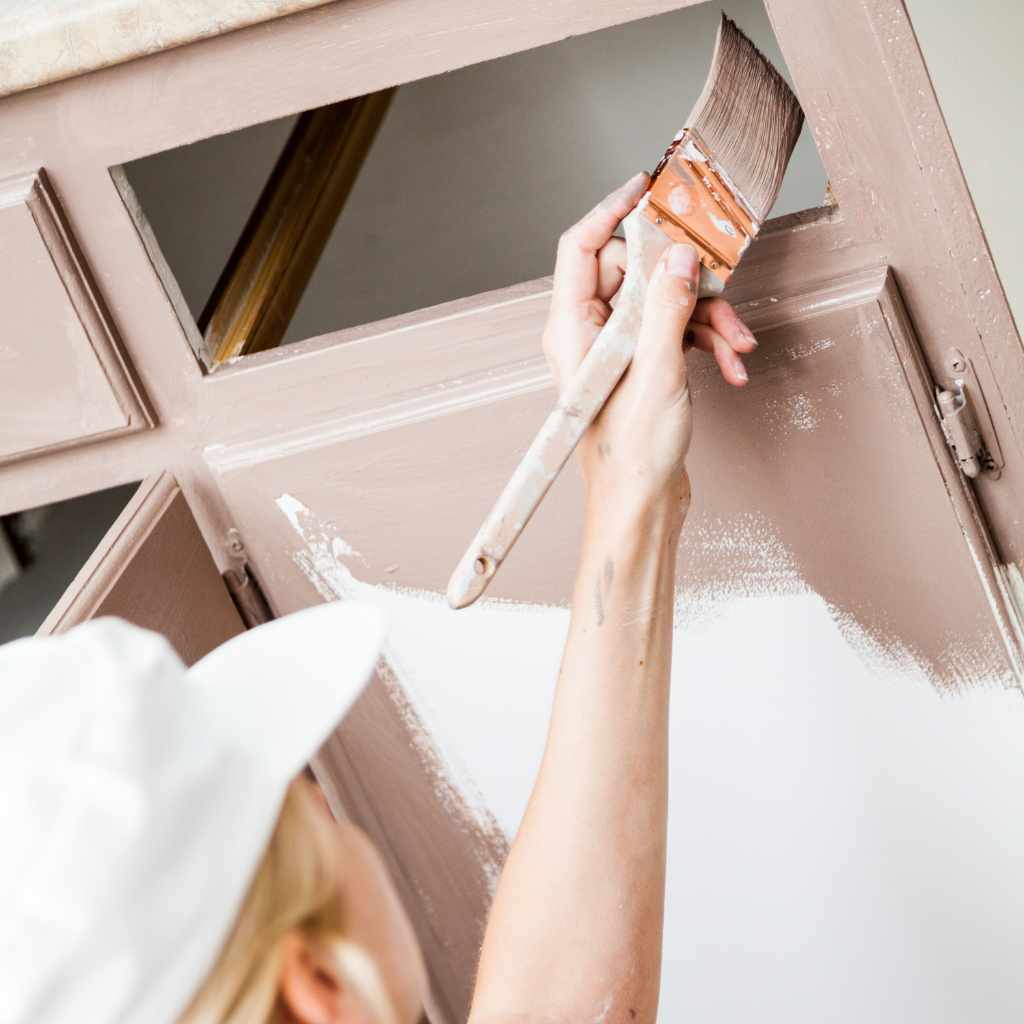
Apply the stripper evenly with a brush or sponge. Use a thick layer to cover the paint completely. Let it sit for the time recommended on the label. Watch the paint bubble or peel as the stripper works. Avoid letting the stripper dry on the surface. Use a plastic scraper to remove the softened paint gently. Repeat the process for stubborn or thick paint layers.
Cleanup Process
Remove all paint residue and stripper with a damp cloth or sponge. Some strippers need water to neutralize their chemicals. Follow the product instructions for proper cleanup steps. Dispose of paint scraps and rags safely to avoid fire hazards. After cleanup, let the cabinets dry completely before refinishing. Proper cleanup protects your health and prepares surfaces for new paint.
Heat Gun Method
The heat gun method is a popular way to remove paint from cabinets. It uses hot air to soften the paint. This makes the paint easier to scrape off. This method works well on wood and other hard surfaces. It is faster than sanding and less messy than chemical strippers.
Using A Heat Gun Safely
Always wear gloves and eye protection when using a heat gun. Keep the gun moving to avoid burning the wood. Do not hold the gun too close to the surface. Use the lowest heat setting that softens the paint. Work in a well-ventilated area to avoid inhaling fumes.
Scraping Paint
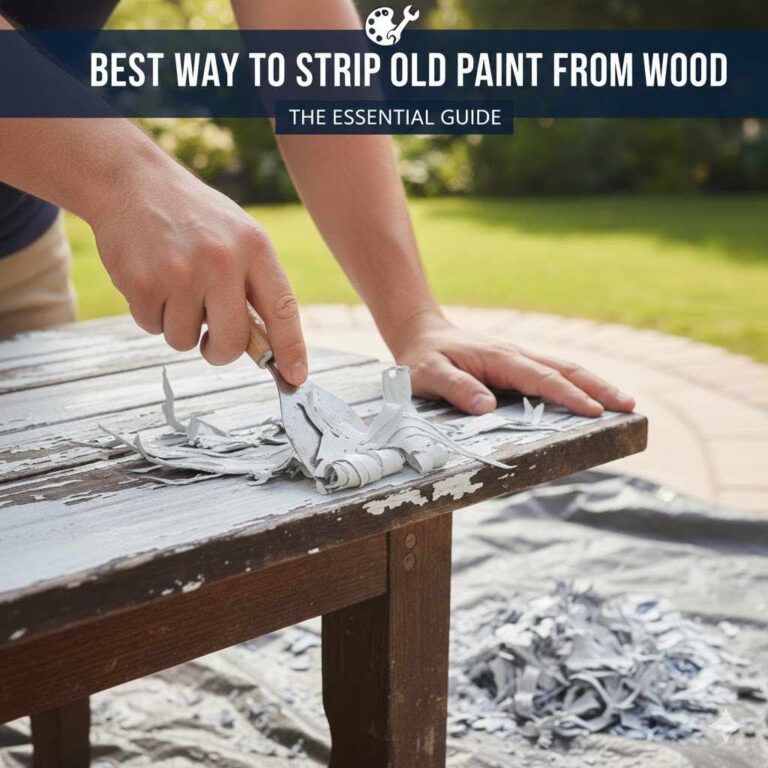
After softening the paint, use a putty knife or scraper. Gently lift the paint without damaging the wood. Work in small sections for better control. Wipe away any paint residue with a damp cloth. Repeat heating and scraping if needed for stubborn spots.
Advantages And Drawbacks
The heat gun method is quick and chemical-free. It reduces dust and strong odors. It works well on detailed cabinet surfaces. On the downside, it requires careful handling to avoid burns. It may not remove all paint layers at once. Some finishes can scorch if overheated.
Sanding Techniques
Sanding is a key step in removing paint from cabinets. It helps smooth the surface and prepares it for a new finish. Good sanding can save time and effort in later steps. Choosing the right technique makes the job easier and cleaner.
Hand Sanding Vs. Power Sanding
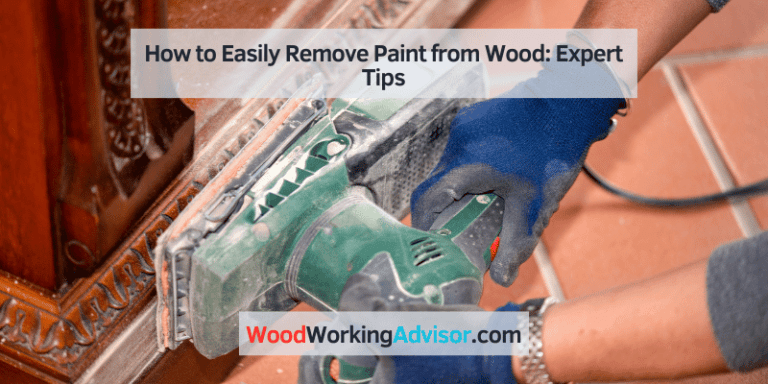
Hand sanding gives you control in tight spots and corners. It is gentle and less likely to damage wood. Power sanding works fast on large flat areas. It removes paint quickly but can be rough if not careful. Pick hand sanding for detail work. Use power sanding for broad surfaces.
Choosing The Right Grit
Start with coarse grit to remove thick paint layers. Then switch to medium grit to smooth the surface. Finish with fine grit for a clean, even finish. Using the correct grit saves time and prevents scratches. Always sand in the direction of the wood grain.
Dust Management
Sanding creates a lot of dust that can irritate eyes and lungs. Use a vacuum or dust collector to catch dust while sanding. Wear a mask to protect your breathing. Cover nearby furniture to keep dust away. Clean the workspace regularly to avoid buildup.
Natural And Eco-friendly Methods
Natural and eco-friendly methods offer a gentle way to remove paint from cabinets. These options avoid harsh chemicals and reduce environmental impact. They are safe for indoor use and easy to find at home or local stores. These methods work best on small projects or light paint layers.
Vinegar And Baking Soda
Vinegar softens old paint, making it easier to scrape off. Heat the vinegar until warm but not boiling. Apply it to the painted surface with a brush or cloth. Let it sit for 10 to 15 minutes. Use a scraper to remove the softened paint. Baking soda can boost this method. Mix baking soda with water to make a paste. Apply the paste over the vinegar-treated area. This combination helps break down paint without damage.
Citrus-based Strippers
Citrus-based paint strippers use natural oils from citrus fruits. They smell fresh and are less toxic than traditional strippers. Apply the gel or liquid to the cabinet surface. Let it work for the time stated on the label, usually 15 to 30 minutes. Use a scraper or brush to remove the paint. Citrus strippers work well on latex and oil-based paints. They also clean residue left after scraping.
Effectiveness And Limitations
Natural methods are safer but may need more time. They work best on thin, older paint layers. Thick or multiple layers might need repeated treatments. These methods require patience and gentle scraping. They may not remove all paint in one session. For heavy paint jobs, stronger products might be necessary. Still, natural options protect your health and the environment.
Tips For Preventing Paint Damage
Preventing paint damage is key when removing paint from cabinets. Careful steps protect the wood and keep cabinets looking good. Follow simple tips to avoid scratches, chips, and stains during the process. Taking time and using the right methods makes a big difference.
Gentle Tools
Use soft tools to avoid scratching the surface. Plastic scrapers work better than metal ones. Soft cloths help wipe paint gently without damage. Avoid harsh brushes or sharp objects that can gouge the wood.
Test Spots
Try paint removal on a small, hidden area first. This shows how the cabinet reacts to the remover. It helps find the safest method before full use. Testing spots reduces the risk of unwanted damage or discoloration.
Multiple Thin Layers
Remove paint in several thin layers, not one thick layer. Thin layers peel off easier and cause less harm. Patience here keeps the cabinet surface smooth and intact. Rushing can lead to deep scratches and uneven finishes.
Aftercare For Cabinets
After removing paint from cabinets, proper aftercare is essential. It helps prepare the surface for a smooth, lasting finish. Taking the right steps ensures your cabinets look great and last longer.
Cleaning Residue
Removing paint leaves behind dust and chemicals. Use a damp cloth to wipe the surface clean. Avoid soaking the wood. Let the cabinets dry completely before the next step.
Sanding Smooth
Light sanding smooths rough spots and old paint traces. Use fine-grit sandpaper for best results. Sand in the direction of the wood grain. This creates a clean, even surface for painting.
Priming For New Paint
Priming seals the wood and improves paint adhesion. Choose a primer suited for your cabinet material. Apply a thin, even coat and let it dry fully. This step protects cabinets and ensures a fresh look.
Frequently Asked Questions
What Is The Safest Way To Remove Paint From Cabinets?
The safest way is using a chemical paint stripper designed for wood. Wear gloves and work in a ventilated area. Avoid harsh sanding to prevent damage to the wood surface.
Can I Use Heat Guns To Strip Paint From Cabinets?
Yes, heat guns soften paint for easy scraping. Use moderate heat to avoid burning the wood. Always wear protective gear and work slowly to prevent damage.
How Do I Remove Paint Without Damaging Cabinet Wood?
Use gentle chemical strippers or sanding with fine-grit sandpaper. Test a small area first. Avoid aggressive scraping or harsh chemicals that can harm the wood finish.
What Tools Work Best For Cabinet Paint Removal?
Chemical paint strippers, heat guns, plastic scrapers, and fine-grit sandpaper work best. These tools remove paint efficiently without scratching or damaging the wood.
Conclusion
Removing paint from cabinets takes patience and the right method. Choose a safe paint remover or try sanding carefully. Work in small sections for best results. Always protect your skin and eyes while working. Clean the surface well before repainting or staining.
This process helps cabinets look fresh and new again. With the right steps, old paint comes off smoothly. Your cabinets will shine with a clean, smooth finish. Keep tools ready and follow safety tips for success.