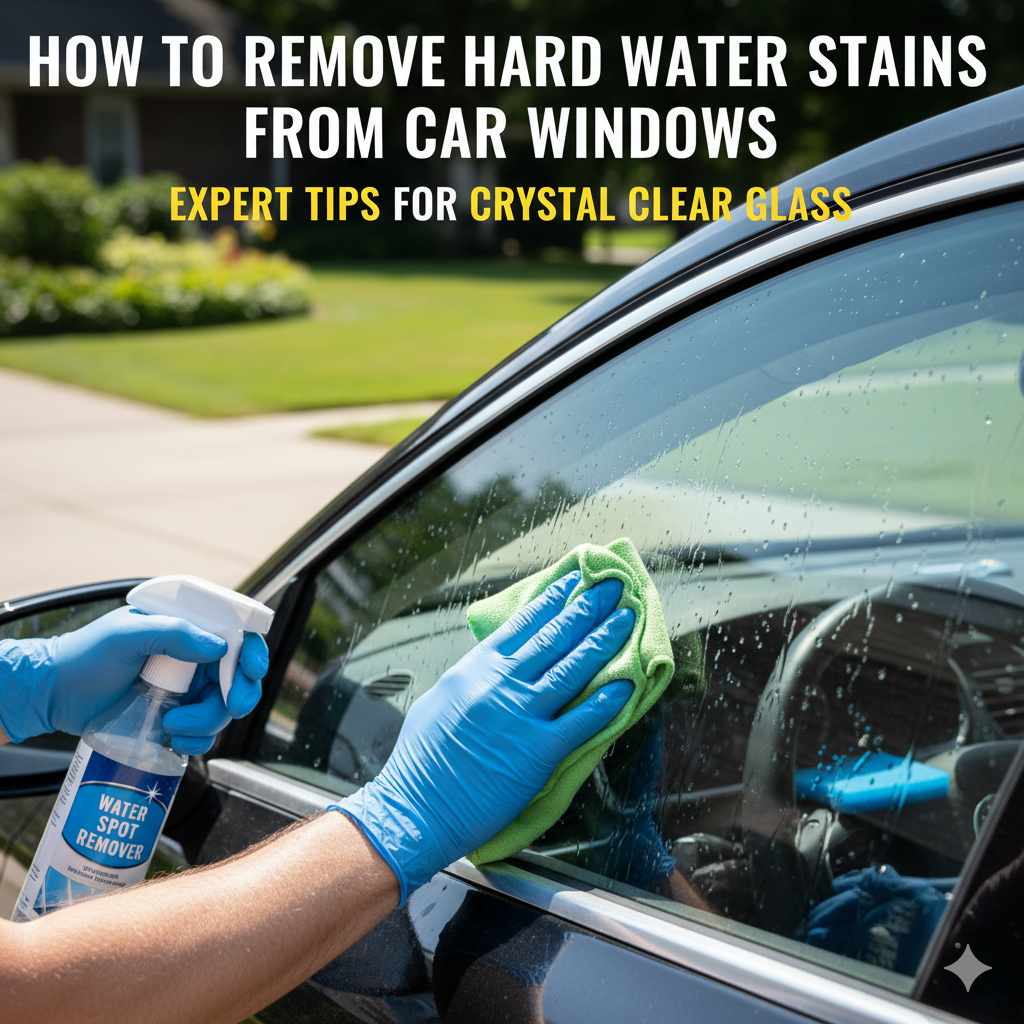
How to Remove Hard Water Stains From Car Windows
Equal parts white vinegar and water dissolve most hard water stains from car windows in 15 to 30 minutes — but mineral deposits left for several weeks can etch permanently into the glass. Etched glass cannot be wiped clean; it needs professional polishing or, in the worst cases, a windshield replacement that can run $150 to $1,500+. This guide covers the right removal method for light, moderate, and severe stains, plus how to stop new spots from forming.
[Insert Affiliate Disclosure reusable block here]
What Causes Hard Water Stains on Car Windows?
Best Hard Water Stain Remover Pick
Meguiar’s A3714 Water Spot Remover
A dedicated water-spot remover and polish built specifically for glass and clear-coat, not a general-purpose cleaner.
- Best for: Moderate stains that vinegar didn’t fully clear
- Why we picked it: A trusted detailing brand made specifically to dissolve mineral deposits without scratching glass
- Main drawback: Won’t buff out glass that has already etched — that needs a cerium-oxide polish
Compare more hard water stain remover options
 Option 1 Chemical Guys Water Spot Remover Gel
|
 Option 2 Invisible Glass Cerium Oxide Kit
|
 Option 3 Rain-X X-treme Clean Glass Cleaner
|
As an Amazon Associate we earn from qualifying purchases.
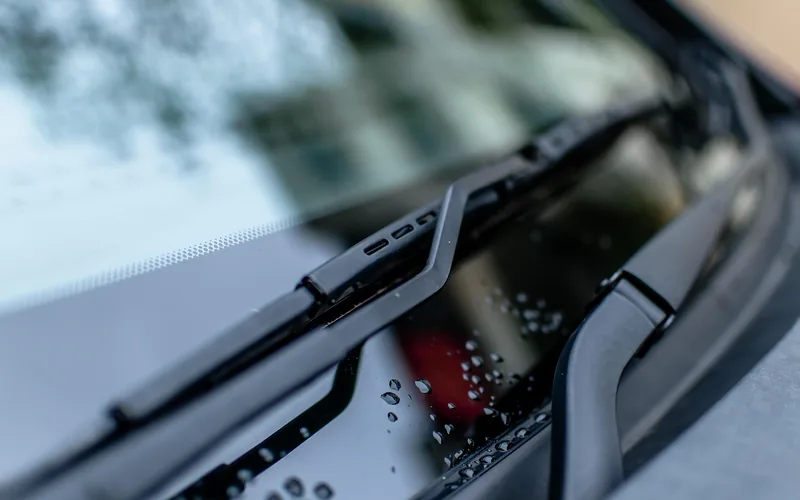
Hard water stains are mineral deposits — mostly calcium and magnesium carbonate — left behind after water evaporates off the glass. According to the U.S. Geological Survey, water is classified as hard once it carries 121–180 mg/L of dissolved calcium carbonate, and “very hard” above 180 mg/L; sprinkler water and unfiltered tap water used to rinse a car both fall in this range in much of the country. The minerals themselves are harmless to skin, but once the water dries, they crystallize on the glass surface as a white, cloudy film that plain water alone won’t rinse away.
Why Timing Matters: When Water Spots Become Permanent Etching
A fresh water spot is just a mineral film sitting on top of the glass, and it wipes off easily. Left in direct sun for repeated wet-dry cycles — typically several weeks to a few months, faster in hard-water regions — those same minerals can begin etching microscopically into the glass surface itself. At that point no amount of scrubbing removes them, because the damage is no longer on the glass, it’s in it.
According to AAA Automotive, windshield repair runs roughly $60–$100 for a small fix, while full replacement typically costs $150 to over $1,500 depending on the vehicle and glass type. Catching hard water stains before they etch is the difference between a $10 bottle of vinegar and a repair bill with three digits.
Best Removal Method by Stain Severity
Not every hard water stain needs the same treatment. Matching the method to how long the spots have been sitting saves time and avoids scrubbing harder than the stain requires.
| Stain Severity | What It Looks Like | Best Method | Time Needed |
|---|---|---|---|
| Light | Faint white haze, smooth to the touch, a few days old | 50/50 vinegar-and-water spray | 15–30 minutes |
| Moderate | Visible spots, present for weeks to a few months | Cleaning vinegar soak + baking soda paste scrub | 30–60 minutes, may take 2 rounds |
| Severe | Rough or gritty to the touch, present 6+ months, slightly dulls light through the glass | Cerium-oxide glass polish or lubricated 0000 steel wool; professional polish if that fails | 1–2 hours, or a shop visit |
What You’ll Need
- Distilled white vinegar (or cleaning vinegar for moderate/severe stains)
- Spray bottle
- Microfiber cloths (at least two — one for scrubbing, one for drying)
- Baking soda, for a paste on moderate stains
- Rubber gloves
- Cerium-oxide glass polish or 0000-grade steel wool, for severe stains only
How to Remove Hard Water Stains From Car Windows, Step by Step
- Wash the window first: rinse off loose dirt and dust with plain water and a soft cloth so grit doesn’t scratch the glass while you work on the mineral deposits.
- Mix and apply the vinegar solution: combine equal parts distilled white vinegar and water in a spray bottle — use straight cleaning vinegar for moderate stains — and saturate the stained area completely.
- Let it dwell: give the solution 15 to 30 minutes to break down the calcium and magnesium bonds; re-spray if it starts to dry before that.
- Scrub in circular motions: use a soft microfiber cloth or a non-scratch sponge, rinsing it often so you’re not just spreading the dissolved minerals around the glass.
- Rinse and dry immediately: flush with clean water and dry with a separate microfiber towel — leftover moisture just creates new spots as it evaporates.
- Repeat or escalate: if spots remain after two rounds, move to a baking-soda paste or a cerium-oxide polish before assuming the stain has etched permanently.
When to Use a Commercial Glass Cleaner or Polish
Vinegar handles most light and moderate stains, but it won’t touch deposits that have already started etching. That’s when a dedicated glass polish earns its price: commercial removers built around oxalic or phosphoric acid dissolve minerals faster than vinegar, and cerium-oxide polishes physically buff out shallow etching that acid alone can’t reach. Test any commercial product on a small, hidden corner of the glass first — acid-based formulas can dull tint film or trim if they run.
Tools for Stubborn or Severe Stains
When vinegar and a commercial remover both fail to fully clear a spot, the stain has usually started etching. Two detailer-grade tools handle this without replacing the glass:
- Lubricated 0000-grade steel wool: the finest steel wool grade is soft enough not to scratch automotive glass when used wet with plenty of soapy water, and it physically breaks up bonded mineral crust that vinegar can’t dissolve.
- A plastic razor blade or scraper, held nearly flat: at a shallow angle against wet glass, this shaves off crusted deposits without gouging the surface — never use a metal blade, and never work it at a steep angle.
- Cerium-oxide polish on a buffing pad: the same rare-earth compound opticians use to polish lenses, it grinds out shallow etching that no chemical alone can remove.
If the glass still looks cloudy under direct light after trying all three, the etching has gone past what a DIY fix can correct, and it’s worth a quote from an auto glass shop before the visibility issue becomes a safety one.
How to Prevent Hard Water Stains From Coming Back
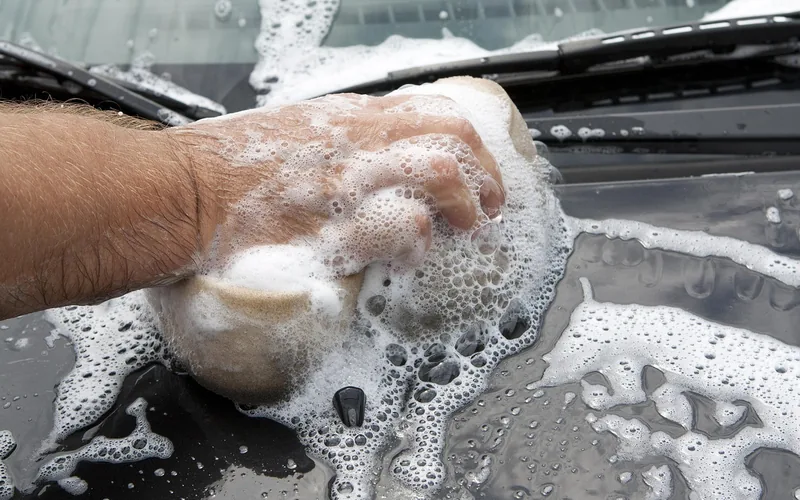
- Dry the glass after every wash or rain: water that air-dries is what leaves minerals behind — a squeegee or microfiber towel removes it before it evaporates.
- Apply a water-repellent glass treatment: a rain-repellent coating makes water bead and roll off instead of sheeting and drying flat, which cuts down how much mineral film ever forms.
- Avoid parking under sprinklers: sprinkler systems typically use unfiltered, harder water than a hose, and they hit the same panel daily.
- Wash on a regular schedule: cleaning every one to two weeks keeps mineral film from building up long enough to start bonding to the glass.
Common Mistakes That Make Hard Water Stains Worse
Scrubbing harder is the most common mistake — it can introduce fine scratches without actually removing more mineral deposit, since the problem is chemical bonding, not surface dirt. Metal scrapers and abrasive pads cause the same problem faster. Skipping the rinse step after any acid-based cleaner (vinegar included) leaves a residue film that attracts new spots almost immediately. And letting a commercial acid-based remover run down onto trim, paint, or window tint can etch or discolor those surfaces even faster than it removes the glass stain — always mask nearby trim or work top-down with a controlled spray, not a heavy pour.
Frequently Asked Questions
How do you get hard water stains off car windows?
Mix equal parts distilled white vinegar and water in a spray bottle, saturate the stains, and let it sit for 15 to 30 minutes before scrubbing with a soft microfiber cloth. Rinse thoroughly and dry with a separate towel. For spots that don’t fully clear, repeat once before moving to a commercial glass polish.
Does WD-40 remove water spots on car glass?
WD-40 can loosen light water spots and leaves a temporary water-repellent film, but it is a lubricant, not a mineral dissolver, so it won’t clear bonded or etched deposits. It also leaves an oily residue that smears under wipers, so rinse and dry the glass thoroughly afterward and avoid it on tinted windows.
How do you remove really old hard water stains from a window?
Old, crusty stains have usually started bonding to the glass, so a quick vinegar wipe often isn’t enough. Soak the area with cleaning vinegar for a full 30 minutes, scrub with a baking-soda paste, and if the glass still feels rough afterward, move to a cerium-oxide polish or lubricated 0000 steel wool before assuming it’s permanently etched.
Does CLR remove hard water stains from car windows?
Yes — CLR (Calcium, Lime & Rust remover) works as a stronger descaler than vinegar on bonded mineral deposits. Dilute it, apply with a cloth rather than spraying it on, and rinse immediately with cold water, since undiluted CLR can etch chrome and trim if it’s allowed to sit or run.
How long can hard water spots sit before they become permanent?
There’s no fixed deadline, but spots typically move from “wipes off easily” to “starting to etch” somewhere between a few weeks and a few months of repeated wet-dry cycles in direct sun, faster in hard-water regions. Once the glass feels rough or gritty rather than smooth under a fingernail, some etching has likely already begun.
Removing hard water stains from car windows comes down to matching the method to the stain: vinegar for anything recent, a baking-soda paste or commercial remover for stains that have sat a few weeks, and a cerium-oxide polish for spots that already feel rough. Drying the glass after every wash and adding a water-repellent coating are what actually keep the spots from coming back. Catch it early and the whole job costs a bottle of vinegar and half an hour — wait too long and the mineral deposits can etch into the glass permanently.
Sponsored / affiliate links. As an Amazon Associate I earn from qualifying purchases. I may earn additional commission from eligible campaigns.