Should You Paint Inside Cabinets? Only Sometimes
Painting the inside of cabinets is only necessary in certain cases: open shelving and glass-front doors show the interior, so they’re worth painting, while closed solid-door cabinets can usually skip it to save time and money — except moisture-prone spots like under-sink cabinets, which benefit from a protective coat.
Painting cabinets is more than just a routine DIY task; it’s an opportunity to transform your space, making it feel new and exciting. But how do you decide what’s right for your home? Imagine opening your cabinets to find the same stunning color inside, creating a seamless and polished look, or opting for a contrasting hue that adds an unexpected splash of personality.
Each choice offers its own set of benefits and challenges, and understanding these can save you time, money, and effort. Let’s walk through exactly when painting the inside pays off, and when it’s smarter to leave it alone.

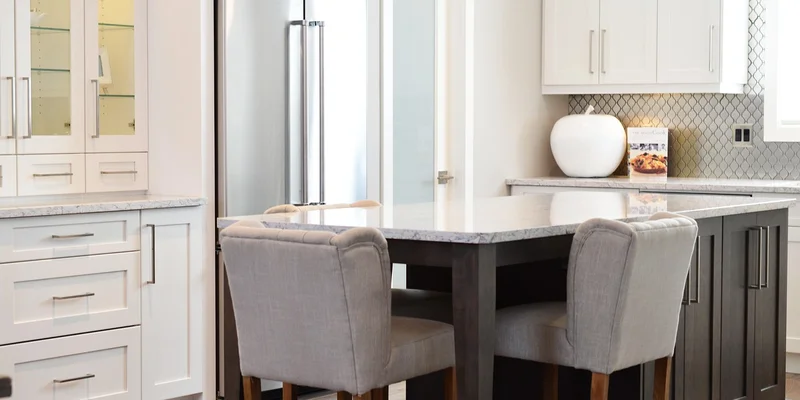
Credit: papermoonpainting.com
Pros And Cons Of Painting Inside Cabinets
Quick Answer
Paint cabinet interiors only if they are visible: open shelving, glass-front doors, or display cabinets. Closed solid-door cabinets rarely need it. Under-sink and moisture-prone cabinets are the one exception where a sealed, painted interior is worth the extra work even behind closed doors.
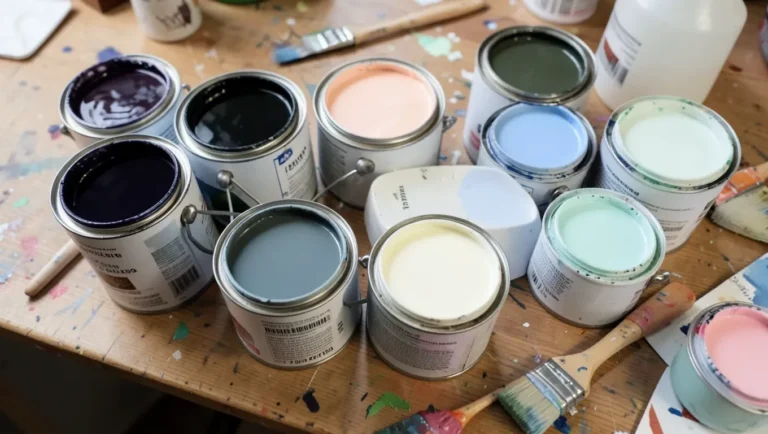
Painting the inside of cabinets can make them look fresh and new. It helps in hiding old stains and scratches. This makes the cabinet look cleaner. A painted interior can also protect wood from moisture and damage. It can be a way to add a pop of color, especially behind glass-front doors or on open shelving where the interior is part of the room’s look. Painted interiors can help to brighten up a dark kitchen by reflecting more light.
Painting inside cabinets takes more time and adds real labor to the project, since interior surfaces need the same prep as the outside (cleaning, sanding, priming), just in tighter, harder-to-reach spaces. There is also a practical issue professional painters call “blocking”: stacked plates, glasses, and dishware can stick to freshly painted interior surfaces, and pulling them off can peel the finish if the paint has not fully cured (this typically takes several weeks longer than surface-dry time). If you change your mind later, removing paint from the interior is hard and can damage the wood underneath.
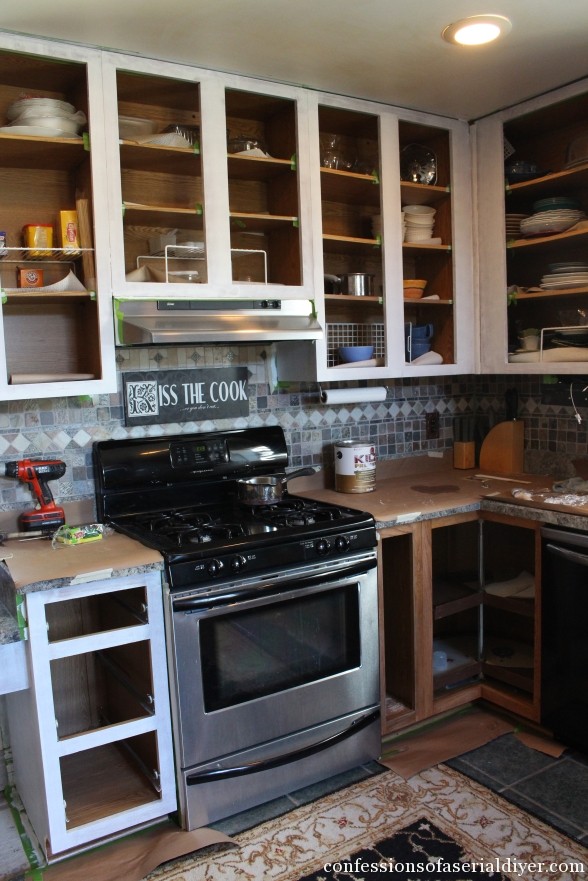
Credit: www.confessionsofaserialdiyer.com
Decision Framework: Does Your Cabinet Type Need Interior Paint?
Not every cabinet needs the same treatment. Use this quick framework before committing to painting every interior surface in the kitchen:
- Open shelving or open-front cabinets: Paint the interior. It is fully visible and becomes part of the room’s design.
- Glass-front cabinets: Paint the interior, ideally the same color as the exterior for a clean, uniform look, especially if the cabinet is lit from inside.
- Closed solid-door cabinets (upper and lower, everyday use): Skip it. Most people never see the inside, and leaving bare, clean wood is a normal, professional-grade result.
- Under-sink and moisture-prone cabinets: Paint it, but with a moisture-resistant or waterproof-rated product, paying attention to sealing joints, corners, and pipe penetrations where water actually gets in.
- Pantry or deep storage cabinets: Optional. Painting can help you see dark corners better, but it is a cosmetic choice, not a functional one.
For the general repaint process on doors, drawers, and frames, see our full how to paint kitchen cabinets guide; this article focuses specifically on the interior decision.
Materials And Tools Needed
Every painter needs the right tools. Start with sandpaper to make surfaces smooth. Use a primer for better paint stick. Brushes or rollers help paint evenly. Have a drop cloth to protect floors. Painter’s tape is useful for clean lines.
Pick a paint made specifically for cabinets rather than standard wall paint, since cabinet-rated enamels cure into a harder, more scrubbable finish that resists chipping and moisture, which matters more inside a cabinet box than on a wall. See our full cabinet paint vs wall paint comparison for why this matters. Choose from gloss or semi-gloss for interiors that see moisture or heavy use. Light interior colors make dark cabinets feel bigger and easier to see into; dark colors look dramatic but can hide crumbs and stains and make it harder to find items in low light.
Recommended Cabinet Paint & Sprayer
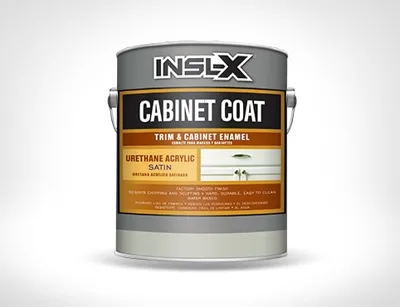
INSL-X Cabinet Coat Urethane Acrylic Enamel (1 Gallon)
A cabinet-specific enamel that self-levels for a brush-free look and holds up to daily kitchen wear on both interiors and exteriors.
Check Price on Amazon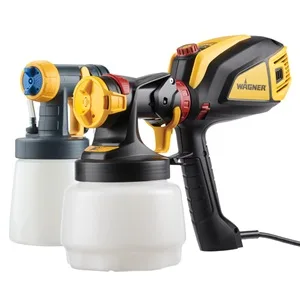
Wagner FLEXiO 3500 HVLP Sprayer
Sprays unthinned latex paint directly from the can, the easiest way to reach tight interior cabinet corners evenly without brush marks.
Cost And Time: What Painting The Inside Really Adds
Painting cabinet interiors is not just “a little extra paint”; it adds real labor. A full professional cabinet repaint, interior and exterior, typically runs $5,000 to $9,000 for an average kitchen, and labor accounts for 60-80% of that total cost because prep work, not paint, is what takes the time (Caldwell Painting). Expect a full repaint to take 3 to 7 days, with interiors adding extra hours per cabinet box since painters are working inside a confined space rather than a flat door. If your budget or timeline is tight, skipping closed-door interiors is the easiest way to cut both cost and days without changing how the kitchen looks.
Preparing Cabinets For Painting
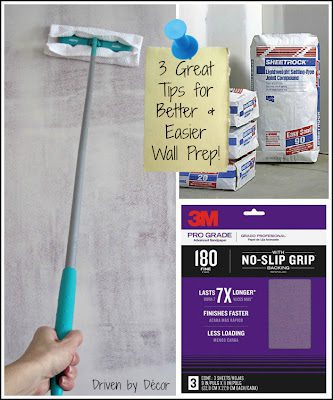
Start by cleaning the cabinets well. Use a mild cleaner to remove dirt. Grease and grime must be gone. Dry with a clean cloth. Next, sand the surface gently. Sanding helps the paint stick better. Use fine sandpaper for a smooth finish. Always sand in the wood’s direction. This avoids scratches.
Take off the cabinet doors and shelves. Use a screwdriver for this task. Label each piece to remember where they belong. Keep screws in a safe place. This step makes painting easier. It also ensures a neat job. Painting separately gives a smooth finish. It prevents paint from dripping.
Techniques For Painting Inside
Choosing the right method is important. A brush gives you control. It’s good for small spaces. A spray covers large areas fast and reaches corners more evenly; see our paint roller guide if brushing or rolling instead of spraying. It can be messy, so mask surrounding surfaces first. Consider your space and tools before starting.
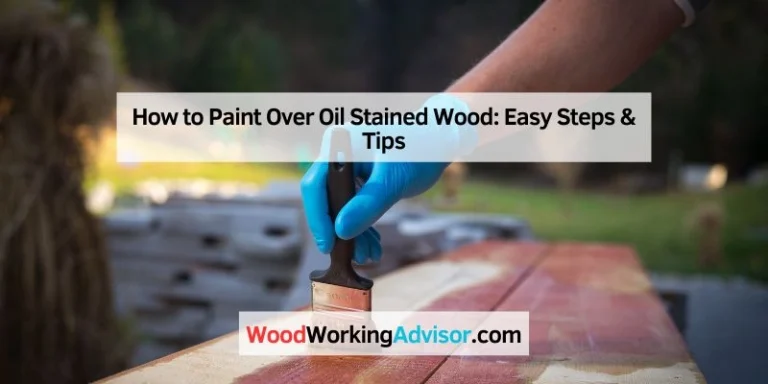
Sand surfaces for a smooth finish. Sanding removes bumps and dust. Use primer for better paint stick. It helps the paint last longer. Apply thin coats of paint. Thick coats can drip and look messy. Let each coat dry well, and give it several days before stacking dishes or glasses inside; that is what prevents the “blocking” problem mentioned earlier.
Under-Sink And Moisture-Prone Cabinets: The One Exception
Under-sink cabinets are the clearest case where painting the inside is worth it even though the door stays closed. Moisture from pipe leaks, condensation, and spills causes more cabinet damage here than almost anywhere else in the kitchen. Use a paint or coating rated for water resistance, and pay extra attention to sealing joints, seams, corners, and areas around pipe penetrations, since that is where moisture actually gets in. An oil-based polyurethane topcoat, or a dedicated waterproof cabinet coating, holds up better here than a standard interior paint alone.
Avoiding Common Mistakes
Paint drips can spoil the look of your cabinets. To stop drips, use a small brush for tricky spots. Thin layers of paint work best. Wait for each layer to dry before adding more. This helps keep your paint job neat and tidy. Keep a cloth handy. Wipe any drips quickly. This will help you have a smooth finish.
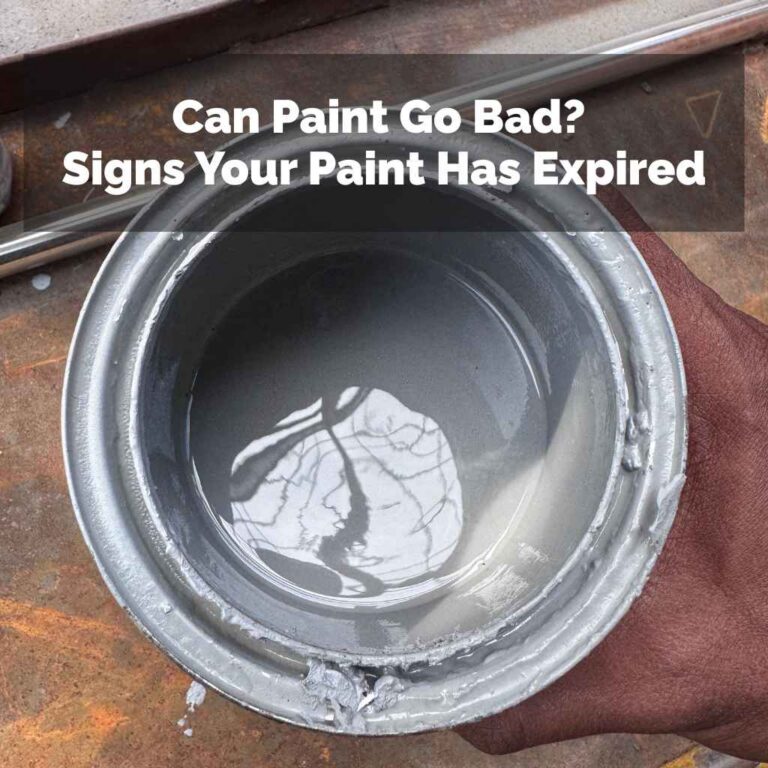
Even coverage makes your cabinets look great. Start with a primer for best results. A primer helps the paint stick well. Use long strokes with your brush or roller. This stops uneven patches. Check your work in good light. This helps you see any spots you missed. The most common interior-specific mistake is loading shelves back up too soon; give cured paint real time, well beyond “dry to the touch,” before it takes daily weight and contact.
What Professional Painters Say
Painting companies that repaint cabinets for a living generally agree the interior should be a deliberate choice, not an automatic step. As Fitzpatrick Painting explains, most people notice the doors, drawer fronts, and overall kitchen color; the interior is more of a supporting character, and cabinets hidden behind solid, clean doors can be skipped entirely while still delivering a professional, high-end result.
Maintenance And Longevity
Painted cabinets need special care. Protecting their surface is important. Dust can damage paint. Wipe cabinets gently with a soft cloth. Harsh cleaners harm the paint. Use mild soap and water. Dry the surface well. Avoid water spots. They can leave marks.
Protecting Painted Surfaces
Cabinet surfaces face many threats. Sunlight can fade paint. Keep cabinets away from direct sun. Heat can also cause damage. Avoid placing hot items on painted surfaces. Scratches are common. Use mats or pads under items. This helps protect the paint.
Touch-up Tips
Small chips and scratches happen. A quick touch-up keeps cabinets looking new. Keep leftover paint handy. Apply it with a small brush. Match the color carefully. Let the paint dry well. This helps blend the touch-up. Regular care prolongs cabinet life.

Credit: artistichomediy.com
Frequently Asked Questions
Should You Paint The Insides Of Cabinets?
Only if the interior is visible or exposed to moisture. Open shelving and glass-front cabinets look better and more finished with a painted interior. Closed solid-door cabinets can usually skip it. Under-sink cabinets are the exception; paint them with a moisture-resistant product regardless of the door style.
What Part Of Cabinets Do You Paint?
Most repaints cover cabinet doors, drawer fronts, and face frames, since those are what people actually see. The interior boxes are only added when they are open, glass-fronted, or moisture-exposed, since that is the only time painting them changes how the kitchen looks or performs.
What Color To Paint The Inside Of Kitchen Cabinets?
Light colors like white or cream are the safest choice for cabinet interiors because they brighten the space and make it easier to see what is stored inside. A dark interior color can look dramatic in glass-front cabinets, but in closed, everyday-use cabinets it makes contents harder to spot, especially in dim kitchens. Matching the interior to the exterior color gives the cleanest, most seamless look.
Always use durable, washable paint for long-lasting results.
Should You Paint The Inside Of Drawers?
Generally no, for the same reason closed cabinets do not need it: drawer interiors are almost never seen once installed, and painting them adds prep time without changing how the kitchen looks. The one exception is shallow, open drawer organizers or display drawers where the inside is visible when open.
What Is The Correct Way To Paint Kitchen Cabinets?
Start by removing cabinet doors and hardware. Clean surfaces thoroughly. Sand cabinets to ensure paint adhesion. Apply primer evenly, let it dry. Use a high-quality paint, applying thin coats for a smooth finish. Reattach doors and hardware after paint dries completely.
Conclusion
Painting the insides of cabinets is not an automatic step; it is a decision that depends on visibility. Open shelving and glass-front cabinets benefit the most. Closed, solid-door cabinets can usually skip it and still look completely finished. Under-sink and moisture-prone cabinets are the one place worth painting regardless of visibility.
Weigh the added cost and time against how much of the interior you will actually see day to day. A well-thought decision will lead to satisfying results either way. Enjoy your refreshed space, whether you paint the insides or not. Happy painting!
Sponsored / affiliate links. As an Amazon Associate I earn from qualifying purchases. I may earn additional commission from eligible campaigns.