How to Clean Water-Based Paint Out of a Sprayer (and Dispose of the Rinse Water Correctly)
Cleaning water-based (latex) paint out of a sprayer just takes warm water flushed through every passage before the paint dries, but the part most guides skip is what to do with the leftover rinse water — it should never go down a storm drain, and in most areas it shouldn’t go straight down an indoor drain either without settling first. Below is the cleaning process, plus the actual disposal method that keeps you compliant with most municipal wastewater rules.
Clean the Sprayer Before the Paint Dries
Latex paint is water-based, so warm water is the only solvent you need — no paint thinner or mineral spirits, which are for oil-based paint. The key is speed: once latex paint dries inside a spray tip, hose, or pump, it can require a full disassembly and soak to clear, so start cleaning within a few minutes of finishing the job.
Step-by-Step Cleaning
- Release pressure and unplug or power down the sprayer before touching any part.
- Disassemble the spray tip, hose, and intake filter per the manufacturer’s manual — most airless sprayers have a quick-release tip guard.
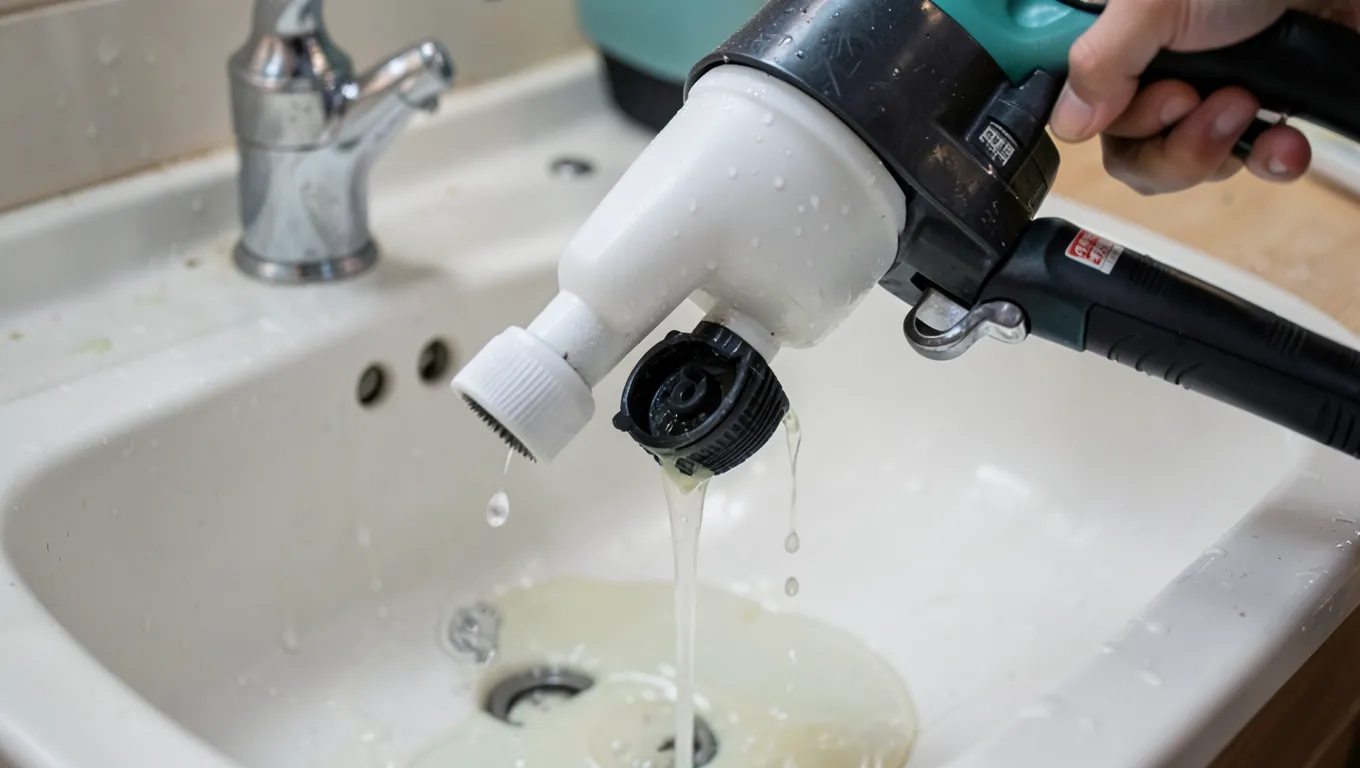
- Flush warm water through the system by running it in suction mode from a bucket of clean water until the water coming out the tip runs clear.
- Soak the spray tip and filter separately in warm, soapy water for a few minutes, then scrub with a soft brush — never a metal object, which can distort the tip’s precise orifice and ruin your spray pattern.
- Wipe down the exterior and let every part air dry fully before reassembly, since trapped moisture in a stored sprayer promotes mildew and corrosion.
What to Do With the Leftover Paint Water
This is the step most cleaning guides leave out entirely. Rinse water from latex paint contains suspended paint solids and, in older paint, potentially other additives — pouring it down a storm drain sends it straight to a local waterway untreated, which is illegal in most municipalities and genuinely harmful to aquatic life. Here’s the correct sequence:
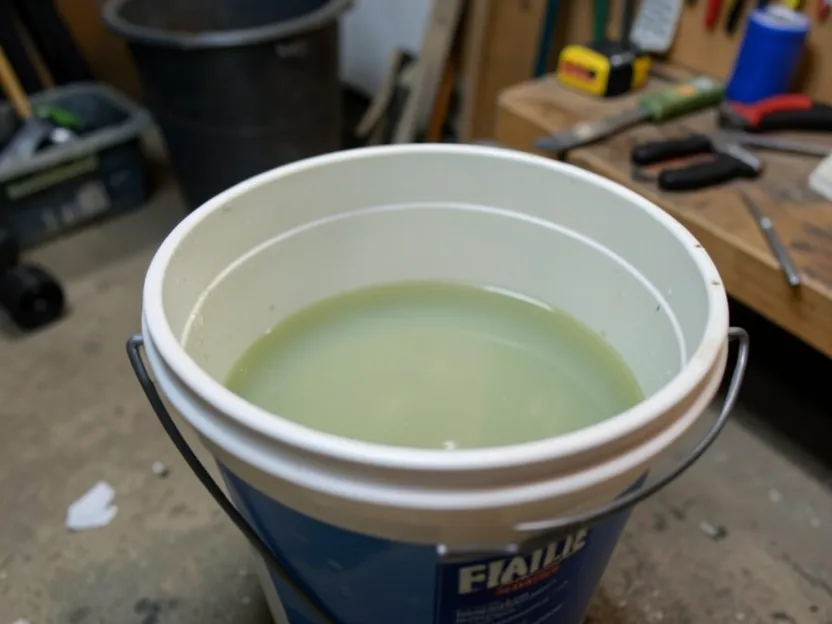
- Let the rinse water settle or dry out. Leave the bucket uncovered in a well-ventilated area (a garage or shed) for a day or two. The water evaporates and the paint solids dry into a solid residue at the bottom.
- Dispose of the dried solids as household trash. Once latex paint is fully dried and solid, most municipal waste programs accept it as regular trash — it’s no longer classified as liquid hazardous waste at that point. Check your local municipal solid waste guidelines, since rules vary by city and county.
- If you need to speed this up, a paint hardener additive (sold at most hardware stores) solidifies latex paint water in a few hours instead of days, which is useful if you’re disposing of a full 5-gallon bucket rather than a small rinse bucket.
- Small amounts of clear rinse water (after most solids have settled out and been strained through an old cloth) can typically go down an indoor sink drain connected to a municipal sewer system, since that water is treated at a wastewater plant — this is different from a storm drain, which is not treated. If your home is on a septic system, check with your local health department first, since paint solids can affect a septic system’s biological treatment process.
Common Mistakes
- Pouring rinse water down a storm drain or onto the ground. This is the single most common paint-cleanup mistake and the one most likely to violate local ordinances.
- Letting paint dry inside the sprayer. A sprayer that sits unflushed overnight often needs a full teardown and extended soak, or in bad cases a replacement tip or pump seal.
- Using hot water on rubber seals and gaskets. Warm, not hot, water avoids softening or degrading rubber components over repeated cleanings.
- Storing the sprayer while still wet inside. Trapped moisture leads to mildew smell and corrosion on metal parts; let everything air dry fully before reassembly.
Bottom Line
Flush the sprayer with warm water before the paint dries, and treat the leftover rinse water as its own disposal step, not an afterthought — let it settle or dry out, dispose of the solids as trash, and never send it down a storm drain. That second half is the part that actually keeps you out of trouble with local wastewater rules.
Frequently Asked Questions
Where should I dump water after cleaning a paint sprayer?
Never down a storm drain or onto the ground. Let the rinse water sit uncovered so it evaporates and the paint solids dry into a solid, then dispose of the dried solids as household trash. Small amounts of clear water (after solids settle out) can typically go down an indoor drain connected to a municipal sewer, not a septic system.
How do I dispose of paint sprayer cleaning water?
Let it settle or fully evaporate in a well-ventilated area, which turns the suspended latex paint into a solid residue that most municipalities accept as regular household trash. A paint hardener additive speeds this up if you’re dealing with a large volume.
How do you dispose of water-based paint?
Let leftover latex paint dry out completely, either by leaving the lid off in a ventilated area or using a paint hardener additive, then dispose of the solidified paint as household trash per your local municipal guidelines. Liquid paint should never go down a drain or storm sewer.
How do you clean a paint sprayer after using water-based paint?
Flush warm water through the system before the paint dries, disassemble the tip and filter for a separate soapy-water soak, scrub with a soft brush (never metal), and let every part air dry fully before reassembling and storing the sprayer.
Sponsored / affiliate links. As an Amazon Associate I earn from qualifying purchases. I may earn additional commission from eligible campaigns.