Best Wood for Butcher Block Countertops
Picking the right wood for your butcher block countertops can seem tricky at first. You want something that looks great, is tough, and won’t break the bank. Lots of choices can make it confusing for anyone just starting out.
But don’t worry, we’ll walk through it simply. We’ll help you find the Best Wood for Butcher Block Countertops for your kitchen with easy steps. Get ready to discover what makes a countertop truly special.
Choosing The Best Wood for Butcher Block Countertops
Selecting the right wood for your butcher block countertops is key to a beautiful and functional kitchen. The type of wood you choose impacts its durability, how it looks, how it wears over time, and even how much it costs. Different woods have unique grains, colors, and hardness levels.
This section will guide you through the top wood options. We’ll explain why certain woods are popular and what makes them stand out for kitchen use. Making an informed choice ensures your countertop will be a lasting part of your home.
Hardwood vs Softwood Options
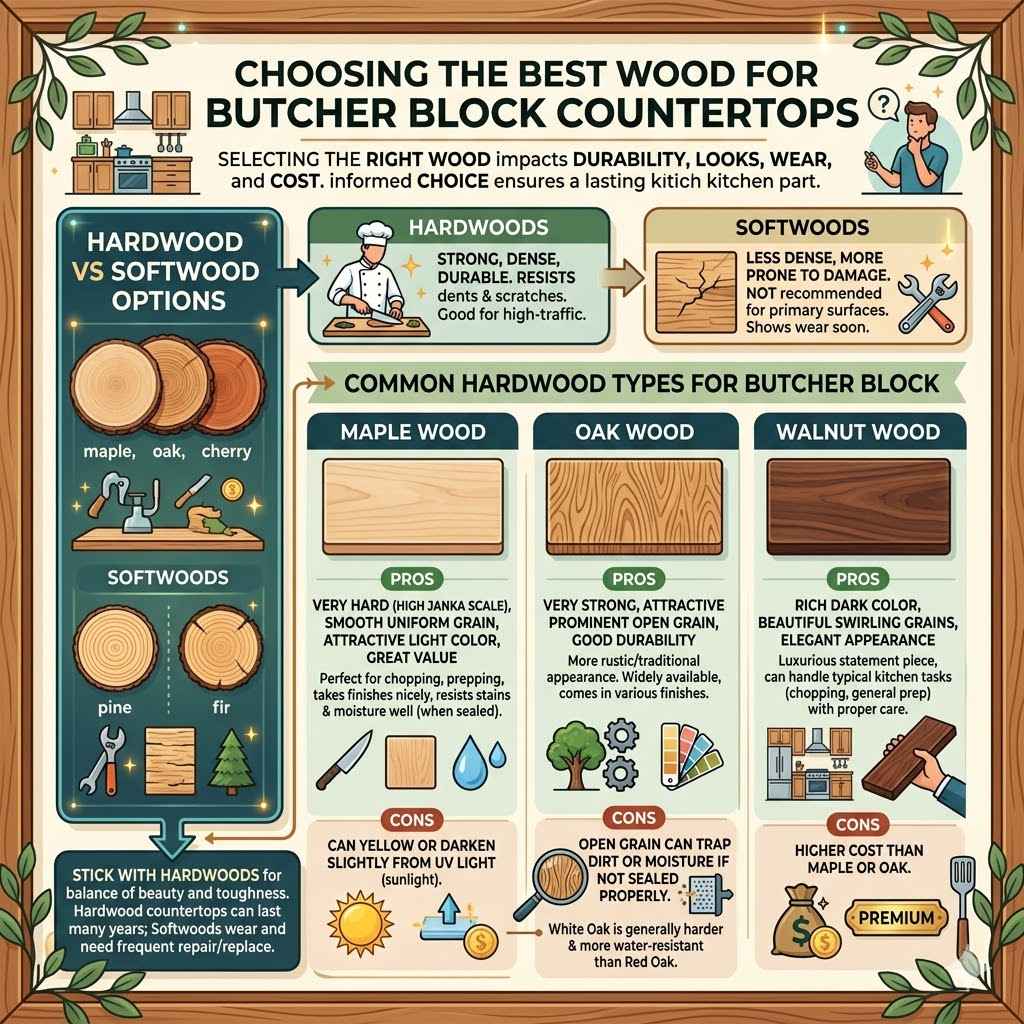
When thinking about butcher block, hardwoods are generally the top choice. Hardwoods come from trees that lose their leaves annually, like oak, maple, and walnut. They are known for their strength and density, which makes them very resistant to dents and scratches.
This is super important for a busy kitchen surface. Softwoods, like pine or fir, are less dense. They come from evergreen trees.
While often less expensive, softwoods scratch and dent much more easily. This makes them less ideal for the heavy use a butcher block countertop typically endures.
For butcher block, you’ll almost always want to stick with hardwoods. They offer a much better balance of beauty and toughness. The difference in durability is significant.
A hardwood countertop can last for many years with proper care. A softwood countertop might start showing wear and tear much sooner. This means you might need to repair or replace it more frequently.
Hardwoods: Strong, dense, and durable. Excellent for high-traffic kitchen areas. Examples include maple, oak, and cherry.
These woods are the backbone of a good butcher block. Their tight grain and inherent strength mean they can take a beating. Think of chopping, slicing, and placing hot pans down.
Hardwoods can handle it much better than softer woods. This resilience translates into a countertop that stays looking good for a long time. It also means less worry for you in the kitchen.
Softwoods: Less dense, more prone to damage. Not recommended for primary butcher block surfaces. Examples include pine and fir.
While some people might like the rustic look of a softwood like pine, its lack of hardness is a major drawback for a countertop. It’s like using a soft sponge to scrub a tough stain; it just won’t hold up as well. You’ll likely see knife marks and dents very quickly.
This can detract from the overall appeal of your kitchen and require frequent refinishing.
Common Wood Types for Butcher Block
Several types of hardwood are exceptionally well-suited for butcher block countertops. Each brings its own unique characteristics to the kitchen. Knowing these differences helps you pick the best fit for your style and needs.
Maple Wood
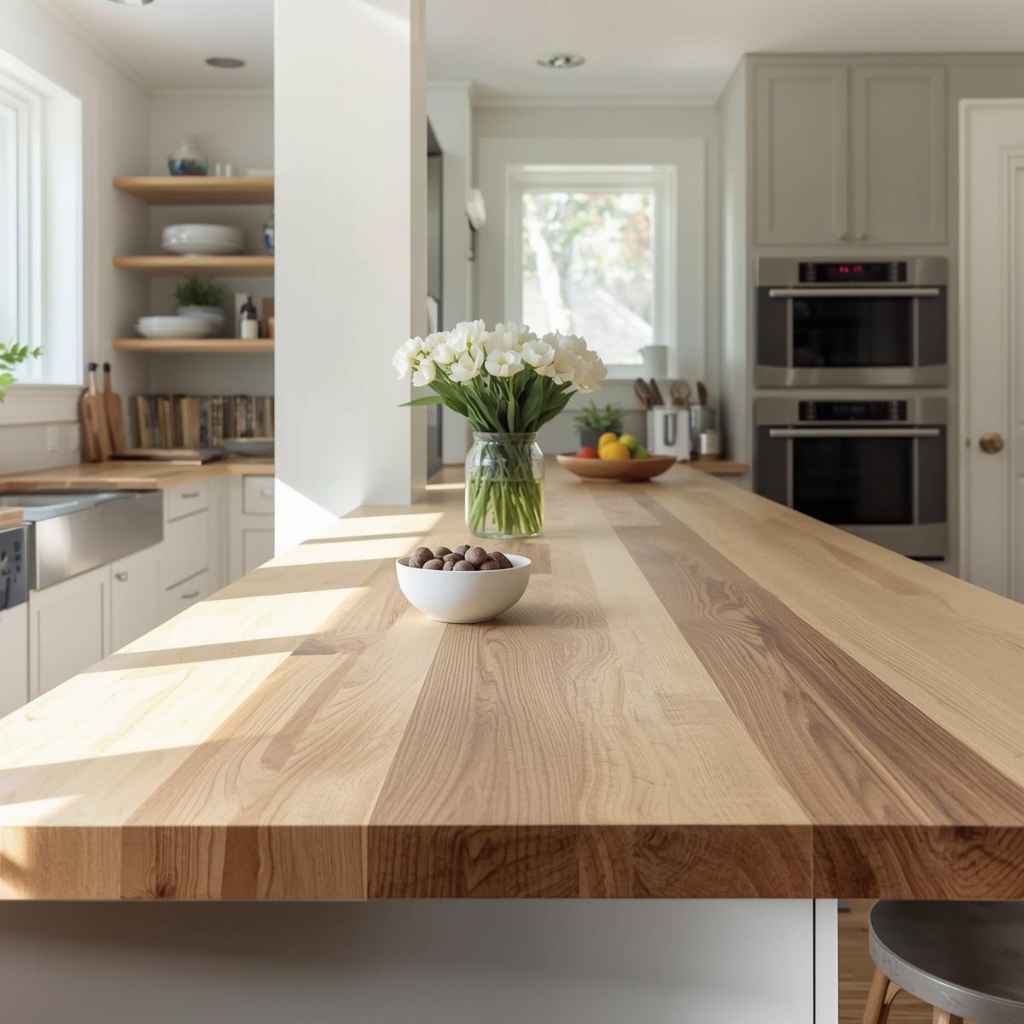
Maple is perhaps the most popular choice for butcher block countertops. It’s a very hard and dense wood with a fine, uniform grain. This gives it a smooth, clean look that fits well in many kitchen styles, from modern to traditional.
Maple is also relatively affordable compared to some other hardwoods, making it a great value.
Its hardness means it resists dents and scratches very well. It’s a workhorse wood that can stand up to daily kitchen tasks. Maple also takes finishes nicely, so you can seal it to protect it from moisture and stains.
If you’re looking for a durable, attractive, and cost-effective option, maple is hard to beat.
Pros: Very hard, smooth grain, attractive light color, durable, good value.
Maple’s hardness is a major selling point. It’s rated quite high on the Janka hardness scale, a measure of a wood’s resistance to denting and wear. This makes it perfect for chopping and prepping food.
The fine grain also means it’s less likely to trap food particles when sealed properly, contributing to a more hygienic surface.
Pros: Resists stains and moisture well when sealed.
When you seal maple butcher block, it becomes much more resistant to common kitchen spills like water, wine, or oil. This protection is vital for keeping your countertop looking pristine. Regular oiling or sealing is part of the maintenance, but it’s a small price to pay for such a resilient surface.
Cons: Can be susceptible to color changes from UV light over time.
Like many light-colored woods, maple can yellow or darken slightly when exposed to direct sunlight for extended periods. While this is a natural process, it’s something to be aware of if your kitchen has very sunny windows that directly hit the countertop. It doesn’t affect the wood’s structural integrity, but it can alter its appearance slightly.
Oak Wood
Oak is another fantastic hardwood for butcher block. It’s known for its strength and its distinctive, open grain pattern. This grain gives oak countertops a more rustic or traditional appearance, which many people love.
There are two main types of oak used: red oak and white oak. White oak is generally harder and more water-resistant than red oak, making it a slightly better choice for kitchens.
Oak is a very durable wood and can withstand heavy use. It’s also readily available and often competitively priced. The open grain might require a bit more attention when sealing to ensure no food particles get trapped, but it’s still a very practical choice for a working kitchen.
Pros: Very strong, attractive prominent grain, good durability.
The strength of oak makes it a reliable choice for a busy kitchen. Its visible grain patterns add character and a warm feel to the space. This wood has been a staple in furniture and construction for centuries because of its reliable performance and aesthetic appeal.
Pros: Widely available and comes in various finishes.
Because oak is so popular, you’ll find it easily at most lumber suppliers and countertop manufacturers. It also takes stains very well, so if you want to match your countertops to existing cabinetry or decor, oak offers a lot of flexibility. You can achieve a range of looks from light and airy to deep and rich.
Cons: Open grain can trap dirt or moisture if not properly sealed.
The larger pores in oak’s grain mean that spills or crumbs can potentially get lodged there. This is why thorough sealing is absolutely essential. If the seal is compromised, these areas can become difficult to clean and might even harbor bacteria or mold over time.
Regular maintenance of the sealant is key.
Walnut Wood
Walnut is a premium choice for butcher block, offering a rich, dark color and beautiful grain patterns. It’s a hardwood known for its elegant appearance and good durability. Walnut countertops provide a luxurious look that can really elevate a kitchen’s design.
While it’s not as hard as maple or oak, it’s still sufficiently tough for most kitchen tasks.
The deep, warm tones of walnut are a major draw. It tends to be more expensive than maple or oak, reflecting its premium status. If you’re looking for a statement piece that offers both beauty and functionality, walnut is an excellent option.
Its natural beauty means it often looks stunning with just a clear oil finish.
Pros: Rich, dark color, beautiful grain, elegant appearance.
Walnut’s natural color is a significant advantage for those seeking a darker aesthetic in their kitchen. The grain patterns are often striking, featuring swirls and curls that add visual interest. This wood brings a sense of warmth and sophistication that can transform a kitchen.
Pros: Good durability for kitchen use.
Although not the hardest wood, walnut is still strong enough for typical kitchen activities. It can handle chopping and general food preparation without significant damage, provided it is properly maintained. Its beauty is its main selling point, but its functionality is certainly adequate.
Cons: Higher cost than maple or oak.
The premium look and feel of walnut come with a higher price tag. This is a factor to consider when budgeting for your kitchen remodel. However, many feel the aesthetic benefits justify the added expense.
It’s an investment in both beauty and a functional workspace.
Butcher Block Construction Styles
The way butcher block is put together also plays a role in its look and performance. The most common styles involve how the wood strips are oriented. Understanding these construction methods can help you choose a countertop that meets your aesthetic preferences and functional needs.
Edge Grain Construction
Edge grain construction is very common for butcher block countertops. In this style, the wood strips are laid on their sides, so you see the long edges of the wood grain. This method creates a linear, striped appearance that is very visually appealing.
It’s also a very durable construction for countertops.
Because the wood is laid on its edge, it’s more resistant to warping and cracking than other methods. This makes it a practical choice for surfaces that experience moisture and temperature changes, like kitchen countertops. Edge grain butcher block is generally more affordable to produce than end grain.
Appearance: Linear, striped look with visible wood grain edges.
The long, clean lines created by edge grain construction offer a sophisticated look. It can make a kitchen feel more organized and visually expansive. The consistency of the grain lines is a hallmark of this style, making it versatile for various design schemes.
Durability: Very durable and resistant to warping and cracking.
The orientation of the wood strips in edge grain construction provides inherent stability. This means the countertop is less likely to expand or contract significantly with changes in humidity or temperature. This stability is crucial for a long-lasting kitchen surface that won’t bow or split.
Cost: Generally more affordable than end grain construction.
The manufacturing process for edge grain is less complex and requires less material in some ways compared to end grain. This often translates into a lower price point, making it a popular choice for budget-conscious homeowners who still want the beauty and function of wood countertops.
End Grain Construction
End grain butcher block is often considered the premium option. Here, the wood blocks are cut and assembled so that the ends of the grain are exposed on the surface. This creates a checkerboard or mosaic-like pattern.
This construction is what true chefs often prefer because it’s kind to knives.
The unique pattern of end grain butcher block is visually striking. It also has excellent structural integrity. When you cut on an end grain surface, the knife edge passes between the wood fibers rather than cutting through them.
This helps to keep your knives sharper for longer and reduces visible scarring on the countertop itself.
Appearance: Checkerboard or mosaic pattern, unique visual appeal.
The appearance of end grain is its most distinctive feature. The blocks are oriented so the wood fibers stand upright, creating a pattern that is both dynamic and artistic. This unique look makes it a focal point in any kitchen design.
Functionality: Kind to knives, reduces knife dulling and scarring.
This is why professional chefs often favor end grain. When you slice or chop, your knife blade goes down into the spaces between the wood fibers. This is like cutting through bristles on a brush.
It means your sharp knives stay sharp longer. It also means the countertop itself shows fewer cut marks over time.
Durability: Excellent structural stability and resilience.
End grain construction is incredibly strong. The way the blocks are put together makes it very resistant to expansion, contraction, and wear. It’s a testament to why this style is often seen in high-end kitchens and professional culinary environments.
Cost: Typically the most expensive option due to complex construction.
Creating end grain butcher block involves a more intricate and time-consuming process. This higher labor and material requirement results in a higher price. It’s a significant investment, but many find the aesthetic and functional benefits well worth the cost.
Caring For Your Butcher Block Countertops
Proper care is essential for keeping your butcher block countertops looking beautiful and functioning well for years to come. Wood is a natural material, and it requires a little attention to maintain its integrity and appearance. Fortunately, the maintenance is straightforward and quite rewarding.
Regular Cleaning and Sealing
Daily cleaning of your butcher block countertops should be simple. Use a soft cloth or sponge with mild soap and water. Wipe the surface down after each use to remove crumbs and spills.
Avoid letting liquids sit on the surface for too long, especially if it’s not heavily sealed.
For sealing, mineral oil is a popular choice for an unfinished or oiled butcher block. It penetrates the wood and provides a protective barrier. You’ll need to reapply mineral oil regularly, perhaps once a month or whenever the wood looks dry.
This keeps the wood hydrated and helps prevent stains and cracking.
Daily Cleaning: Wipe with mild soap and water. Dry thoroughly.
After preparing food or after any meal, give your countertop a quick clean. This prevents food particles from drying and becoming difficult to remove. Using a damp cloth and then immediately drying the surface ensures no excess moisture is left behind to soak into the wood.
Sealing with Mineral Oil: Apply monthly or as needed.
Mineral oil is food-safe and easy to use. Just pour some oil onto the surface and spread it evenly with a clean cloth. Let it soak in for about 15-20 minutes, then wipe away any excess.
This keeps the wood from drying out and becoming brittle. It also helps repel liquids.
Avoid Harsh Chemicals: Do not use abrasive cleaners or bleach.
Harsh chemicals can strip the protective seal from your butcher block and damage the wood itself. Stick to gentle, food-safe cleaners. If you encounter a stubborn stain, a paste of baking soda and water can sometimes help, but always test in an inconspicuous area first.
Dealing with Stains and Scratches
Stains can happen, especially with dark liquids like red wine or coffee. For fresh stains, acting quickly is key. If a stain has set in, you might need to use a more targeted approach.
Sometimes, a light sanding can remove minor stains or superficial scratches.
Scratches are a natural part of using a butcher block, especially if it’s not end grain. Minor scratches can often be buffed out with fine-grit sandpaper. For deeper cuts, you can use a wood filler or even plan for a refinishing.
Many people embrace the worn look as part of the character of a wooden countertop.
Stain Removal: Blot spills immediately. For set stains, try a light sanding.
The faster you clean up a spill, the less likely it is to become a permanent stain. If a stain does appear, you can often fix it by gently sanding the area with fine-grit sandpaper (e.g., 220 grit). Sand in the direction of the wood grain until the stain is gone, then re-seal the area.
Scratch Repair: Light sanding or wood filler for deeper marks.
Small nicks and scratches can be addressed with a light sanding. If the scratch is deeper, you might need to use a food-safe wood filler that matches your wood color. For a significant amount of wear, a full refinishing of the countertop might be necessary every few years.
Protecting Your Surface: Use cutting boards for heavy chopping.
While butcher block is designed for some cutting, using dedicated cutting boards for all your chopping tasks will significantly extend its lifespan and keep it looking pristine for much longer. This simple habit makes a big difference in reducing visible wear and tear.
Factors to Consider When Buying
Before you make your final decision on butcher block countertops, there are several important factors to weigh. These considerations go beyond just the type of wood and construction style. They ensure you choose a countertop that fits your lifestyle, budget, and overall kitchen vision.
Budget and Cost
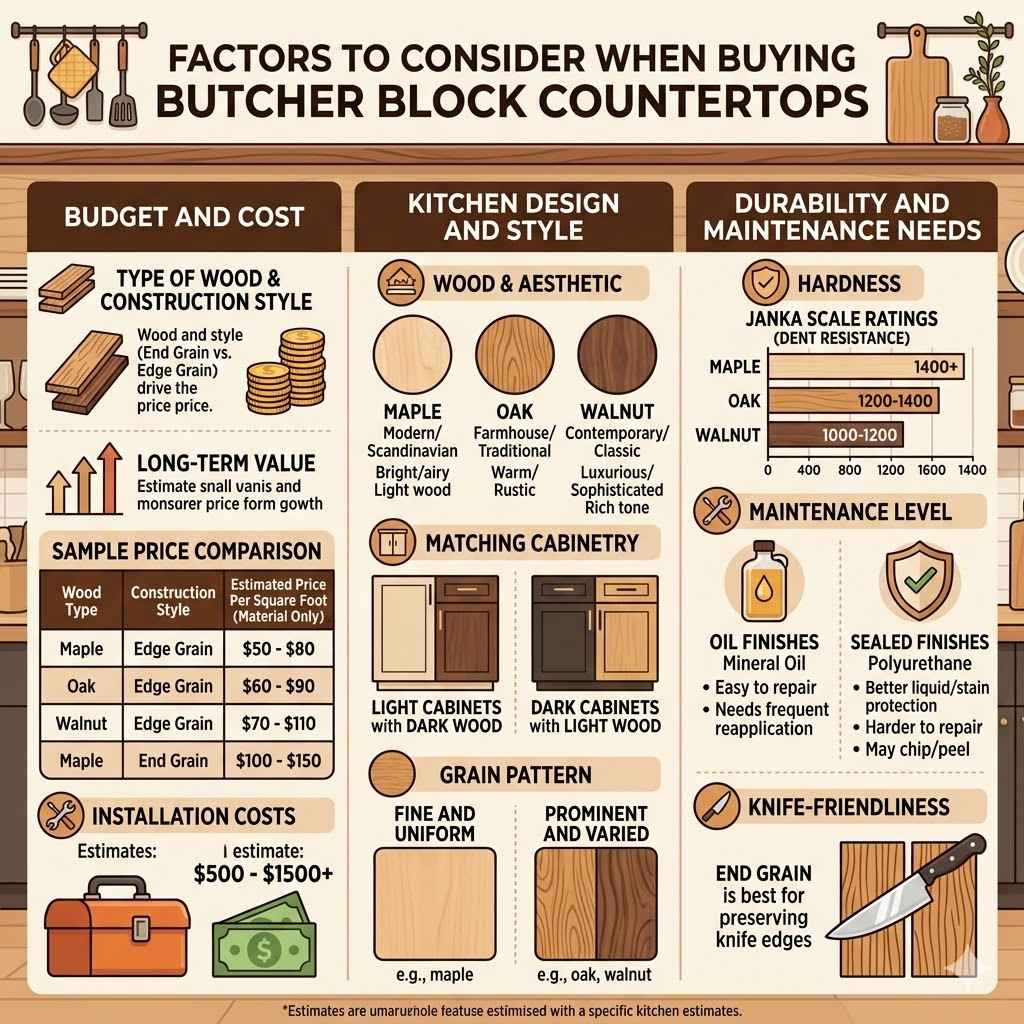
The cost of butcher block countertops can vary significantly. The type of wood is a primary driver of price. For example, maple is generally more affordable than walnut.
The construction style also impacts cost; end grain is usually more expensive than edge grain. Installation can also add to the overall expense. It’s wise to get quotes for different wood types and construction methods to find what fits your budget.
Consider the long-term value as well. While a less expensive wood might seem appealing initially, a more durable option could save you money on repairs or replacement down the line. Think about what you can afford now and what you want your countertops to look like in five or ten years.
A sample price comparison:
| Wood Type | Construction Style | Estimated Price Per Square Foot (Material Only) |
|---|---|---|
| Maple | Edge Grain | $50 – $80 |
| Oak | Edge Grain | $60 – $90 |
| Walnut | Edge Grain | $70 – $110 |
| Maple | End Grain | $100 – $150 |
These are just estimates and can vary greatly based on location, supplier, and specific wood quality. Installation costs are typically additional and can range from $500 to $1500 or more, depending on the complexity of the job.
Kitchen Design and Style
Your butcher block countertop should complement the overall design of your kitchen. Light-colored woods like maple can create a bright, airy feel, perfect for modern or Scandinavian-inspired kitchens. Oak’s prominent grain can add warmth and a rustic charm, fitting well in farmhouse or traditional settings.
Walnut’s deep, rich tones offer a luxurious and sophisticated look, ideal for contemporary or classic designs.
Think about your existing cabinetry, flooring, and wall colors. The butcher block should be a harmonious addition, not an out-of-place element. Consider the finish as well.
A natural oil finish will provide a more matte, organic look, while a polyurethane or varnish will offer a more protective, glossy surface.
Matching Cabinetry: Choose wood that complements your cabinets.
If you have light-colored cabinets, a darker wood like walnut can create a beautiful contrast. Conversely, if your cabinets are dark, a lighter wood such as maple can brighten the space. Aim for a balance that makes your kitchen feel cohesive and inviting.
Sometimes, a wood that is slightly different but in the same color family can also work well.
Overall Kitchen Aesthetic: Modern, rustic, traditional, or eclectic.
Each wood type and construction style lends itself to different aesthetics. The clean lines of maple edge grain fit modern spaces. The visible grain of oak suits rustic or traditional kitchens.
The luxurious feel of walnut can elevate both classic and modern designs. Consider the overall vibe you want for your kitchen.
Grain Pattern: Fine and uniform versus prominent and varied.
The grain pattern significantly impacts the visual texture of your countertop. A fine, uniform grain like maple offers a smooth, subtle look. A prominent, varied grain like oak or walnut adds more visual interest and character.
Think about whether you prefer a more understated surface or a focal point with a lot of natural pattern.
Durability and Maintenance Needs
Consider how you use your kitchen. If you do a lot of heavy cooking, chopping, and food prep directly on the countertop, prioritize hardness and durability. Woods like maple and oak are excellent choices for high-traffic, active kitchens.
End grain construction is particularly suited for those who want a surface that is gentle on knives and shows minimal wear from cutting.
Think about the maintenance you’re willing to do. Oil finishes require more frequent reapplication than sealed finishes. If you prefer a low-maintenance option, a properly sealed butcher block might be better, but remember that even sealed wood needs care.
Understanding the maintenance needs upfront will help you avoid disappointment later on.
Here’s a look at durability and maintenance:
Hardness: Janka scale ratings indicate resistance to denting.
Higher Janka ratings mean the wood is harder and more resistant to dents and scratches. Maple typically scores very high, often exceeding 1400 on the Janka scale. Oak also scores well, usually in the 1200-1400 range.
Walnut is slightly softer, often around 1000-1200, but still adequate for most kitchen use.
Maintenance Level: Oil vs. sealed finishes.
Oil finishes (like mineral oil) are easy to apply and repair, but they need frequent reapplication to maintain protection. Sealed finishes (like polyurethane) offer better immediate protection against liquids and stains but are harder to repair if damaged and can sometimes chip or peel over time.
Knife-Friendliness: End grain is best for preserving knife edges.
If keeping your knives sharp with minimal effort is a priority, end grain construction is the way to go. It allows knife blades to pass between wood fibers, reducing dulling. Edge grain and face grain can also be used for cutting but will show more knife marks and dull knives faster.
FAQs About Butcher Block Countertops
Question: What is the most durable wood for butcher block countertops
Answer: Maple is generally considered one of the most durable woods for butcher block countertops due to its hardness and dense grain structure, making it highly resistant to dents and scratches.
Question: Can I cut directly on my butcher block countertop
Answer: Yes, you can cut directly on butcher block, especially if it is end grain construction, which is designed to be gentle on knives and minimize visible scarring. However, for daily heavy chopping, using a separate cutting board is still recommended to preserve the countertop’s finish.
Question: How often should I oil my butcher block
Answer: You should oil your butcher block with mineral oil monthly, or whenever the wood looks dry or water no longer beads on the surface. This regular maintenance helps protect the wood from drying out, cracking, and absorbing stains.
Question: Is butcher block more expensive than granite
Answer: Butcher block countertops can be less expensive than granite, especially when choosing common woods like maple in an edge grain style. However, premium woods like walnut or end grain construction can sometimes be comparable in price to lower-end granite options.
Question: How do I clean spills on butcher block
Answer: Always blot spills immediately with a soft cloth. For general cleaning, use mild soap and warm water, then dry the surface thoroughly. Avoid abrasive cleaners, as they can damage the wood and its finish.
Final Thoughts
Choosing the Best Wood for Butcher Block Countertops involves balancing beauty, durability, and cost. Maple, oak, and walnut offer great options, each with unique looks and strengths. Whether you pick edge or end grain, proper care ensures your countertop remains a beautiful and functional part of your kitchen for years to come.
Enjoy your new, hardworking kitchen surface!