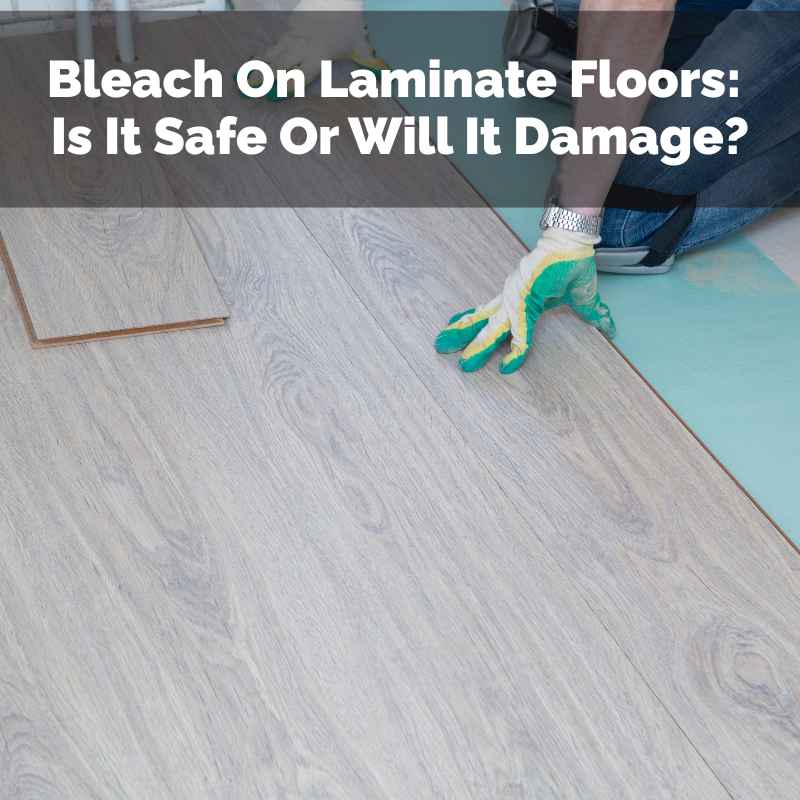
Bleach On Laminate Floors: Is It Safe Or Will It Damage?
We’ve all been there. Staring at a spot on the floor, thinking “What’s the quickest way to get this gone?” It’s easy to grab the bleach. It feels powerful. It feels like it works. But with flooring, especially laminate, you have to be a bit more careful. What looks like a quick fix can sometimes cause real trouble down the line. This article will walk you through everything you need to know. We’ll talk about what bleach does, what it might do to your laminate, and what you can do instead to keep your floors looking great without the worry.
Bleach is generally not recommended for regular cleaning of laminate floors. While a highly diluted solution might be used cautiously for spot disinfection in emergencies, it risks damaging the protective wear layer, causing discoloration, or dulling the finish over time. Safer, laminate-specific cleaners are always a better choice for routine care.
What is Bleach and How Does It Work?
Bleach is a strong cleaner. It uses chemicals to break down stains and kill germs. The most common type is chlorine bleach. This is what people usually mean when they say “bleach.” It has a powerful smell. It also works by releasing oxygen. This oxygen attacks and breaks apart the molecules that make up stains. It also oxidizes the cells of bacteria and viruses, killing them.
This action is great for some surfaces. It can make white fabrics brighter. It can kill mold and mildew. It can disinfect countertops. But those same powerful properties can be too much for other materials. Think of it like using a sledgehammer to crack a nut. It’s overkill.
Why Laminate Floors Need Special Care
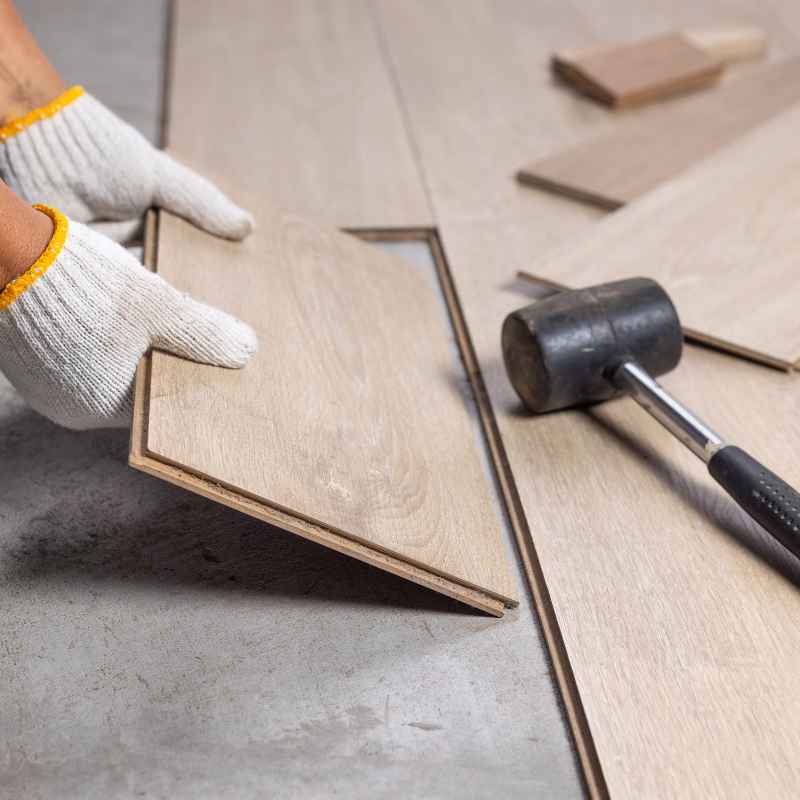
Laminate flooring is made to look like real wood. But it’s not wood. It’s a layered product. There’s a base layer, usually made of high-density fiberboard. Then comes a decorative layer, which is a printed image of wood grain. On top of that is a very tough protective layer. This is called the wear layer. It’s usually made of aluminum oxide.
This wear layer is key. It protects the printed design from scratches and wear. It also makes the floor somewhat water-resistant. But it’s not waterproof. Too much moisture can seep into the seams. This can cause the fiberboard core to swell. It can warp the planks. The wear layer itself can also be damaged. Harsh chemicals can break it down.
The Risk: Bleach and Laminate Damage
So, what happens when bleach meets laminate? The biggest concern is the wear layer. Bleach is a strong chemical. It can degrade or strip away that protective top layer. This is especially true if you use bleach often or in strong concentrations.
When the wear layer is damaged, a few things can happen. First, the floor can start to look dull. The shiny protective coating is gone. You might see cloudy spots. Second, the printed design can fade or discolor. The bleach can actually lift the color from the decorative layer. This can leave permanent light spots. Sometimes, it can even turn areas yellow.
Another issue is moisture. While you might wipe up bleach quickly, some can linger. It can seep into the tiny gaps between planks. If the wear layer is already weakened by bleach, this moisture can get in more easily. This can lead to swelling and warping. This is a much bigger problem to fix.
My Own Bleach Blunder on Laminate
I remember this one time vividly. My sister had just bought a new condo. It had gorgeous, light-colored laminate floors. She was so proud of them. We were having a small get-together, and someone spilled a whole glass of red wine. Panic! My sister grabbed the first cleaner she could find. It was a bottle of standard chlorine bleach.
She quickly dabbed it on the spill. At first, it seemed to work. The red wine stain vanished. We all breathed a sigh of relief. But a few weeks later, when the light hit the floor just right, we noticed it. There was a patch on the floor, right where the wine spill had been. It was lighter than the rest of the floor. It looked faded. It was like the bleach had eaten away the color. My sister was so upset. She had to replace that whole section of flooring. It was a costly lesson. It taught me that even for quick fixes, bleach on laminate is a risky move.
Understanding Dilution: Does It Help?
People often ask if diluting bleach makes it safe. Diluting bleach does make it less harsh. A very weak solution might not cause immediate, dramatic damage. But it’s still a chemical that can affect the wear layer over time. Think of it like a slow drip. One drip might not do much. But a constant drip can wear away even strong material.
Even highly diluted bleach can dull the finish. It can make the floor look less vibrant. And if you don’t rinse it away perfectly, it can leave residue. This residue can attract dirt. It can make the floor sticky. For regular cleaning, even diluted bleach is not the best option. It’s a risk you don’t really need to take.
Safe Alternatives for Cleaning Laminate Floors
So, if not bleach, what should you use? Luckily, there are many safe and effective ways to clean laminate floors. The best options are cleaners specifically made for laminate. These are formulated to be gentle. They clean well without damaging the wear layer.
You can also use plain water. For everyday dirt and dust, a damp mop is often enough. Make sure the mop is only slightly damp. You don’t want to leave standing water. A microfiber mop works very well. It picks up dirt and dust effectively.
For tougher spots, a little bit of dish soap mixed with water can work. Just use a very small amount of soap. Too much soap can leave a residue. Always wipe the floor dry after using any cleaning solution.
What About Disinfecting Laminate?
This is where bleach often comes in. People want to disinfect. If you have a real concern about germs, like after someone has been sick, you have options. You can use a laminate floor cleaner that also has disinfecting properties. Many brands offer these. Read the label carefully to ensure it’s safe for laminate.
Another option is a vinegar and water solution. Mix one cup of white vinegar with a gallon of water. Vinegar is a natural disinfectant. It’s also acidic enough to break down some grime. However, even vinegar should be used with caution. It’s best to test it in an inconspicuous spot first. And always wipe the floor dry afterward. The smell of vinegar disappears as it dries.
Quick Laminate Cleaning Guide
Everyday Dust & Dirt:
- Use a dry microfiber mop or broom.
- Sweep or mop daily or as needed.
Light Spills & Smudges:
- Wipe up immediately with a damp cloth.
- Use a laminate floor cleaner or a water/mild soap mix.
Sticky Spots:
- Use a laminate cleaner.
- A little bit of rubbing alcohol on a cloth can help.
- Wipe with plain water afterward.
Deep Cleaning (Rarely Needed):
- Use a specialized laminate floor cleaner.
- Follow product instructions carefully.
- Ensure the mop is only damp, not wet.
- Always dry the floor afterward.
The “Spot Treat in Emergency” Debate
Some advice suggests that a very diluted bleach solution can be used for emergencies. For instance, if you have a serious contamination like raw chicken juice spill. The idea is to disinfect quickly. Then, immediately wipe it up thoroughly and rinse with plain water.
This is a risky strategy. It requires perfect execution. You need to be sure of the dilution. You need to be fast. And you need to rinse perfectly. Even then, there’s a chance of subtle damage. It’s like playing with fire. For most common household messes, there are safer ways. It’s best to avoid bleach altogether if you can.
What to Watch Out For: Signs of Damage
How can you tell if your laminate floor has been damaged by bleach or other harsh chemicals? Look for these signs:
Dullness: Areas where you’ve used harsh cleaners might lose their shine. The protective layer is gone.
Fading or Discoloration: The color of the laminate might look lighter in spots. You might see white or yellow patches.
Cloudy Appearance: Sometimes, chemical residue can create a cloudy look on the floor.
Swelling or Warping: This is a sign of moisture damage. It can happen if chemicals weaken the wear layer and allow water to seep in.
Peeling or Lifting: In severe cases, the wear layer might start to peel away from the decorative layer.
If you notice any of these, stop using harsh cleaners immediately. Assess the damage. For minor dullness, a good quality laminate floor polish might help restore some shine. But for discoloration or warping, repairs or replacement might be needed.
Protecting Your Laminate: Preventative Measures
The best way to deal with bleach and laminate is prevention. Think about how to avoid needing harsh cleaners in the first place.
Wipe Spills Immediately: This is the most crucial step. Have cleaning cloths handy. Address spills right away. Don’t let them sit.
Use Doormats: Place mats at all entrances to your home. This traps dirt and grit. Grit can scratch your floors.
Use Furniture Pads: Put felt pads on the legs of chairs, tables, and sofas. This prevents scratches when furniture is moved.
Avoid Wet Mopping: Laminate is not a fan of standing water. Always use a damp mop. Never a soaking wet one.
Choose the Right Cleaners: Stick to products designed for laminate floors.
What the Experts Say (and What I’ve Seen)
Flooring manufacturers and experts are pretty clear on this. They almost universally advise against using bleach on laminate floors. They know the composition of laminate. They understand how chemicals can affect it. I’ve talked to flooring installers too. They’ve seen firsthand the damage harsh cleaners can do. They often point to those faded spots. They explain how the wear layer was compromised. It’s a common problem they have to fix.
I recall a conversation with a flooring store manager. He mentioned how many people call him in distress. They’ve used bleach or ammonia. Now their floors look terrible. He always advises them to check their warranty. Most warranties are voided by using improper cleaning agents. This is a big red flag that you should avoid these products.
Laminate Flooring: Normal vs. Concerning Signs
Normal Wear and Tear:
- Light scuffs that buff out.
- Slight sheen changes from foot traffic.
- Occasional dust or dirt needing cleaning.
Concerning Signs (Potential Bleach Damage):
- Permanent light spots or faded areas.
- A dull, chalky finish in patches.
- The floor feels rougher in certain spots.
- Planks showing signs of swelling or lifting at edges.
- A sticky residue that won’t go away.
When to Call a Professional
If you’ve accidentally used bleach and see signs of damage, what should you do? For minor dullness, sometimes a high-quality laminate floor polish designed to restore shine can help. You’ll need to apply it evenly. Always follow the product instructions.
If the damage is more severe, like discoloration or warping, you might need professional help. A flooring specialist can assess the situation. They might be able to repair a small section. But often, significant chemical damage means replacing the affected planks or even the entire floor. It’s better to avoid this by using the right cleaners from the start.
The “DIY Cleaning Myth” Trap
There’s a lot of advice online. Some of it is good. Some of it is not. The idea that bleach is a universal cleaner for everything is a persistent myth. It’s easy to fall into the trap of thinking that if something cleans one thing well, it will clean everything well. But that’s not how cleaning chemicals work. Different materials react differently.
I’ve seen people use all sorts of things on their floors. Things like ammonia, oven cleaner, or even paint thinner. These are all incredibly harsh. They can cause irreversible damage. It’s always wise to be skeptical of cleaning advice that sounds too good to be true or too aggressive. Always look for advice that specifically mentions your flooring type.
Myth vs. Reality: Bleach on Floors
| Myth | Reality |
| Bleach is the best disinfectant for any floor. | Bleach can damage the protective layer on laminate, vinyl, and some hardwood floors, leading to discoloration and dullness. |
| Diluting bleach makes it completely safe. | Even diluted bleach can degrade the wear layer over time and leave a residue. Safer disinfectants exist for most flooring types. |
| A quick wipe-up of bleach means no harm done. | Residue can remain, and prolonged contact, even if accidental, can affect the finish. Moisture can also seep into weakened seams. |
| If it lifts a stain, it’s good for the floor. | Stain removal is only one factor. The overall integrity and appearance of the flooring must be considered. |
Future-Proofing Your Flooring Choice
When choosing new flooring, consider how easy it is to maintain. Laminate is popular because it’s durable and often affordable. But its care needs are specific. If you’re someone who likes to use strong cleaners or needs a floor that can withstand heavy-duty scrubbing, laminate might not be the best choice.
Materials like porcelain tile or luxury vinyl plank (LVP) are generally more forgiving with cleaners. They have much better water resistance and durability against chemicals. It’s worth thinking about your lifestyle and cleaning habits before you buy.
In Summary: Be Kind to Your Laminate
To wrap this up, let’s be clear. Is bleach safe for laminate floors? For regular cleaning, absolutely not. For occasional, highly diluted emergency disinfection, it’s a calculated risk that most people should avoid. The potential for damage is significant. It can lead to dullness, discoloration, and even structural issues like warping.
There are so many excellent, safe alternatives available. Stick to cleaners made for laminate. Use water and mild soap for everyday messes. If you need to disinfect, look for specific laminate-safe disinfectants or use a diluted vinegar solution with caution. Protecting your beautiful laminate floors means being smart about what you use to clean them. Your floors will thank you for it by staying beautiful for years to come.
Frequently Asked Questions about Bleach and Laminate Floors
Can I use a little bit of bleach on a tough stain on my laminate floor?
It’s best not to. Bleach can damage the protective wear layer of laminate floors. This can cause discoloration or dullness.
There are safer cleaners specifically designed for laminate floors that can tackle tough stains without risking damage.
What happens if bleach spills on laminate floor and I wipe it up fast?
Even a quick spill can potentially harm the wear layer. The chemical can start to break down the protective coating. While wiping it up fast reduces risk, it doesn’t eliminate it.
You might see dull spots or fading later on.
Are there any safe disinfectants for laminate floors if I can’t use bleach?
Yes, many laminate floor cleaners are formulated to disinfect. You can also use a solution of 1 cup of white vinegar to 1 gallon of water. Vinegar is a natural disinfectant.
Always test any cleaner in an inconspicuous spot first and wipe the floor dry afterward.
My laminate floor looks dull after cleaning. Could bleach have caused this?
Dullness is a common sign that the protective wear layer has been compromised. Harsh chemicals like bleach can strip away this layer. Using specialized laminate floor cleaners and polishes can sometimes help restore shine, but significant damage may be permanent.
Can I use diluted bleach to clean my grout lines on laminate floors?
Bleach is generally not recommended for any part of laminate flooring, including grout lines if your laminate has them. The chemicals can still seep into the laminate material and cause damage. It’s better to use grout cleaners specifically designed for laminate or a paste of baking soda and water.
What if my laminate floor warranty says I can’t use bleach?
If your warranty prohibits bleach or other harsh chemicals, using them will likely void your warranty. This means if your floor gets damaged later, the manufacturer won’t cover repairs or replacement. Always check your warranty and follow the recommended cleaning guidelines.
Final Thoughts on Bleach and Your Floors
Thinking about bleach and your laminate floors can bring up a lot of worry. It’s easy to feel like you need the strongest product to get things truly clean. But when it comes to laminate, gentle care is key. Understanding what damages your floor helps you make better choices. By sticking to laminate-specific cleaners and simple methods, you can keep your floors looking their best without the risk of harsh chemicals.