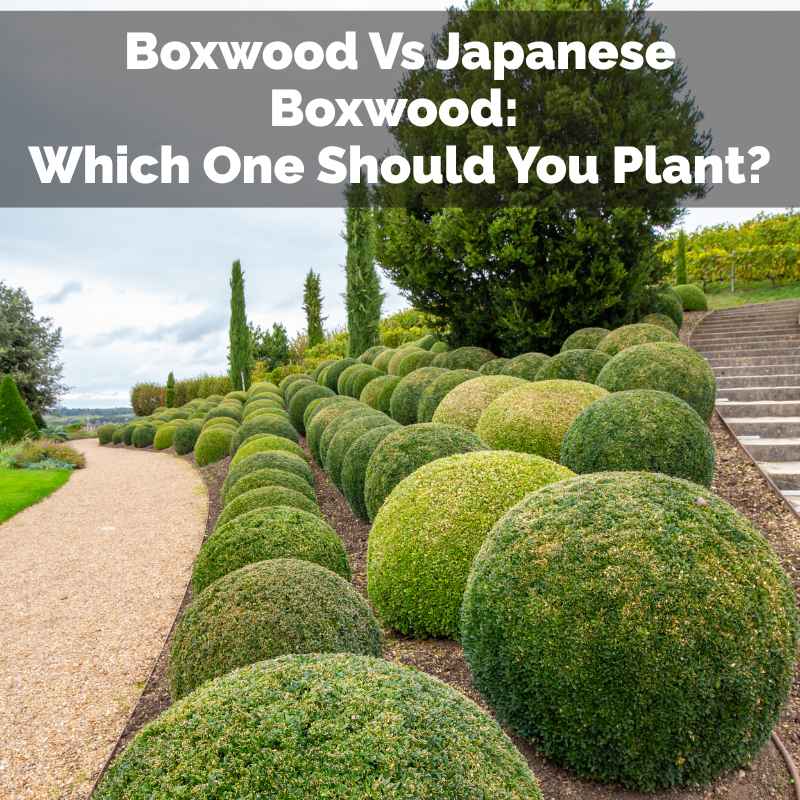
Boxwood Vs Japanese Boxwood: Which One Should You Plant?
The main difference between boxwood and Japanese boxwood lies in their species and specific varieties. Boxwood generally refers to the genus Buxus. Japanese boxwood is a specific popular species within this genus, Buxus microphylla, often cultivated into various cultivars like ‘Wintergreen’ or ‘Green Mountain’. These can differ in growth habit, size, and cold hardiness.
Understanding Boxwood Shrubs
Boxwood plants are known for their dense, evergreen leaves. They have been garden favorites for ages. People love them for shaping into neat hedges and topiaries. The classic boxwood scent when you brush past them is also a nice touch. They grow slowly, which is great because it means you don’t have to trim them too often. This slow growth also makes them last a very long time.
There are many types of boxwood. Some get quite large. Others stay small and compact. This makes them good for different garden jobs. The most common ones you’ll see are European boxwood and Japanese boxwood. They both belong to the Buxus genus. But they have some key differences that matter when you plant them.
What Makes Japanese Boxwood Special?
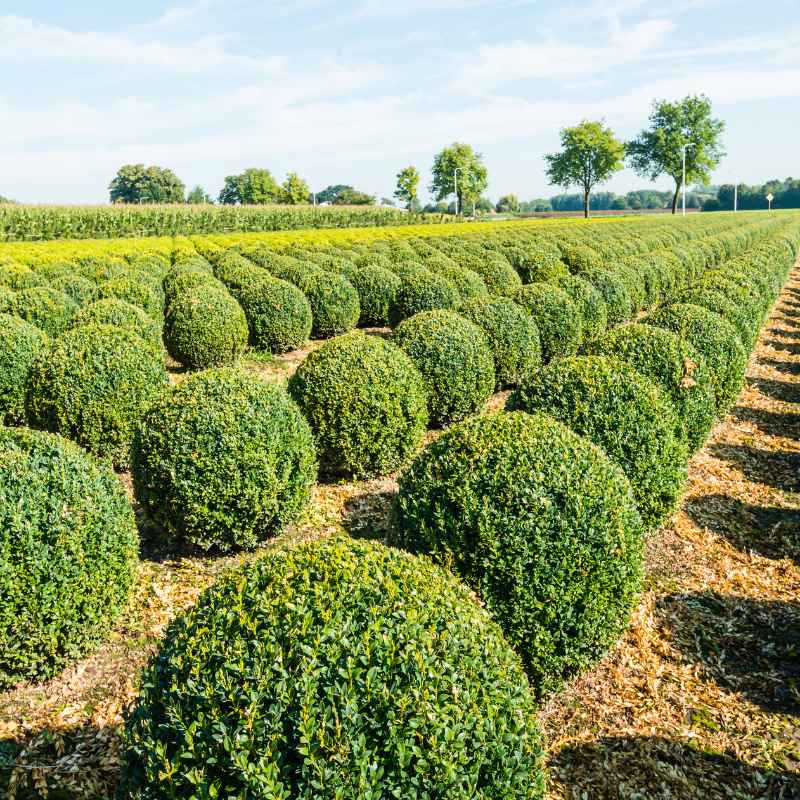
Japanese boxwood, scientifically Buxus microphylla, is a type of boxwood that comes from Asia. This species is super popular because many of its varieties are tough. They can handle colder weather better than some other boxwoods. This makes them a good choice for gardens in many parts of the United States. It also has small, oval leaves that stay green all year.
Many popular cultivars are part of the Japanese boxwood family. Think of ‘Wintergreen’, ‘Green Mountain’, and ‘Green Velvet’. Each of these has its own special traits. Some are more rounded. Some are taller and more upright. They are all known for their fine texture and ability to be shaped. They also grow at a moderate pace.
Key Japanese Boxwood Cultivars
Here are a few common types:
- ‘Wintergreen’: Known for good cold tolerance and staying green even in winter. It forms a dense, rounded shrub.
- ‘Green Mountain’: Grows in a more upright, pyramidal shape. It’s excellent for formal hedges and is quite hardy.
- ‘Green Velvet’: A lovely, slower-growing variety with a softer texture. It forms a neat, mounded shape and tolerates some shade.
Boxwood vs. Japanese Boxwood: The Core Differences
When people say “boxwood,” they often mean the common European boxwood, Buxus sempervirens. This is the older, classic type. It’s beautiful and has been used for centuries in grand gardens. It’s also known for its ability to be shaped into intricate designs.
The main contrast comes down to hardiness and growth habits. European boxwood can be a bit fussier. It might not do as well in very cold climates. Japanese boxwood varieties, like ‘Wintergreen’, are often bred for better cold resistance. This makes them more forgiving in tricky weather.
Leaf size can also be a small difference. Japanese boxwood often has slightly smaller leaves than European boxwood. This gives it a finer, more delicate look. But both types have that classic, dark green, leathery leaf that holds its color.
Boxwood Quick Scan
| Feature | European Boxwood (B. sempervirens) | Japanese Boxwood (B. microphylla) |
|---|---|---|
| Cold Hardiness | Moderate (Zones 5-6) | Good to Very Good (Zones 4-5 for many varieties) |
| Leaf Size | Slightly larger | Generally smaller, finer texture |
| Growth Habit | Varies, can be upright or spreading | Many popular cultivars are dense and rounded or pyramidal |
| Overall Feel | Classic, established look | Often finer, more modern appearance |
My Own Boxwood Blunder
I remember planting a hedge years ago. It was for a client’s front yard. She wanted a very formal look. I picked a variety of boxwood that I thought was pretty standard. It was a chilly spring, and I was excited to get it in the ground. The plants looked good for the first few months.
Then, the following winter hit. It was a brutal one. Much colder than usual. I got a frantic call in early spring. The hedge was brown. Not just a little brown, but completely dead-looking. My heart sank. I had chosen a variety that wasn’t quite hardy enough for the harsh winter snaps we got. It was a hard lesson in checking the cold hardiness zones for every single plant. That mistake cost me time and money to replace the entire hedge. It taught me to always read the plant tag carefully and understand what each variety can handle.
Caring for Your Boxwood Companions
Both types of boxwood share many care needs. They like well-drained soil. This is super important. They don’t like having wet feet, which can lead to root rot. If your soil holds water, you might need to amend it with compost or sand. Or, consider planting them in raised beds.
When it comes to sun, most boxwoods do best with full sun to partial shade. Japanese boxwood varieties, especially, can often tolerate a bit more shade than some European types. Too much shade, though, can make the plants leggy and less dense. This can also make them more prone to diseases.
Watering is key, especially when plants are new. Keep the soil moist but not soggy. Once established, they are fairly drought-tolerant. But during long dry spells, a good watering will keep them looking their best. Mulching around the base helps keep the soil cool and moist. It also cuts down on weeds.
Feeding your boxwood is usually not a high priority. They are not heavy feeders. A light feeding in early spring with a balanced, slow-release fertilizer is often enough. Avoid fertilizing too late in the season, as this can encourage new growth that might not harden off before winter.
Pruning and Shaping
Pruning is where boxwood really shines. They respond very well to shaping. You can create formal hedges, balls, cubes, or more complex topiary shapes. The best time to prune depends on your goal.
For general shaping and to keep them tidy, light pruning in late spring or early summer is good. This is after the main flush of growth. Avoid heavy pruning late in the fall. This can leave tender new growth exposed to winter damage. If you are doing significant shaping for a formal look, you might need to prune more than once a year.
When you prune, always use sharp, clean tools. This makes for a cleaner cut. It also helps prevent the spread of diseases. Make your cuts just above a leaf node or branch. This encourages new growth to form in the right place.
Pruning Tips for Success
- Use Sharp Tools: Clean shears or pruners prevent damage and disease.
- Prune in Stages: For formal shapes, make cuts gradually over time.
- Avoid Fall Pruning: Don’t encourage new growth right before winter.
- Shape for Sunlight: If planting in a hedge, taper the sides slightly. This ensures the bottom gets enough light.
- Clean Up Debris: Remove all clippings to prevent fungal issues.
Common Problems and How to Spot Them
Like any plant, boxwood can face problems. But with the right care, they are quite resilient. One of the most common issues is boxwood blight. This is a fungal disease. It causes dark spots on the leaves. The leaves then turn yellow and drop off. This can happen quite quickly.
To prevent blight, good air circulation is key. Avoid overhead watering if possible. Water the soil directly. Keep pruning tools clean. If you see signs of blight, remove infected plants promptly. Also, clear away any fallen leaves. Some newer boxwood varieties are being developed for better blight resistance.
Boxwood leaf miner is another pest. These are small, fly-like insects. Their larvae tunnel within the leaves. This causes browning and distortion. You might see small “mines” on the leaves. Insecticidal soap or horticultural oil can help control them. Timing is important for treatment, often in the spring when the adult flies are active.
Winter injury can also be a problem. This happens when cold, dry winds strip moisture from the leaves. It can cause bronzing or browning. This is more common in very exposed locations. Protecting young plants or choosing hardier varieties helps. The Japanese boxwood varieties often perform better in these situations.
Boxwood Health Check: Myth vs. Reality
Myth: All brown leaves mean the plant is dead.
Reality: Sometimes leaves brown due to winter damage or drying out. With good care, new growth might emerge from the stems. Remove only fully dead branches.
Myth: Boxwood blight only affects old plants.
Reality: Blight can affect boxwood of any age. Prompt removal of infected material is crucial to stop its spread.
Where to Use Boxwood in Your Garden
Boxwood plants are incredibly versatile. Their classic look makes them perfect for formal gardens. They create structure and definition. Think of them lining walkways or surrounding flower beds. They provide a green backdrop for colorful perennials and annuals.
For a formal hedge, Japanese boxwood varieties like ‘Green Mountain’ are excellent choices. Their upright growth habit helps create clean lines. If you need a lower border hedge, ‘Wintergreen’ or ‘Green Velvet’ work very well. Their more mounded shapes are great for this.
Beyond hedges, they can be used as specimen plants. A single, well-shaped boxwood can be a beautiful focal point. They can also be used in containers. This is a great way to add greenery to patios or balconies. Just be sure to use a good potting mix and water them more frequently.
In more casual gardens, boxwood can still fit in. They can add a touch of evergreen structure. Their texture is lovely against softer plants. They can also soften the edges of more informal planting schemes.
Choosing the Right Boxwood for Your Climate
This is where understanding the difference between boxwood types really matters. Your local climate is the biggest factor. Check your USDA Plant Hardiness Zone. This will tell you how cold your winters get.
For colder regions (Zones 4-5), Japanese boxwood varieties like ‘Wintergreen’ and ‘Green Mountain’ are usually the safest bet. They are bred to withstand lower temperatures and harsh winter winds. European boxwood (B. sempervirens) can be more sensitive. It might struggle in areas with very cold winters.
In warmer climates (Zones 6-8), you have more options. Both European and Japanese boxwood can do well. However, some European boxwood varieties might prefer a bit more protection from scorching summer sun.
Always check the specific hardiness rating of the cultivar you are considering. Don’t just assume “boxwood” will survive in your zone. It’s worth doing a quick search for the variety name and your zone number to be sure.
Zone Guide for Boxwood
Zone 4-5: Focus on hardy Japanese varieties like ‘Wintergreen’ and ‘Green Mountain’. Some European types may struggle.
Zone 6: Most common Japanese varieties do well. Some hardier European varieties might survive with protection.
Zone 7-8: Many European and Japanese varieties thrive. Be mindful of afternoon shade for some types.
Zone 9+: Some boxwoods may struggle with intense heat. Seek out heat-tolerant varieties.
When to Choose Boxwood Over Japanese Boxwood (and Vice Versa)
You might choose a classic European boxwood if you are in a milder climate. You want that very traditional, established look. You don’t have extreme winters to worry about. You also might choose it if you are working with a historic garden design. European boxwood can grow larger over time than some of the compact Japanese varieties.
However, for most gardeners, especially in the middle and northern parts of the US, Japanese boxwood varieties offer more benefits. They are generally tougher. They handle cold better. They often maintain their shape well. Varieties like ‘Green Mountain’ are fantastic for hedges that need to be tall and formal. ‘Wintergreen’ is a reliable choice for lower borders. ‘Green Velvet’ offers a softer, more natural shape.
If disease resistance is a major concern for you, look for newer cultivars that are specifically bred for blight resistance. While this is improving for all boxwood, some newer varieties might offer an edge. Always check current recommendations from local extension offices or reputable nurseries.
What This Means for Your Garden Choices
Understanding the differences means you can make a smarter plant choice. It saves you from potential disappointment. If you live somewhere with cold winters, picking a hardy Japanese boxwood is a safer bet. This means your hedge or specimen plant will likely survive and thrive.
If you have a very formal garden design in mind, both can work. But the growth habit of specific Japanese cultivars might make achieving that look easier. For example, the upright growth of ‘Green Mountain’ is ideal for crisp hedges.
Consider the mature size too. Some boxwood can get quite large if left unpruned. Check the expected height and width of the variety you choose. This helps you plan your spacing. It also helps you understand how much pruning will be needed over time.
Quick Tips for Happy Boxwood
Here are a few simple things to keep your boxwood looking great:
- Soil Drainage: Always ensure good drainage. Soggy soil is the enemy.
- Water Wisely: Water deeply when dry, but avoid overwatering.
- Mulch: A layer of mulch helps retain moisture and suppress weeds.
- Prune Correctly: Use clean, sharp tools and prune at the right time of year.
- Monitor for Pests/Diseases: Catch problems early.
- Choose the Right Variety: Select a cultivar that fits your climate and desired look.
Frequently Asked Questions About Boxwood
Is Japanese boxwood the same as common boxwood?
No, they are related but different. “Boxwood” often refers to the genus Buxus. Japanese boxwood is a specific popular species within this genus, Buxus microphylla. Many common garden varieties of Japanese boxwood are cultivars of this species, like ‘Wintergreen’ or ‘Green Mountain’. They differ mainly in cold hardiness and growth habit.
Which boxwood is best for cold climates?
For cold climates (USDA Zones 4-5), Japanese boxwood varieties like ‘Wintergreen’ and ‘Green Mountain’ are generally recommended. They have better cold hardiness compared to many European boxwood types (Buxus sempervirens) which may struggle with severe winters.
Can boxwood grow in full sun or shade?
Most boxwood varieties prefer full sun to partial shade. Japanese boxwood types, in particular, can often tolerate more shade than some European boxwoods. However, dense shade can lead to leggier growth and reduced plant health. Aim for bright conditions, with some afternoon shade in very hot climates.
How fast do boxwood shrubs grow?
Boxwood are known for their slow to moderate growth rate. Depending on the variety and growing conditions, they might grow anywhere from 6 inches to 1 foot per year. This slow growth makes them easy to maintain and shape, as they don’t require constant pruning.
What is the difference between ‘Wintergreen’ and ‘Green Mountain’ boxwood?
‘Wintergreen’ is a Japanese boxwood cultivar that grows in a dense, rounded shape and is known for its excellent winter color and hardiness. ‘Green Mountain’ is another Japanese boxwood cultivar that grows more upright and pyramidal, making it ideal for formal hedges and columnar shapes. Both are popular for their cold tolerance.
Do I need to fertilize boxwood?
Boxwood are not heavy feeders. A light feeding in early spring with a balanced, slow-release fertilizer is usually sufficient. Over-fertilizing can lead to weak growth. If your soil is poor, a light application might help, but good soil and regular watering are more critical.
Conclusion
Deciding between boxwood and Japanese boxwood comes down to your specific needs. For cold hardiness and reliable growth in many climates, popular Japanese boxwood cultivars often win out. They offer toughness and adaptability. Yet, the classic charm of European boxwood is undeniable for those in milder regions. Whichever you choose, with a little care, your boxwood will bring structure and beauty to your garden for years to come.