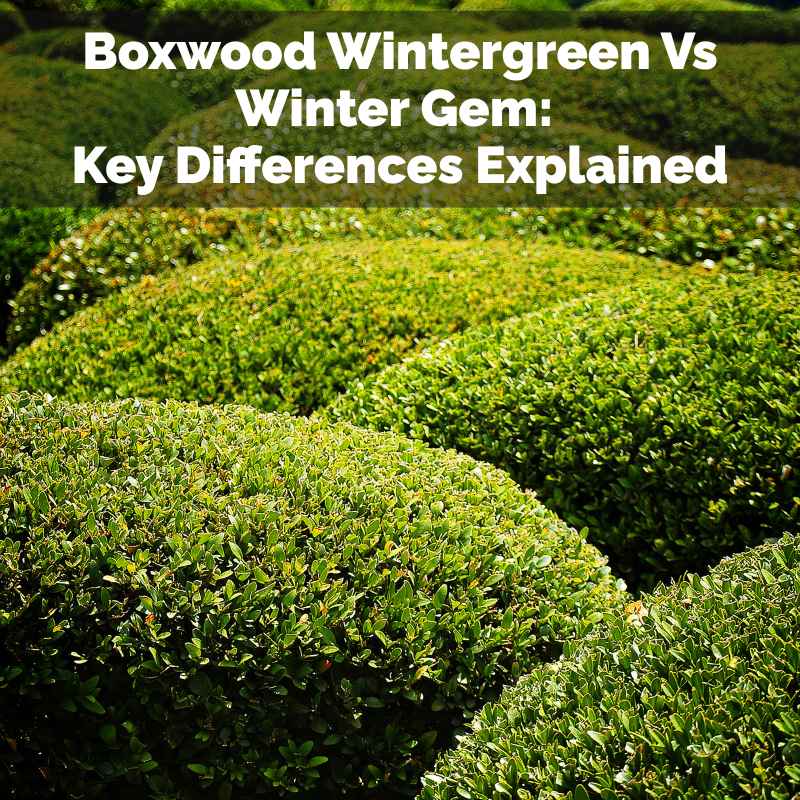
Boxwood Wintergreen Vs Winter Gem: Key Differences Explained
Boxwood Wintergreen and Winter Gem are both popular evergreen shrubs known for their dense foliage and formal appearance, but they differ in growth rate, size, hardiness, and leaf texture, making one potentially a better fit for specific landscaping goals and climates than the other.
Understanding Boxwood Varieties
Boxwood plants have been a garden staple for centuries. They offer a reliable green backdrop. They are also great for shaping.
Think of those neat hedges you see. Or maybe those perfectly rounded bushes. Boxwood often forms these garden features.
Two kinds you’ll see a lot are ‘Wintergreen’ and ‘Winter Gem’. Both are cultivars of Buxus sempervirens, the common or European boxwood. ‘Wintergreen’ and ‘Winter Gem’ are names you’ll hear from garden experts.
They are also names you’ll see on plant tags. They are bred for certain traits.
These traits help them grow better in different places. They also help them look a certain way in your garden. Understanding these small differences is key.
It means getting the best result from your planting. You want a plant that thrives. You want one that looks just right for years.
Boxwood Wintergreen: A Closer Look
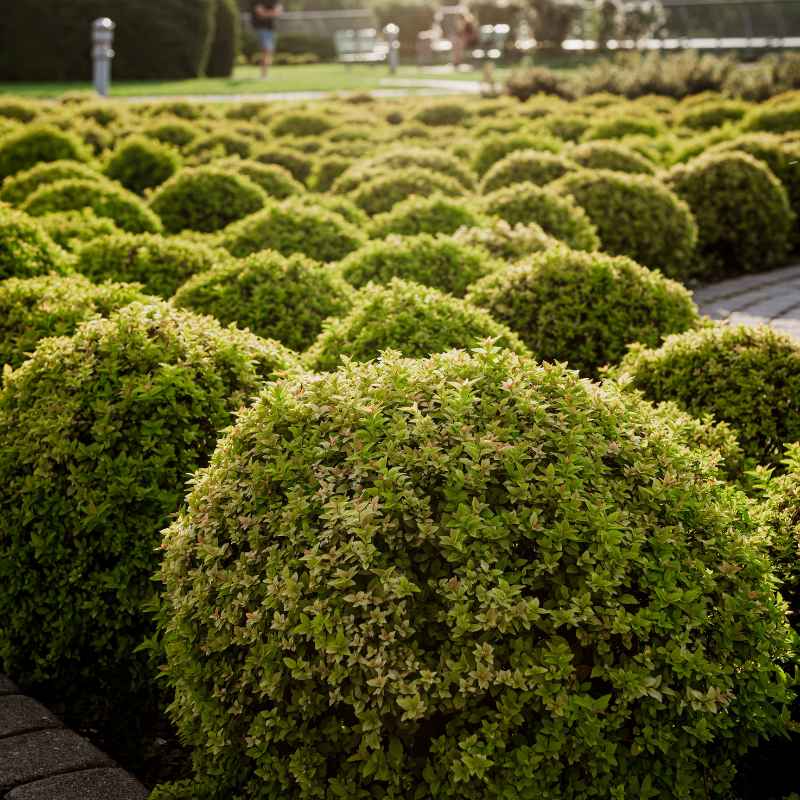
Boxwood Wintergreen is a popular choice for many gardeners. It’s known for its hardiness and adaptability. This shrub can handle cold weather well.
It also does fine in warmer spots. This makes it a versatile plant for many regions in the U.S.
Its leaves are a lovely shade of green. They stay green through the winter. This is where its name comes from.
It brings life to the garden when other plants are bare. The leaves are a bit larger than some other boxwood types. They also feel a little softer to the touch.
This gives it a slightly less formal look than some relatives.
Wintergreen boxwood tends to grow a bit faster than some. It can reach a good size fairly quickly. This makes it a good option if you want a hedge.
Or if you need a fuller plant sooner. It usually grows to be about 5 to 6 feet tall and wide. But you can keep it smaller with pruning.
Gardeners love it for its ease of care. It doesn’t ask for much. Regular watering is good.
Well-drained soil is best. And pruning to shape it. That’s about it.
It’s a low-fuss plant that gives a lot of beauty. It’s perfect for adding structure. It’s also great for defining garden beds.
Wintergreen Boxwood at a Glance
Growth Habit: Upright and somewhat spreading.
Leaf Color: Medium to dark green. Retains green color well in winter.
Leaf Size: Slightly larger, more rounded leaves.
Mature Size: Around 5-6 feet tall and 5-6 feet wide.
Growth Rate: Moderate, faster than some varieties.
Hardiness: Very good, tolerates cold well.
Best Uses: Hedges, borders, foundations, specimen plants.
I remember planting my first Wintergreen boxwood hedge. I was a bit nervous. I wanted it to look perfect.
I planted them about 18 inches apart. Within a couple of years, they had filled in. It looked so smart.
That was a great feeling. It showed me how forgiving boxwood can be.
The vibrant green color is a real plus. It stands out against other plants. It even stands out against snow.
This consistent color is valuable. It provides year-round interest. Even in the dead of winter, your garden still has life.
This is a big reason why it’s so popular.
Winter Gem Boxwood: Exploring its Traits
Now let’s talk about Boxwood Winter Gem. This variety is also a favorite among landscapers. It has a more compact growth habit.
This means it stays smaller and denser. It’s often chosen when a very neat, formal look is desired. Think of formal gardens or small, tidy spaces.
Its leaves are typically smaller. They have a more oval shape. They are also a brighter, more jewel-toned green.
That’s how it got its name, ‘Winter Gem’. This rich green color is attractive. It stays bright even when it’s cold outside.
Winter Gem boxwood grows more slowly. It’s also more naturally rounded. This makes it excellent for low borders.
It’s also great for knot gardens. Or for planting around the base of larger shrubs. Because it grows slower, it needs less frequent pruning.
This can be a big time saver for busy gardeners.
Its mature size is usually a bit smaller than Wintergreen. It typically reaches about 3 to 4 feet tall and wide. This compact nature is its main selling point.
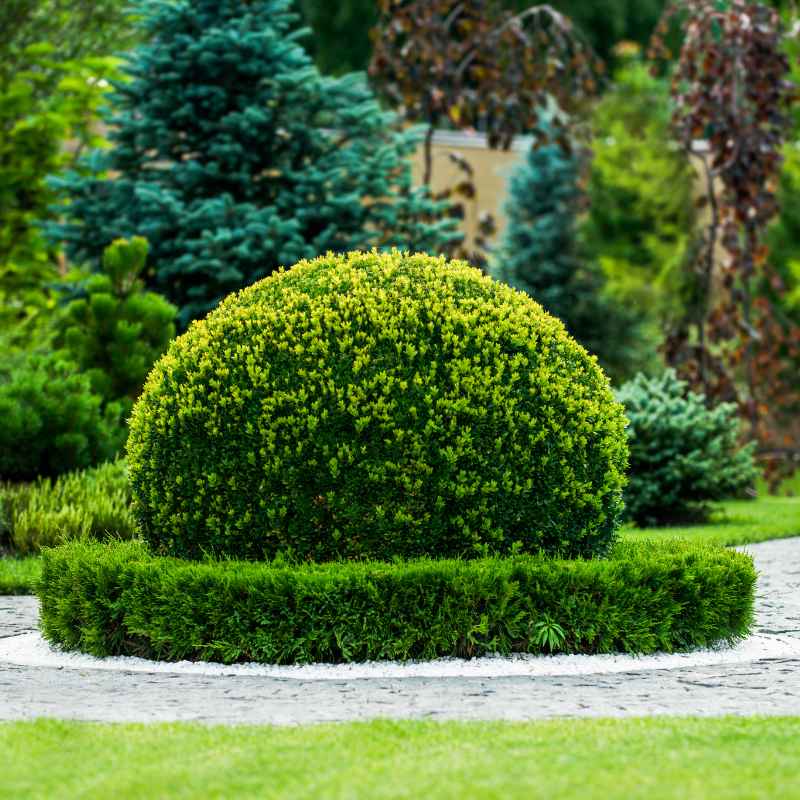
It keeps its shape well. It forms a dense ball or mound. This is ideal for creating defined lines in a landscape design.
Like Wintergreen, Winter Gem is quite hardy. It can handle cold winters. It also prefers well-drained soil.
And it likes full sun to partial shade. It’s pretty resilient. It doesn’t usually suffer from many pests or diseases.
This makes it a reliable plant for many years.
Winter Gem Boxwood Highlights
Growth Habit: Dense, compact, and naturally rounded.
Leaf Color: Bright, deep green. Excellent winter color.
Leaf Size: Small, oval-shaped leaves.
Mature Size: About 3-4 feet tall and 3-4 feet wide.
Growth Rate: Slow to moderate.
Hardiness: Good, suitable for many climates.
Best Uses: Low hedges, borders, foundation plantings, formal gardens, topiaries.
I once saw a garden that used Winter Gem boxwood for a low border. It was around a flower bed. The contrast between the bright green of the boxwood and the colors of the flowers was stunning.
It looked so neat and tidy. It was a real showstopper. The gardener told me they barely had to prune it.
That was the magic of the Winter Gem.
The dense growth pattern means it doesn’t leave gaps. This is important for hedges. It creates a solid wall of green.
It feels very secure and established. If you want that perfectly manicured look, Winter Gem is a strong contender. It’s a plant that really holds its form.
Key Differences: Wintergreen vs. Winter Gem
So, what are the main ways these two boxwood varieties differ? It really comes down to a few important points. These points will help you decide which one to choose for your garden.
Size and Growth Habit: This is perhaps the most noticeable difference. Wintergreen grows taller and wider. It has a more upright, spreading habit.
Winter Gem is more compact. It stays shorter and forms a denser, more rounded shape naturally. If you want a tall hedge, Wintergreen is better.
For a low border, Winter Gem shines.
Leaf Appearance: While both are green, there are slight differences. Wintergreen’s leaves are a bit larger and rounder. Winter Gem’s leaves are smaller and more oval.
The color can also vary. Winter Gem often has a brighter, more intense green. Wintergreen’s green can be a bit darker, though still very attractive.
Growth Rate: Wintergreen tends to grow a little faster. This means it will fill out a space or reach its mature size sooner. Winter Gem is a slower grower.
This can be a benefit if you prefer less maintenance. It means you’ll be shaping it less often.
Pruning Needs: Because Winter Gem is naturally more compact and rounded, it usually requires less pruning to maintain its shape. Wintergreen, with its more vigorous and upright growth, may need more attention if you want to keep it perfectly shaped. However, both respond well to pruning.
Overall Form: Wintergreen offers more flexibility. It can be shaped into various forms, including hedges and rounded specimens. Winter Gem is almost perfect for formal shapes right out of the box.
Its dense, rounded growth is its hallmark. It’s ideal for creating consistent, low lines.
Direct Comparison: Wintergreen vs. Winter Gem
| Feature | Boxwood Wintergreen | Boxwood Winter Gem |
|---|---|---|
| Mature Size | 5-6 ft tall & wide | 3-4 ft tall & wide |
| Growth Habit | Upright, spreading | Compact, rounded |
| Leaf Size | Slightly larger, rounded | Small, oval |
| Growth Rate | Moderate | Slow to moderate |
| Pruning Needs | Moderate to high (for shaping) | Low to moderate (maintains shape well) |
When I was helping a client design their front yard, they wanted a formal look. But they also had small children. They needed plants that could withstand a bit of accidental bumping.
We chose Winter Gem for the low borders. It was dense enough to offer some protection. And it didn’t need much fuss.
The client was thrilled with how neat it looked. It gave the house a polished feel without much effort from them.
The choice often depends on the desired effect. Do you want a taller, more imposing hedge? Wintergreen is likely your best bet.
Do you prefer a tidy, low border or accent plant? Winter Gem will probably fit the bill perfectly. Both offer that beautiful evergreen color.
Hardiness and Climate Considerations
Both Wintergreen and Winter Gem are known for their good hardiness. They are generally suitable for USDA Plant Hardiness Zones 4 through 9. This range covers a large part of the United States.
It includes areas with cold winters and warm summers.
However, there can be slight differences. Some sources suggest Wintergreen might be slightly more tolerant of extreme cold. It can handle temperatures dipping down to -20°F (-29°C) or even lower in some cases.
Winter Gem is also very cold-hardy. It typically performs well in Zone 5 and above. Both are excellent choices for most temperate climates.
In colder zones (Zone 4), protecting young plants is always a good idea. This can involve mulching around the base. Or even covering them with burlap during the harshest parts of winter.
As they mature, they become more robust. They can better withstand the chill.
In warmer climates, the main concern is usually heat and humidity. Both varieties can struggle in very hot, humid conditions. Especially if they don’t have good air circulation or drainage.
Planting them in areas with some afternoon shade can help. This prevents the leaves from scorching.
Climate Performance
Zone 4: Both are hardy. Wintergreen may have a slight edge in extreme cold. Protection for young plants recommended.
Zone 5-7: Excellent performance for both. Both thrive in these moderate climates.
Zone 8-9: Good performance. Plant in areas with some afternoon shade to prevent leaf burn in intense heat.
Extreme Heat/Humidity: Both can show stress. Ensure good drainage and air flow. Avoid planting in enclosed, hot spaces.
I’ve seen boxwood struggle in the deep South. The heat and humidity were just too much. Even ‘Wintergreen’ varieties showed yellowing leaves.
In those cases, I always recommend planting them where they get some relief from the midday sun. And ensuring the soil drains very well. It makes a huge difference.
It’s also worth noting that soil pH matters. Most boxwood prefers a slightly acidic to neutral soil. Aiming for a pH between 6.0 and 7.0 is ideal.
You can get your soil tested to know for sure. This is a simple step that can prevent future problems.
When to Choose Boxwood Wintergreen
You should consider Boxwood Wintergreen if you are looking for a plant that can:
- Form a taller hedge or screen.
- Grow and fill in a space relatively quickly.
- Provide a more substantial, upright green structure in your landscape.
- Offer a slightly softer, less rigid appearance compared to some boxwood.
- Be shaped into various forms, including hedges and specimen plants.
Imagine you have a long driveway. You want to line it with a beautiful green hedge. One that provides a sense of arrival.
Wintergreen would be a great choice here. It grows tall enough to create that statement. It can be pruned to have clean lines.
And it will fill in nicely over a few years.
Another situation is a foundation planting. You might want something that grows up the side of your house. But you don’t want it to get too wide.
Wintergreen, with its upright habit, can work well. You’d just need to prune it to control its width. It gives a lovely green contrast to your home’s siding.
If you are new to gardening, Wintergreen is also a forgiving option. Its moderate growth rate means you have a little time to react if you miss a pruning. And its overall vigor means it bounces back well from pruning.
It’s a solid workhorse for many garden designs. It’s a plant that gives you a lot of bang for your buck.
I once helped a community garden committee. They wanted to create a maze for kids. They needed a hedge that was sturdy.
It also needed to be tall enough to be fun. We used Wintergreen boxwood. It grew into the maze shape perfectly.
The kids loved running through the green walls.
The leaf texture is also a plus for some. It’s not as stiff as some boxwood. This can make it feel more natural.
It blends well with other plants. It adds a lushness. It’s a great all-around performer.
It’s a plant that doesn’t disappoint.
When to Choose Boxwood Winter Gem
Boxwood Winter Gem is the ideal choice when you need:
- A very compact and dense shrub.
- A plant that naturally forms a neat, rounded shape.
- A low hedge or border for flower beds or pathways.
- A plant that requires minimal pruning to maintain its formal appearance.
- A brighter, more jewel-like green color.
- Plants for knot gardens, parterres, or formal designs.
Picture a small front yard. You want a clean, defined edge along the sidewalk. But you don’t want anything too tall.
Winter Gem is perfect for this. It stays low and bushy. It forms a perfect, solid green line.
It looks very polished and tidy. It gives your home a neat curb appeal.
Or perhaps you’re creating a formal garden. You want small, manicured shapes. Winter Gem’s natural density and rounded habit make it ideal for topiaries or small hedges.
It holds its shape so well. You can achieve intricate designs with less effort.
If you have limited space, Winter Gem is also a great option. Its smaller mature size means it won’t outgrow its spot as quickly. It’s perfect for containers too.
You can keep it trimmed to a nice size. It brings that classic boxwood look to smaller areas. It’s a true gem for tight spaces.
My neighbor planted a row of Winter Gem boxwood along their patio. It was about two feet high. It created a lovely green screen.
It gave them privacy without blocking all the light. It looked so chic. They told me they only trim it once a year.
It was a simple solution for a beautiful effect.
The bright green color is a key feature. It really pops. It makes the plant stand out.
It can brighten up shady corners. Or add a vivid contrast to darker foliage. This vibrant hue is why it’s called ‘Winter Gem’.
It truly sparkles in the garden.
Choosing Your Boxwood: A Quick Guide
For Tall Hedges & Screens: Boxwood Wintergreen
For Low Borders & Edging: Boxwood Winter Gem
For Natural-Looking Hedges: Boxwood Wintergreen
For Formal, Manicured Shapes: Boxwood Winter Gem
For Faster Fill-In: Boxwood Wintergreen
For Low Maintenance Shaping: Boxwood Winter Gem
Planting and Care Tips for Both Varieties
No matter which variety you choose, good planting and care practices are essential. This ensures your boxwood thrives for years to come. Both Wintergreen and Winter Gem share similar needs.
Location: Choose a spot with full sun to partial shade. Too much shade can lead to sparser growth. Too much intense afternoon sun in very hot climates can scorch leaves.
Good air circulation is also important. This helps prevent fungal diseases.
Soil: Well-drained soil is crucial. Boxwood does not like to sit in waterlogged soil. Amend heavy clay soils with compost or organic matter.
This improves drainage and aeration. Aim for a soil pH between 6.0 and 7.0.
Planting: Dig a hole that is as deep as the root ball. Make it twice as wide. Gently loosen the roots if they are pot-bound.
Place the plant in the hole so the top of the root ball is level with the soil surface. Do not plant too deep.
Watering: Water deeply after planting. Keep the soil consistently moist but not soggy during the first growing season. Once established, boxwood is relatively drought-tolerant.
However, regular watering during dry spells is beneficial, especially for hedges.
Mulching: Apply a 2-3 inch layer of organic mulch around the base of the plant. Keep the mulch a few inches away from the trunk. Mulch helps retain soil moisture.
It also suppresses weeds and insulates the roots.
Fertilizing: Boxwood generally does not need heavy feeding. A light feeding in early spring with a balanced, slow-release fertilizer is usually enough. Over-fertilizing can lead to weak, leggy growth.
Pruning: Prune to shape and maintain desired size. The best time to prune is in late spring after the new growth has flushed. You can do a light shaping anytime.
Avoid heavy pruning late in the fall. This can encourage new growth that might not survive winter.
I always tell people to think about the mature size. It’s easy to cram too many plants into a small space. This leads to crowding.
It causes poor air flow. And it makes pruning difficult. Planning ahead is key for a successful boxwood planting.
Remember to clean your pruning tools. This prevents the spread of diseases. Sharp tools make cleaner cuts.
This helps the plant heal faster. It’s a small detail. But it makes a big difference in plant health.
Especially with shrubs that you prune frequently.
Common Pests and Diseases to Watch For
While boxwood is generally hardy, it can sometimes be affected by pests and diseases. Knowing what to look for can help you address problems early.
Boxwood Leafminer: These tiny flies lay eggs on the leaves. The larvae tunnel inside the leaves, causing yellow or brown blisters. You might notice distorted leaves.
Or a general decline in plant health. Insecticidal soaps or horticultural oils can help. Timing is key to catch the adult flies or larvae.
Boxwood Psyllid: These small insects suck sap from new growth. They can cause leaves to curl inward and become stunted. The damage often looks like cupping.
You might see a white, waxy residue. Washing them off with a strong spray of water can work for light infestations. Insecticidal soap is also effective.
Spider Mites: These tiny pests thrive in hot, dry conditions. They spin fine webs on the undersides of leaves. Leaves may look stippled or dusty.
Increasing humidity and spraying with water can help. Insecticidal soaps or neem oil can be used for more serious cases.
Boxwood Blight: This is a more serious fungal disease. It causes leaf spots and dieback. Leaves turn brown and drop prematurely.
Streaking can appear on stems. It spreads easily. If you suspect boxwood blight, it’s best to remove and destroy infected plants.
Consult with local extension services for advice. Proper sanitation is vital. Avoid planting susceptible varieties in areas where blight has occurred.
Root Rot: This disease is caused by poor drainage. The roots sit in too much water. The plant wilts and may die.
The leaves might turn yellow. The only real prevention is good drainage. If caught early, you might be able to save the plant by improving drainage.
But often, it’s fatal.
Pest & Disease Watchlist
Pests:
- Boxwood Leafminer
- Boxwood Psyllid
- Spider Mites
Diseases:
- Boxwood Blight (serious fungal issue)
- Root Rot (due to poor drainage)
Prevention is Key: Choose resistant varieties when possible. Ensure good air circulation and drainage. Avoid overhead watering late in the day.
I once had a client whose prized Winter Gem boxwood was infested with psyllids. The leaves were all curled. They were so upset.
We treated it with insecticidal soap. We had to be diligent. We repeated the treatment every few days.
Slowly, the plant recovered. It was a good reminder that vigilance pays off.
It’s important to identify the problem correctly. Not all yellowing leaves mean disease. Sometimes it’s just a nutrient deficiency.
Or lack of water. Or even too much sun. A quick online search can help.
But for serious issues, always consult a local garden center or extension office.
Can Boxwood Wintergreen and Winter Gem Be Mixed?
Yes, you absolutely can mix Boxwood Wintergreen and Winter Gem in your landscape. In fact, it can be a smart design choice. It allows you to leverage the best traits of each variety.
For example, you could use Winter Gem for the low, formal border in front. Then, behind it, use Wintergreen to create a slightly taller hedge. This creates layers of texture and height.
It adds visual interest. It’s a way to make your garden design more dynamic.
You might also use them in different areas of your yard. Use Winter Gem for a neat, low edge around a patio. Then use Wintergreen for a more substantial hedge along a fence line.
This uses each plant where its strengths are best suited.
The key is to be aware of their mature sizes. If you plant them too close together, the faster-growing Wintergreen might eventually overwhelm the Winter Gem. So, give them enough space to grow.
Consider their ultimate height and spread when planning your layout.
I saw a garden where the designer used Winter Gem for the formal knot garden in the center. Then, they used Wintergreen to create a taller, more natural-looking hedge around the perimeter. It was a beautiful contrast.
It showed how different boxwood types can work together. It created a sophisticated look.
When mixing, pay attention to the leaf color too. While both are green, there can be subtle differences. In some light, the slightly brighter green of Winter Gem might stand out next to the darker green of Wintergreen.
This can be a beautiful effect. Or it might look slightly mismatched if not planned carefully. Usually, though, the subtle difference is appealing.
Final Thoughts on Choosing Your Boxwood
Choosing between Boxwood Wintergreen and Winter Gem isn’t about which one is “better.” It’s about which one is better for your specific garden needs and design vision.
If you’re dreaming of a taller, more robust hedge, or a plant that fills in quickly, lean towards Wintergreen. Its adaptability and slightly faster growth make it a reliable choice for many landscape applications. It’s a workhorse that offers classic beauty.
If you desire a more compact, naturally rounded shape, a lower formal border, or a plant that requires less frequent pruning, then Winter Gem is likely your perfect fit. Its dense habit and bright green color make it a standout for structured gardens.
Both offer that wonderful evergreen structure. Both bring year-round color. And both can be pruned into beautiful shapes.
Consider the space you have. Think about the look you want to achieve. And then make your choice.
You’ll be rewarded with a stunning, timeless garden feature.
Frequently Asked Questions
What is the main difference between Boxwood Wintergreen and Winter Gem?
The main difference is their size and growth habit. Wintergreen grows taller and more upright (5-6 ft), while Winter Gem is more compact and rounded (3-4 ft). Winter Gem also tends to have a brighter green color and smaller leaves.
Which boxwood is better for hedges?
For taller hedges, Boxwood Wintergreen is usually preferred due to its upright growth and faster growth rate. For low, formal borders or hedges, Boxwood Winter Gem is excellent because of its compact, dense form that holds its shape well.
How fast do Boxwood Wintergreen and Winter Gem grow?
Boxwood Wintergreen generally grows at a moderate pace, filling in faster than many other boxwood varieties. Boxwood Winter Gem is a slower grower, which helps it maintain its compact shape with less pruning.
Can I plant Boxwood Wintergreen and Winter Gem together?
Yes, you can plant them together. It’s a great way to create layered planting effects. Just be mindful of their different mature sizes and growth rates to ensure they have adequate space.
Are Boxwood Wintergreen and Winter Gem good for cold climates?
Both varieties are quite hardy and do well in cold climates, typically suited for USDA Zones 4-9. Wintergreen may have a slight edge in extreme cold tolerance, but both are generally reliable for most temperate regions.
How much pruning do these boxwoods need?
Wintergreen may require more frequent pruning if you want to maintain a very specific shape, as it tends to grow more vigorously. Winter Gem naturally holds its dense, rounded shape, so it usually needs less pruning for maintenance.
What is the leaf texture like on these boxwoods?
Boxwood Wintergreen has slightly larger, more rounded leaves that can feel a bit softer. Boxwood Winter Gem has smaller, oval-shaped leaves that contribute to its denser appearance.