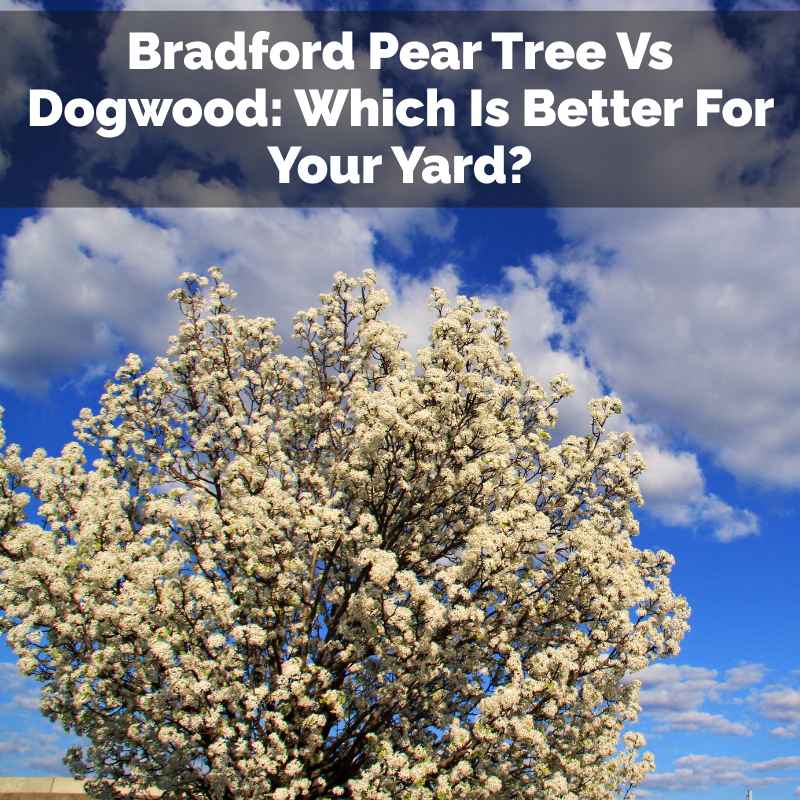
Bradford Pear Tree Vs Dogwood: Which Is Better For Your Yard?
Both trees offer pretty spring flowers. They also add color in the fall. But their growth habits, care needs, and potential problems are very different.
Understanding these differences is key. It helps you avoid headaches later. It also ensures you get the best display from your chosen tree.
Think about what you want most. Do you want fast growth? Do you want stunning flower displays?
Or are you looking for a more natural look? Your answers will guide your choice. We’ll dive deep into each tree.
We’ll cover their good points and bad points. We will also talk about how to care for them.
My Own Tree Tale: A Bradford Pear Predicament
I remember when I first moved into my house. The backyard was… okay. It needed some life.
I saw a neighbor’s yard with a tree covered in white flowers. It looked amazing. I asked them what it was.
They said, “Oh, that’s a Bradford pear! They’re so easy.” Easy sounded perfect. So, I went out and got one.
It grew fast. It looked great that first spring. Then came the next year.
The branches seemed a bit weak. They were too close together. One windy day, a loud CRACK echoed through the yard.
A major branch had split. It was messy. And it looked awful.
I learned then that “easy” doesn’t always mean “problem-free.” That experience taught me a lot.
Bradford Pear Tree: The Fast-Growing Choice
What it is: The Bradford pear is a very popular ornamental tree. It’s known for its quick growth and showy spring flowers. It has a neat, upright shape when young.
The leaves are glossy green. They turn shades of red and purple in the fall.
Pros:
- Fast growing.
- Abundant white flowers in spring.
- Good fall color.
- Tolerant of many soil types.
- Drought tolerant once established.
Cons:
- Weak branch structure.
- Prone to splitting in wind and ice.
- Can attract pests.
- Often sterile, but can cross-pollinate with other pear trees.
- Considered invasive in some areas.
Understanding the Bradford Pear
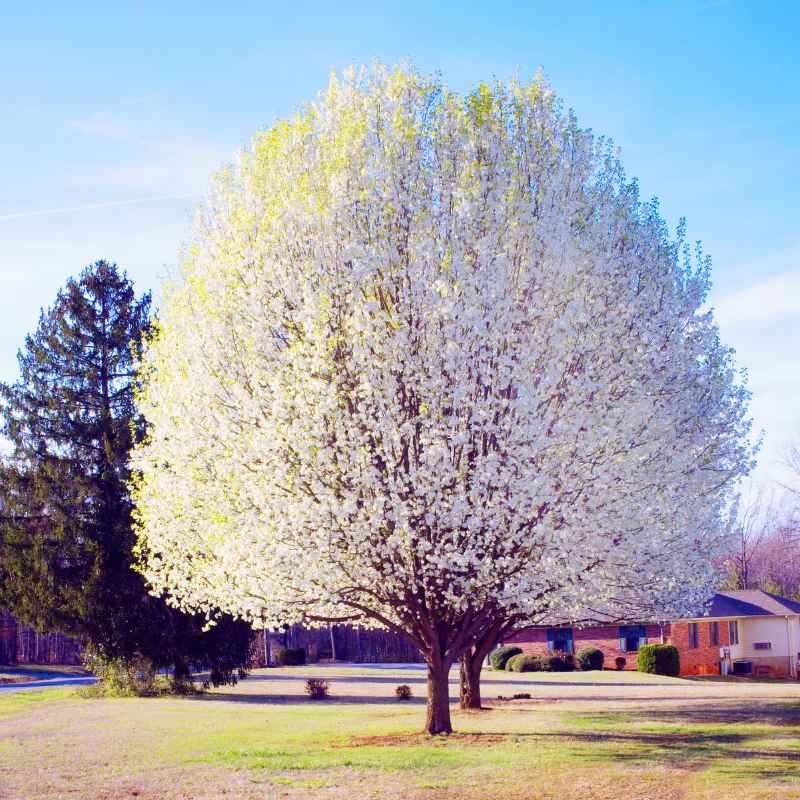
Bradford pear trees (Pyrus calleryana ‘Bradford’) were once very common. People loved their bright white flowers. These flowers appear early in spring.
They bloom before the leaves come out. This makes a big splash of color. The tree has a narrow, upright shape.
This makes it fit well in small spaces. It also looks good when planted in rows.
The tree tolerates a lot of different soils. It can handle dry spells once it’s grown. This makes it seem easy to care for.
The fall colors are also a plus. The leaves turn pretty shades of red, orange, and purple. This adds interest to the yard when flowers are gone.
However, there’s a big problem. The branches grow at sharp angles. They are often too close together.
This creates weak spots. High winds or heavy ice can easily split these branches. This can ruin the tree’s shape.
It can also be a safety hazard. Branches can fall on your house or car. Over time, many Bradford pears fail.
They split apart.
Another issue is pollination. While ‘Bradford’ is often called sterile, it can sometimes produce fruit. This happens if it’s near another type of Callery pear tree.
These fruits are small. They attract birds. But the seed can spread.
In many parts of the U.S., the Callery pear, including the Bradford, is now considered invasive. It can outcompete native plants.
Key Traits of the Bradford Pear
Flower: White, often early spring, very showy.
Leaf: Glossy green, turns red/purple in fall.
Shape: Narrow, upright, oval.
Growth Rate: Fast.
Lifespan: Often short due to structural issues.
Soil Needs: Tolerant of most soils.
Water Needs: Drought tolerant once established.
Concerns: Weak branches, splitting, invasiveness.
The Charm of the Dogwood Tree
Now, let’s talk about the dogwood tree. There are several kinds. The most common ornamental is the Flowering Dogwood (Cornus florida).
This tree is a classic for a reason. It brings a touch of elegance to any landscape. Dogwoods have beautiful flowers, but they are different from pear flowers.
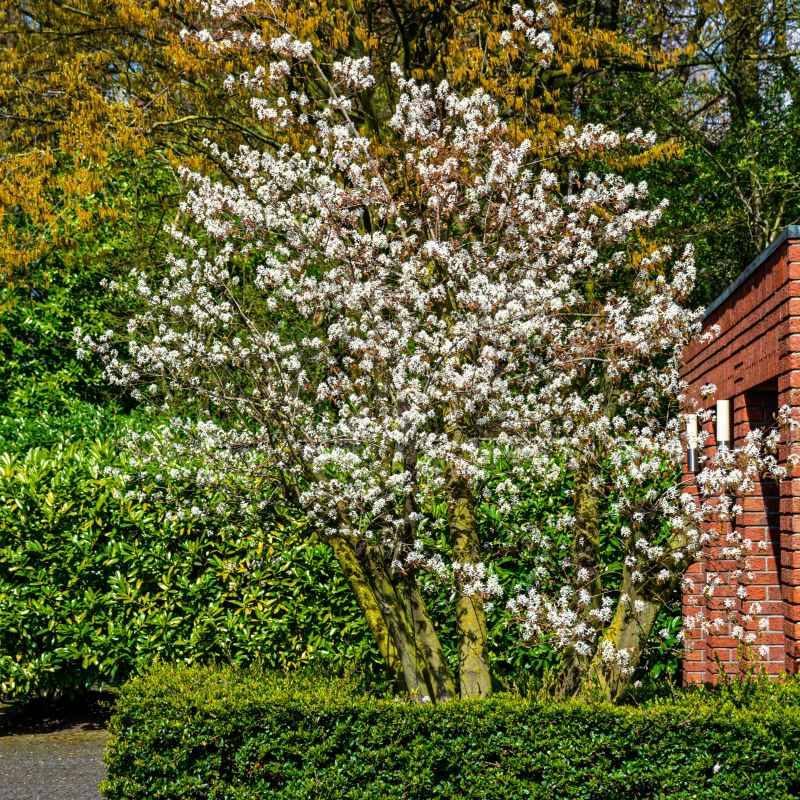
What we see as dogwood “flowers” are really modified leaves. These are called bracts. They are usually white or pink.
They surround a small cluster of true flowers in the center. These bracts bloom in mid-spring. They are delicate and beautiful.
They create a softer look than the Bradford pear’s showy display.
Dogwood trees have a lovely, spreading shape. They are often wider than they are tall. This makes them perfect as specimen trees.
They stand out on their own. Their bark is often interesting, too. It’s usually dark gray and broken into small blocks.
This looks like alligator skin. It adds texture even in winter.
In the fall, dogwoods offer more beauty. The leaves turn a rich red or reddish-purple. Many dogwood varieties also produce small red berries.
These berries are a food source for birds and other wildlife. This adds ecological value to your yard.
Dogwoods prefer slightly acidic soil. They like well-drained soil. They also do best with some shade.
Too much sun can scorch their leaves. They are not as tough as Bradford pears in terms of soil and drought. They need a bit more care, especially when they are young.
But they have a stronger structure.
Dogwood Tree Highlights
Flower: Bracts (often white or pink) in mid-spring.
Leaf: Oval, turns red/purple in fall.
Shape: Spreading, often horizontal branching.
Growth Rate: Slow to moderate.
Lifespan: Can be long-lived with good care.
Soil Needs: Prefers moist, well-drained, acidic soil.
Water Needs: Regular watering, especially when young.
Concerns: Susceptible to powdery mildew and anthracnose.
A Direct Comparison: Bradford Pear vs. Dogwood
Let’s put them side-by-side. This will make the differences clearer. It helps you see which tree fits your needs best.
| Feature | Bradford Pear | Dogwood (Flowering) |
|---|---|---|
| Spring Flowers | Abundant white clusters, very showy. | Delicate white or pink bracts, elegant. |
| Fall Color | Red to purple. | Rich red to reddish-purple. |
| Shape | Narrow, upright. | Spreading, often wider than tall. |
| Growth Rate | Fast. | Slow to moderate. |
| Branch Strength | Weak, prone to splitting. | Stronger, more natural form. |
| Soil Tolerance | High. Tolerates many types. | Moderate. Prefers acidic, well-drained. |
| Water Needs | Low, drought tolerant once grown. | Moderate, needs consistent moisture. |
| Pest/Disease | Pear pests, canker. | Powdery mildew, anthracnose. |
| Invasiveness | Considered invasive in many areas. | Generally not invasive. |
Real-World Context: Where They Thrive (or Don’t)
The environment plays a big role. A Bradford pear might seem like a good fit for harsh spots. It tolerates clay soil and pollution well.
This is why you see them often along city streets. They grow fast and give quick results. But that weakness in the branches is a constant worry.
Heavy snow or strong winds can cause major damage. Many homeowners in areas with harsh winters have learned this the hard way.
Dogwoods, on the other hand, are more sensitive. They prefer a bit of shelter. A spot with morning sun and afternoon shade is ideal.
This protects their leaves from drying out. They need soil that doesn’t stay waterlogged. But it also needs to hold some moisture.
Many people plant dogwoods under larger trees. This gives them the dappled light they crave. They look natural this way.
Their spreading form fits well under taller trees. Their structure is more forgiving. While they can get diseases, they don’t typically have the catastrophic branch failure that plagues Bradford pears.
Consider your local climate. If you have very harsh winters with lots of ice, a Bradford pear is risky. The weight of ice can snap even healthy-looking branches.
If you have a spot that’s a bit dry and exposed, a dogwood might struggle without consistent watering. You need to match the tree to the site.
Choosing the Right Spot
For Bradford Pear:
- Urban settings with tough conditions.
- Areas where fast screening is needed.
- Avoid windy locations.
For Dogwood:
- Underplanting larger trees for dappled light.
- Areas with good soil and some moisture.
- Locations where a beautiful, spreading shape is desired.
- Avoid full, intense sun all day.
What This Means for Your Yard: Normal vs. Concerning
Knowing what’s normal for each tree is important. For a Bradford pear, seeing upright, narrow growth is normal. Seeing abundant spring flowers is also normal.
What is concerning is seeing branches that are growing too close together. Look for V-shaped crotches where branches meet the trunk. Also, any sign of cracking or peeling bark at these junctions is a red flag.
If you notice branches starting to droop unnaturally after wind or rain, that’s a warning sign.
For a dogwood, seeing a graceful, spreading habit is normal. Having white or pink flowers (bracts) in spring is expected. Seeing nice fall color is also normal.
What’s concerning are yellowing leaves that don’t correspond with fall. Also, look for black spots on the leaves or flowers, especially in humid weather. This can indicate disease like anthracnose.
If the tree looks generally unhealthy, with slow growth and poor leaf development, it’s worth investigating. Is the soil too wet? Is it getting too much sun?
Simple Checks:
- Bradford Pear: Gently tug on branches. Do they feel very loose or wobbly? Check the main trunk for any splits.
- Dogwood: Examine the leaves. Are they spotted or wilting unnaturally? Check the soil moisture. Is it bone dry or soggy?
Quick Tips for Tree Care
While we’re not talking about full tree guides, a few tips can help.
Essential Tree Care Tips
Pruning:
- Bradford Pear: Prune to remove weak, crossing branches. Do this when the tree is young to encourage better structure. This is a must-do.
- Dogwood: Prune to shape and remove dead or crossing branches. Best done in late winter or early spring, before new growth starts.
Watering:
- Both trees need regular watering when newly planted.
- Once established, Bradford pears need less water.
- Dogwoods appreciate consistent moisture.
Mulching:
- Apply mulch around the base of both trees. Keep it a few inches away from the trunk. This helps retain moisture and suppress weeds.
Frequently Asked Questions about Yard Trees
Are Bradford pear trees really that bad?
Bradford pear trees are problematic mainly due to their weak branch structure. This makes them prone to splitting, especially in wind and ice storms. In many regions, they are also considered invasive because they can spread and outcompete native plants.
While they offer quick beauty, their long-term drawbacks are significant for many homeowners.
Is a dogwood tree hard to grow?
Dogwood trees are not necessarily hard to grow, but they do have specific needs. They prefer well-drained, slightly acidic soil and benefit from some afternoon shade. They need regular watering, especially when young, and can be susceptible to certain diseases like powdery mildew and anthracnose.
Providing the right conditions helps them thrive.
Which tree provides more shade?
Dogwood trees typically develop a more spreading and graceful canopy. This can provide a more substantial and attractive shade over time. Bradford pear trees are naturally more upright and narrow.
While they grow fast, their shade pattern is often less dense and spread out compared to a mature dogwood.
Can I plant a Bradford pear near other pear trees?
It is generally advised not to plant Bradford pear trees near other Callery pear varieties or edible pear trees. While ‘Bradford’ was once thought to be sterile, it can cross-pollinate with other Callery pears. This can lead to the development of fertile seeds that are spread by birds, contributing to invasive spread in natural areas.
What are signs of disease on a dogwood tree?
Common signs of disease on dogwood trees include black spots on leaves or flowers (anthracnose), a white powdery coating on leaves (powdery mildew), and wilting or dieback of branches. Yellowing leaves that aren’t related to fall color can also indicate stress or disease. Ensuring good air circulation and proper watering can help prevent some issues.
Which tree is better for attracting wildlife?
Dogwood trees are generally better for attracting wildlife. They produce small red berries in the fall that are a food source for many bird species. Their more natural form can also offer better habitat.
While birds might be attracted to Bradford pears for nesting or shelter, they do not produce significant fruit for consumption.
Final Thoughts on Your Tree Choice
Choosing between a Bradford pear and a dogwood is about priorities. If you need fast growth and a splash of early spring color, and you’re willing to manage potential structural issues, a Bradford pear might seem tempting. But remember the invasiveness and weak limbs.
For a tree with lasting beauty, a stronger structure, and a more natural aesthetic, the dogwood is often the superior choice. It brings elegance and supports local wildlife. Take your time.
Consider your yard’s conditions. Your perfect tree awaits.