Bracket Ideas For Shelves That Are Stylish And Functional
Tired of shelves that just sit there, looking a bit plain? You know, the ones that hold your stuff but don’t really add anything to the room? It’s like having a functional but uninspired outfit.
We get it. You want shelves that do their job AND look good doing it. You want them to be a bit of a statement, a little bit of art, and a whole lot of useful.
Finding the right shelf brackets can feel like a treasure hunt. There are so many options, and sometimes they all blend together. But the truth is, brackets are more than just supports.
They are design elements. They can change the whole feel of a shelf and the space around it.
This guide is here to help you see the light. We’ll walk through tons of bracket ideas. We’ll talk about different looks, materials, and how to pick the best ones for your home.
Get ready to make your shelves shine.
Choosing stylish and functional shelf brackets can transform plain shelves into decorative features. Explore various materials like metal, wood, and glass, and consider designs from minimalist to ornate. The right bracket enhances both storage capacity and your home’s overall aesthetic, making them a key element in interior design.
What Shelf Brackets Are and Why They Matter
Overall Pick For Decorative Floating Shelves
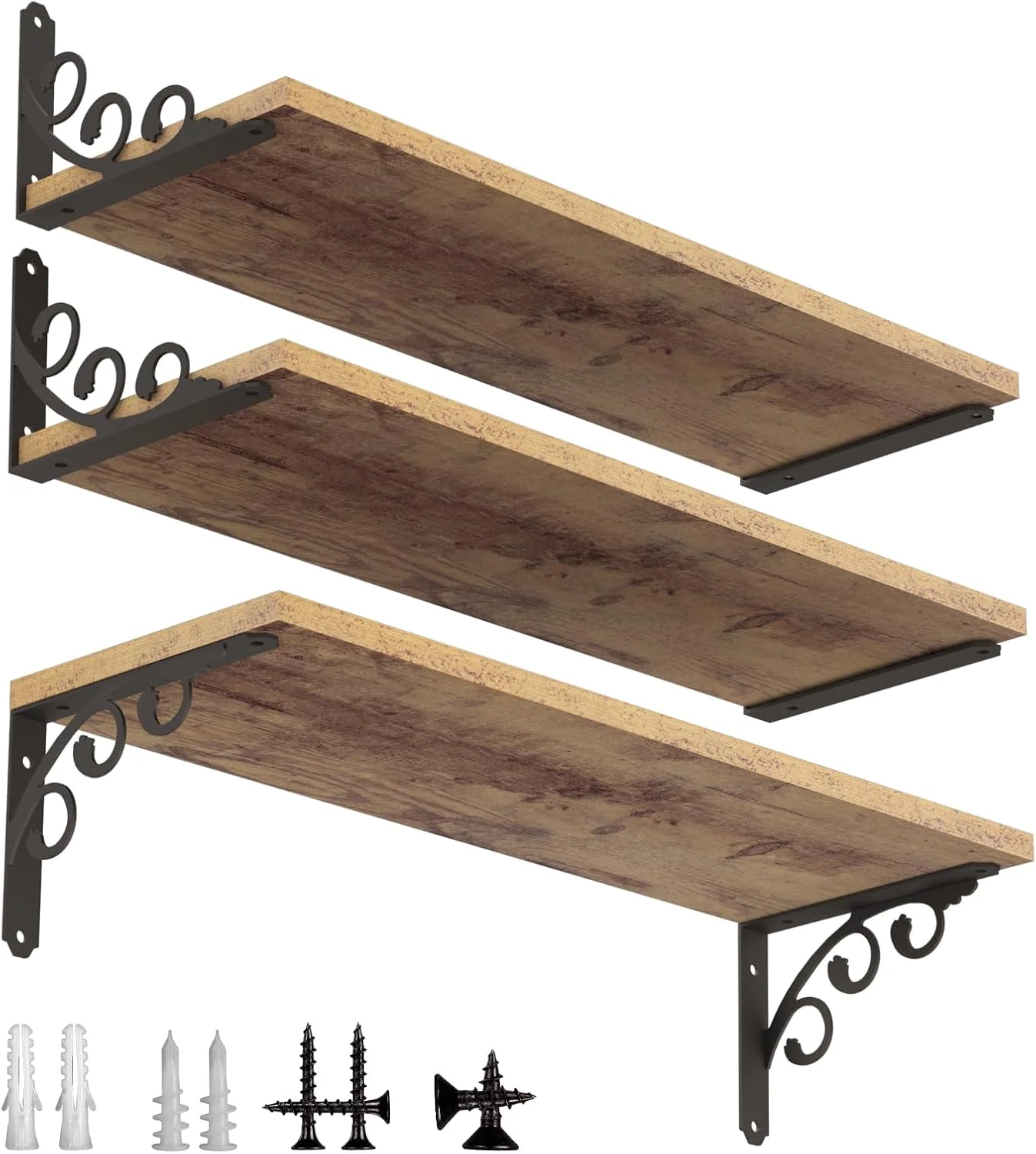 |
IARTOPS L Shelf Brackets, 6-Pack (Black Iron) A rustic-industrial L-bracket like the ones this guide covers – matte black iron, rated to 80 lbs per pair, with wall anchors and screws included for drywall, brick, or concrete.
|
At their core, shelf brackets are simple supports. They hold up your shelves. Think of them as the unsung heroes of your walls.
They stop your books, plants, and knick-knacks from taking a tumble. But how much weight a shelf can actually hold depends on the bracket as much as the shelf itself.
The shape, material, and finish of a bracket can completely change the look of a shelf. A sleek, modern metal bracket gives a different vibe than a rustic wooden one. It’s like choosing jewelry for an outfit.
The right piece elevates the whole look.
Brackets also affect how a shelf is installed and how much weight it can hold. Some are super strong and can hold heavy items. Others are more for show.
Understanding these differences helps you pick the best ones for your needs. This means your shelves will be both beautiful and safe.
Why the Right Bracket Makes a Bigger Difference Than It Seems
A plain flat metal bracket and a scrolled iron bracket cost only a few dollars apart, yet they change the entire feel of a room. Plain brackets disappear into the wall – they hold the shelf, nothing more. A bracket with a scroll design, a distressed finish, or a corbel shape reads as an intentional design choice instead of an afterthought.
This is easiest to see in a kitchen or living room with open shelving, where the brackets sit in plain view all day. Swapping a basic L-bracket for one with real detailing is one of the cheapest upgrades a room can get – the shelf, the wall, and the items on it all stay exactly the same, and the brackets alone shift the look from purely functional to finished.
Types of Shelf Brackets
L-Brackets: The classic. They form an ‘L’ shape. One part screws to the wall, the other to the shelf.
Very common and reliable.
Floating Shelf Brackets: These are hidden. They attach to the wall, and the shelf slides onto them. Makes the shelf look like it’s floating.
Corner Brackets: Designed for corners. They often have a unique shape to fit snugly.
Corbel Brackets: These are often decorative. They look like small, carved supports. They add a fancy touch.
Right-Angle Brackets: Similar to L-brackets but can be more substantial. Good for heavy loads.
Exploring Bracket Materials and Styles
The material and style of your shelf brackets are key to their look. They need to match your home’s vibe. Let’s break down some popular choices.
Metal Brackets: Strong and Stylish
Metal is super popular for a reason. It’s strong. It can hold a lot.
And it comes in so many styles.
Metal Bracket Styles
- Iron: Great for a rustic or industrial look. Black iron is common. Wrought iron can be very fancy.
- Steel: Often sleek and modern. Stainless steel is shiny and clean. Powder-coated steel comes in many colors.
- Aluminum: Lighter than iron or steel. Good for lighter loads but still durable.
- Brass/Copper: Add a touch of warmth and elegance. Can look vintage or modern depending on the finish.
Metal brackets can be simple and clean. Think thin, straight lines for a modern home. Or they can be ornate, with scrolls and curves for a more traditional space.
They are also very durable. This makes them great for kitchens or areas where you store heavy items.
Wood Brackets: Natural Warmth
Wood brackets bring a cozy, natural feel. They work well in farmhouse, cottage, or rustic decor.
Wood Bracket Styles
- Natural Wood: Pine, oak, or maple. You can leave them plain or stain them.
- Painted Wood: White, black, or a pop of color. Painted brackets can fit many styles.
- Reclaimed Wood: These have character. They show age and texture. Perfect for a vintage look.
Wood brackets are often thicker and chunkier. This gives shelves a solid, grounded feel. They can be carved or have simple shapes.
You can even DIY them easily. This makes them a great budget-friendly option. Just be sure they are sealed well, especially in humid areas like kitchens.
Glass and Acrylic Brackets: Modern and Light
For a really clean, modern look, glass or acrylic brackets are amazing. They almost disappear. This makes your shelves look like they are floating, even without special hardware.
Glass & Acrylic Bracket Notes
Glass: Usually thick and strong. Often tempered for safety. Looks very clean and airy.
Acrylic: Lighter than glass. Can be clear or colored. Very modern and chic.
Consideration: These are best for lighter items like decorative objects or small plants. Check the weight limit carefully.
These brackets are perfect for displaying delicate items. They don’t distract from what you’re showing. They create a sense of lightness.
Imagine a beautiful vase on a shelf that seems to hover. That’s the magic of glass or acrylic.
Popular Bracket Designs for Every Room
Let’s get specific. What kind of bracket works where? And for what style?
Industrial Chic Brackets
This style is all about raw materials and a slightly unfinished look. Think pipes, rough metal, and bold shapes.
Industrial Shelf Bracket Ideas
Pipe Brackets: Made from plumbing pipes. They have a very raw, edgy feel. Often come in black or galvanized metal.
Heavy-Duty Metal Brackets: Thick steel with a dark, matte finish. Often have a visible weld or bolted look.
T-Brackets: Simple, strong T-shapes. They are very functional and no-nonsense.
Use Case: Great for living rooms, home offices, or kitchens. They pair well with wood shelves.
These brackets are great for making a statement. They add a touch of urban style. They look fantastic with reclaimed wood or concrete-look shelves. If you are mounting a pipe or rod bracket yourself, see how to attach a metal rod to wood securely before you hang anything heavy on it.
Rustic and Farmhouse Brackets
Warm, inviting, and full of character. This style embraces natural textures and a cozy feel.
Rustic & Farmhouse Shelf Bracket Ideas
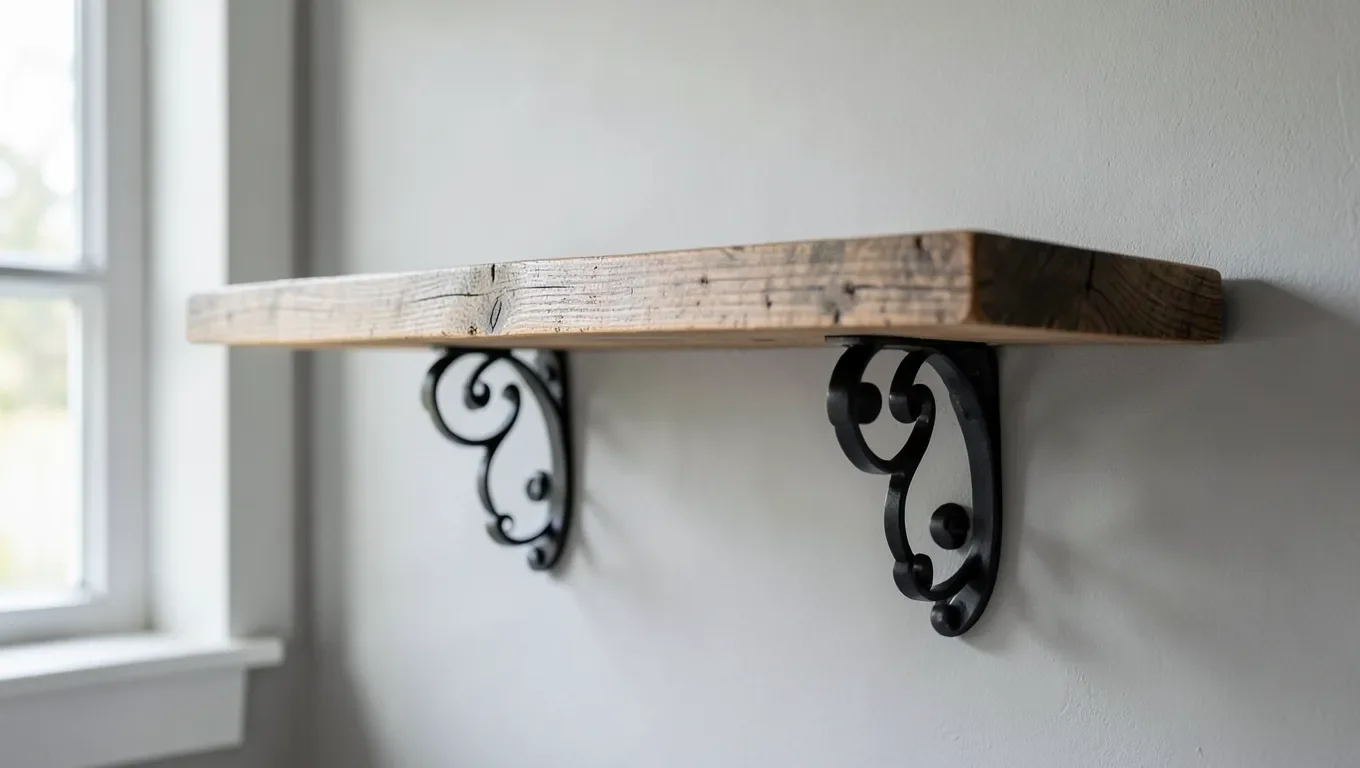
Wrought Iron Brackets: Often feature scrolls, curves, or lace-like details. They add an antique charm.
Chunky Wooden Brackets: Made from thick, solid wood. Can be distressed or have a natural grain.
Cast Iron Brackets: Heavy and solid. Sometimes have animal motifs or floral patterns.
Use Case: Perfect for dining rooms, kitchens, or entryways. They bring warmth to any space.
These brackets feel grounded and authentic. They often have a hand-made quality. They make shelves feel substantial and welcoming.
They are ideal for displaying farmhouse decor or kitchen essentials.
Minimalist and Modern Brackets
Clean lines, simple shapes, and understated elegance. This style is about less is more.
Minimalist & Modern Shelf Bracket Ideas
Slim Metal L-Brackets: Thin profiles in finishes like brushed nickel, chrome, or matte black.
Invisible Brackets: Designed to be hidden, creating a floating shelf effect.
Geometric Brackets: Simple shapes like triangles or trapezoids in clean metal.
Use Case: Excellent for small spaces or rooms with a contemporary design. They let the items on the shelf take center stage.
These brackets are all about subtlety. They support without drawing attention. They are perfect for showcasing art or minimalist decor.
They keep a room feeling uncluttered and airy.
Ornate and Decorative Brackets
When you want your brackets to be a focal point. These add flair and personality.
Ornate & Decorative Shelf Bracket Ideas
Victorian-Style Brackets: Often feature elaborate patterns, floral motifs, or filigree.
Carved Wood Corbel Brackets: These look like architectural elements, often with intricate carvings.
Art Nouveau Inspired: Flowing lines and organic shapes.
Use Case: Ideal for adding a touch of luxury or historical charm to a room. Use them where you want to make a decorative impact.
These brackets are like jewelry for your shelves. They can elevate a simple shelf into a piece of art. They are great for display shelves in living rooms or dining rooms where you want to impress.
Practical Considerations for Choosing Brackets
Beyond looks, there are practical things to think about. Safety and function are paramount.
Weight Capacity
This is crucial. How much stuff do you plan to put on the shelf? Brackets have weight limits.
These are usually listed by the manufacturer. Always choose brackets that can hold more than you think you’ll need. This adds a safety margin.
Thicker metal, solid wood, and well-engineered floating shelf systems generally have higher weight capacities. Simple, thin brackets or decorative ones might be best for lighter items like photos or small decor pieces. Don’t risk a shelf collapse!
Shelf Depth and Thickness
The size of your shelf matters. A bracket needs to be the right size to support the shelf properly. The part of the bracket that holds the shelf should be long enough.
This prevents the shelf from tipping forward. Also, the bracket should be a good match for the thickness of your shelf material. Too big or too small can look awkward.
For deeper shelves, you might need longer brackets or more of them. For thicker shelves, you might want brackets with a more substantial profile. It’s about balance and support.
Wall Type and Installation
What kind of wall are you mounting these on? This affects how you install them. Drywall needs screws with plastic inserts to grip without pulling loose.
Plaster walls can be tricky. Masonry walls need specific anchor screws built for brick.
Making that hole in the first place also takes the right bit and enough power behind it — see whether a regular drill can handle concrete before you start, or if it is time to borrow a hammer drill.
Always use the right hardware for your wall type. If you’re unsure, consult a professional. For heavy shelves, screwing into wall studs is the strongest option.
Brackets designed for heavy loads usually have multiple screw holes for secure mounting.
Room and Purpose
Think about the room and what the shelf will be used for.
Shelf Use Cases by Room
| Kitchen: | Holds dishes, spices, pots. Needs strong, easy-to-clean brackets. Metal or sturdy wood work well. |
| Living Room: | Displays books, decor, photos. Style is important. Can be more decorative or minimalist. |
| Bedroom: | Nightstand shelves, display shelves. Can be stylish or very simple. |
| Bathroom: | Holds toiletries, towels. Needs moisture-resistant materials. Metal or sealed wood. |
| Home Office: | Holds books, supplies, files. Functionality and strength are key. Industrial or modern styles are popular. |
The purpose of the shelf guides your choice. A kitchen shelf holding heavy pots needs robust support. A living room shelf for photos can be more about aesthetics.
Match the bracket’s strength and style to its job.
DIY Bracket Ideas to Inspire
Sometimes the most unique and stylish brackets are the ones you make yourself. It’s a great way to save money and add a personal touch.
Simple Wood Brackets
Cut pieces of wood. Make an L-shape. Sand them smooth.
Stain or paint them. You can create simple, clean brackets that look great. You can even add decorative cuts or shapes with a saw if you’re feeling crafty.
Upcycled Materials
Got old plumbing pipes? You can assemble them into cool industrial-style brackets. Old pieces of furniture can be cut down.
Even sturdy branches can be adapted. Think outside the box. Look around your house for materials you can reuse.
Personalized Touches
Once you have basic brackets, you can personalize them. Add small carvings. Paint them with a unique design.
Or even embed small tiles or mosaic pieces for a bohemian flair.
DIY brackets allow for ultimate customization. You can match them perfectly to your decor. Plus, there’s a real sense of accomplishment when you build something yourself that looks amazing.
When to Use Floating Shelf Brackets
Floating shelf brackets are a game-changer for a modern, clean look. They are designed to be hidden. This makes the shelf appear to float on the wall.
Pros of Floating Shelf Brackets
- Clean Aesthetics: No visible hardware. Creates a minimalist look.
- Space-Saving: Can be installed in tight spaces without visually cluttering the room.
- Versatile: Works with various wall types and decor styles.
These brackets typically consist of metal rods that insert into the shelf. The rods are then secured to the wall. The shelf then slides onto these rods.
It’s a clever design. You need to make sure your shelf is thick enough to accommodate the rods. And you must install them very securely to the wall for safety.
They are great for displaying art or small collections.
Corbel Brackets: Adding Architectural Flair
Corbel brackets are more decorative than functional. They are often used as architectural elements. They add a touch of elegance or old-world charm.
Corbel Bracket Characteristics
Design: Often carved from wood or cast from metal. They have elaborate shapes, like a fancy triangle or a decorative curve.
Purpose: Primarily for visual appeal. They support shelves but their main job is to look good.
Where to Use: Great for fireplaces, entryways, or as decorative accents in dining rooms.
If you have a more traditional or ornate home style, corbel brackets can be a perfect fit. They make a shelf feel more like a built-in feature. They add a sense of history and craftsmanship to your space.
Just be mindful of their weight-bearing capabilities.
How to Choose the Right Brackets for Your Style
So, how do you pull it all together? Here’s a simple way to decide.
Style Match Quick Guide
Modern/Minimalist: Slim metal, invisible brackets, clean lines.
Industrial/Urban: Pipe brackets, raw metal, bold T-shapes.
Rustic/Farmhouse: Wrought iron, chunky wood, distressed finishes.
Traditional/Elegant: Ornate metal, carved wood corbels, antique finishes.
Bohemian/Eclectic: Unique shapes, mixed materials, DIY elements.
Look at your room. What is the overall feel? Are the furniture pieces sleek and modern?
Or are they more rustic and cozy? Your brackets should blend in or complement that. Think about the colors and textures already in the room.
Then, choose brackets that enhance them.
What This Means for Your Shelves
Understanding bracket options means your shelves can go from just functional to truly fabulous.
When it’s normal: Using simple L-brackets for everyday storage is totally fine. If your main goal is just holding things, a basic bracket will do the job.
When to worry: If you’re putting heavy items on a shelf and using brackets that aren’t strong enough, that’s a worry. Always check the weight limits. Also, if your brackets look out of place with your decor, it can make the whole shelf look off.
Simple checks: Before buying, feel the weight of the bracket. Does it feel sturdy? Look at the finish.
Is it durable? If possible, check reviews for how well they hold up over time. Ensure the size is proportionate to your shelf and wall space.
Quick Tips for Stylish Shelf Brackets
Here are a few final thoughts to make your shelves pop.
- Match the Metal: If you have lots of brushed nickel fixtures in your bathroom, choose brushed nickel brackets for your shelf there.
- Contrast is Key: Sometimes, contrasting brackets look amazing. Dark brackets on a light wall, or vice versa.
- Consider the Finish: A matte black finish is modern. A polished chrome is sleek. A distressed bronze is vintage.
- Don’t Forget Scale: Large brackets can look great on a large wall. Tiny brackets might get lost.
- Group Them: For longer shelves, using more brackets can add visual interest and strength.
Frequently Asked Questions About Shelf Brackets
What are the strongest shelf brackets?
The strongest shelf brackets are typically made of thick, solid metal like steel or cast iron. Heavy-duty L-brackets designed for high weight capacity, and robust floating shelf systems engineered for significant loads, are often the most reliable for holding substantial weight.
Can I use decorative brackets for heavy items?
It depends on the bracket. Many decorative brackets, like ornate metal or carved wood corbels, are primarily for looks and may not have a high weight capacity. Always check the manufacturer’s stated weight limit.
If you need to hold heavy items, opt for strong, functional brackets, even if they are less decorative.
How do I make my shelves look good with brackets?
Choose brackets that complement your room’s style. For a modern look, use slim metal or invisible brackets. For a rustic feel, try wrought iron or chunky wood.
Ensure the brackets are installed neatly and are proportionate to the shelf size and the wall space. Sometimes, contrasting bracket colors can create a striking effect.
What is the difference between L-brackets and corbels?
L-brackets are typically a simple right-angle shape designed for strong support. They are very functional. Corbels are usually more decorative architectural pieces that can support a shelf but are primarily chosen for their aesthetic appeal and elaborate designs.
How far apart should shelf brackets be?
For most shelves, placing brackets about two-thirds of the way in from each end is a good rule of thumb. For longer shelves, add a bracket in the middle. The exact spacing can depend on the shelf material, its length, and the weight it needs to support.
Always refer to the bracket’s weight capacity and recommendations.
Are floating shelf brackets safe for heavy items?
Floating shelf brackets can be very safe and strong if installed correctly. The strength depends on the quality of the bracket system and, crucially, how securely they are anchored to the wall, preferably into studs. Always check the specific weight limit for the floating shelf hardware you are using.
Making Your Shelves a Design Feature
So, there you have it! Shelf brackets are so much more than just supports. They are design elements.
They can add style, personality, and a finished look to your walls.
By considering materials, styles, and practical needs, you can choose brackets that don’t just hold things up. They can make your shelves a beautiful part of your home. Get creative, and have fun making your shelves shine!
Sponsored / affiliate links. As an Amazon Associate I earn from qualifying purchases. I may earn additional commission from eligible campaigns.