Ez Plank Laminate Flooring: Install, Cost & Full Review
EZ Plank laminate flooring is one choice that pops up. Many people wonder if it’s as easy to use as the name suggests. They also want to know if it’s worth the money.
This guide is here to break it all down for you. We’ll cover how to install it, what it costs, and what real people think about it. By the end, you’ll have a clear picture.
EZ Plank laminate flooring offers a DIY-friendly option for homeowners. It typically involves click-lock planks, making installation simpler than traditional methods. Costs vary but are often competitive. Its durability and aesthetic appeal are key considerations for many. This review explores its practical aspects for home use.
What is EZ Plank Laminate Flooring?
EZ Plank laminate flooring is a type of floor covering. It’s made to look like real wood or stone. But it’s not made of these natural materials.
Instead, it’s built in layers. These layers are pressed together tightly. The top layer is a clear, tough coating.
This coating protects the floor from scratches and spills.
Underneath that is a design layer. This is a high-resolution picture. It’s what gives the plank its wood grain or stone pattern.
The core layer is usually made of high-density fiberboard (HDF). This is a strong material. It gives the plank its structure and stability.
Finally, there’s a backing layer. This layer helps with moisture resistance and can reduce noise.
The “EZ Plank” name usually points to its installation method. Most EZ Plank products use a click-lock system. This means the planks don’t need glue or nails.
You simply snap them together. This makes it much easier for people to install themselves. It’s a popular choice for DIYers.
It offers a way to update a room without hiring professionals.
The main goal of laminate flooring like EZ Plank is to give you the look you want. You can get the charm of oak, the elegance of walnut, or the modern feel of concrete. All this comes at a lower price than the real thing.
Plus, it’s often more durable for everyday life. Kids and pets? Laminate can usually handle it.
My First Time Trying a Click-Lock Floor
I remember the first time I decided to tackle a flooring project myself. It was in our old guest room. The carpet was faded and tired.
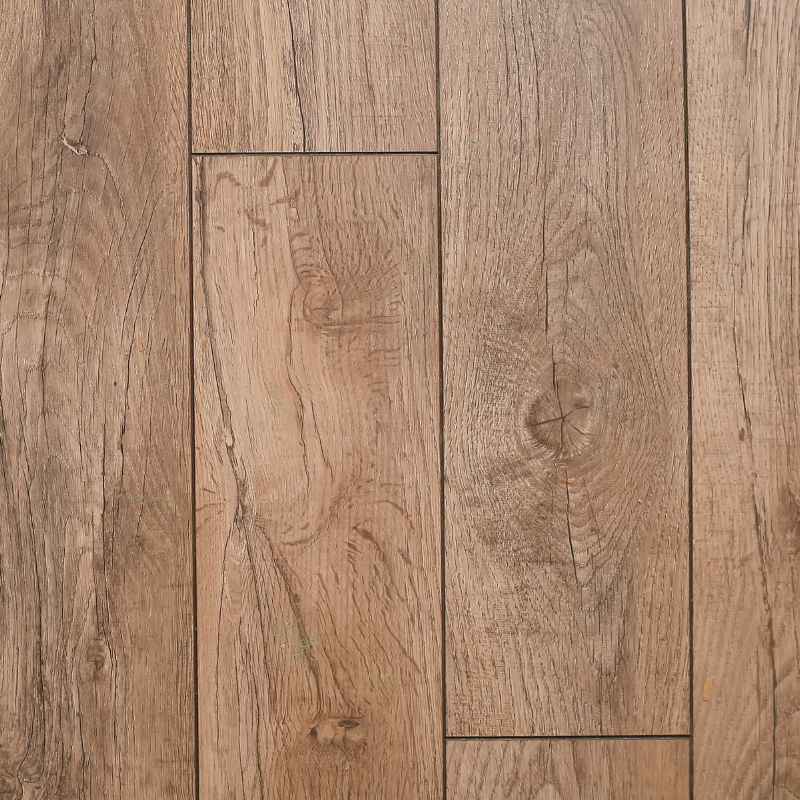
I’d always wanted that light, airy wood look. I saw EZ Plank laminate at the store. The box said “Easy Install!” and “No Glue Needed.” I thought, “This is it!
I can do this.”
I brought the boxes home, feeling pretty confident. Unpacking the planks, they looked nice. The wood grain pattern was convincing.
I laid out the first few planks on the floor. The click-lock mechanism seemed straightforward. You just angle one plank into another and press down.
It clicked! Success! My heart did a little happy dance.
But then I got to the first wall. Cutting the planks was a different story. My cheap hand saw wasn’t making clean cuts.
The edges looked rough. I felt a wave of panic. Was I going to mess this up?
I nearly gave up and called a professional. That little click in the beginning felt like a distant memory. I learned fast that “easy” doesn’t always mean “effortless.” It takes practice, the right tools, and patience.
Understanding the Layers of EZ Plank
Let’s dive a bit deeper into what makes EZ Plank flooring tick. It’s like a well-built sandwich. Each layer has a job to do.
Knowing these layers helps you understand its strengths and weaknesses.
Laminate Flooring Construction: A Layer-by-Layer Look
- Wear Layer: This is the superhero. It’s a clear, tough coating. It fights off scratches, dents, and stains. The thicker this layer, the more durable your floor will be. Good quality laminate has a strong wear layer.
- Design Layer: This is the pretty part. It’s a printed image. It looks like real wood, stone, or tile. This layer is what makes laminate so versatile in design.
- Core Layer: This is the backbone. It’s usually made of High-Density Fiberboard (HDF). It provides stability and strength. It also helps with moisture resistance, though it’s not waterproof.
- Backing Layer: This is the foundation. It balances the core layer. It adds extra moisture protection. It can also help quiet footsteps.
The quality of the HDF core is really important. A denser core means the planks are less likely to swell if they get wet. It also means they are less likely to chip or crack over time.
For EZ Plank, as with any laminate, check the thickness. Thicker planks often feel more solid underfoot.
The click-lock system itself is also part of the structure. The way the edges are shaped allows them to interlock. Some systems are stronger than others.
A good click-lock should be easy to engage but also feel secure once it’s locked. You don’t want gaps forming between planks over time.
EZ Plank Installation: What to Expect
Installing EZ Plank laminate is often simpler than many other flooring types. This is its biggest selling point for homeowners. The click-lock system is the star here.
You don’t need special tools like nail guns or glue guns for the main installation.
First, you need to prep your subfloor. This is super important. The subfloor must be clean, dry, and level.
Any bumps or dips can show through the laminate. They can also put stress on the click-lock joints. You might need to level it out.
You also need an underlayment. This pad goes under the laminate.
Underlayment: Your Floor’s Comfort Layer
- Purpose: Adds a cushion for comfort.
- Noise Reduction: Helps quiet footsteps.
- Moisture Barrier: Some underlayments have this feature. It’s vital over concrete.
- Leveling: Can help smooth out minor subfloor imperfections.
Once the subfloor is ready, you start laying the planks. You typically begin along one wall. You’ll need to cut the first plank to fit the room width.
Then, you lay the next plank. You angle its edge into the first plank. Then you press down.
It should click into place. You continue this row by row.
You will need a few tools. A measuring tape is a must. You’ll also need a way to cut the planks.
A laminate cutter or a jigsaw works well. You might need a tapping block and a pull bar. These help gently tap planks into place.
Safety glasses are also a good idea. You don’t want dust in your eyes.
One common challenge is the transition. Cutting around doorways or awkward shapes takes time. Patience is key.
Most EZ Plank products suggest leaving a small gap around the edges of the room. This is called an expansion gap. It lets the floor expand and contract with changes in humidity.
You cover this gap later with baseboards or trim.
For most DIYers, the first few rows are the trickiest. Once you get the rhythm, it goes much faster. Watching videos of the specific click-lock system you bought can be very helpful.
Seeing it done can clear up a lot of questions. Many brands offer detailed installation guides online.
Cost of EZ Plank Laminate Flooring
The cost of EZ Plank laminate flooring can vary quite a bit. It depends on the brand, the quality, and where you buy it. Generally, laminate flooring is a budget-friendly option compared to hardwood or high-end tile.
This makes it appealing for many homeowners looking to update their space without a huge expense.
You can often find basic EZ Plank laminate for around $1.50 to $3.00 per square foot. Higher-end options, with better wear layers, thicker cores, or more realistic designs, can cost $3.00 to $5.00 per square foot, or even more. The underlayment will add to the cost.
This usually runs $0.20 to $1.00 per square foot.
Cost Breakdown: What to Budget For
- Flooring Material: $1.50 – $5.00+ per sq ft
- Underlayment: $0.20 – $1.00 per sq ft
- Installation Tools: One-time purchase, varies widely.
- Trim/Molding: $1 – $3 per linear foot (to cover expansion gaps).
- Optional Professional Installation: $2 – $6 per sq ft (if you decide not to DIY).
When you’re calculating the total cost, don’t forget the extras. You’ll need trim pieces. These go along the base of your walls.
They cover the expansion gap. You might also need transition strips. These are used where your laminate meets another type of flooring, like tile or carpet.
These can add another dollar or two per square foot to your project.
Buying in bulk can sometimes lead to discounts. Also, keep an eye out for sales at home improvement stores. Sometimes, you can find great deals on discontinued styles.
You need to buy a bit extra for cuts and mistakes. It’s usually recommended to get about 10% more than your room’s square footage.
If you decide to hire a professional installer, that cost will increase significantly. Professional installation can add $2 to $6 per square foot. This depends on your region and the complexity of the job.
For a 12×15 foot room (180 sq ft), the flooring itself might cost $270-$900. With professional installation, that could jump to $630-$2,000 or more.
Durability and Maintenance of EZ Plank
One of the main reasons people choose laminate flooring like EZ Plank is its durability. It’s designed to stand up to the demands of a busy home. The tough wear layer is key here.
It can resist daily wear and tear quite well. This means it’s a good option for high-traffic areas like living rooms and hallways.
Laminate is generally resistant to scratches and fading. The design layer is protected by that clear top coat. So, sunlight won’t easily fade the color.
Pets’ claws are less likely to scratch it compared to softer materials. However, it’s not invincible. Heavy furniture can still dent it if not moved carefully.
Sharp objects dropped on it can also cause damage.
When it comes to cleaning, laminate is pretty easy. You don’t need special cleaners. For everyday messes, a broom or a dust mop works fine.
For slightly dirtier floors, you can use a damp mop. The trick is to make sure the mop is not too wet. Excess water can seep into the seams between planks.
It can cause the HDF core to swell.
Quick Cleaning Tips for Laminate
- Daily: Sweep or use a dust mop.
- Weekly: Damp mop with a microfiber mop. Use plain water or a laminate-specific cleaner.
- Spills: Wipe up immediately. Don’t let liquids sit.
- Avoid: Wax-based polishes, abrasive cleaners, and steam mops.
It’s important to remember that most laminate flooring is water-resistant, not waterproof. This means it can handle spills if cleaned up quickly. But if a large amount of water sits on the floor for a long time, especially in the seams, it can cause damage.
This is why it’s generally not recommended for bathrooms or laundry rooms where flooding is a risk.
To help maintain its look and longevity, use felt pads on the legs of furniture. Move heavy items carefully rather than dragging them. Regular sweeping and occasional damp mopping will keep it looking good for years.
Most manufacturers offer warranties on their laminate flooring, often ranging from 10 to 30 years.
Real-World Scenarios and Use Cases
EZ Plank laminate flooring finds a home in many different parts of a house. Its versatility and cost make it a popular choice. Let’s look at where it performs well and where you might want to think twice.
Living Rooms and Dining Rooms: These are prime spots for laminate. They get a lot of foot traffic but usually aren’t exposed to standing water. The variety of styles means you can match almost any decor.
The click-lock system makes it easy for homeowners to install these larger areas themselves.
Hallways and Entryways: Hallways see constant use. Laminate’s durability is a big plus here. For entryways, especially in drier climates, it can work.
However, if you live in a snowy or very rainy area, you might want a more robust material right at the door. Think about a durable rug to catch water and dirt.
Where EZ Plank Shines (and Where It Might Not)
Good For:
- High-traffic living areas
- Bedrooms
- Home offices
- Drier climate entryways
Consider Carefully For:
- Bathrooms (high moisture risk)
- Laundry rooms (high moisture risk)
- Kitchens (spills are common, though can work with caution)
- Areas with heavy direct sunlight (some fading may occur over very long periods)
Bedrooms: Laminate is a great choice for bedrooms. It’s warmer underfoot than tile. It’s also quieter, especially with a good underlayment.
The ease of installation makes it a weekend project for many. Plus, the variety of wood looks adds a cozy feel.
Kids’ Rooms and Play Areas: The durability and ease of cleaning make laminate a practical option for kids’ rooms. Spills from juice boxes or crayon marks are usually easy to wipe away. It holds up to toys being dropped.
However, for very young children who spend a lot of time on the floor, a carpet or a softer surface might be more comfortable.
Kitchens: This is a more debated area. Many people use laminate in their kitchens. The key is to be very careful with spills.
If you have a dishwasher or sink, the risk of water leaks is higher. Many newer laminates have improved water resistance. But it’s still not the best choice for a “set it and forget it” kitchen floor.
You must be diligent about wiping up any water immediately.
Basements: Basements can be tricky. They can be prone to dampness or flooding. If your basement is consistently dry and you’ve managed moisture issues, laminate can work.
However, it’s usually better to use a more moisture-proof flooring option down there, like vinyl plank. Always check the manufacturer’s recommendations for basement use.
What This Means for Your Home
So, what does all this mean for your home renovation plans? EZ Plank laminate offers a practical solution for many rooms. Its affordability means you can update larger areas of your home without breaking the bank.
The DIY aspect can save you a lot on labor costs. It’s a way to get a fresh, modern look relatively quickly.
Think about the room you want to update. Is it a high-traffic area? Does it get a lot of sunlight?
Is there a risk of spills or moisture? For most living spaces, bedrooms, and hallways, EZ Plank is a solid performer. It offers a good balance of looks, price, and durability.
Quick Checks Before You Buy
- Room Type: Match the flooring to the room’s use and moisture levels.
- Durability Rating: Look for AC ratings (AC3, AC4, AC5). Higher is more durable.
- Wear Layer Thickness: A thicker wear layer means better protection.
- Installation System: Ensure it looks manageable for your DIY skills.
- Warranty: Check the length and what it covers.
If you’re choosing a style, consider the light in the room. Lighter colors can make a space feel bigger and brighter. Darker colors can add drama and coziness.
Textured finishes can make the “wood grain” look more realistic. Always get samples if you can. See how they look in your home’s lighting.
The DIY aspect is a huge factor for many. If you’re comfortable with basic tools and following instructions, EZ Plank can be very rewarding. It’s a great way to build confidence in your home improvement skills.
If you’re not confident, or if the room is very complex, getting a quote for professional installation is wise.
Ultimately, EZ Plank laminate flooring is about making smart choices for your home. It offers a way to achieve a beautiful look that’s also practical for everyday living. It’s not the most luxurious material, but it’s a fantastic middle-ground option.
It gives you style without the high price tag or maintenance of some alternatives.
Quick Fixes and Tips for EZ Plank
Even with durable flooring, little issues can pop up. Here are some quick tips for dealing with them.
Scratches: For minor surface scratches, sometimes a laminate floor polish can help fill them in and make them less visible. For deeper scratches, it’s harder to fix. You might be able to
Gaps between planks: If you notice small gaps appearing, it might be due to humidity changes or the floor not being installed tightly enough. Ensure your underlayment is smooth. Use a tapping block to gently persuade planks together.
If the gap is significant, it might indicate a bigger issue with the subfloor or installation.
Common Issues & Simple Solutions
Problem: Worn-out seams.
Solution: Ensure the planks clicked fully. Clean out debris from seams.
Problem: Faint scuff marks.
Solution: Try a magic eraser lightly, or a specific laminate cleaner.
Problem: Gaps after moisture.
Solution: Dry thoroughly. Ensure expansion gaps are present.
May need professional inspection.
Stains: Most stains on laminate can be cleaned with a damp cloth and a mild cleaner. For tougher stains, a solution of equal parts water and white vinegar can sometimes work. Always test in an inconspicuous area first.
Rinse with clean water afterwards.
Chips: Small chips on the edge of a plank can sometimes be repaired with a wood-fill putty that matches the floor color. For larger chips, replacing the plank is the best option. This is where saving a few extra planks from your order comes in handy.
Preventing Damage: The best “fix” is prevention. Use furniture pads. Place mats at entryways.
Clean spills immediately. Avoid wearing high heels or cleats indoors. Taking these steps means you’ll have fewer issues to fix in the first place.
Frequently Asked Questions about EZ Plank
Is EZ Plank laminate flooring truly waterproof?
No, most EZ Plank laminate flooring is water-resistant, not waterproof. It can handle spills if wiped up quickly. However, prolonged exposure to water can cause the HDF core to swell and damage the floor.
It is generally not recommended for very wet areas like bathrooms.
Can I install EZ Plank laminate over existing vinyl flooring?
Often, yes, if the existing vinyl is smooth, flat, and securely attached. You should check the specific EZ Plank product’s installation guide. They usually require a solid, level subfloor.
The existing vinyl would act as your subfloor in this case.
How do I clean EZ Plank laminate floors without damaging them?
Clean with a broom or dust mop daily. For deeper cleaning, use a damp (not wet) mop with plain water or a cleaner made specifically for laminate flooring. Avoid steam mops, wax-based cleaners, and abrasive scrubbers.
What is the difference between laminate and vinyl plank flooring?
Laminate flooring uses a High-Density Fiberboard (HDF) core and has a printed design layer. Vinyl plank flooring is made of PVC and is typically waterproof. Vinyl is often more durable in wet conditions and can be more comfortable underfoot.
Do I need a special underlayment for EZ Plank laminate?
Yes, an underlayment is almost always recommended or required by the manufacturer for EZ Plank laminate. It provides cushioning, helps with sound dampening, and can offer a moisture barrier, especially over concrete subfloors.
How long does EZ Plank laminate flooring typically last?
With proper installation and care, EZ Plank laminate flooring can last anywhere from 10 to 25 years, sometimes even longer. This depends heavily on the quality of the product (wear layer rating) and the amount of traffic it experiences.
Final Thoughts on EZ Plank Laminate
EZ Plank laminate flooring is a solid choice for many homes. It offers a budget-friendly way to get a stylish new floor. The click-lock installation makes it a favorite for DIY enthusiasts.
It’s durable enough for most everyday living. Just remember its limits, especially with water.
By understanding the layers, the installation process, and the costs, you can make a well-informed decision. It’s a practical solution that can transform your space. Consider your room, your lifestyle, and your budget.
EZ Plank might just be the right fit for your next home project. It’s about finding what works for you.