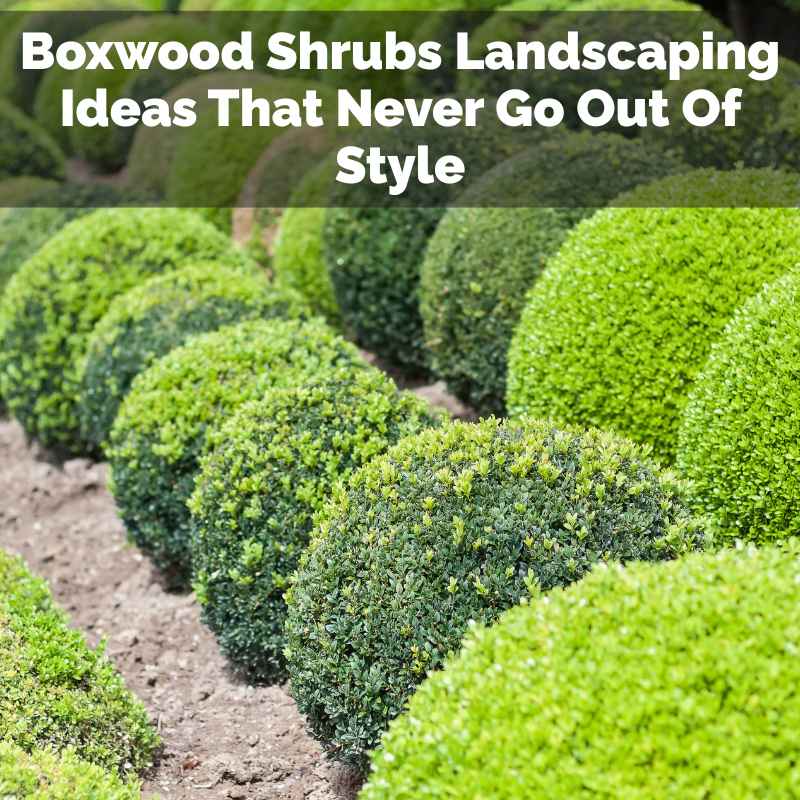
Boxwood Shrubs Landscaping Ideas That Never Go Out Of Style
Timeless boxwood shrub landscaping offers enduring elegance and structure. These versatile evergreens can create formal gardens, define borders, add accent points, or form beautiful low hedges. Their classic appeal makes them a reliable choice for creating visually pleasing and low-maintenance outdoor spaces that remain stylish through every season.
The Enduring Charm of Boxwood Shrubs
Boxwood shrubs have been a garden favorite for ages. Why do they stick around? They are evergreen.
This means they stay green all year. They offer a rich green color even in winter. This is a big plus for many yards.
Their leaves are small and dense. This makes them perfect for shaping. You can prune them into many forms.
Think balls, cubes, or neat hedges. This makes them super useful for garden design. They add a formal touch.
They can also create a sense of order.
Many people love boxwood for its reliability. It grows at a steady pace. It’s not too fast, not too slow.
This makes it manageable for home gardens. Most types do well in the United States. They can handle different weather patterns.
They are often disease-resistant too. This means less worry for you. They create a backdrop.
They can also be the main star. Their versatility is a key part of their appeal.
The history of boxwood in gardens is long. It goes back to old Roman gardens. It was popular in French and English estates.
This history adds to its classic feel. When you plant boxwood, you’re using an old garden trick. It’s a way to get that timeless look.
It connects your garden to a long tradition. This makes it feel special. It’s more than just a plant.
It’s a piece of garden art.
In modern yards, boxwood still shines. It brings a sense of calm. It adds structure to busy plantings.
It can soften hard edges. Think of a stone patio. A row of boxwood can make it feel softer.
It can also make straight lines look nice. This is why it’s used so much. It has a natural elegance.
It fits many styles. From formal to more relaxed gardens, it finds a place.
Understanding Boxwood Varieties
Not all boxwood are the same. There are many types. Each has its own size and shape.
Some grow tall. Others stay very small. Knowing the types helps you pick the best one.
It ensures your landscaping dream comes true. It prevents them from getting too big or too small.
American Boxwood is a common choice. It can grow quite large. It forms a dense, oval shape.
It’s good for hedges. It’s also good for specimen plants. It can reach 10 to 15 feet tall.
It grows slower when it’s younger. It needs about 5 to 10 years to reach its full height.
English Boxwood is another popular one. It tends to be smaller. It has a more compact growth.
It is often used for low borders. It can also be shaped into little balls. It might grow 4 to 6 feet tall.
It often looks a bit rounder than American Boxwood. It has very small, dark green leaves. This makes it look very neat.
Japanese Boxwood is also a good option. It’s known for its fine texture. It can be shaped very precisely.
It tends to be a bit more sensitive to cold. But in many parts of the U.S., it does very well. It can also grow to be a decent size, around 5 feet tall.
It has brighter green leaves than English Boxwood.
Dwarf varieties are great for small spaces. Little Gem boxwood is a popular dwarf. It stays compact, maybe 2 to 3 feet.
It has a rounded shape naturally. It’s perfect for edging beds. It can also be used in containers.
It requires less trimming than larger types. It’s a low-maintenance choice.
When choosing, think about the final size. Also, consider the look you want. Do you want a tall hedge?
Or a low border? Do you want to shape it? Or let it grow more naturally?
Knowing the varieties makes planning easier. It helps you get the look you want for years.
Ideas for Using Boxwood in Landscaping
Boxwood shrubs are like a blank canvas. They can fit in almost any garden. Their classic green look works with many colors.
They can create structure and flow. Let’s look at some popular ways to use them.
Formal Hedges and Borders
This is what most people think of first. Boxwood makes perfect hedges. They look very neat and tidy.
You can line a walkway with them. Or they can border a flower bed. This gives the garden a clean edge.
It helps define different areas. Imagine a formal garden. Boxwood hedges are essential.
They create those crisp lines. They make the flowers pop more. Even a small border makes a big difference.
It adds a touch of class.
For low borders, use dwarf varieties. They stay short and neat. For taller hedges, you might need larger types.
Regular trimming keeps them in shape. They give a sense of order. They can make a garden feel more grand.
They create a visual pathway. This guides the eye through the yard. They are great for defining spaces.
Think of a kitchen garden. Boxwood can outline the vegetable patches. It looks very charming.
Accent Plants and Specimen Shapes
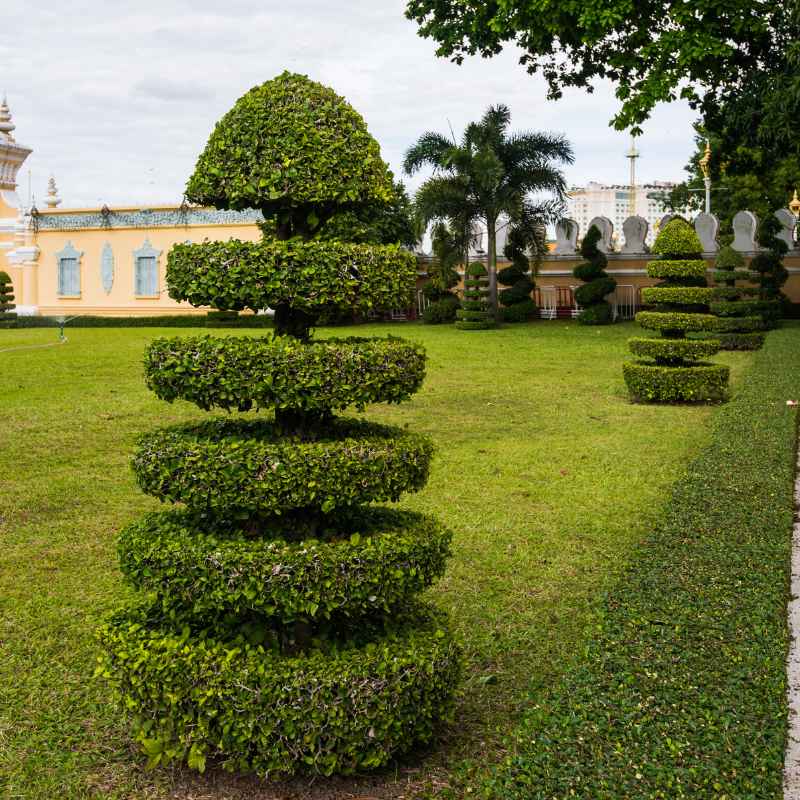
Boxwood doesn’t have to be in a line. You can plant one by itself. Shape it into a ball or a cone.
This makes it a focal point. It draws attention. It adds a sculptural element.
Place a well-shaped boxwood near an entrance. It welcomes visitors. It says, “This is a cared-for garden.” It adds interest in any season.
Its solid green color stands out.
In a mixed border, boxwood can be a anchor. It provides green all year. Other plants might lose leaves.
Boxwood stays. It grounds the planting. It makes the whole display look better.
Even in winter, it adds life. You can shape them into animals too. This is fun for a whimsical garden.
But even simple shapes are striking.
Creating Outdoor Rooms
You can use boxwood to create ‘rooms’ outside. Think of your yard as a house. You have different rooms inside.
You can do the same outside. Use taller hedges of boxwood. They can form walls.
They can create a sense of privacy. You can make a secret garden. Or a quiet sitting area.
It feels enclosed and cozy. It’s like stepping into a different space.
These boxwood ‘rooms’ can be very peaceful. They offer a place to relax. The solid green walls are calming.
They block out distractions. You can plant a bench inside. Or a small table.
It becomes your personal oasis. This is a more advanced design. But the effect is stunning.
It makes your yard feel much larger. It adds layers of interest.
Container Gardening
Don’t have a big yard? No problem. Boxwood looks great in pots.
You can put them on a patio or deck. Use shaped boxwood in planters. They add elegance to a small space.
They are easy to move around too. You can change your patio’s look. You can bring them in for winter if needed.
This is especially true for colder climates.
Choose smaller boxwood varieties for containers. They will fit better. They will be easier to manage.
Make sure the pots have good drainage. This is important for boxwood. Use a good quality potting mix.
Boxwood in containers adds a touch of class. It makes a balcony feel like a garden. It’s a simple way to add green.
Quick Scan: Boxwood Uses
Formal Hedges: Line walkways, define beds.
Accent Plants: Single shaped specimens.
Outdoor Rooms: Create private spaces.
Containers: Add elegance to patios.
Mixed Borders: Act as an evergreen anchor.
Boxwood in Different Garden Styles
Boxwood is famous for formal gardens. But it can fit in other styles too. Its adaptability is one of its strengths.
It’s a plant that works with many ideas.
Formal Gardens
This is where boxwood truly shines. Think symmetry and order. Boxwood hedges create parterres.
These are patterns in the garden. They are often very geometric. Geometric shapes are key.
Boxwood offers that clean, sharp edge. It’s used to create intricate designs. These designs can be seen from above.
It makes the garden look like a work of art.
You often see boxwood used with gravel paths. This enhances the formal look. It contrasts with the green.
It adds texture. Flowers are often planted in blocks within the boxwood. This creates pops of color.
But the boxwood structure is always there. It holds the garden together. It gives it a timeless, elegant feel.
Modern Gardens
Some think boxwood is old-fashioned. But it’s also great for modern designs. Modern gardens often have clean lines.
They use simple shapes. Boxwood fits this perfectly. A few large, simple shapes can be very striking.
Think of a modern home. Clean architecture. A few large, sculpted boxwood bushes.
This can be very chic. It adds a natural element. It softens the hard lines of the house.
It can be used with minimalist plantings. It provides a strong green structure. It works well with concrete or metal elements.
It adds a touch of nature. It’s not about intricate patterns here. It’s about strong, simple forms.
A few balls or cubes of boxwood can look very sleek. It shows that old plants can be new again.
Cottage Gardens
Cottage gardens are often more relaxed. They are full of flowers. They look a bit wild and romantic.
Can boxwood fit in? Yes! It can be used as a base.
It can hold the garden together. It can provide green structure. Imagine a sea of colorful flowers.
A low boxwood border can frame them. It gives the garden a gentle edge. It prevents it from looking too messy.
You can also use boxwood for pathways. It can define a winding path. It’s softer than hard edging.
It adds to the charming feel. It’s not as formal as in a French garden. It’s more natural.
It supports the feeling of abundance. It adds a touch of year-round green to the color. It’s a subtle but important role.
Boxwood in Different Styles
Formal: Intricate patterns, symmetry, sharp edges.
Modern: Simple shapes, clean lines, minimalist impact.
Cottage: Soft borders, framing beds, natural pathways.
Japanese: Sculptural forms, serene placement.
Caring for Your Boxwood Shrubs
Boxwood is often called low-maintenance. But it still needs a little care. Good care means a healthy, beautiful plant.
It means fewer problems down the road. I learned this myself when I first started gardening. I thought I could just plant them and forget them.
That’s not quite true. A little attention goes a long way.
Planting Tips
Choose the right spot. Boxwood likes a spot with some sun. It doesn’t need full, hot sun all day.
Morning sun is great. Afternoon shade is often best. Too much harsh sun can scorch the leaves.
Especially in hot climates. It also needs well-drained soil. Boxwood hates having wet feet.
Soggy soil leads to root rot. This is a common problem.
When planting, dig a hole twice as wide as the root ball. Make it as deep as the root ball. Gently loosen the roots.
Place the shrub in the hole. The top of the root ball should be level with the ground. Or slightly above.
Never plant it too deep. Backfill the hole with soil. Water it well.
Add mulch around the base. Keep mulch away from the trunk.
Watering Needs
Newly planted boxwood needs regular watering. Water them deeply. Let the soil dry out a bit between waterings.
This encourages strong root growth. Once established, they are more drought-tolerant. However, in dry spells, they still need water.
Water deeply. Water the base of the plant. Avoid getting the leaves wet.
Wet leaves can invite fungal diseases.
Container-grown boxwood needs more water. Pots dry out faster. Check the soil moisture often.
Stick your finger in the soil. If it feels dry an inch down, it’s time to water. Water until it runs out the bottom of the pot.
Pruning for Shape and Health
When to prune? The best time is late spring or early summer. After the main flush of new growth.
You can do light shaping anytime. Avoid pruning in late fall. New growth may not harden off before winter.
This can lead to damage. For formal shapes, prune regularly. Aim for two or three times a year.
Use sharp pruning shears. This makes clean cuts. This helps the plant heal faster.
Don’t cut into old, bare wood unless you have to. Boxwood can be slow to regrow from old wood. For a hedge, taper the sides slightly.
This lets light reach the bottom. This keeps the whole plant green. For specimen plants, follow the natural shape.
Or create the desired form.
Fertilizing
Boxwood doesn’t need a lot of fertilizer. Over-fertilizing can cause weak growth. It can also make them more prone to pests.
Use a slow-release shrub and tree fertilizer. Apply it in early spring. Or in the fall.
Follow the package directions. A light feeding is usually enough.
Some people prefer organic options. Compost is a great soil amendment. It adds nutrients slowly.
It improves soil structure. This helps with drainage too. Healthy soil is key for healthy boxwood.
Boxwood Care Checklist
Sunlight: Morning sun, afternoon shade is ideal.
Soil: Well-drained, slightly acidic.
Watering: Deep watering during dry spells, especially when young.
Pruning: Late spring/early summer for shaping.
Fertilizer: Lightly in spring or fall, if needed.
Mulch: Apply around the base, away from the trunk.
Common Problems and How to Address Them
Even hardy plants can face issues. Boxwood is generally tough. But a few things can cause trouble.
Knowing these problems helps you spot them early.
Boxwood Blight
This is a serious fungal disease. It causes leaf spots. It can lead to leaf drop.
It can kill branches. It spreads quickly in wet conditions. It often appears after rain.
Look for dark spots on leaves. Look for brown streaking on stems.
Prevention is key. Choose resistant varieties if possible. Avoid overhead watering.
Water at the base. Ensure good air circulation. Space plants properly.
If blight appears, remove affected branches. Disinfect your tools. Fungicides can help.
But they are not a cure. Infected plants may need to be removed. Check with your local extension office for advice.
Pests
Boxwood can attract a few pests. Boxwood psyllids are tiny insects. They suck sap from new growth.
They cause leaves to curl. They look like tiny green or bluish aphids. They are often found on the undersides of leaves.
Ladybugs and lacewings eat them.
Spider mites can also be a problem. They are very small. They create fine webbing.
They suck sap from leaves. This causes stippling. It looks like tiny dots.
They like hot, dry conditions. Washing the plant with water can help. Horticultural oils or insecticidal soaps can be used.
Scale insects can also feed on boxwood. They look like small bumps. They can be hard to see.
They suck sap from the plant. They weaken the shrub. Dormant oil sprays can help.
Or insecticidal soaps.
Pest & Disease Watchlist
Boxwood Blight: Fungal disease, leaf spots, dieback. Prevention is key.
Boxwood Psyllids: Tiny insects, cause leaf curl. Natural predators help.
Spider Mites: Small pests, cause stippling. Like dry heat.
Scale Insects: Small bumps, sap-sucking. Dormant oils can treat.
Winter Damage
Boxwood can suffer from winter burn. This happens when the plant loses water. The ground is frozen.
The roots can’t absorb water. But the plant can lose water through its leaves. Cold winds and sun can cause this.
The leaves turn brown or reddish. Especially on the side facing the wind.
To prevent this, water deeply in late fall. Before the ground freezes. You can also wrap larger shrubs.
Use burlap screens or covers. This blocks the wind. It reduces sun exposure.
Remove the covers in spring. As temperatures rise.
Boxwood Landscaping Ideas to Inspire You
Let’s look at some real-world examples. These ideas can spark your imagination. They show the power of boxwood.
The Classic Entrance
Imagine arriving at a home. Two large, perfectly rounded boxwood shrubs flank the front door. They are planted in simple, elegant pots.
Or directly in the ground. This creates a welcoming focal point. It signals care and tradition.
It’s a simple yet powerful statement.
The Edged Garden Path
A garden path leads you through the yard. It’s bordered by a low, neat row of English Boxwood. This path feels more defined.
It guides your steps. It separates the path from the flower beds. It looks very charming and organized.
The Sculptural Specimen
In a modern landscape, a single boxwood shrub is pruned into a perfect cube. It sits on a bed of dark gravel. It’s a strong, clean shape.
It contrasts with softer plants around it. It acts like a piece of outdoor art.
The Kitchen Garden Frame
A vegetable garden is laid out in raised beds. The beds are arranged in a grid. Each bed is outlined with a low boxwood hedge.
This adds structure. It makes the garden look neat and professional. It’s both functional and beautiful.
The Privacy Hedge
Taller boxwood varieties are planted in a row. They form a dense screen. This creates a private seating area.
Or it blocks an unsightly view. The solid green wall feels peaceful. It offers year-round privacy.
Idea Showcase: Boxwood Visions
Symmetrical Entry: Two large spheres by the door.
Path Definition: Low hedges lining walkways.
Modern Art: Sculpted geometric shapes.
Functional Beauty: Framing vegetable beds.
Green Screen: Tall hedges for privacy.
What This Means for Your Garden
Boxwood shrubs offer a lot. They bring a classic look. They are reliable.
They can be shaped in many ways. This means you can create a garden that feels elegant. You can make it feel structured.
You can make it feel timeless.
They are also quite forgiving. As long as they have good drainage, they do well. They can handle various light conditions.
This makes them a good choice for many yards. Even if you don’t have a “green thumb.” You can still have a beautiful boxwood garden.
The key is to plan. Think about the size of the variety you choose. Think about the space you have.
Think about the look you want. Do you want a formal look? Or something more relaxed?
Boxwood can do both.
They add value to your home. A well-landscaped yard is attractive. Boxwood contributes to that.
It makes your home look cared for. It makes it look beautiful. Year after year.
It’s an investment in your property. And in your own enjoyment.
Quick Tips for Boxwood Success
Here are some simple tips. They can help you get the most from your boxwood.
- Choose the Right Spot: Not too much harsh sun. Good air flow.
- Soil Matters: Make sure it drains well. Boxwood hates wet feet.
- Water Wisely: Water deeply when needed. Avoid wetting leaves.
- Prune Smart: Shape them in late spring or early summer. Use sharp tools.
- Observe Regularly: Check for pests or diseases. Catch problems early.
- Think Long-Term: Boxwood grows slowly. It’s a plant that lasts.
Frequently Asked Questions About Boxwood Landscaping
Can boxwood grow in full shade?
Boxwood can tolerate some shade. But it does best with morning sun. Full shade can make it grow leggy.
It might also be more prone to diseases. Some varieties handle shade better than others. Check the specific needs of your boxwood.
How often should I prune my boxwood hedge?
For neat, formal hedges, prune about two to three times a year. The best time is in late spring or early summer. You can do light trimming later in the season.
But avoid heavy pruning in fall.
Will boxwood survive a harsh winter in my area?
Many boxwood varieties are hardy. But some are more sensitive. Check the hardiness zone for the specific type.
Planting in a sheltered spot helps. Watering well in fall is important. Some gardeners wrap their boxwood in winter.
Are boxwood shrubs toxic to pets?
Boxwood shrubs contain mild toxins. They can cause stomach upset if eaten. Most pets do not find them appealing.
But it’s always good to be cautious. If you have pets that chew plants, monitor them closely.
How can I make my boxwood grow faster?
Boxwood naturally grows slowly. It’s best to let them grow at their own pace. Proper watering, good soil, and occasional light feeding will help.
But trying to force rapid growth can harm the plant.
Can I plant boxwood near a foundation?
Yes, boxwood can be planted near a foundation. Just ensure there is enough space. Boxwood can grow quite large.
Check the mature size of the variety. Make sure it won’t interfere with gutters or windows. Good drainage is also crucial near foundations.
Conclusion: Timeless Beauty for Your Garden
Boxwood shrubs are a garden classic for a reason. They offer beauty and structure. They stay green all year.
They can be shaped in countless ways. Whether you love formal designs or something more relaxed, boxwood fits. Planting and caring for them is rewarding.
They bring a touch of timeless elegance to any yard. Enjoy your beautiful, enduring garden.