Boiled Linseed Oil Vs Raw Linseed Oil: Which Is Best for Wood?
Boiled linseed oil and raw linseed oil serve different purposes in wood treatment. Choosing the right one is crucial.
Understanding the differences between boiled and raw linseed oil helps you make informed decisions for wood care. Boiled linseed oil dries faster, making it suitable for projects needing quick completion. It enhances wood finish, giving a polished appearance. Raw linseed oil takes longer to dry.
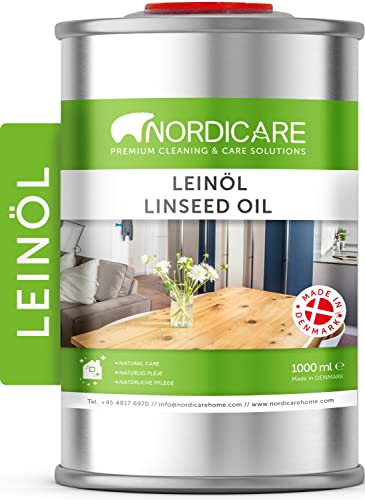
Ideal for projects requiring deeper penetration into wood grains, it provides a natural, matte finish. Both oils protect wood, but their application methods and results differ. Nordicare Linseed Oil, made in Denmark, is a pure and natural option. It’s food-safe and highlights the wood’s original structure. Selecting the right oil ensures your wood furniture maintains its beauty and durability over time.
Nordicare Linseed Oil For Wood

For those who cherish the beauty of wood and seek a natural solution to enhance their indoor furniture, Nordicare Linseed Oil is a perfect choice. Ideal for homeowners, DIY enthusiasts, and woodworking professionals who are looking for a food-safe option to treat and maintain their wood items, this product promises to underline the original wood structure while ensuring long-lasting protection.
Pros:
- 100% Pure & Natural formulation
- Food-safe for use on kitchen surfaces
- Enhances and underlines the original wood structure
- Made in Denmark ensuring high-quality standards
Cons:
- Requires regular application for optimal results
- May not be suitable for outdoor use
Nordicare Linseed Oil is crafted with pure and natural ingredients, making it an ideal choice for those who prioritize eco-friendly solutions. Its food-safe nature means it can be used on kitchen surfaces, providing peace of mind for households with children or pets. The oil works by penetrating the wood, highlighting its innate patterns and textures while offering a protective layer that guards against everyday wear and tear.
This linseed oil is particularly beneficial for wood furniture, helping to revive and maintain the integrity of the pieces over time. Users will appreciate how it enhances the natural beauty of the wood, making it a valuable addition to any home. The Made in Denmark label assures customers of its quality and craftsmanship, appealing to those who value products with a reputable origin.
To buy this product, click here.
Cold Pressed Linseed Oil

For artists and craftsmen who value the quality and authenticity of their materials, Cold Pressed Linseed Oil by Williamsburg is an ideal choice. This product is perfect for those who are passionate about oil painting and prefer to use traditional mediums to achieve a rich, vibrant finish. Buyers who are particular about the purity of their mediums and appreciate the natural properties of linseed oil will find this product indispensable.
Pros:
- High-quality and pure linseed oil
- Enhances the vibrancy of oil paints
- Improves the flow and texture of paint
Cons:
- Requires careful handling due to oxidation
- May yellow over time
The Cold Pressed Linseed Oil offers the advantage of superior consistency and clarity, making it a favored choice among professional artists. Its ability to improve paint adhesion and enhance color depth ensures that artworks maintain their luster and brilliance over time. Additionally, this oil acts as a natural binder, providing a smooth, uniform finish to paintings.
Another notable feature of this linseed oil is its compatibility with a variety of oil paints, allowing artists to experiment with different techniques and styles. The Williamsburg brand guarantees reliable quality and performance, making it a trustworthy option for those who demand the best. Despite its tendency to yellow, when used correctly, it can significantly prolong the longevity of artworks, ensuring they remain vibrant for years.
To buy this product, click here.
Frequently Asked Questions
What Is Boiled Linseed Oil Used For?
Boiled linseed oil is mainly used for wood finishing. It provides a protective layer, enhancing durability and appearance. It’s ideal for indoor furniture, giving wood a richer tone and glossy finish. It dries faster than raw linseed oil, making it suitable for projects requiring quicker completion.
How Does Raw Linseed Oil Benefit Wood?
Raw linseed oil deeply penetrates wood, preserving its natural structure and texture. It’s food-safe, making it perfect for kitchenware. It provides a matte finish, highlighting the original wood grain. It takes longer to dry but offers excellent protection against moisture and decay.
Is Boiled Linseed Oil Food Safe?
Boiled linseed oil is not food safe due to additives. It contains chemicals that speed up drying but aren’t safe for food contact surfaces. For kitchen items, opt for raw linseed oil. It’s 100% natural and safe for areas where food is prepared or served.
Which Linseed Oil Dries Faster?
Boiled linseed oil dries faster than raw linseed oil. It contains drying agents that speed up the process. Typically, boiled linseed oil dries within 24 hours. Raw linseed oil can take several days to cure completely. Choose boiled oil for quicker project completion.
Can Linseed Oil Enhance Wood Appearance?
Yes, both boiled and raw linseed oils can enhance wood appearance. Boiled oil offers a glossy finish, enriching wood color. Raw linseed oil provides a subtle, matte look, emphasizing natural grain patterns. Both oils bring out the beauty of the wood, each in its unique way.
How Is Nordicare Linseed Oil Unique?
Nordicare linseed oil is cold-pressed and 100% pure. It’s made in Denmark, ensuring high quality and safety standards. The oil is food-safe, suitable for indoor furniture. It highlights the original wood structure, providing a natural and lasting finish. Ideal for those seeking authenticity and quality.
Conclusion
Choosing between boiled and raw linseed oil depends on your specific needs. Boiled linseed oil is ideal for quick projects. It dries faster, making it great for furniture restoration. This oil creates a durable finish and enhances wood’s natural beauty.
On the other hand, raw linseed oil is perfect for indoor use. It’s food-safe and emphasizes the wood’s original structure. This oil is slower to dry, which allows deep penetration into the wood. Both oils offer unique benefits, making them valuable for different applications.
Nordicare linseed oil is a top choice for those seeking food-safe options. Whether you need a faster drying time or natural finish, linseed oil provides effective solutions. Consider your project’s requirements and choose the oil that best meets your needs.
Both oils are versatile and beneficial, ensuring your wood surfaces remain beautiful and well-protected.