Can You Use Mink Oil on Wood? What’s Really in the Jar
Yes, you can put mink oil on bare wood, and it will darken and soften the surface. But it is a leather conditioner, not a wood finish, and some mink oil pastes list silicone among their ingredients, which can make later finishing a headache.
That last point is the one most articles skip. A jar labeled “mink oil” is not always pure mink oil. Depending on the brand, it can be a blend of animal oil, lanolin, petroleum distillates, and silicone. Below is what those blends mean for real wood, when the shortcut is fine, and what to use when it is not.
Can You Use Mink Oil on Wood?
Best Mink Oil Alternative for Wood
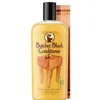 |
Howard Butcher Block Conditioner, 12 fl oz – about $10 A mineral oil and wax conditioner made for bare wood. It gives you the soft, conditioned look people want from mink oil without leather-care additives.
|
Mink oil will not hurt bare, unfinished wood in the way a solvent or a stripper would. It soaks in, the wood gets darker and a little richer in color, and the surface feels soft and slightly waxy. That is the honest upside.
The downsides are the reason it is a poor default choice for woodworking:
- It does not cure. Finishing oils like tung and linseed harden into the wood over days or weeks. Mink oil is mostly monounsaturated fat, so it stays soft and can keep feeling oily.
- It leaves no protective film. Expect brief water beading at best, with no scratch or heat protection.
- It collects dust and lint on a surface that stays slightly tacky or greasy.
- It complicates refinishing. Oil and any silicone left in the pores can make a later coat of varnish or polyurethane crawl, crater, or peel.
- It is not labeled for food contact. Leather-care products are not made or tested for cutting boards, bowls, or spoons.
What Is Actually in a Jar of Mink Oil?
Real mink oil is rendered from mink fat. Cosmetic safety reviews describe it as mostly glycerides of 16 to 18 carbon fatty acids, with roughly 40 percent oleic acid and roughly 17 percent palmitoleic acid, depending on the source. Both of those are monounsaturated fats. That chemistry is why the oil stays liquid and soft rather than polymerizing into a hard film the way linseed or tung oil does.
The jars you find at a hardware or shoe store are a different story. Manufacturers change formulas, so always read the label on the exact product in your hand. These are the label and product-literature facts I could confirm this session:
| Product | What the maker or retailer says is in it | What that means for wood |
|---|---|---|
| Fiebing’s Mink Oil Paste | Product literature lists silicone, lanolin and vitamin E oil, plus petroleum distillates. Sold for smooth leather and vinyl. Directions say to let it absorb from a few hours to overnight, then wipe off the excess. | Silicone is the red flag for any wood you may finish later. The page does not mention wood or food contact. |
| Kiwi Conditioning Oil | Reported to be a blend of paraffin, silicone and solvents rather than true mink oil, according to a review that cites the maker’s parent company. | Same silicone concern. The name suggests mink oil, but check the back label. |
| Huberd’s Shoe Grease | Retailers describe it as beeswax, pine tar and oil, with no mink oil and no silicone. | No silicone, but pine tar has a strong smell and a dark tint that will stay on wood. |
| Pure mink oil (raw) | Mostly oleic and palmitoleic acid glycerides. | Non-curing, so it stays soft. Fine for rough utility wood, poor for anything you will topcoat. |
If you cannot find the ingredient list on the tin or on the manufacturer’s page, treat the product as if it contains silicone until you know otherwise.
Why Silicone Matters More Than the Oil Itself
Finishers have known for decades that silicone is the usual cause of fisheyes, the small round craters where a new coat pulls away from the surface. Silicone gets into wood pores, creates a very slick, low-surface-tension patch, and most finishes will not flow over it. The typical culprits are silicone furniture polish, hand lotion, and aerosol overspray. A silicone-containing leather paste rubbed into open wood belongs on that same list.
If you have already treated a piece with a silicone paste and want to finish it, the standard fixes are to wash the surface with mineral spirits or naphtha, seal it with a coat of shellac as a barrier, or add a fish-eye eliminator to the finish. None of these is guaranteed on heavy contamination, so test on a hidden spot or scrap first.
When Mink Oil on Wood Is Reasonable
There are a few low-stakes cases where using what you already own makes sense:
- Wood-and-leather combinations, such as a leather-wrapped handle or strap seat, where you are already conditioning the leather and a little overlap onto bare wood does no harm.
- Rough utility wood that will never be topcoated, like a shop stool or a tool-handle you only want darkened and softened.
- A quick rescue for a very dry, bare, unfinished piece when nothing better is on hand, with the plan to clean it off before any real finishing.
Skip it on antiques, on anything you might refinish, on musical instruments, on any surface that touches food, and on wood that already has a film finish. On a sealed surface the oil just sits on top and smears.
How to Apply Mink Oil to Bare Wood
If you decide to go ahead, keep it light and reversible:
- Test first. Try it on the underside or a scrap of the same species. Mink oil darkens wood, and porous woods such as pine, oak, and ash drink it in unevenly.
- Clean and dry the wood. Remove dust with a dry cloth. Do not apply over a damp surface.
- Use a tiny amount. Rub a thin coat in along the grain with a clean cotton cloth. Pastes go on thicker than liquids, so warm the cloth in your hand rather than adding more product.
- Let it absorb, then wipe off all the excess. Fiebing’s own leather directions call for a few hours to overnight, then a dry cloth. On wood, wiping thoroughly matters even more, because leftover oil stays tacky.
- Buff and wait. Buff with a dry cloth and wait a day before handling. Expect a soft, low-sheen look, not a hard gloss.
Oil-Soaked Rag Safety
Any rag that has wiped oil deserves a moment of thought. The real spontaneous-combustion risk in a wood shop comes from drying oils, especially linseed oil and also tung oil and Danish oil, which release heat as they cure. When rags are bunched together, that heat cannot escape and can reach the ignition point of the fabric. Mink oil is mostly monounsaturated and does not cure the same way, so its risk should be lower. But a jar-of-paste rag can carry solvents, and shop rags often carry a mix of products, so use the same safe habits for all of them:
- Never leave oily rags balled up in a pile or a trash bin.
- Spread them flat or drape them over the edge of a bucket or rail outdoors until fully dry, then discard normally.
- In a shared shop, submerge rags in water or seal them in an airtight metal container, and still lay them flat to dry before final disposal.
- Never wash a rag soaked in a drying oil and toss it wet into a dryer.
Better Options Than Mink Oil for Wood
Match the product to what the piece needs. Here is a quick guide, with links to deeper articles on this site:
| Goal | Better choice | Notes |
|---|---|---|
| Food-safe conditioning (boards, bowls, spoons) | Food-grade mineral oil with beeswax or carnauba | Stays soft and needs reapplication. See how to finish a cutting board. |
| A hard, durable oil finish | Pure tung oil or a Danish oil | Cures over days. See Danish oil vs polyurethane and tung oil vs mineral oil. |
| Everyday furniture polish | Beeswax paste polish over an existing finish | Renews sheen and feel. See best wood polish. |
| Maximum protection | Film finishes like shellac or polyurethane | Sealing choices are covered in the best wood sealer guide. |
For the broader picture of how oils, waxes, and film finishes fit together, the wood finishing guide is a good starting point, and the article on canola oil explains why kitchen oils are a similar trap.
Once you have oiled wood, regular care and maintenance keeps it looking good between coats.
Frequently Asked Questions
Can you use mink oil on wood?
Yes, on bare, unfinished wood it will condition and darken the surface. It is a leather conditioner, though, not a wood finish. It stays soft, leaves no protective film, and some mink oil pastes contain silicone that can cause problems with later finishes.
Does mink oil darken wood?
Yes. Like most oils, it wets the grain and deepens the color, and porous woods can take it up unevenly. Test on a hidden area or scrap of the same species before treating a visible surface.
Is mink oil food safe for cutting boards?
Mink oil products are sold for leather, not for food contact, and the labels I checked say nothing about cutting boards or utensils. For anything that touches food, use a product labeled food-grade, such as mineral oil with beeswax or carnauba.
Can you finish over wood treated with mink oil?
It can be difficult. Leftover oil and any silicone in the pores can make varnish or polyurethane crater or peel. Wiping the surface with mineral spirits or naphtha and sealing with shellac are common fixes, and you should test on scrap first.
Are mink oil rags a fire hazard?
Mink oil is mostly monounsaturated and does not cure like linseed or tung oil, so its risk should be lower. Since pastes can contain solvents and rags often carry other oils, spread them flat to dry or store them in water or a sealed metal container.
Conclusion
Mink oil on wood is a shortcut with trade-offs: darker color, a soft surface, no real protection, and a possible silicone problem if you ever refinish. Read the label, test on scrap, wipe off the excess, and handle the rags carefully. For anything that matters, choose a product made for wood.
Sponsored / affiliate links. As an Amazon Associate I earn from qualifying purchases. I may earn additional commission from eligible campaigns.