Bosch Hammer Drill 1199vsr: Essential Power
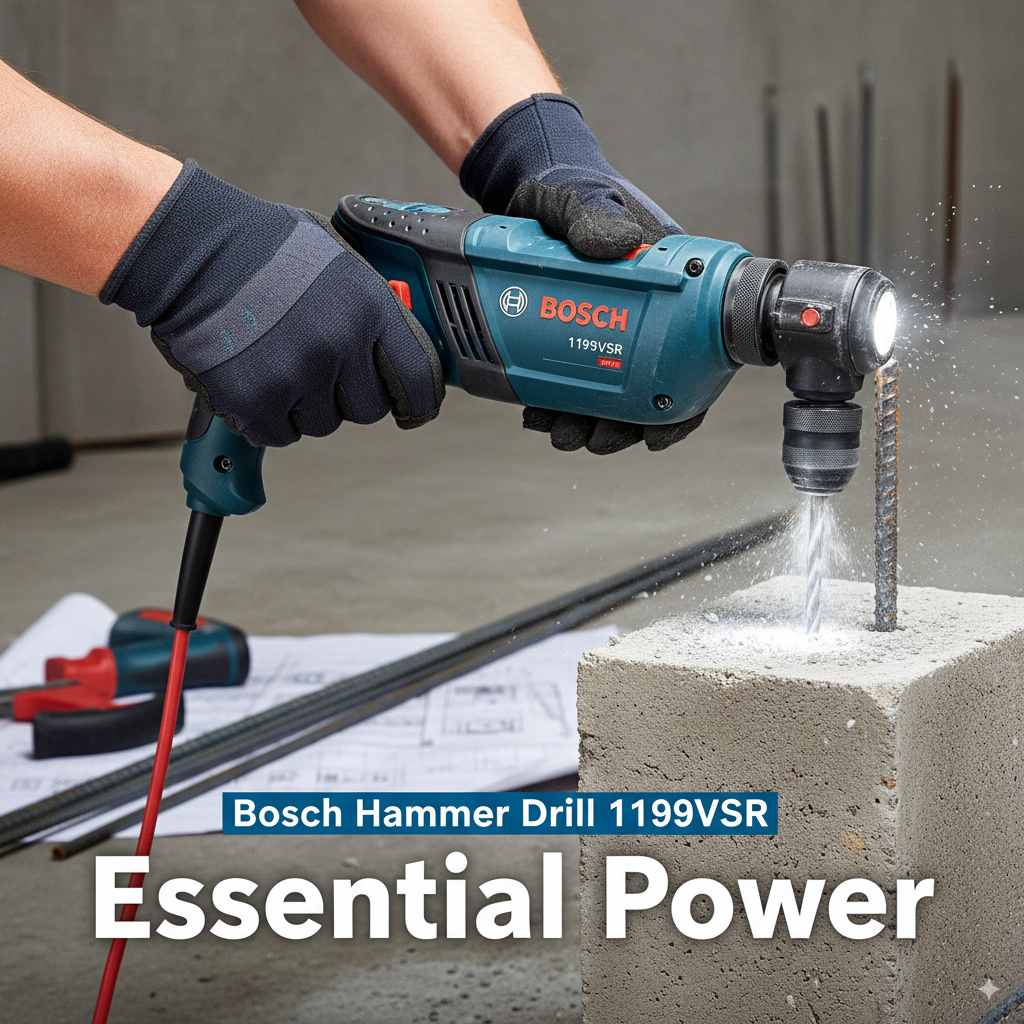
The Bosch hammer drill 1199vsr is a powerful, versatile tool perfect for DIYers tackling concrete, masonry, and tough drilling jobs. Its compact design and variable speed control make it user-friendly for beginners, offering reliable performance without overwhelming complexity.
Are you tired of struggling with challenging drilling tasks? Do you find yourself wishing for a tool that could power through tough materials like concrete or brick without breaking a sweat? Many of us start our DIY journeys with basic drills, only to hit a wall when faced with denser materials. It’s a common frustration that can slow down projects and leave you feeling defeated. But don’t worry! There’s a tool designed to make these jobs simpler and more effective. We’re going to explore the Bosch hammer drill 1199vsr, a real workhorse that brings essential power to your toolbox without being overly complicated. Get ready to discover how this drill can transform your approach to home improvement and DIY projects!
Why the Bosch Hammer Drill 1199VSR is Your Go-To Tool
When tackling projects around the house, having the right tool makes all the difference. For many DIY enthusiasts and homeowners, the real challenge comes when you need to drill into harder materials. Standard drills often struggle or simply can’t get the job done. This is where a good hammer drill shines, and the Bosch hammer drill 1199vsr stands out as a fantastic option, especially for those new to this type of power tool. It’s not just about raw power; it’s about combining that power with control and ease of use, making it an essential addition to your DIY arsenal.
Understanding Hammer Drill Technology
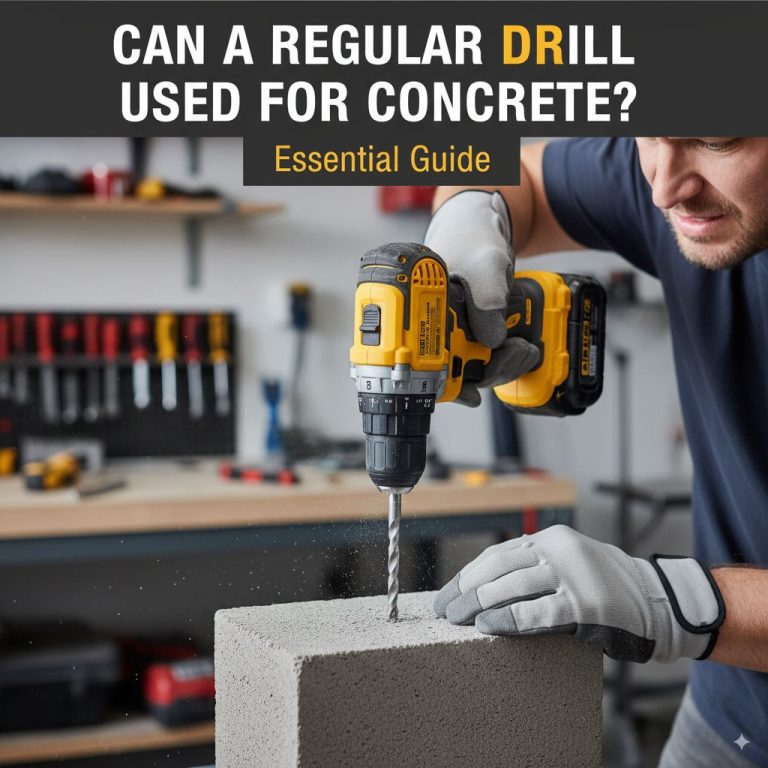
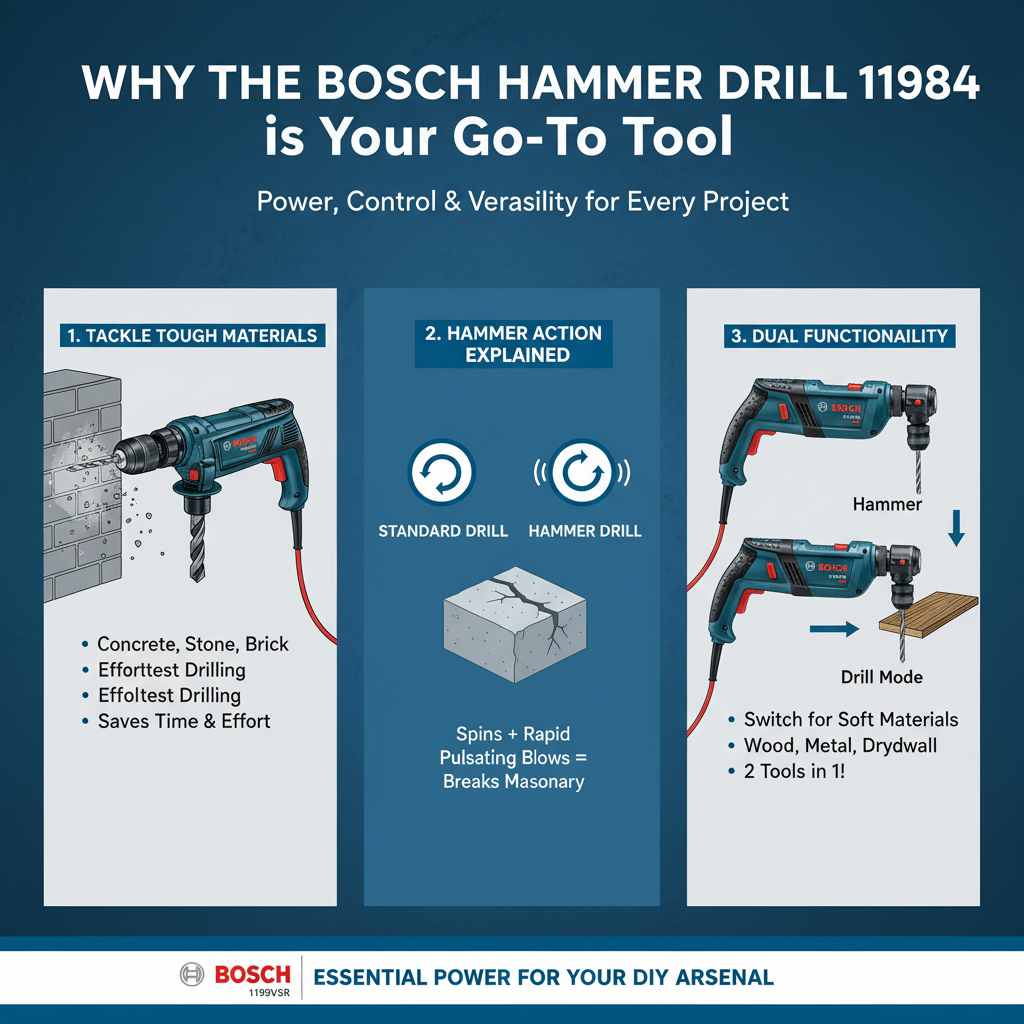
Before we dive deep into the 1199vsr, let’s quickly understand what makes a hammer drill different. A standard drill spins a bit, great for wood or drywall. A hammer drill, however, not only spins but also delivers rapid, short hammering blows. This pulsating action is what helps break apart tough materials like concrete, stone, or brick. Think of it like a jackhammer for small holes. This mechanism is crucial for efficient drilling in masonry, saving you time and effort.
The Bosch 1199vsr incorporates this hammer action, but it also offers a crucial feature for versatility: it can switch between hammer drill mode and standard drill mode. This means you can use it for its intended hammering tasks and then, with a simple switch, use it for regular drilling jobs on softer materials like wood or metal, much like a conventional drill. This dual functionality makes it an incredibly practical tool for a wide range of projects.
Key Features of the Bosch Hammer Drill 1199VSR
The Bosch 1199vsr is packed with features that make it both powerful and user-friendly. For beginners, understanding these features is key to unlocking its full potential and ensuring safe, effective operation. Let’s break down what makes this drill a standout choice:
- Robust Hammer Mechanism: The core of its capability lies in its powerful hammer action, designed to tackle hard materials with ease.
- Variable Speed Trigger: This allows precise control over the drill’s speed. You can start holes slowly and gradually increase speed as needed, reducing slipping and improving accuracy.
- Forward and Reverse Rotation: Standard on most drills, this lets you drive screws in and out, but it’s also essential for backing out drill bits when they get stuck in material.
- Compact and Ergonomic Design: Despite its power, the 1199vsr is built to be comfortable in your hand. Its balanced weight and comfortable grip reduce fatigue during longer work sessions.
- Selector Collar: A simple switch allows you to easily toggle between standard drilling and hammer drilling modes.
- Durable Construction: Bosch tools are known for their quality and longevity, meaning this drill is built to withstand the demands of regular use.
Power and Performance Specifications
Understanding the technical details can seem daunting, but for the 1199vsr, they translate directly into real-world performance. These specs tell you what the drill is capable of:
| Specification | Value/Feature |
|---|---|
| Power Input | 7.0 Amps / 800 Watts |
| No-Load Speed | 0-2,800 RPM (Variable) |
| No-Load BPM (Blows Per Minute) | 0-48,000 BPM |
| Chuck Size | 1/2-inch (keyless or keyed, depending on model variant) |
| Max Drilling Capacity (Concrete) | 3/4-inch |
| Max Drilling Capacity (Steel) | 1/2-inch |
| Max Drilling Capacity (Wood) | 1-3/8 inch |
| Weight | Approximately 4.5 lbs |
| Modes | Standard Drill, Hammer Drill |
These numbers show that the Bosch 1199vsr has ample power (7.0 Amps) for most DIY tasks. The variable speed and blows per minute (BPM) range allow you to tailor the drilling action to the material you’re working with, from delicate pilot holes to aggressive concrete breaking. The 1/2-inch chuck is a common size that accepts a wide variety of drill bits and accessories. For context on drill bit sizes, the Popular Mechanics guide to drill bit sizes can be helpful.
Getting Started: Your First Projects with the Bosch 1199VSR
Excited to put your new Bosch hammer drill to work? Here’s how to get started on some common DIY tasks, keeping safety and precision in mind. The 1199vsr’s versatility means it can handle more than just drilling holes!
Project 1: Hanging Shelves on a Masonry Wall
This is a classic project where a hammer drill is invaluable. Mounting anything securely to a concrete or brick wall requires more than just a standard drill.
- Gather Your Supplies:
- Bosch Hammer Drill 1199vsr
- Masonry drill bits (carbide-tipped, sized for your anchors)
- Appropriate wall anchors and screws
- Tape measure
- Pencil
- Stud finder (optional, but good for finding solid spots)
- Safety glasses
- Ear protection
- Dust mask
- Level
- Mark Your Spot: Decide where you want your shelf. Measure carefully and use a pencil to mark the desired location for your first anchor point. Place your shelf on the wall to ensure it’s level before marking subsequent points.
- Switch to Hammer Mode: Locate the mode selector switch on your Bosch 1199vsr. Rotate it to the hammer drill symbol (usually a hammer icon).
- Select the Right Bit: Insert a masonry drill bit that matches the diameter of your wall anchors. Ensure the bit is securely tightened in the chuck.
- Drill the Holes: Put on your safety glasses, ear protection, and dust mask. Position the tip of the drill bit on your mark. Hold the drill firmly with both hands, applying steady, even pressure. Start the drill at a low speed and gradually increase as you penetrate the wall. Allow the hammer action to do the work; don’t force it excessively. Drill to the depth recommended for your anchors.
- Insert Anchors and Shelf: Once the hole is drilled, remove the drill. Insert the wall anchor into the hole. If it’s a snug fit, you might gently tap it in with a hammer. Now, position your shelf and drive the appropriate screw through the shelf and into the anchor using the drill in standard drill mode (switch back the selector).
- Repeat for Other Supports: Use the same process for any additional mounting points for your shelf.
Project 2: General Drilling and Screw Driving
The 1199vsr isn’t just for masonry. Its variable speed and ability to switch modes make it a great everyday drill.
- Switch to Standard Drill Mode: Before drilling wood or metal, or driving screws, ensure the mode selector is set to the standard drill symbol (often a simple circle or drill bit icon).
- Select the Correct Bit/Driver Bit: For drilling, choose a bit appropriate for the material (wood, metal, plastic). For driving screws, use a screwdriver bit that perfectly matches the screw head to prevent stripping. Secure the bit in the chuck.
- Control Your Speed: Use the variable speed trigger to start slowly. This is especially important when starting a hole or driving a screw to prevent the bit from jumping. Gradually increase speed for faster progress once a pilot hole is started or the screw begins to engage.
- Test on Scrap Wood: If you’re unsure about the speed needed for a particular task, practice on a piece of scrap material first.
Tips for Safe and Effective Hammer Drilling
Safety is paramount when using any power tool, especially a hammer drill. These tips will help you use the Bosch 1199vsr effectively and safely:
- Always Wear Safety Gear: This includes safety glasses to protect your eyes from dust and debris, hearing protection to prevent damage from the noise, and a dust mask to avoid inhaling fine particles, especially when drilling concrete.
- Secure Your Workpiece: If you’re drilling into smaller items or working with materials that might shift, use clamps to hold them firmly in place. This prevents the material from spinning and ensures more accurate drilling.
- Maintain a Firm Grip: Always hold the drill with both hands. Many hammer drills, including the 1199vsr, come with an auxiliary handle. Use it, especially for tougher jobs. This provides better control and stability.
- Let the Tool Do the Work: Don’t force the drill. Apply steady, consistent pressure. Excessive force can damage the drill bit, the tool, or the material, and it won’t speed up the drilling process. The hammer action is designed to break through material on its own.
- Proper Bit Selection is Crucial: Use drill bits specifically designed for the material you are drilling. For masonry, always use carbide-tipped masonry bits. For wood, use wood bits. For metal, use HSS (High-Speed Steel) bits. Using the wrong bit can lead to poor results, bit breakage, or damage to the drill. The Lowe’s guide on choosing drill bits offers excellent advice.
- Clear Debris Regularly: Periodically pull the drill bit out of the hole while it’s still spinning slowly to clear out dust and debris. This prevents the hole from becoming clogged and allows the bit to cut more efficiently.
- Be Aware of What’s Behind the Surface: Before drilling into walls, floors, or ceilings, be aware of what might be behind them. Use a stud finder or an electronic detector to locate wires, pipes, or HVAC ducts. Drilling into these can be dangerous and costly. Refer to resources like consumer.ftc.gov for general safety tips regarding home utilities.
- Keep the Drill Cool: Extended use, especially in hammer mode, can cause the drill to heat up. Take breaks to allow the tool to cool down.
Comparing the 1199VSR to Other Drills
It’s helpful to see how the Bosch 1199vsr stacks up against other options you might consider. This comparison focuses on factors important to DIYers: power, versatility, and value.
Bosch 1199VSR vs. Standard Drill
This is the most common comparison for beginners. A standard drill is perfect for wood, drywall, and putting in screws. However, when faced with concrete, brick, or stone, it will struggle. The hammer drill’s pulsating action is its key advantage here. The Bosch 1199vsr includes standard drill functionality, making it a 2-in-1 tool, whereas a standard drill is limited to one mode.
Bosch 1199VSR vs. Rotary Hammers
Rotary hammers are also hammer-action tools, but they are significantly more powerful, heavier, and designed for more demanding demolition and heavy-duty masonry work. They use different types of bits (SDS bits) and deliver much higher impact energy. The Bosch 1199vsr is a lighter-duty hammer drill. While a rotary hammer can do everything the 1199vsr can, it’s overkill for most homeowner tasks and much more expensive and cumbersome. For hanging pictures, installing shelves, or drilling small anchors in concrete, the 1199vsr is the more practical and beginner-friendly choice. Rotary hammers are typically used for tasks like breaking up concrete, extensive demolition, or drilling very large holes in thick concrete. You can learn more about the differences from resources like Family Handyman.
Bosch 1199VSR vs. Other Brand Hammer Drills
Bosch has a reputation for quality and durability. While other brands offer good hammer drills in a similar price range, Bosch often stands out for its engineering, ergonomic design, and reliable performance. Features like variable speed, robust build quality, and thoughtful user interface are hallmarks of Bosch tools. When comparing, always look for similar amperage, RPM, and BPM ratings, but also factor in user reviews and brand reputation for longevity.
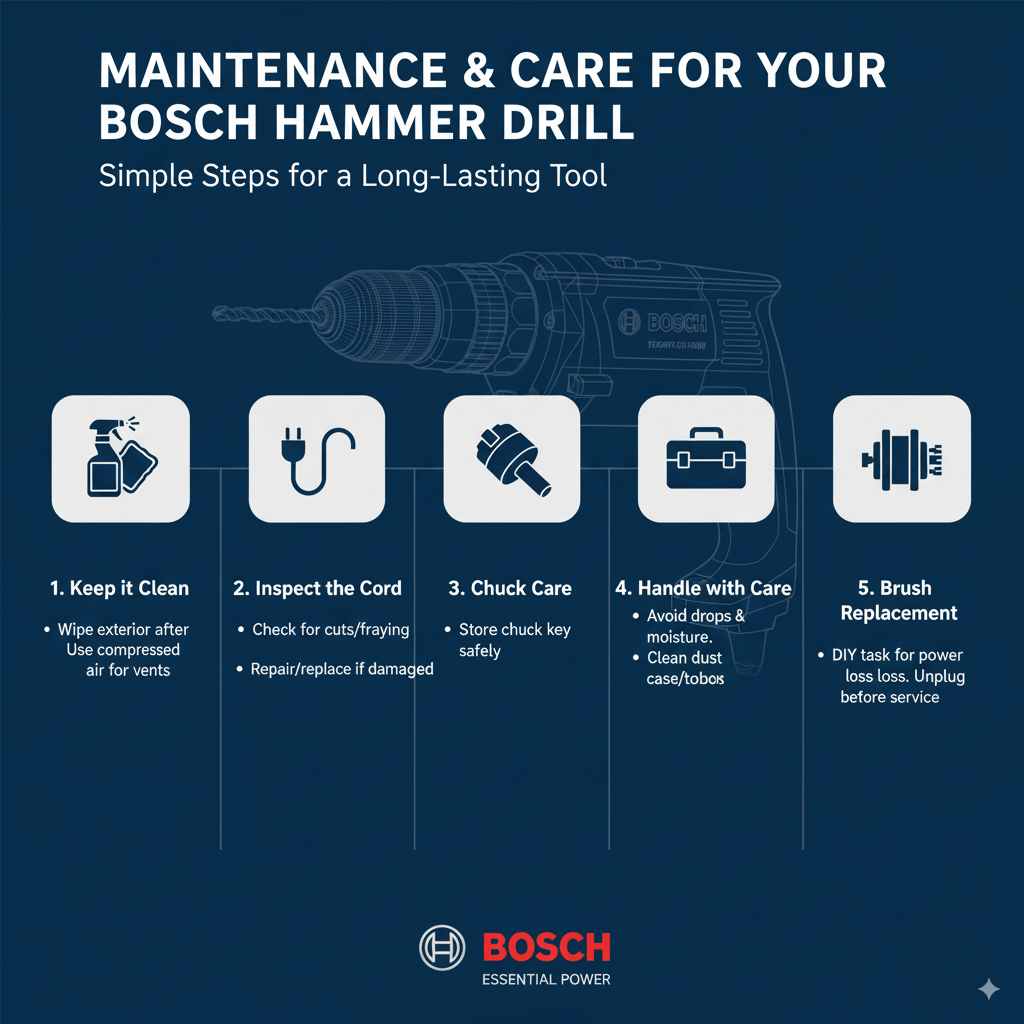
Maintenance and Care for Your Bosch Hammer Drill
To keep your Bosch 1199vsr working reliably for years, follow these simple maintenance steps:
- Keep it Clean: After each use, especially in dusty environments, wipe down the exterior of the drill with a damp cloth. Use compressed air to blow out dust from vents and the chuck area.
- Inspect the Cord: Regularly check the power cord for any nicks, cuts, or fraying. If you find damage, do not use the drill until the cord is repaired or replaced by a qualified technician.
- Chuck Care: If your model has a keyed chuck, ensure the chuck key is stored somewhere accessible but safe. For keyless chucks, periodically ensure they tighten and loosen smoothly. Clean out any dust from the chuck jaws.
- Handle with Care: Avoid dropping the drill or exposing it to excessive moisture or extreme temperatures. Store it in its original case or a protective toolbox.
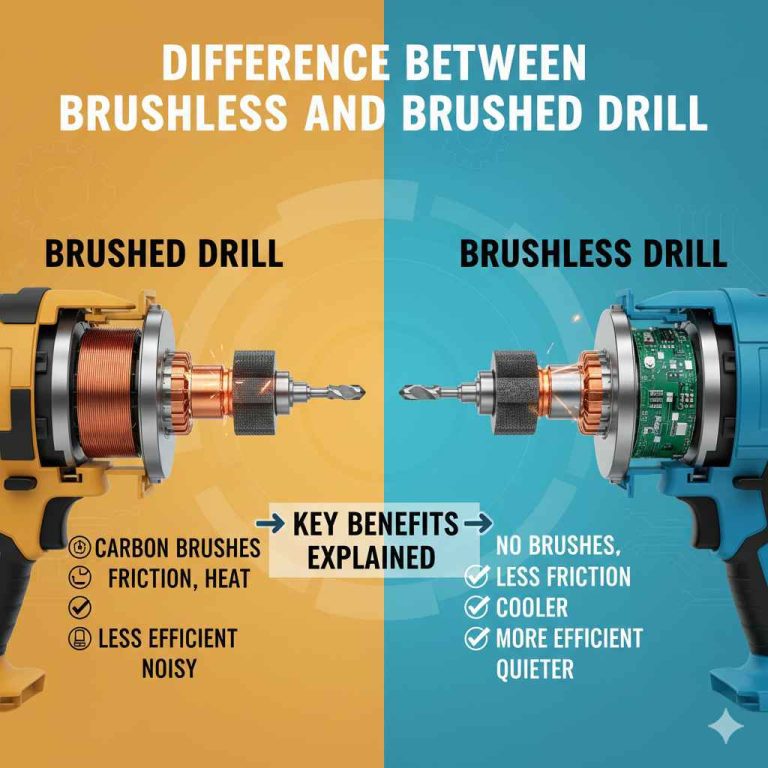
- Brush Replacement (Advanced): Like most electric motors, the 1199vsr uses carbon brushes that wear down over time. If the drill suddenly stops working or loses power, worn brushes might be the culprit. Replacing them is a relatively simple DIY task for those comfortable with minor repairs, but always ensure the tool is unplugged. You can often find replacement parts and guides online.
Frequently Asked Questions About the Bosch Hammer Drill 1199VSR
Q1: Can I use the Bosch 1199vsr for regular drilling jobs, not just hammer drilling?
A: Absolutely! The 1199vsr has a selector collar that easily switches between hammer drill mode and standard drill mode. This makes it a versatile tool for all your drilling needs, from wood and metal to concrete and masonry.
Q2: What kind of drill bits do I need for concrete with the 1199vsr?
A: For concrete and other masonry materials, you need to use specialized carbide-tipped masonry drill bits. These bits are designed to withstand the impact and abrasion of hard surfaces. Always ensure the bit diameter matches the size of the anchor or screw you plan to use.
Q3: How do I prevent the drill bit from getting stuck when hammer drilling?
A: Ensure you’re using the correct size masonry bit for your anchor. Apply steady, firm pressure, but don’t force it. Periodically pull the bit out while it’s spinning slowly to clear debris from the hole. If a bit does get stuck, switch the drill to reverse rotation and gently try to back it out. The This Old House resource on hammer drills also offers useful tips.