Pneumatic vs. Electric Drills: What’s the Real Difference?
The short answer: a pneumatic drill runs on compressed air from a separate compressor, while an electric drill runs on a battery or a cord plugged straight into the wall. That one difference explains almost everything else about how these two tools get used – and it’s why one of them sits in a home woodworking shop and the other almost never does.
If you’ve mostly seen pneumatic (air) tools mentioned alongside nail guns and impact wrenches in an auto shop, that instinct is correct. Pneumatic drills exist and are genuinely useful, but they’re built around infrastructure – a compressor, a hose, fittings – that makes sense on a job site or in a garage with a fixed air line, not in a one-person wood shop. Below is what actually separates the two, who really reaches for each one, and which drill makes sense if you’re working with wood at home.
How Each Type of Drill Actually Gets Its Power
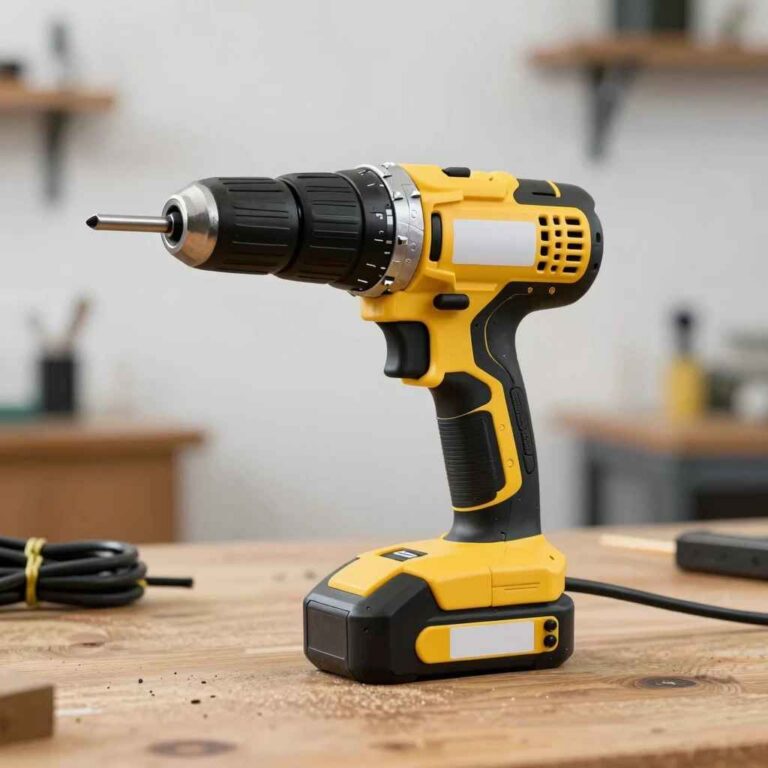
An electric drill has its power source built in. A corded model draws straight from a wall outlet; a cordless model carries a rechargeable lithium-ion battery in the handle. Either way, the motor is inside the tool, so the only thing tethering you (if anything) is a power cord.
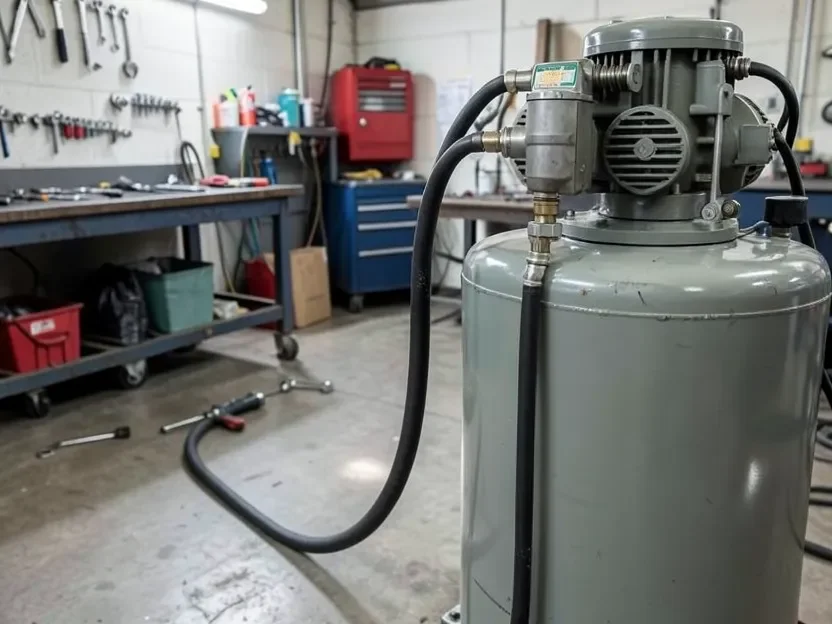
A pneumatic drill has no onboard motor at all. It’s spun by compressed air delivered through a hose from an external air compressor, usually running somewhere between 90 and 120 PSI depending on the tool. That means a pneumatic drill can’t do anything on its own – it’s only as useful as the compressor and hose run feeding it, which is the tradeoff that shapes everything else in this comparison.
Best Cordless Drill for Home Woodworking
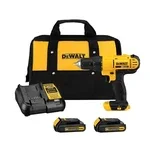 |
DEWALT DCD771C2 20V MAX Cordless Drill Driver Kit – $119.00 Self-contained battery power with no compressor or hose required – the practical, tethered-free option this article recommends for a home woodworking shop.
|
Who Actually Uses Each Drill (And Why It Matters)
This is the part most comparison articles skip, and it’s the part that actually decides which drill you should own. Pneumatic tools in general are extremely common in professional and industrial settings – automotive shops, production lines, and job sites already running a shop compressor for nail guns and impact wrenches. Once that air line exists, adding a pneumatic drill to the same line is cheap and makes sense. But a pneumatic drill specifically, as opposed to an air impact wrench or air nailer, is a much less common tool even in those settings – most of that air-tool lineup leans on impact wrenches and nailers, not drills.
For a home woodworker, that professional infrastructure usually doesn’t exist. Most home shops don’t run a compressor big enough, or don’t have one at all, and buying one just to run a drill rarely pencils out next to a $100-ish cordless kit that works the moment you charge it. That’s the real reason electric – specifically cordless – drills are the practical standard for woodworking at home: they’re self-contained, and self-contained is what a one-person shop actually needs.
The Power-to-Weight Tradeoff
Pneumatic tools do have a real, honest advantage: because the motor lives in the compressor and not in your hand, the drill itself can be smaller and lighter than an electric drill with comparable output. That high power-to-weight ratio is a big part of why air tools are popular in settings where someone is using a tool all day – less fatigue per hour of use.
The catch is that the weight didn’t disappear, it just moved to the compressor, plus you’re now carrying a hose-length limit on how far you can move. A cordless electric drill is a little heavier in your hand because the battery and motor travel with it, but it goes anywhere without dragging a hose behind it. For a home shop where you’re moving between the bench, a clamped-up assembly, and a project on the floor, that mobility usually matters more than shaving a few ounces off the tool.
Performance for Real Woodworking Tasks
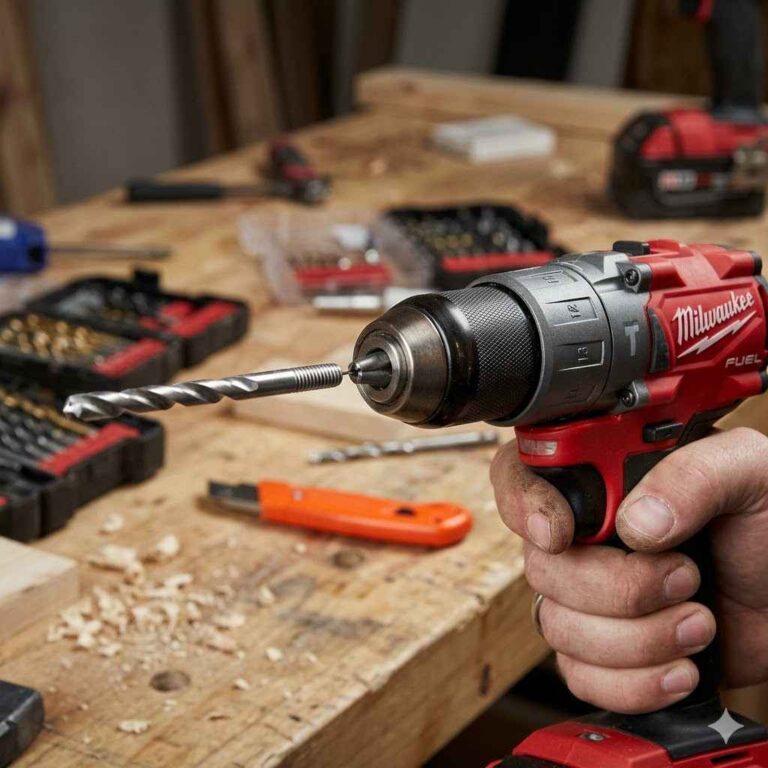
For most wood tasks – drilling pilot holes, driving screws, boring holes for dowels or hardware – what you actually need is speed control and a chuck that grips small bits securely, not raw torque. Electric drills, especially variable-speed cordless models, are built for exactly that. You can ease into a pilot hole in soft pine without blowing through the back face, or drive a screw flush without stripping the head, because the trigger gives you fine control over speed.
Pneumatic drills tend to run at a fairly fixed high speed and are tuned for punching through tough material fast – useful for masonry, metal fabrication, or high-volume production drilling, less useful when you want to feel your way into a piece of hardwood without tear-out. This is the practical reason pneumatic drills are common in production and automotive work but rare on a woodworking bench: the control profile that makes them fast in industrial settings works against you in most wood joinery.
Cost, Setup, and Ongoing Maintenance
A decent cordless electric drill kit, batteries and charger included, typically runs somewhere between $50 and $150 – and that’s the entire cost of entry. A pneumatic drill can sometimes look cheaper on its own, but that number is misleading: you also need a compressor sized for the tool, an air hose, fittings, and a way to store all of it, plus periodic maintenance like draining moisture from the compressor tank and oiling the tool itself. If you don’t already own a compressor for other air tools, that setup cost dwarfs the price of the drill.
Electric drills have their own upkeep – keeping vents free of sawdust, checking a cord for fraying, cycling batteries so they don’t sit dead for months – but none of it requires separate equipment. For a home shop with one drill and no other air tools, that’s a meaningfully simpler ownership picture.
Portability and Working Around the Shop
A cordless tool goes wherever the project goes – up a ladder, out to the garage, across the yard to a half-built project. A pneumatic drill is limited by hose length and stays tied to wherever the compressor sits, which is a non-issue on a fixed production line but a real limitation in a shop where you’re moving around a single project from multiple angles.
Safety Considerations for Each Type
With a pneumatic drill, check the hose for cracks or leaks before every use, keep it from kinking or getting caught underfoot, and never point it at yourself or anyone else even when you think the air’s shut off – residual pressure in the line is a real hazard. Wear eye protection and keep your footing steady, since the torque reaction on a bound-up bit can twist the tool in your hand.
With an electric drill, inspect a corded model’s cable for nicks before plugging in, keep it away from water, and unplug it (or pull the battery) before changing bits. Eye protection still matters for both – wood chips and dust from drilling are the more likely injury on a woodworking bench than anything dramatic.
Frequently Asked Questions
Can I use a pneumatic drill for woodworking at home?
You can, but it rarely makes sense unless you already own a compressor for other air tools. The compressor, hose, and fittings usually cost more than the drill itself, and a pneumatic drill’s fixed high speed offers less of the fine control that pilot holes and screw-driving in wood benefit from.
Why do mechanics and industrial shops use air drills instead of electric?
Mostly because they already have a shop air line running for impact wrenches and nail guns, so adding a drill to it is nearly free. Air tools are also lighter for their power output since the motor stays in the compressor, which matters more over an 8-hour shift than it does for occasional home use.
Is a pneumatic drill more powerful than an electric drill?
Pneumatic drills generally have a higher power-to-weight ratio and can outperform electric drills on tough, high-volume production work. For typical woodworking tasks, though, a variable-speed electric drill’s control matters more than a pneumatic drill’s raw output.
Do I need an air compressor to use a pneumatic drill?
Yes – a pneumatic drill has no onboard motor and cannot run without a compressor supplying air through a hose. That dependency is the main reason it’s a practical fit for a shop that already runs air tools, and a poor fit as your only drill at home.
Bottom Line
Pneumatic and electric drills aren’t really competing for the same buyer. Pneumatic drills earn their place in professional and industrial shops that already run compressed air for other tools, where their light weight and high output pay off over a long shift. For a home woodworking shop, a cordless electric drill is the practical choice: no compressor to buy or maintain, no hose to work around, and the speed control that pilot holes and screw-driving in wood actually reward.
Sponsored / affiliate links. As an Amazon Associate I earn from qualifying purchases. I may earn additional commission from eligible campaigns.
 20V Cordless Drill, Electric Power Drill Set with Battery Charger and Carrying Case, 3/8” Keyless Chuck, 2 Variable Speed, 18+3 Torque, 72pcs Driver Bits and Belt Hook, Red
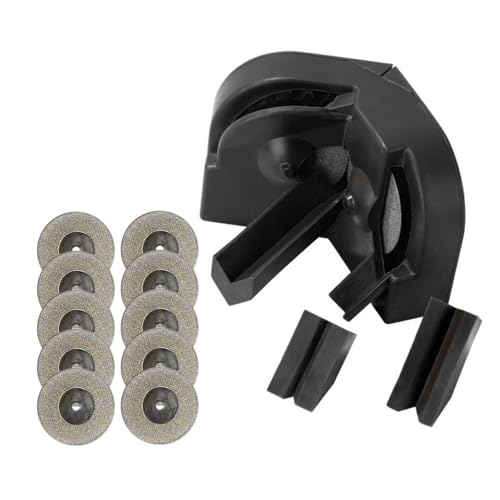 Drill Bit Sharpener for Drill, ABS Electric Drills Bits Grinder, Multipurpose Drills Bits Grinding Sharpener with 10Pcs Discs and 3Pcs Auxiliary Tools for 2-16mm Bit