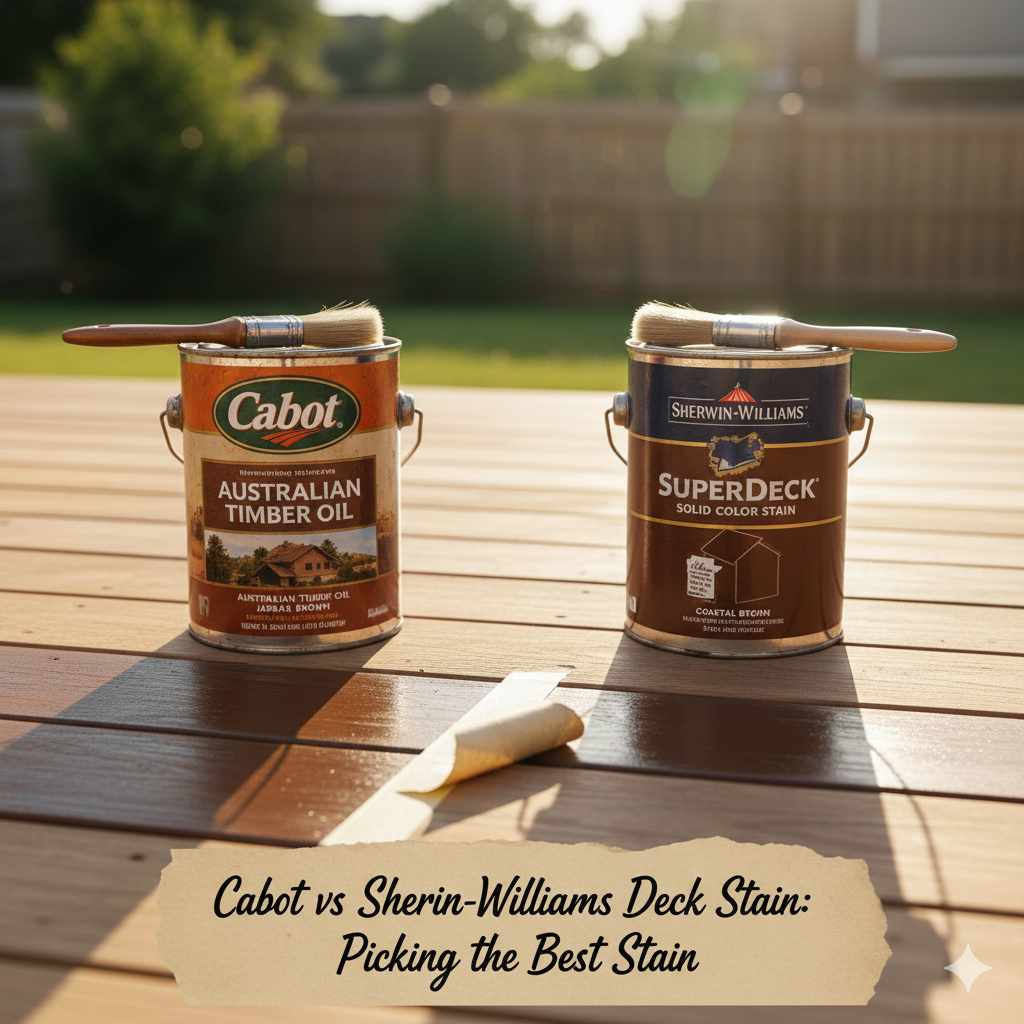
Cabot vs Sherwin-Williams Deck Stain: Picking the Best Stain
Choosing the right deck stain can be a big decision, especially for beginners. The choices can seem overwhelming, with so many brands and options. Picking between Cabot vs Sherwin-Williams Deck Stain: Which Is Better? is a common question, and it’s easy to get confused. Don’t worry, we’re here to help! We’ll break down everything you need to know, making it simple to pick the perfect stain for your deck. We’ll explore the main differences, so you can make a smart choice. Let’s get started!
What to Consider When Choosing Deck Stain
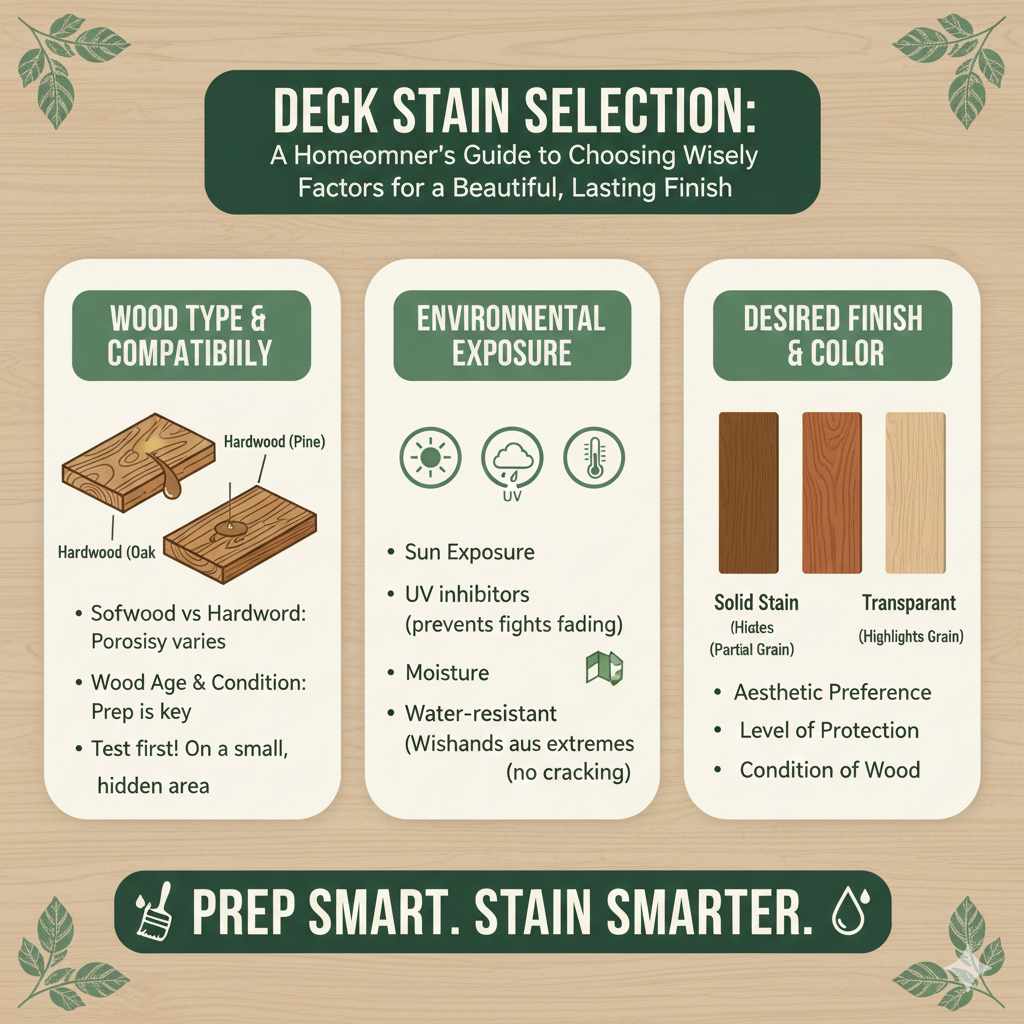
Selecting the ideal deck stain involves carefully considering several factors. It’s not just about the color; it’s about how well the stain protects your wood and how long it will last. You must think about the type of wood you have, the amount of sunlight your deck gets, and the amount of foot traffic it receives. Each of these things influences which stain will work best. For instance, a deck in a sunny location needs a stain with better UV protection, and a deck that’s frequently used requires a more durable product. This section will help you explore these key considerations.
Type of Wood and Stain Compatibility
Different types of wood react differently to stain. Some woods, like cedar and redwood, have natural oils that can affect how the stain penetrates and adheres. Other woods, like pressure-treated pine, might need time to dry before staining. Matching the stain type to the wood is essential for a good outcome. Using the wrong stain can lead to peeling, cracking, or uneven color. Before staining, always prepare the wood by cleaning and, if necessary, sanding the surface. This creates a better surface for the stain to stick to and enhances its appearance.
- Softwood vs. Hardwood: Softwoods, like pine and fir, absorb stain more easily than hardwoods, like oak or mahogany. Softwoods often need oil-based stains, while hardwoods can work with either oil-based or water-based stains.
- Wood Porosity: Porosity refers to how many holes or openings are in the wood. Porous woods soak up stain quicker, while less porous woods need more careful application to avoid unevenness.
- Wood Age and Condition: Older wood may need more preparation, like sanding, to remove old coatings and open the pores. New wood may need to dry out before staining.
Understanding wood porosity is important. Porous wood absorbs stain quickly, while less porous wood needs careful application. Preparation is key; cleaning and sanding are often required, especially for older wood, to ensure the stain bonds properly. Wood species, like cedar and redwood, contain natural oils that can impact stain adhesion. Always test the stain in a small, hidden area before staining the entire deck to check for compatibility and desired color.
Environmental Exposure and Stain Performance
Your deck’s location significantly affects stain performance. Decks in sunny areas will experience more UV damage, leading to fading and breakdown of the stain. Decks exposed to rain and humidity are more susceptible to mildew and water damage. Choosing a stain that can withstand these elements is vital for longevity. Consider the climate and weather conditions in your area, including extreme temperatures, snowfall, and the level of moisture. A stain with UV protection and water resistance will provide better protection and look better for longer.
- Sun Exposure: Decks getting direct sunlight need stains with UV inhibitors to prevent fading and damage.
- Moisture: Decks exposed to rain and humidity need water-resistant stains to avoid mildew and peeling.
- Temperature: Stains must withstand extreme temperatures without cracking or blistering.
Different regions face various environmental challenges. Some areas have intense sun exposure that fades stains quickly. Others experience heavy rainfall, causing mildew and wood rot. Extreme temperatures can also make a stain crack or blister. Consider using a stain with UV protection, mildew resistance, and excellent adhesion. Choosing the correct product will extend the life of your deck and ensure that it stays beautiful. Regular cleaning and re-staining as needed will further improve durability.
Desired Finish and Color Options
Deck stains come in many finishes and colors, affecting the deck’s appearance and protection level. Solid stains provide the most color and protection, similar to paint, but hide the wood grain. Semi-transparent stains show the wood grain while offering some color. Transparent stains let the wood grain show through with the least color. The choice depends on your preferences and the condition of the deck. Consider how much of the natural wood you want to show and the look you’re hoping to achieve.
- Solid Stains: Solid stains completely cover the wood grain, offering the most protection but the least natural appearance.
- Semi-Transparent Stains: These show some of the wood grain, offering a balance of protection and natural wood look.
- Transparent Stains: Transparent stains highlight the wood grain, offering minimal color and protection.
Deciding on the finish and color is a matter of personal preference and the desired aesthetic. Solid stains are a good choice if you want maximum protection and a uniform color. Semi-transparent stains offer a blend of protection and natural appearance. Transparent stains highlight the wood grain while offering minimal color. Consider how much of the natural wood you want to show and the overall look you’re trying to achieve. Testing different colors on a small area of the deck helps you visualize the result and make the best decision for your needs.
Comparing Cabot and Sherwin-Williams Deck Stains
When considering deck stains, Cabot and Sherwin-Williams are often top contenders. Both brands offer a wide selection of stains. Each has its strengths and weaknesses. Understanding the characteristics of each brand will help you make a better choice. We will examine the main product lines, their benefits, and areas where they might fall short. We will also compare their product features. This section explores each brand to help you figure out which one fits your deck’s requirements.
Cabot Deck Stain Overview
Cabot is a well-known name in the stain world. They are celebrated for their rich history and high-quality products. Cabot’s stains are often favored for their superior color retention and durability. They offer various products, including solid color stains, semi-transparent stains, and transparent stains. Cabot is also known for its extensive color selection, providing various shades to suit any deck style. The quality and performance of Cabot stains have made them a favorite among homeowners and professionals.
- Color Options: Cabot provides many color choices, making it easy to find a shade to match your deck’s style.
- Durability: Cabot stains are famous for long-lasting performance, even with exposure to sun and weather.
- Types Available: They offer a full range of stains, from solid to transparent finishes, to meet various needs.
Cabot’s focus on quality is reflected in its manufacturing processes, which ensure consistent results. The brand’s history of innovation has led to the development of stains that resist fading, cracking, and peeling. Cabot’s products are designed to protect and beautify decks, extending their life. Their formulations often include UV protection and water-resistant properties, keeping decks looking great. This makes Cabot a reliable choice for any deck project.
Sherwin-Williams Deck Stain Overview
Sherwin-Williams is a huge company with a strong reputation in the paint industry. They offer a comprehensive range of deck stains known for their performance and availability. Sherwin-Williams provides solutions for various needs. Their stains cover everything from solid colors to natural wood finishes. The brand is known for offering products that are easy to apply and provide solid protection. Sherwin-Williams provides various deck stain options to meet many needs. This makes Sherwin-Williams a good option for people seeking quality and accessibility.
- Ease of Application: Sherwin-Williams stains are often praised for easy application.
- Availability: Sherwin-Williams products are available in many stores, making it easy to purchase.
- Product Range: They offer different stain types to accommodate various preferences and project needs.
Sherwin-Williams is a large company with a vast retail network. This makes their products readily available for consumers. Sherwin-Williams is a practical choice for anyone looking for ease of purchase. Their products feature innovative formulas that deliver excellent results. Sherwin-Williams deck stains frequently include features like UV protection and water resistance, providing great durability. Whether you’re a professional or a DIY enthusiast, Sherwin-Williams products are designed for reliability and ease of use.
Performance and Durability Compared
When looking at the performance and durability of the two brands, there are differences. Cabot often earns high marks for color retention and longevity, especially in harsh conditions. Sherwin-Williams also offers durable products, with good protection against the elements. Each brand excels in particular areas. The decision between the two depends on the specifics of the project and the deck’s location. Reviewing customer reviews and comparing specific products will help make the best decision for your deck.
| Feature | Cabot | Sherwin-Williams |
|---|---|---|
| Color Retention | Excellent | Good |
| UV Protection | Very Good | Good |
| Water Resistance | Very Good | Good |
| Wear Resistance | Good | Good |
Cabot products often show greater color retention and UV protection, making them ideal for decks in direct sunlight. Sherwin-Williams products have excellent durability. Both brands are water-resistant, protecting your deck from the effects of rain and moisture. The table above summarizes their differences, allowing you to weigh the benefits of each brand. Consider the climate and amount of sun exposure your deck gets when choosing. Consider what is most important for your particular project.
Choosing the Right Stain for Your Deck
Selecting the ideal deck stain involves considering several factors, including the type of wood, environmental exposure, and the desired finish. Knowing the advantages of Cabot and Sherwin-Williams will help. Think about the deck’s location, the look you want, and your budget to choose the right stain. You must also factor in the weather and how much wear and tear the deck will get. With the right information, you can make a good choice to protect and enhance your deck.
Evaluating Your Deck’s Needs
Before buying stain, you must carefully assess your deck. Note the type of wood and its condition. Different wood types require different stains. Also, think about the level of sun exposure, humidity, and foot traffic the deck gets. Consider the deck’s age and how much preparation it will need. These details help you choose a stain that offers the best performance and protection. This evaluation allows you to customize your approach and guarantee a satisfying outcome.
- Wood Type: Identify the wood species to ensure the stain works well and provides optimal protection.
- Sun Exposure: Decks exposed to direct sunlight need stains with UV inhibitors.
- Foot Traffic: High-traffic decks need more durable, wear-resistant stains.
To evaluate your deck, check the wood type. Softwoods absorb stain more quickly, while hardwoods can need more preparation. Note any signs of damage, like weathering or existing coatings. Consider the deck’s location and what it needs to endure, from direct sunlight to heavy rain. Also, assess how you use the deck and how much foot traffic it gets. The knowledge you gain from this assessment will inform your choices and help you pick the best stain for your deck.
Comparing Specific Products and Features
Comparing specific products from Cabot and Sherwin-Williams helps you make an informed decision. Look closely at the stain types, colors, and protective features offered by each brand. Think about factors like UV protection, water resistance, and the product’s finish. Reading customer reviews can provide helpful insights into the real-world performance of each stain. Compare the cost of different products and consider the long-term value, including how long the stain is expected to last. This analysis helps you find the right stain to fit your budget and deck requirements.
- Stain Types: Consider solid, semi-transparent, and transparent stains.
- Color Options: Compare the colors each brand provides to find the perfect match for your deck.
- Protective Features: Assess UV protection, water resistance, and mold and mildew resistance.
When comparing products, begin with the stain type; solid stains offer more protection, while transparent stains highlight the wood grain. Check color options to make sure you have choices that match your vision. Assess protective features, like UV protection for sun-exposed decks. Also, check user reviews to understand the product’s long-term performance and ease of use. Comparing specific product features will help you pick a stain that meets all of your requirements, ensuring both beauty and protection.
Making Your Final Decision
After considering your deck’s needs and comparing Cabot and Sherwin-Williams stains, it’s time to decide. Think about all the factors: wood type, environmental conditions, and desired finish. Consider the pros and cons of each brand and the specific products that best fit your deck. Select the stain that offers the best balance of protection, appearance, and value. Keep in mind that correct application is key to ensuring the stain performs as expected, so follow the manufacturer’s instructions.
- Assess Your Needs: Review the wood type, sun exposure, and traffic levels on your deck.
- Compare Products: Evaluate stain types, color options, and protective features.
- Consider Budget: Take into account the cost of materials and application.
Make your final choice after careful consideration and assessment of your needs. Make the best decision for your deck based on your priorities. Select the product that offers the most effective protection, the best appearance, and the best value for your project. Remember that proper preparation and application are important. Be sure to follow the manufacturer’s directions for a lasting, beautiful result. With the correct stain, you’ll be able to enjoy your deck for years to come.
Frequently Asked Questions
Question: Is Cabot deck stain good?
Answer: Yes, Cabot deck stain is well-regarded for its high-quality formulas and excellent performance, providing durable protection and beautiful finishes for decks.
Question: How long does Sherwin-Williams deck stain last?
Answer: Sherwin-Williams deck stain can last several years, depending on the product, environmental conditions, and level of use the deck experiences.
Question: Which is easier to apply: Cabot or Sherwin-Williams?
Answer: Both Cabot and Sherwin-Williams stains are designed for easy application, but the specific product formulas might have slight variations. Always review product information for the best results.
Question: Do I need to prime my deck before staining?
Answer: Usually, priming is not needed if you use a stain that is designed to penetrate and protect the wood. However, you must prepare the deck by cleaning and sanding it. Always follow the manufacturer’s instructions.
Question: Can I apply deck stain myself, or should I hire a professional?
Answer: You can apply deck stain yourself if you are comfortable with DIY projects. However, hiring a professional can be better if you want a perfect finish and have a large or complex deck.
Final Thoughts
Choosing between Cabot vs Sherwin-Williams Deck Stain: Which Is Better? is a common challenge for homeowners. Both brands provide good products. To make the best choice, consider your deck’s requirements, the type of wood, and the climate conditions. Cabot is known for its durable performance and wide color selection, while Sherwin-Williams offers easy application and convenient availability. Consider the finish you desire and how much of the wood grain you wish to show. Reading reviews and comparing particular products will help in deciding which stain meets your needs. By considering these key points, you can choose the right stain and revitalize your deck. Now, pick the stain that best fits your deck and start your project!