How to Remove Wood Stain From Skin (Oil vs. Water-Based)
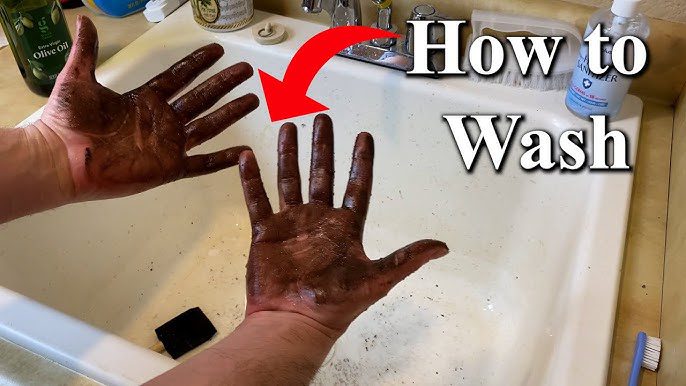
Water-based wood stain washes off with soap and warm water. Oil-based stain needs a solvent, such as mineral spirits, or a warm oil pretreat like baby oil, since soap won’t break its pigment binder loose. Scrubbing either type with an abrasive pad or straight acetone strips the skin’s oil barrier and leaves it raw for days. This guide covers identifying the stain type, removal steps for each, and what to keep on hand so it doesn’t happen again.
| Stain Type | How to Remove It | Best For |
|---|---|---|
| Water-based (acrylic/latex) | Soap + warm water, repeat 2-3 times | Fresh stains, sensitive skin, kids’ craft stain |
| Oil-based (alkyd/oil stain) | Baby oil pretreat, then mineral spirits + soap | Set-in pigment, stain under nails |
| Gel stain (either binder) | Match the method to its base type, expect 2 rounds | Thick coats caught in cuticles and knuckle creases |
Which Type of Wood Stain Do You Have?
Best Wood Stain Cleanup Pick
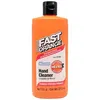
Fast Orange Pumice Lotion Hand Cleaner, 7.5 oz
A pumice-textured, waterless lotion cleaner built to cut through set-in grease and stain without a full sink setup.
- Best for: lifting set oil-based stain right at the workbench, no sink needed
- Why we picked it: pumice grit plus citrus solvent works stain and grease loose without straight mineral spirits on your skin
- Main drawback: strong citrus scent lingers a bit; skip it on broken or irritated skin
Compare more stain cleanup and prevention options
 Option 1 GOOP Pumice Waterless Hand Cleaner, 16 oz
|
 Option 2 MedPride Nitrile Gloves, Box of 100
|
 Option 3 GOOP Waterless Hand Cleaner, 14 oz (2-Pack)
|
As an Amazon Associate we earn from qualifying purchases.
Wood stain is either water-based, a pigment suspended in water that cleans up with soap, or oil-based, a pigment carried in a linseed-oil or alkyd binder that needs a solvent to break down — the same two categories covered in our full wood finishing guide. Rinse the spot under running water for about 15 seconds: if it lightens and rinses toward pink or tan right away, it’s water-based. If it beads, smears, and barely moves — or the can smells like paint thinner — it’s oil-based, so skip ahead to the mineral spirits method below.
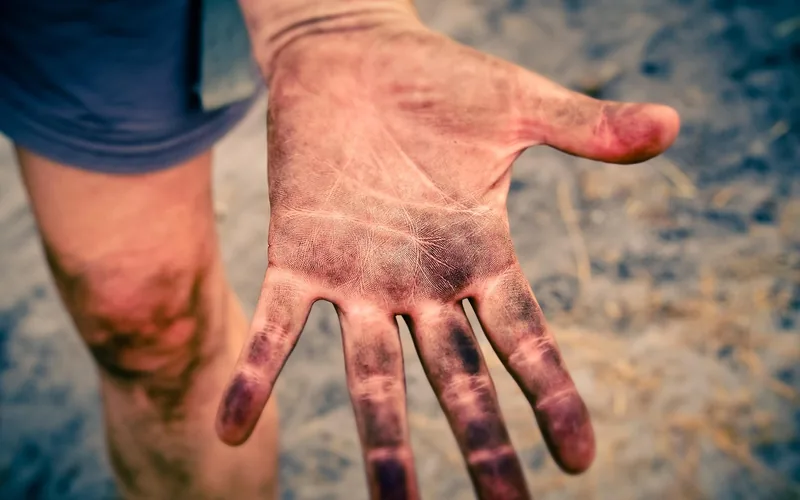
How to Remove Water-Based Wood Stain From Skin
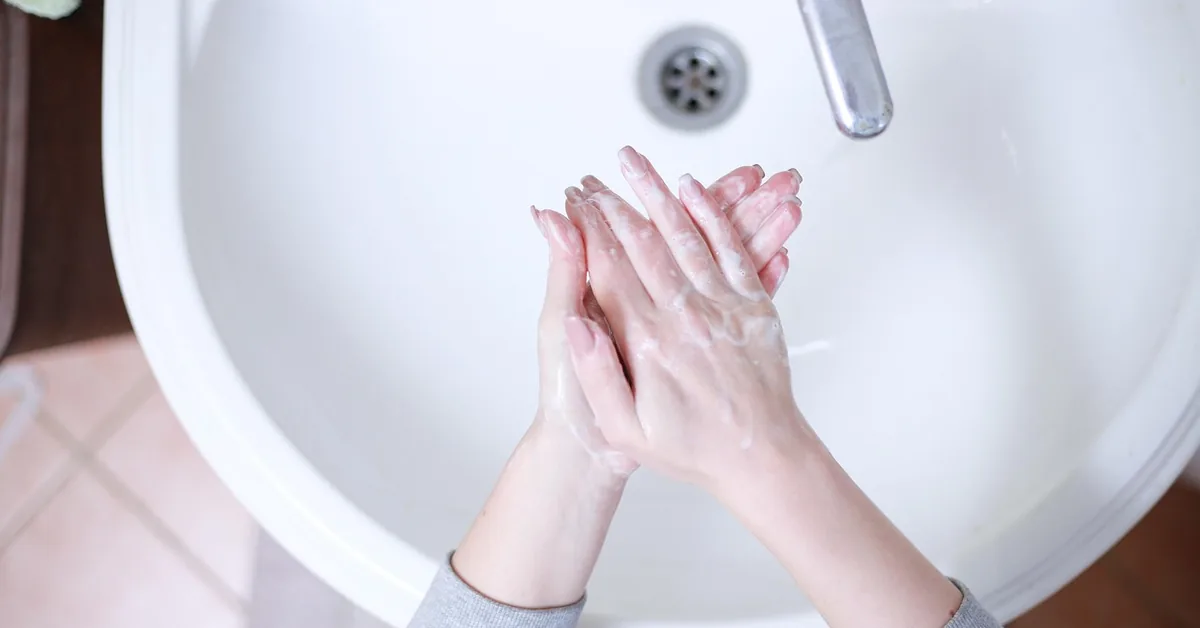
Water-based stain hasn’t bonded into an oil film, so plain dish soap is usually enough. Work quickly — the longer it sits, the more it acts like a dye instead of a surface coating.
- Wet the stained skin with warm water at the sink.
- Work in a dollop of dish soap for about 30 seconds, paying extra attention to creases, cuticles, and under the nails.
- Rinse and check. Repeat two or three times if pigment remains — it lightens with each wash instead of needing to be forced off in one pass.
If you’ve soaked in soap and water three times with no change, treat it as oil-based instead — that’s usually the real tell that soap alone won’t cut it, more than anything printed on the can.
How to Remove Oil-Based Wood Stain From Skin (Mineral Spirits Method)
Oil-based stain needs something that dissolves oil to break its grip. A warm-oil pretreat loosens most of it gently; mineral spirits finishes off what’s left. A dedicated wood stain remover made for this exact job works the same way if you’d rather not keep raw mineral spirits around.
- Glove up first if you have a clean pair on hand — it keeps the stain from spreading to skin that isn’t marked yet.
- Warm a small amount of baby oil, olive oil, or vegetable oil between your palms and massage it into the stained area for 30 to 60 seconds.
- Wipe the loosened stain off with a clean rag before it has a chance to dry again.
- For pigment that remains, dampen a cloth with mineral spirits and blot — don’t scrub — working from the edge of the stain toward the center.
- Wash immediately with dish soap and warm water to strip the mineral spirits off your skin; don’t let it sit.
- Pat dry and apply a fragrance-free moisturizer or hand cream once the skin is clean.
📊 Manufacturer Safety Data Sheets for mineral spirits list repeated or prolonged skin contact as a cause of defatting and dermatitis — wash it off with soap and water as soon as the stain lifts rather than leaving it on “to keep working.” — Source: Mineral spirits SDS (multiple manufacturers, e.g. Klean-Strip, Crown)
Why You Should Never Scrub Wood Stain Off Hard
Fresh stain wipes off almost embarrassingly easy if you catch it in the first few minutes — it’s the stain that’s sat under a fingernail overnight that actually needs mineral spirits. Scrubbing with a pumice pad or nail brush on the first try doesn’t speed that up; it just opens up the skin around the stain, which is what actually causes the redness and stinging people blame on the stain itself. Go gentle first and repeat the wash instead of pressing harder — pigment that won’t move after three gentle passes needs a stronger solvent, not more force.
“I keep a rag and a small squeeze bottle of mineral oil right at the bench now, because reaching for it before I wash up saves the harsher stuff — mineral spirits, acetone — for the stain that’s actually set in and needs it.”
— Md Meraj, Woodworking Advisor
Common Mistakes When Removing Wood Stain From Skin
- Reaching for straight acetone or paint thinner first. Start gentler — soap and water, or an oil pretreat — and only step up to a solvent if that genuinely doesn’t move it.
- Scrubbing hard with a pumice pad on the first try. This irritates skin faster than it removes stain; repeat a gentle wash instead of forcing it.
- Skipping gloves and moisturizer afterward. Bare-handed staining guarantees a repeat of this problem, and skin left dry after solvent contact is more likely to crack.
How to Prevent Wood Stain From Getting on Your Skin Next Time
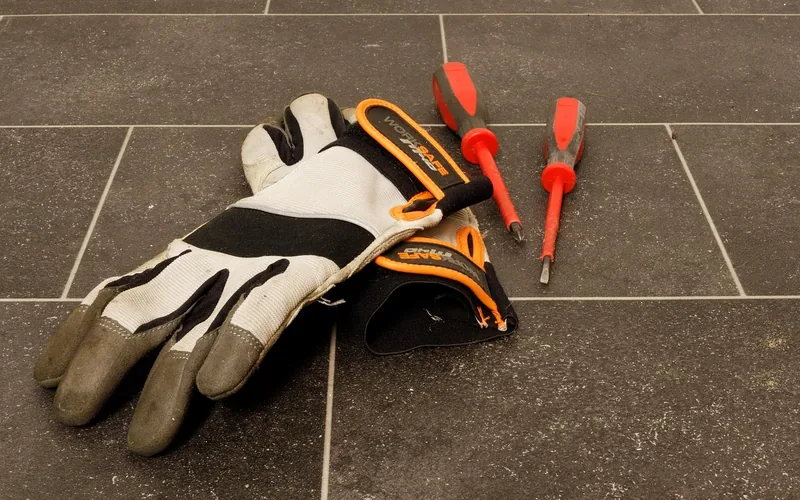
Wear nitrile or latex gloves before you open the can — cloth work gloves soak stain through in seconds and end up holding it against your skin longer than bare hands would. Apply stain with a foam brush or rag instead of a bare hand whenever the project allows it. If you know you’ll be working bare-handed — staining small turned pieces, touching up edges — rub a thin layer of petroleum jelly into your hands first; pigment wipes off a barrier layer far faster than it wipes off dry skin.
Frequently Asked Questions
What removes wood stain from skin fast?
For water-based stain, dish soap and warm water lifts it in one or two washes. For oil-based stain, a warm oil pretreat (baby oil, olive oil) followed by mineral spirits on a cloth is the fastest combination — the oil loosens the bulk of the pigment so the solvent only has to finish off what’s left.
Does rubbing alcohol remove wood stain from skin?
Yes, rubbing alcohol dissolves some oil-based stain, though less effectively than mineral spirits on pigment that has already set. It works best on fresh stain, applied on a cotton ball and followed immediately by a soap-and-water wash.
Is wood stain toxic on skin?
A brief splash isn’t an emergency, but wood stain contains solvents and pigments that can irritate skin or trigger a reaction with repeated exposure. Wash it off rather than leaving it on, and if redness, swelling, or a rash develops, stop using home remedies and see a doctor.
Will wood stain wash off skin on its own over time?
Water-based stain mostly fades within a few washes as new skin cells replace stained ones. Oil-based stain that’s bonded into cuticles and dry knuckle creases can linger for several days without active removal, since normal washing doesn’t dissolve its oil binder.
What if the stain won’t come off after several attempts?
Switch methods rather than repeating the same one harder — if soap and water hasn’t worked after three tries, move to the oil-and-mineral-spirits method. If that still doesn’t clear it, or the skin is broken or irritated, stop and let a doctor advise on a stronger option instead of pushing further with home remedies.
Conclusion
Match the method to the stain: soap and water for water-based, a warm oil pretreat plus mineral spirits for oil-based, and gloves or a barrier cream so there’s less to remove next time. Skip the hard scrubbing either way — patience and a second wash beat force, and your skin recovers faster for it. If the spill also made it onto carpet nearby, see our guide to getting wood stain out of carpet for the same speed-over-force approach applied there.
Sponsored / affiliate links. As an Amazon Associate I earn from qualifying purchases. I may earn additional commission from eligible campaigns.